




FREE DELIVERY ON RAW DOG FOOD BUNDLES & DOG SUPPLEMENTS to UK Standard Areas

Vitamin C For Dogs: What You Should Know

Vitamin C for dogs is one of those topics that raises more questions than it answers. Dogs aren’t like humans, they can actually make their own. So, do they need it in their diet? And if they already produce it, why is it turning up in so many supplements? The answer is more nuanced than a simple yes or no and understanding it properly could make a real difference to how you support your dog’s health.

Alison Frost, Canine Nutritionist

Author: Alison Frost

Vitamin C For Dogs: What You Should Know

Blog in 60 Seconds

In this guide, you will learn:

  • Whether dogs produce their own vitamin C, and why that doesn’t always settle the question
  • The key roles it plays in immune function, collagen production, and antioxidant protection
  • When supplementation is worth considering, and which dogs benefit most
  • The best natural food sources of vitamin C for dogs, including raw feeding options
  • How to spot signs of low levels, and what to do about it

Canine nutrition has been my focus for over two decades. I’ve worked alongside raw feeders, holistic vets, and dog owners at every stage of their feeding journey, from those just questioning the bag of kibble on their kitchen floor to seasoned raw feeders fine-tuning complex home-prepared diets. Throughout that time, the one thing that’s never changed is how much owners want to get it right for their dogs.

What I’ve learned is that the detail matters. Questions like ‘does my dog need vitamin C?’ sound simple on the surface, but the honest answer requires context. In this guide, I’ll give you that context, grounded in the science, without the fluff so you can make genuinely informed decisions about your dog’s nutrition.
What is Vitamin C for Dogs?

Vitamin C, also known as ascorbic acid, is a water-soluble nutrient that plays a central role in immune regulation, collagen synthesis, and antioxidant defence. Unlike humans, dogs have the biological machinery to synthesise it in their own liver using the enzyme L-gulonolactone oxidase. This is why vitamin C is a non-essential nutrient for dogs, under normal conditions, their liver synthesises it from glucose without any need for dietary intake. [1,3]

That said, non-essential doesn’t mean unimportant. The question isn’t whether dogs need vitamin C, they absolutely do, but whether their bodies can always produce enough of it, and whether dietary or supplemental sources offer meaningful additional support in certain situations.

sources of vitamin c for dogs

Why Do Dogs Need Vitamin C?

Even though dogs synthesise their own vitamin C, its physiological role is extensive. Here’s what it’s actually doing inside your dog’s body:

Collagen Production and Connective Tissue Health

Vitamin C is essential for the synthesis of collagen, the most abundant protein in the body. Collagen provides the structural framework for tendons, ligaments, cartilage, skin, and bone, so this process is what maintains the integrity of joints and connective tissue. While healthy dogs produce their own supply in the liver, levels can decline during periods of illness, stress, or as dogs age, potentially compromising the collagen formation their joints depend on.

This is particularly relevant for active dogs, working breeds, and larger dogs whose joints are under sustained mechanical load.

Antioxidant Protection

As one of the body’s front-line antioxidants, this key vitamin neutralises free radicals which are unstable molecules produced during normal metabolism, exercise, illness, and environmental exposure. Left unchecked, free radicals drive oxidative stress, which is linked to cellular damage, chronic inflammation, and accelerated ageing.

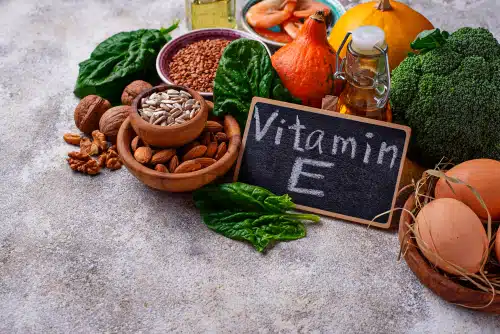
It also works in tandem with vitamin E, helping to regenerate it after it’s been used up in the antioxidant process. The two nutrients support each other.

Immune System Support

White blood cells actively concentrate vitamin C, using it to mount and regulate immune responses. Research has documented significantly reduced levels in dogs affected by illness, parasitic infection, and critical conditions including gastric dilatation-volvulus (bloat).

In these scenarios, the body’s demand outpaces its ability to produce it, which is where dietary and supplemental sources become relevant.

Hormone and Neurotransmitter Synthesis

Vitamin C acts as a co-factor in the production of catecholamines (including norepinephrine) and vasopressin, hormones that regulate the stress response, circulation, and fluid balance. This is one reason why it’s status is of particular interest in dogs under physical or psychological stress.

Do Dogs Make Their Own Vitamin C?

Yes, and under normal conditions, they make enough to meet their baseline needs. Vitamin C is synthesised in the liver from glucose, and in healthy dogs with good-quality diets, this process functions reliably.

However, several factors can disrupt or exhaust that production:

  • Illness and infection — vitamin C is rapidly consumed during immune responses
  • Physical or emotional stress — stress hormones, particularly cortisol, can interfere with synthesis while simultaneously increasing demand
  • Ageing — synthesis capacity can decline with age, at the same time that oxidative stress tends to increase
  • High activity levels — working and sporting dogs generate more free radicals and may benefit from additional antioxidant support
  • Liver disease — since vitamin C is produced in the liver, any compromise to liver function directly affects synthesis

The synthesis rate also increases during stress and illness as the body attempts to compensate, but this compensatory response has limits. When demand consistently exceeds production, dietary intake and supplementation become genuinely useful.

The Signs of Vitamin C Deficiency in Dogs

True vitamin C deficiency is uncommon in dogs. Because dogs synthesise it in the liver, there is no dietary requirement, and classical deficiency signs are not observed in healthy dogs under normal conditions [2,3].

That said, suboptimal status, where levels are lower than ideal without reaching outright deficiency, is a different matter. Dogs experiencing this may show:

  • Slow wound healing or tissue repair
  • Increased susceptibility to infection
  • Low energy or signs of physical fatigue
  • Joint stiffness or reduced mobility, particularly in older dogs
  • Poor skin and coat condition

These signs are non-specific and can have multiple causes, so if you’re concerned about your dog’s health, getting a proper assessment from a vet or qualified canine nutritionist is the right starting point.

lethargic dog

When Vitamin C Supplementation is Worth Considering

For most healthy adult dogs eating a balanced, species-appropriate diet, extra vitamin C isn’t a necessity. Their own production covers baseline needs, and a raw diet naturally delivers some through organ meats and plant matter.

Where supplementation is worth discussing:

Senior Dogs

Ageing increases oxidative stress [4], and the capacity for vitamin C synthesis may decline over time. A review on antioxidant strategies in ageing dogs highlights that vitamins C and E, alongside other antioxidants, may help support healthy ageing by protecting cells from oxidative damage. Many supplements for older dogs include vitamin C for this reason.

Dogs Under Stress

Physical stress (surgery, recovery, intense exercise) and psychological stress both increase vitamin C demand and may reduce synthesis efficiency. Working dogs, dogs recovering from illness or injury, and those going through high-stress periods, rehoming, kennelling, competition, are candidates for additional support.

Dogs with Joint Issues

Given vitamin C’s role in collagen synthesis and its anti-inflammatory properties, it’s often included in joint support for dog supplements such as ProDog Flexx. It contributes to cartilage health and connective tissue integrity, making it a relevant nutrient for dogs managing joint conditions or supporting joint health preventively.

High-Performance and Working Dogs

Dogs with high activity levels generate more free radicals through exercise. Additional antioxidant support, including vitamin C, helps manage oxidative load and supports recovery.

If you’re considering supplementation for your dog, speaking to a canine nutritionist is the best route to getting the amount and product selection right for your individual dog or you can read more in our Beginners Guide to Dog Supplements.

Natural Food Sources of Vitamin C for Dogs

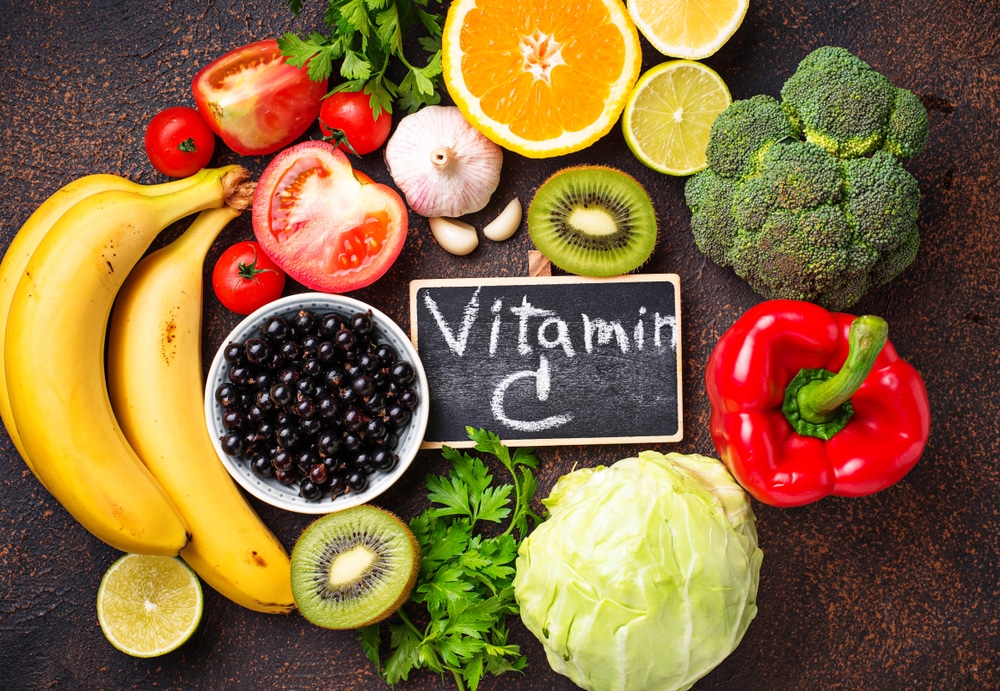
Dogs fed a balanced raw diet will receive some level naturally through their food. The best vitamin c for dogs comes from:

Organ Meats

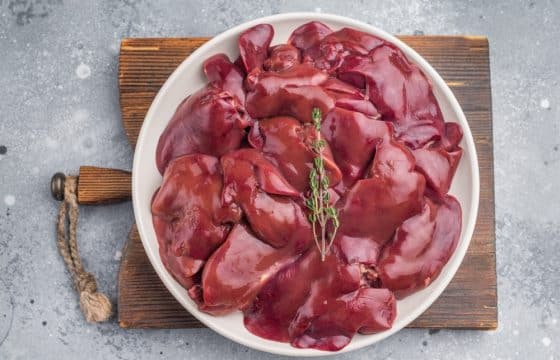
Raw organ meats, particularly liver and kidney, contain naturally occurring vitamin C. This is worth noting for raw feeders: a well-formulated raw diet that includes organ meats isn’t starting from zero. Cooking and commercial extrusion processes cause significant losses, meaning raw ingredients, particularly organ meats, retain substantially more than their processed equivalents [5].

Dog-Safe Vegetables and Fruit

  • Broccoli — a solid, accessible source, fed raw or lightly steamed
  • Rosehips — one of the more potent plant sources available, often used in canine supplements
  • Red bell pepper — higher than many other vegetables
  • Spinach and leafy greens — contribute alongside other micronutrients
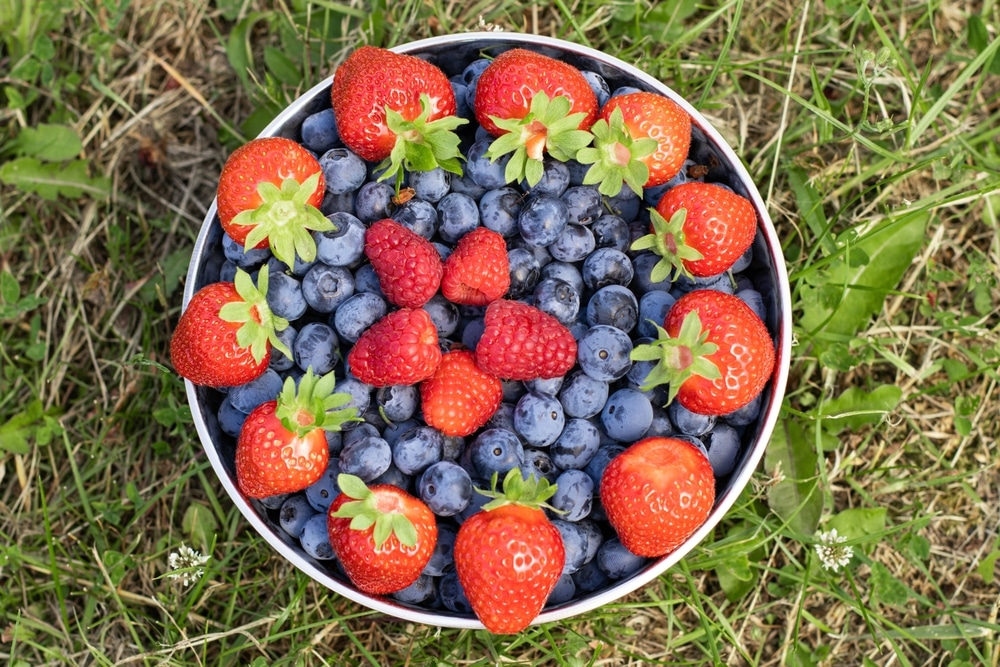
  • Blueberries and strawberries — offer vitamin C alongside antioxidant polyphenols

For raw-fed dogs, plant matter is best served pureed or lightly broken down to support digestibility and nutrient availability.

SOURCES OF VITAMIN C

Vitamin C in ProDog Supplements

Several ProDog supplements include vitamin C as part of their formulations, recognising its role in immune support, joint health, and antioxidant function:

If you’re feeding a FEDIAF-compliant complete raw meal from ProDog, your dog’s baseline nutritional needs are already accounted for in the recipe. Supplementation is most relevant for dogs with specific requirements including seniors, working dogs, those under stress, or dogs with joint concerns.

Need help with your dog’s diet?

Contact ProDog’s expert team today for FREE tailored canine nutrition advice

Contact Us

Dogs and Human Vitamin C Supplements

Human vitamin C supplements are often formulated at doses unsuitable for dogs and may contain additives that are harmful, including sweeteners such as xylitol, which is toxic to dogs.

If you’re considering a human-grade supplement, it must be:

  • Pure ascorbic acid or ascorbate, with no added ingredients
  • Free from sweeteners, flavourings, or fillers
  • Dosed appropriately for your dog’s size and health status

In practice, a dog-specific supplement is always the safer and more straightforward option. These are formulated with canine physiology in mind, removing the guesswork around serving size and ingredient safety.

vitamin c

Too Much Vitamin C for Dogs

Vitamin C has a good safety profile in dogs. As a water-soluble vitamin, excess is excreted in urine rather than accumulated in the body, which means the risk of toxicity is low compared to fat-soluble vitamins.

That said, very high doses can cause:

  • Digestive upset — loose stools or mild diarrhoea
  • Increased urine acidity — which may be a concern for dogs prone to calcium oxalate urinary stones or crystals

Following product guidance and avoiding unnecessary mega-dosing keeps supplementation in safe territory for most dogs. If your dog has a history of urinary issues, check with your vet before adding vitamin C.

Getting Vitamin C Right for Your Dog

Vitamin C for dogs sits in interesting territory: they can produce their own, but that production has limits. A well-formulated complete raw diet already supplies some naturally, particularly from organ meats, and ProDog’s FEDIAF-compliant complete meals factor this into their full nutritional balance. For most healthy dogs eating this way, the body’s own production rarely needs much help.

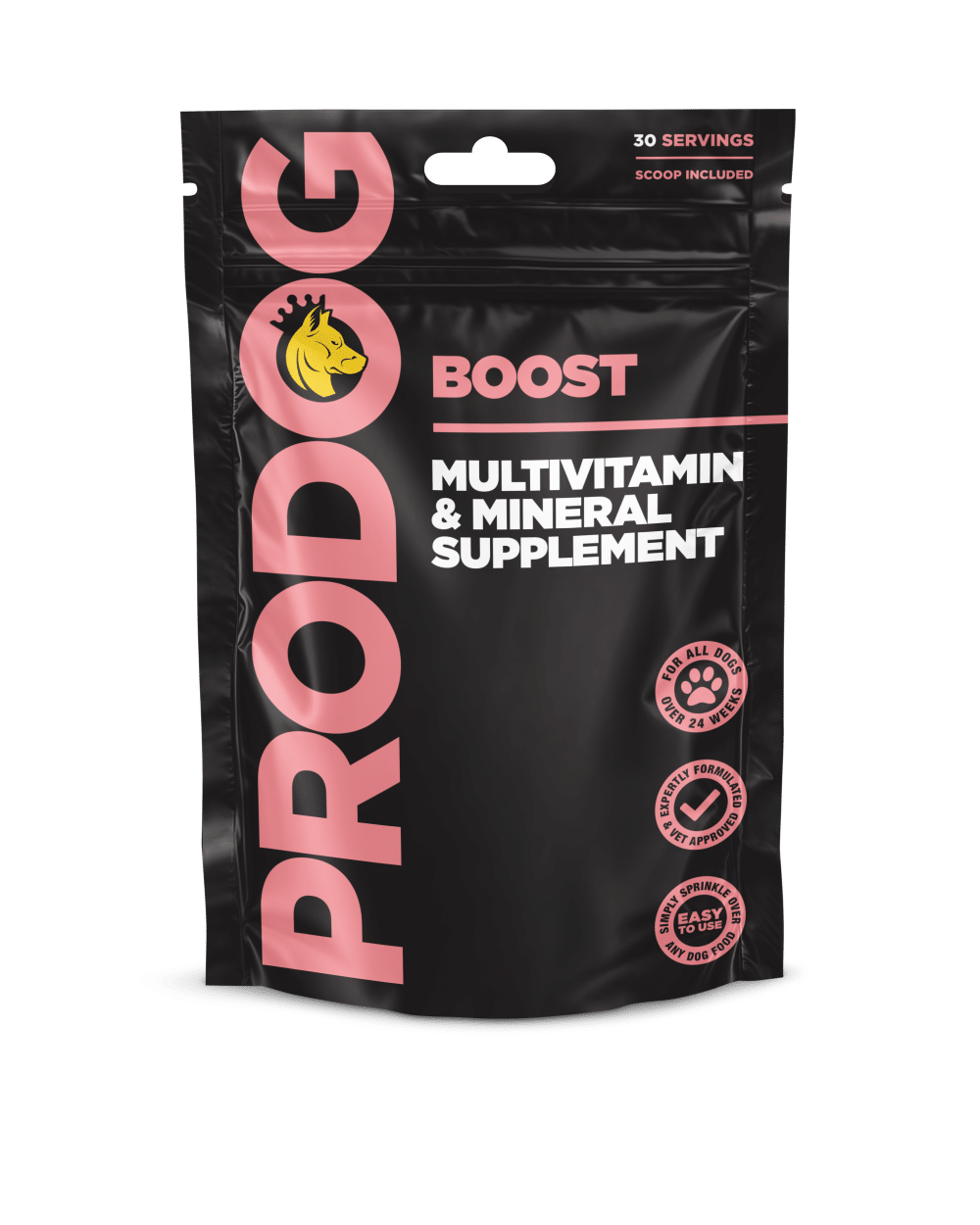
Where extra support makes more sense is for dogs feeding on an 80:10:10 ratio or a home-prepared raw diet without plant matter, where intake from food alone may be lower, and for seniors managing increased oxidative stress, working dogs with high physical demands, dogs in recovery, or those with joint concerns. In these cases, adding organ meats, dog-safe vegetables, or a well-formulated supplement like Boost multivitamin for dogs is a straightforward way to support what the body is designed to do.

Real, species-appropriate nutrition is the foundation. Getting the supplementation right on top of that is where the detail makes a difference. Explore our range of dog supplements, or speak to our nutritionists to build a tailored plan for your dog.

FAQs

Do dogs need vitamin C?

Dogs synthesise their own vitamin C in the liver, so it’s classed as a non-essential nutrient under normal conditions. However, illness, ageing, stress, and high activity levels can all increase demand beyond what the body produces, making dietary sources and supplementation relevant for certain dogs.

Can I give my dog human vitamin C?

It’s possible, but not straightforward. Human supplements are often too high in dose for dogs and may contain additives including sweeteners like xylitol, which is toxic to dogs. A dog-specific supplement is always the safer option and removes the guesswork around dosing and ingredient safety.

How much vitamin C should I give my dog?

There is no universal daily requirement figure for dogs in the same way as for humans, because dogs synthesise their own. Supplemental amounts vary by product, dog size, health status, and specific needs. Follow the guidance on your chosen supplement, or consult a canine nutritionist for tailored advice.

What are the symptoms of vitamin C deficiency in dogs?

True deficiency is uncommon in dogs. Signs that may indicate suboptimal vitamin C status include slow wound healing, increased susceptibility to infection, poor energy levels, joint stiffness, and skin or coat changes. These signs are non-specific, so a proper assessment is always the right starting point.

What is the best vitamin C supplement for dogs?

The best choice depends on your dog’s specific needs. A broad-spectrum multivitamin for dogs supplement like Boost covers vitamin C alongside other key nutrients. For dogs with joint concerns, Flexx combines this key vitamin with other targeted joint support ingredients. Working dogs may benefit from Perform’s formulation for high-demand activity levels.

Does vitamin C help dogs with joint problems?

Yes, it plays a direct role in collagen synthesis, which supports cartilage, tendons, and ligaments. It also has anti-inflammatory properties. For this reason, it’s commonly included in joint support supplements and may help maintain joint health and connective tissue integrity in dogs with mobility concerns.

Is vitamin C safe for dogs?

Yes, it’s generally well tolerated in dogs. As a water-soluble vitamin, excess is excreted rather than stored, so the risk of toxicity is low. Very high doses may cause digestive upset or affect urine acidity, and dogs prone to calcium oxalate urinary stones should have supplementation discussed with a vet first. Always choose a product formulated specifically for dogs rather than a human supplement. Human versions, particularly gummies, often contain xylitol or other additives that are unsafe for dogs, and dosing is calculated for human body weight, not a dog’s.

Do senior dogs need more vitamin C?

Ageing increases oxidative stress at the same time that synthesis capacity may decline, making additional antioxidant support more relevant for older dogs. Research supports the inclusion of vitamins C and E in the diets of ageing dogs to help protect cells and support healthy ageing. Many senior-focused supplements include vitamin C for this reason.

Can raw-fed dogs get enough vitamin C from their diet?

Dogs fed a well-formulated complete raw diet, particularly one including organ meats, will receive some vitamin C naturally. ProDog’s FEDIAF-compliant complete meals account for nutritional balance across the full diet. Dogs on 80:10:10 or home-prepared diets without plant matter may benefit from additional vitamin C through food additions or a supplement.

Does cooking destroy vitamin C in dog food?

Yes. It’s heat-sensitive and is significantly reduced or destroyed during the cooking process. This is one of several reasons why raw organ meats are a more meaningful source than cooked alternatives. Ultra-processed dog food manufacturers typically add a synthetic version back in after processing.

References

  1. Hesta, M., et al. (2009). The effect of vitamin C supplementation in healthy dogs on antioxidative capacity and immune parameters. Journal of Animal Physiology and Animal Nutrition, 93(1), 26–34. Doi: 10.1111/j.1439-0396.2007.00774.x 
  2. Barroso, C., Fonseca, A. J. M., & Cabrita, A. R. J. (2024). Vitamins, minerals and phytonutrients as modulators of canine immune function: A literature review. Veterinary Sciences, 11(12), 655. Doi: 10.3390/vetsci11120655 
  3. National Research Council. (2006). Nutrient requirements of dogs and cats. National Academies Press. Doi: 10.17226/10668 
  4. Muršec, A., Poljšak, B., Nemec Svete, A., & Erjavec, V. (2025). Antioxidant strategies for age-related oxidative damage in dogs. Veterinary Sciences, 12(10), 962. Doi: 10.3390/vetsci12100962 
  5. Félix, A. P., Zanatta, C. P., Brito, C. B. M., Maiorka, A., & Oliveira, S. G. (2021). Vitamin retention during extrusion of dry pet food: A literature review. Animal Feed Science and Technology, 277, 114933. Doi: 10.1016/j.anifeedsci.2021.114933 

0 comments

Leave a Reply

Your email address will not be published. Required fields are marked *