




FREE DELIVERY ON RAW DOG FOOD BUNDLES & DOG SUPPLEMENTS to UK Standard Areas

Vitamin D for Dogs: Everything You Need to Know

Vitamin D is one of the most talked-about nutrients in human health and it matters just as much for your dog. But there’s a crucial difference: while you can top up your levels with a walk in the sun, your dog cannot. Every milligram of vitamin D your dog needs must come from their food. That makes understanding this nutrient, what it does, where to find it, and where the risks lie, essential knowledge for any dog owner who takes their dog’s health seriously.

Alison Frost, Canine Nutritionist

Author: Alison Frost

Vitamin D for Dogs: Everything You Need to Know

Blog in 60 Seconds

In this guide, you will learn:

  • Why dogs cannot make vitamin D from sunlight and why diet is their only reliable source
  • The key benefits of vitamin D for dogs, from strong bones and muscles to immune resilience
  • The best natural food sources of vitamin D and whether raw feeding provides enough
  • How to recognise signs of vitamin D deficiency, and when to speak to your vet
  • Why vitamin D toxicity is a serious risk and what to do if you suspect overdose

Vitamin D is a nutrient most people associate with sunshine and human health, yet its role in canine wellbeing is just as significant and, in my experience, far more misunderstood. Throughout my 20+ years working in raw feeding and canine nutrition, I’ve helped countless dog owners untangle the confusion around what their dogs truly need, and Vitamin D sits firmly at the top of the list when it comes to nutrients that are easy to get wrong, whether through deficiency or excess.

What I’ve come to appreciate, working closely with dog owners day in, day out, is that the questions around Vitamin D come from genuine care and a real desire to get it right. In this guide, I’ll walk you through what Vitamin D does in your dog’s body, how much they actually need, where it comes from in a raw diet, and how to spot the signs that something’s out of balance. My goal, as always, is to make the science accessible, practical, and genuinely useful for your dog.

What is Vitamin D for Dogs?

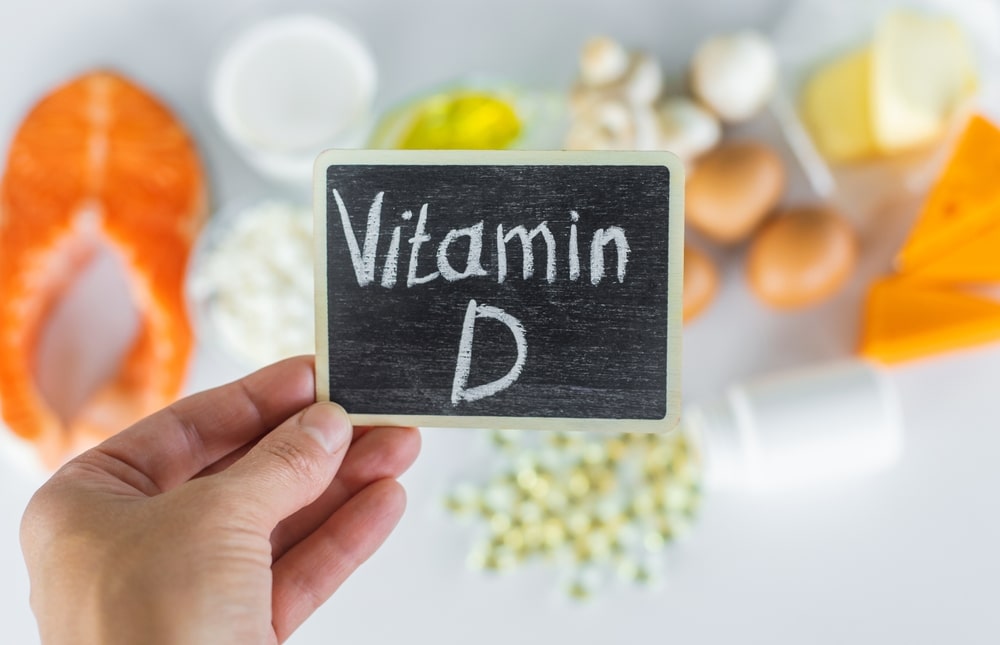
Vitamin D is a fat-soluble vitamin that plays a central role in your dog’s bone health, immune function, muscle development, and overall cellular health. Unlike water-soluble vitamins, it is stored in the body’s fatty tissues and liver rather than excreted daily, which is why getting the balance right matters so much.

There are two main forms: vitamin D2 (ergocalciferol), found in plants, fungi, and yeasts, and vitamin D3 (cholecalciferol), the animal-derived form and the most biologically active for dogs.

Vitamin D3 is the more bioavailable form of vitamin D, meaning the body can absorb and actually use it more efficiently, and it’s the form naturally found in animal tissues, making it the logical fit for complete raw dog food and quality canine supplements.

In Europe, vitamin D2 (ergocalciferol) was removed from the approved feed additives register in 2018, not due to confirmed safety concerns, but because no renewal application was submitted under the reauthorisation process, leaving vitamin D3 (cholecalciferol) as the only legally recognised form for supplementing pet food under EU legislation. [1].

what is vitamin d for dogs?

Why Can't Dogs Get Vitamin D From Sunlight?

Here’s something most dog owners don’t know: unlike humans, dogs can’t make vitamin D from sunlight. Their skin simply isn’t designed for it.

Humans produce vitamin D when UV rays hit the skin. Dogs, by contrast, are unable to produce meaningful amounts this way, not because the conversion pathway is entirely absent, but because their skin contains far too little of the precursor molecule needed to fuel it. Research confirms that even under direct UV exposure, dog skin shows no significant increase in vitamin D production. [2] It’s an evolutionary trait: their wild ancestors got all the vitamin D they needed from eating prey, so the sunlight route never developed.

The bottom line is simple. No matter how much time your dog spends outdoors, sunshine won’t top up their vitamin D. Everything they need has to come from their food.

vitamin d for dogs

The Benefits of Vitamin D for Dogs

Bone Health and Mineral Balance

Vitamin D is essential for how your dog absorbs and uses calcium and phosphorus, the minerals that keep bones strong and dense. Without adequate vitamin D, these minerals can’t be properly absorbed, and the consequences are real: rickets in puppies, where growth cartilage fails to mineralise properly, leading to skeletal deformity and impaired bone development, and osteomalacia in adult dogs, where bones lose density and structural integrity. [3]

Immune System Support

Research has found that dogs with chronic enteropathy tend to have lower vitamin D levels alongside higher markers of both systemic and gut inflammation, suggesting a meaningful relationship between vitamin D status and inflammatory conditions in dogs. Whether low vitamin D contributes to this inflammation or is a consequence of it remains an open question [4]. As well as compromised gut integrity, it has also been associated with thyroid dysfunction.

Keeping levels optimal helps support your dog’s natural immune defences, particularly important for working dogs or any dog prone to picking up illness.

Muscle and Nerve Function

Calcium plays a critical role in muscle contraction and nerve signalling, with vitamin D essential to maintaining adequate calcium levels in the body. When calcium drops chronically low, dogs can experience muscle weakness and poor coordination, and in severe cases, hypocalcaemia can trigger seizures. [5]

Heart, Organ Health and Reproductive Support

Vitamin D supports normal cardiac function and helps protect the liver and kidneys. Research has associated low serum vitamin D with congestive heart failure and chronic kidney disease in dogs, though the relationship is still being studied. [6] For breeding dogs, it also plays a supportive role in hormonal balance, fertility, and healthy foetal development.

Natural Sources of Vitamin D for Dogs

Because dogs rely entirely on dietary intake, the quality and composition of their food determines their vitamin D status. Here are the best natural sources:

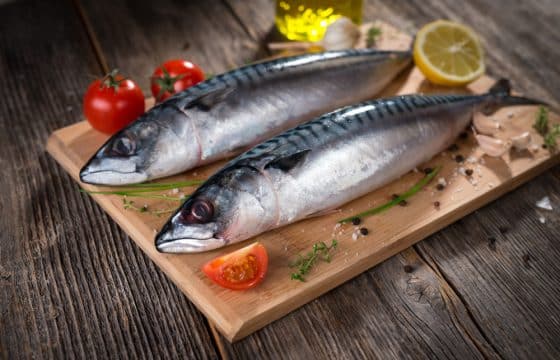
  • Oily fish — salmon, sardines, mackerel, and herring are among the richest sources of natural vitamin D3
  • Cod liver oil — one of the most concentrated natural sources, though portion control matters due to the risk of vitamin A toxicity at high volumes
  • Egg yolks — a natural, bioavailable source that integrates well into a raw diet
  • Beef liver and organ meats — liver in particular contains meaningful amounts of vitamin D alongside a broad spectrum of essential nutrients
  • Raw meat (muscle meat) — contains modest amounts of vitamin D3, contributing to overall intake when fed as part of a complete and balanced diet
  • Mushrooms — unlike most plant foods, certain varieties contain vitamin D2 when exposed to UV light, though D3 (the form dogs utilise most effectively) is found only in animal-based sources
sources of vitamin d for dogs

Does Raw Feeding Provide Enough Vitamin D for Dogs?

The answer depends on the type of raw diet you’re feeding, and this is worth understanding clearly.

FEDIAF-compliant complete raw meals, such as ProDog’s Complete raw dog food and Smart Chub ranges, are formulated to meet the nutritional guidelines set by the European Pet Food Industry Federation. These guidelines specify a minimum of 500 IU of vitamin D per kg of dry matter, ensuring your dog’s needs are met within the meal itself. If your dog is eating a balanced complete raw diet, their vitamin D requirements are already accounted for. [6]

80:10:10 or DIY raw diets are a different matter. These approaches — typically 80% muscle meat, 10% raw bone, and 10% offal — don’t always include the fish, eggs, and organ variety needed to meet vitamin D requirements consistently. I’ve seen many dogs on well-intentioned DIY raw diets that are genuinely deficient not just in vitamin D, but in iodine, zinc, omega-3s, Vitamin E and manganese. The issue isn’t the principle of raw feeding; it’s the lack of variety and formulation knowledge.

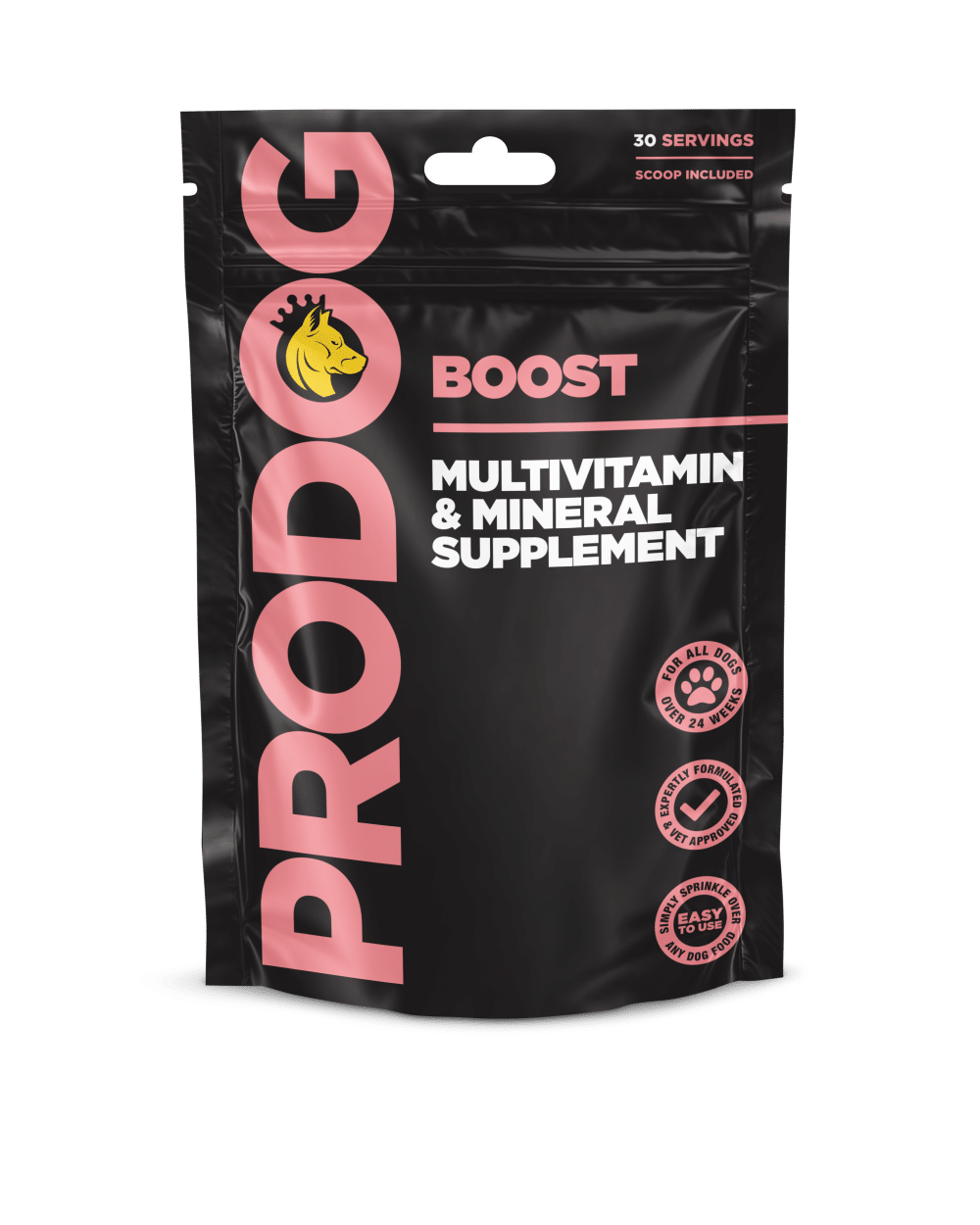
If you’re feeding a less structured raw approach, supplementing with a well-formulated canine multivitamin such as ProDog’s multivitamin for dogs supplement; Boost, which includes bioavailable vitamin D alongside a broad spectrum of essential micronutrients, is a practical way to fill those gaps confidently.

If you’re unsure whether your dog’s current diet is meeting their full nutritional needs, our nutrition team offers free guidance.

Diseases Associated with Low Vitamin D

Research shows that dogs with low serum 25(OH)D levels are at significantly greater risk of a range of serious health conditions. Across multiple studies, levels below 40 ng/ml appear as a consistent threshold — below it, risk increases markedly in connection with several serious health conditions [7] [8].

Conditions associated with low vitamin D in dogs include:

Cancer

Dogs diagnosed with cancer have been found to have significantly lower vitamin D levels than dogs with non-cancerous conditions, with the relative risk of cancer nearly four times higher in dogs with 25(OH)D below 40 ng/mL (RR = 3.9) [8].

Chronic intestinal disease

Disease severity increases substantially below 40 ng/ml, with survival outcomes in chronic enteropathy linked to levels falling below 30 ng/ml.

Heart disease

Congestive heart failure is more prevalent below 40 ng/ml; heart remodelling in chronic valvular disease worsens as levels drop below 30 ng/ml

Kidney disease

Low vitamin D is found consistently across kidney disease patients, with creatinine rising sharply as levels fall below 40 ng/ml.

Atopic dermatitis

Inflammation and itch response are linked to vitamin D receptor activity in immune and skin cells.

Immune-mediated diseases

Including IMHA, ITP, and IMPA; all dogs studied had insufficient or deficient 25(OH)D levels.

Infection

Dogs with respiratory disease and canine herpesvirus show significantly lower vitamin D levels than healthy dogs.

Pancreatitis

Dogs presenting with acute pancreatitis show significantly lower 25(OH)D levels than healthy controls.

Hyperparathyroidism

Parathyroid tumours are associated with low vitamin D, reflecting its role in calcium and phosphorus regulation.

How Much Vitamin D Does a Dog Need?

FEDIAF guidelines recommend a minimum of 500 IU of vitamin D per kg of dry matter in the diet for dogs at all life stages, with a safe upper limit of 3,200 IU/kg dry matter. [6] AAFCO guidelines align closely, recommending 500–3,000 IU/kg dry matter.

These are dietary concentration figures, not standalone daily supplement amounts. The right quantity for any individual dog depends on their size, age, activity level, and the overall composition of their diet, particularly its fat content, since fat-soluble vitamins interact with dietary fat for absorption.

Puppies 

The minimum vitamin D requirement for puppies is the same as for adult dogs on a dry matter basis — 500 IU/kg — but the stakes are higher. Because puppies are actively building their skeletal structure, a shortfall in vitamin D has more immediate and lasting consequences. Large and giant breed puppies are especially vulnerable: their rapid growth rate places exceptional demands on bone mineralisation, and any imbalance between calcium, phosphorus, and vitamin D can impair skeletal development.

ProDog’s puppy raw meals are formulated specifically to meet these demands, with a calcium-to-phosphorus ratio of approximately 1.4:1 and naturally balanced vitamin D levels — no synthetic over-supplementation, just the right nutrients in the right proportions.

puppies

Senior Dogs

As dogs age, maintaining consistent vitamin D intake becomes increasingly important. Appetite changes, reduced fat absorption, and shifts in diet composition can all affect how reliably a senior dog obtains adequate vitamin D from food. Ensuring their diet meets established nutritional guidelines for vitamin D is a straightforward way to support healthy bones, immune function, and muscle health into their later years.

ProDog’s senior dog supplements are formulated with these age-related needs in mind, supporting healthy ageing across all the key systems.

Working and High-Activity Dogs

Working breeds, sporting dogs, and dogs with high metabolic demands have elevated antioxidant and micronutrient needs generally. Vitamin D is no exception. If your dog is working hard, competing, or covering serious ground regularly, their nutritional baseline needs to reflect that.

What is an optimal amount of Vitamin D?

There’s no single answer, and that’s the point.

Two dogs on identical diets can end up with very different serum Vitamin D levels. Age, breed, health status and gut function all affect how well an individual dog converts and absorbs what’s in their food.

The only reliable way to know your dog’s Vitamin D status is through blood testing. Holistic practitioners including Dr Judy Morgan recommend annual testing for all pets, noting that dogs with levels below 40 ng/ml are at significantly greater risk of a range of health issues [9]..

If your dog has a chronic health condition, is a senior, or you simply want to know their levels are genuinely optimal rather than just adequate, testing takes the guesswork out entirely. Your vet or canine nutritionist can advise on next steps based on the result.

Signs of Vitamin D Deficiency in Dogs

Vitamin D deficiency is quite common in dogs fed a well-balanced diet, particularly in dogs with malabsorption conditions, or those whose dietary variety is limited. The only way to determine a deficiency is through testing however signs to look out for include:

  • Bone weakness, pain on movement, or unusual fractures
  • Muscle weakness or tremors
  • Lethargy and reduced activity
  • Poor appetite and unexplained weight loss
  • Swollen or painful joints
  • Dental abnormalities (particularly in puppies)
  • Frequent illness or slow recovery from infection

Low serum vitamin D has also been documented in dogs with gastrointestinal disorders, exocrine pancreatic insufficiency, liver disease, and chronic kidney disease, in some cases as a consequence of the condition, in others potentially as a contributing factor. [7]

When to Speak to a Vet

If you’re seeing any of these signs persistently, it’s worth speaking to your vet and requesting a vitamin D blood panel alongside a broader health assessment.

Vitamin D Toxicity in Dogs: A Serious Risk

Vitamin D toxicity is one of the more serious nutritional risks for dogs, and it’s important to understand why.

Because vitamin D is fat-soluble and stored in the body rather than excreted, excess accumulates over time. Unlike water-soluble vitamins that are flushed out daily, too much vitamin D builds up in fatty tissues and the liver, eventually disrupting calcium metabolism. This leads to hypercalcaemia, dangerously elevated blood calcium which can cause acute kidney failure, cardiac arrhythmia, calcification of soft tissues, and in severe cases, death.

How Does Vitamin D Toxicity Happen?

The most common causes are:

  • Cholecalciferol rodenticides (rat poison) — extremely concentrated and can cause acute, life-threatening toxicity within 12–24 hours. If you suspect ingestion, contact your vet immediately.
  • Human vitamin D supplements — formulated in concentrations far too high for dogs. The margin between a therapeutic and toxic dose is narrow; never supplement without professional guidance.
  • Topical psoriasis creams — products containing calcipotriene or calcitriol can cause rapid-onset toxicity if licked. Keep these well out of reach.
  • Over-supplementation — adding vitamin D without testing risks cumulative toxicity. If your dog is eating FEDIAF-compliant complete raw meals, additional supplementation is only warranted if blood testing confirms levels are low.
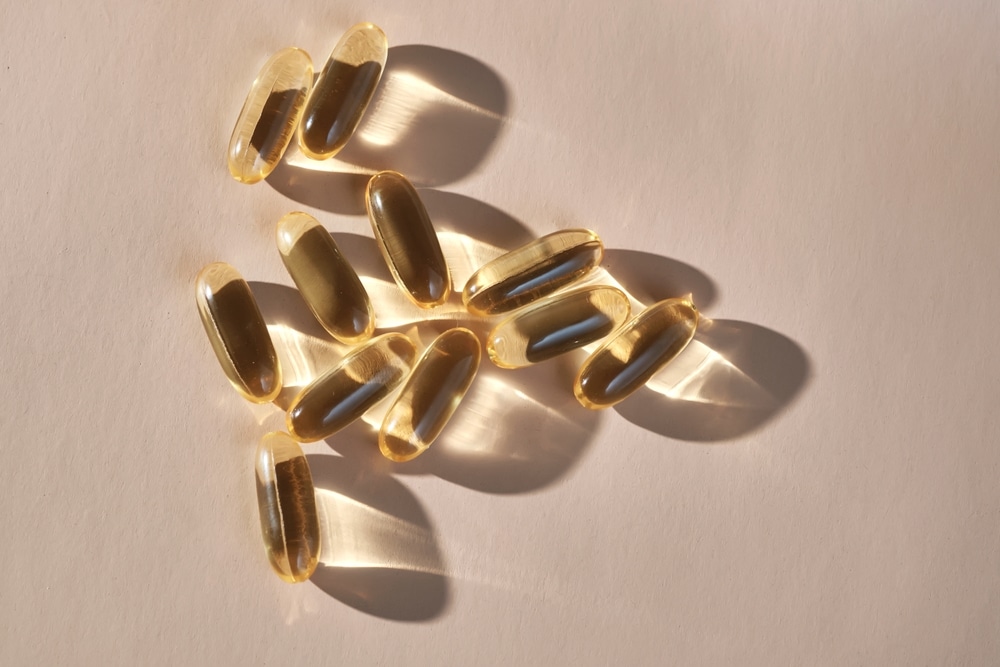
vitamin d capsules

Signs of Vitamin D Toxicity

  • Vomiting and diarrhoea (often one of the first signs)
  • Excessive thirst and urination
  • Lethargy and depression
  • Loss of appetite
  • Drooling
  • Abdominal pain
  • Muscle weakness
  • In severe cases: seizures, cardiac abnormalities, and kidney failure

In cases of acute poisoning, symptoms can appear within 12–72 hours of ingestion. Because vitamin D is fat-soluble and stored in the body’s tissues, the effects of toxicity, whether from a single large dose or ongoing dietary excess, can persist and require monitoring for many weeks.

dog who is lethargic

What to Do

If you suspect vitamin D toxicity, contact your vet immediately. Do not wait for symptoms to progress. Early treatment, which may include induced vomiting, activated charcoal, IV fluids, and blood monitoring, significantly improves outcomes. The effects of vitamin D poisoning can persist for weeks to months, and some dogs may require long-term management for kidney complications.

Supporting Your Dog’s Vitamin D Naturally

The most reliable way to ensure your dog gets adequate vitamin D is to feed a well-formulated, balanced diet built around species-appropriate whole foods.

ProDog’s complete raw dog food is nutritionist-formulated to FEDIAF standards, incorporating naturally vitamin D-rich ingredients, including organ meats, oily fish components, and egg yolk in the right proportions for genuine nutritional balance. For dogs on less structured raw approaches, or those with elevated needs due to age, activity level, or health status, targeted supplementation with Boost multivitamins for dogs or Perform for strength, stamina and performance provides a practical, safe way to fill nutritional gaps.

Vitamin D is a small but non-negotiable piece of the canine nutrition picture. Get the diet right, and it takes care of itself.

Need help with your dog’s diet?

Contact ProDog’s expert team today for FREE tailored canine nutrition advice

Contact Us

References

  1. European Commission. (2017). Commission Implementing Regulation (EU) 2017/1145 of 8 June 2017 on the withdrawal from the market of certain feed additives authorised pursuant to Council Directives 70/524/EEC and 82/471/EEC and repealing the obsolete provisions authorising those feed additives. Official Journal of the European Union, L 164, 9–13. https://eur-lex.europa.eu/legal-content/EN/TXT/?uri=CELEX:32017R1145 
  1. How, K. L., Hazewinkel, H. A. W., & Mol, J. A. (1994). Dietary vitamin D dependence of cat and dog due to inadequate cutaneous synthesis of vitamin D. General and Comparative Endocrinology96(1), 12–18. Doi: 10.1006/gcen.1994.1154 
  1. Zafalon, R. V. A., Ruberti, B., Rentas, M. F., Amaral, A. R., Vendramini, T. H. A., Chacar, F. C., Kogika, M. M., & Brunetto, M. A. (2020). The role of vitamin D in small animal bone metabolism. Metabolites, 10(12), 496. Doi: 10.3390/metabo10120496 
  1. Titmarsh, H. F., Gow, A. G., Kilpatrick, S., Cartwright, J. A., Milne, E. M., Philbey, A. W., Berry, J., Handel, I., & Mellanby, R. J. (2015). Low vitamin D status is associated with systemic and gastrointestinal inflammation in dogs with a chronic enteropathy. PLOS One, 10(9), e0137377. Doi: 10.1371/journal.pone.0137377 
  1. Feldman, E. C., & Nelson, R. W. (2004). Hypocalcemia and primary hypoparathyroidism. In Canine and Feline Endocrinology and Reproduction (3rd ed., pp. 716–742). Saunders/Elsevier. 
  1. FEDIAF. (2024). Nutritional guidelines for complete and complementary pet food for cats and dogs (July 2024 ed.). European Pet Food Industry Federation. https://europeanpetfood.org/wp-content/uploads/2024/09/FEDIAF-Nutritional-Guidelines_2024.pdf 
  1. Zafalon, R. V. A., et al. (2020). Vitamin D metabolism in dogs and cats and its relation to diseases not associated with bone metabolism. Journal of Animal Physiology and Animal Nutrition, 104(1), 322–342. Doi: 10.1111/jpn.13259 
  1. Selting, K. A., Sharp, C. R., Ringold, R., Thamm, D. H., & Backus, R. (2016). Serum 25-hydroxyvitamin D concentrations in dogs – correlation with health and cancer risk. Veterinary and Comparative Oncology, 14(3), 295–305. Doi: 10.1111/vco.12101  
  1. Morgan, J. (2021, August 2). The importance of vitamin D for pets. Dr. Judy Morgan’s Naturally Healthy Pets. Accessed 5th June 2026 


0 comments

Leave a Reply

Your email address will not be published. Required fields are marked *