



FREE DELIVERY ON RAW DOG FOOD BUNDLES & DOG SUPPLEMENTS to UK Standard Areas

Everything You Need To Know About Biotin For Dogs

We usually only talk about biotin when a dog’s coat starts to look dull or their skin gets flaky, but by then, the body has been struggling for a while. Biotin isn’t just about ‘looks’; it’s about the structural integrity of your dog’s entire external defence system. It’s the invisible ‘mortar’ between skin cells and the engine behind their metabolism. Understanding its role now means you aren’t just reacting to a dull coat later, you’re supporting health from the inside out.

Alison Frost, Canine Nutritionist

Author: Alison Frost

Everything You Need To Know About Biotin For Dogs

Blog in 60 Seconds

In this guide, you will learn:

  • What biotin actually is and how it works. Discover that biotin (vitamin B7) is an essential, water-soluble nutrient that dogs need to convert fats, proteins and carbs into energy and to form keratin for healthy skin, coats and nails.
  • Why dogs need biotin beyond appearance. Understand how it supports a resilient skin barrier, strong nails, efficient metabolism and cellular repair — not just a shiny coat.
  • How much biotin dogs require. Learn general guidelines for intake from food and supplements, how requirements vary by age and condition, and why excess is excreted rather than stored.
  • Signs and causes of deficiency. See common deficiency symptoms (dry or flaky skin, dull coat, shedding, brittle nails, low energy) and key causes such as unbalanced diets or changes to the gut microbiome.
  • Best sources and practical tips for support. Get a clear list of natural biotin-rich foods, how to supplement effectively, and why pairing biotin with balanced nutrition and other nutrients helps deliver the best results.

With years of experience in raw feeding and functional nutrition, I’ve seen first-hand how targeted supplementation can transform a dog’s skin, coat, and overall vitality when it’s used correctly and for the right reasons. Biotin is one of those nutrients that often delivers the most noticeable results yet is frequently misunderstood or added without a clear strategy.

In this guide, I’ll explain everything dog owners need to know about biotin for dogs – what it is, why it matters beyond appearance, and how to support optimal levels safely and effectively. By understanding how biotin works within the body, you’ll be better equipped to make informed nutritional choices that genuinely support your dog’s long-term health, not just short-term cosmetic improvements.

What Is Biotin?

Biotin, also known as vitamin B7, is a water-soluble B-vitamin that plays a vital role in a dog’s everyday health. It is involved in key metabolic processes that help the body convert fats, proteins, and carbohydrates into usable energy.

As a B-vitamin, biotin cannot be stored in large amounts within the body, meaning dogs rely on a consistent dietary supply. Any excess biotin is excreted, which is why regular intake, rather than occasional supplementation, is important for maintaining balanced levels.

Biotin is also essential for keratin production. Keratin is the structural protein that forms your dog’s skin, coat, and nails, making biotin particularly important for visible signs of health.

vitamin b7 for dogs

“When biotin levels are optimal, you tend to see improvements not just in coat shine, but in overall skin comfort and nail strength too. These are often the first areas where a deficiency shows.

For dogs fed unbalanced diets, experiencing digestive issues, or undergoing periods of stress, biotin requirements may increase, making nutritional support especially important.”

Why Do Dogs Need Biotin?

Biotin acts like the ‘internal architect’ for your dog’s skin. This essential B-vitamin provides the structural foundation for a resilient skin barrier and a thick, healthy coat. In clinical trials, 9 out of 10 dogs with dull, brittle hair showed visible improvements in coat quality and skin hydration following biotin supplementation [1]

Biotin also contributes to:

  • Strong, resilient nails that resist cracking and splitting
  • Healthy skin barrier function, reducing sensitivity and inflammation
  • Efficient metabolism and energy production
  • Cellular growth and repair
  • Thyroid and adrenal function

Correct Biotin Intake for Dogs

When supplementing biotin for dogs, the correct intake matters. Too little may be ineffective, while excessive supplementation is unnecessary. Any excesses are excreted via urine.

General guidelines (from diet and supplements combined):

For dogs, biotin intake varies by weight, but a common therapeutic range is around 5 mg (5,000 mcg) per 10 kg (about 22 lbs) of body weight per day. If deficient you can increase. You cannot overdose on biotin as it’s a water-soluble vitamin, and any not utilised will be excreted . Food sources are always the best option. [1]

Puppies

Growing puppies usually meet their needs through a complete diet and should only receive biotin under professional guidance.

Senior Dogs

Older dogs may benefit from additional biotin due to reduced nutrient absorption and age-related skin or coat changes.

Always introduce supplements gradually and choose products formulated specifically for dogs, such as those in our dog supplements range.

biotin intake for puppies

What Is a Biotin Deficiency in Dogs?

A biotin deficiency in dogs is uncommon but can occur, especially in dogs fed unbalanced diets or those with digestive issues.

Common Symptoms of Biotin Deficiency:

  • Dry, flaky, or irritated skin
  • Dull or thinning coat
  • Excessive shedding
  • Brittle or splitting nails
  • Lethargy or reduced energy levels

If these symptoms persist, nutritional support alongside veterinary advice is recommended.

biotin deficiency in dogs

What Causes a Biotin Deficiency in Dogs?

One of the most commonly discussed causes of biotin deficiency, particularly within raw feeding, relates to the way eggs are fed. Raw egg whites contain a protein called avidin, which binds to biotin and reduces its availability for absorption. When dogs are fed large amounts of raw egg white without the yolk, this binding effect can, over time, contribute to a biotin deficiency.

Eggs are a nutritional powerhouse, but nature is all about the right partnership. While raw egg whites contain avidin, a protein that can bind to biotin, the yolk is one of the richest natural sources of this vital B-vitamin. By feeding the egg whole and minimally processed, you provide a nutrient-dense profile that supports the body’s natural balance. It’s the kind of whole-food nutrition that ensures your dog thrives on the full spectrum of benefits nature intended.

The Microbiome & Biotin: A Critical Connection

One often overlooked contributor to biotin deficiency is antibiotic use. While these medications are sometimes necessary to fight infection, they can disrupt the delicate balance of the gut microbiome.

Research indicates that antibiotics can significantly reduce populations of beneficial bacteria, within the gut. A single course of antibiotics can suppress your dog’s beneficial gut bacteria for weeks, if not months [3]. These beneficial microbes are the backbone of your dog’s internal health, providing the essential nutritional support they need to thrive. When these microbial populations are depleted, the dog loses a primary internal source of essential nutrients

The National Research Council (NRC) acknowledges this risk, explicitly stating that dogs on diets containing antibiotics may require additional biotin supplementation to prevent deficiency [4].

As with most nutritional concerns, biotin deficiency is rarely caused by a single factor. It’s usually the result of imbalanced feeding practices or disruptions to gut health, which is why a whole-diet approach is always recommended.

Can Biotin Help with Shedding?

Biotin supports healthy hair growth by contributing to keratin production, the protein that forms your dog’s coat. When biotin levels are adequate, hair shafts are stronger and less prone to breakage, which can reduce excessive or abnormal shedding over time.

Biotin isn’t a quick fix for seasonal moulting, instead, it helps regulate coat condition from the inside out. Dogs experiencing heavy shedding due to poor nutrition, dry skin, or a biotin deficiency may see noticeable improvements once levels are restored.

For best results, biotin should be combined with a balanced diet and complementary nutrients such as zinc and omega-3 fatty acids, which work together to support skin health and normal coat renewal.

Best Sources of Biotin for Dogs

Biotin can come from both natural foods and targeted supplements.

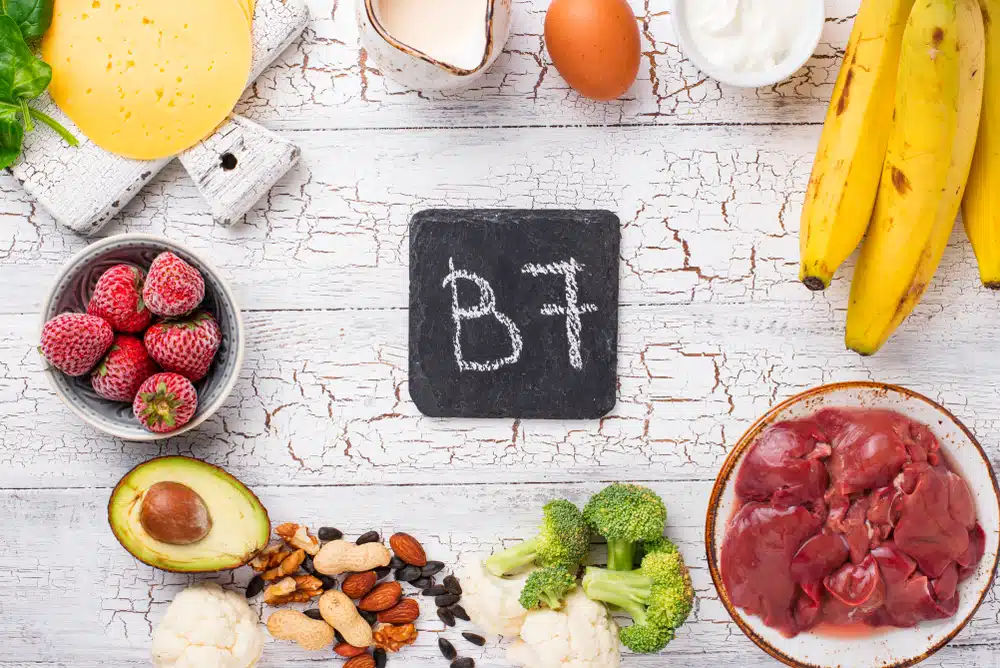
Natural Food Sources

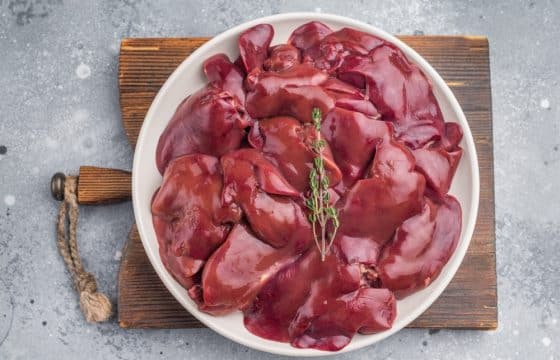
  • Liver and kidneys
  • Egg yolk
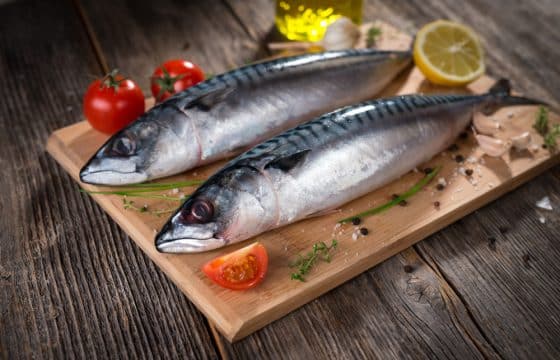
  • Sardines
  • Salmon
  • Brewers and nutritional yeast
  • Sweet potatoes

Raw feeding supports natural biotin intake, but levels can vary which is why supplementation can be beneficial.

natural sources of biotin

Supplements

High-quality supplements offer consistent, bioavailable biotin, often combined with zinc and omega-3s for enhanced results. Products like Shine Coat & Skin Supplement For Dogs are designed to support skin and coat health from the inside out, and shine contains brewer’s yeast which is exceptionally high in Biotin. Boost multivitamins for dogs supplement and Perform strength, stamina and performance for dogs supplement also contain a vitamin blend that contains biotin.

How to Get a Dog to Take More Biotin

The easiest way to increase biotin intake is through diet or a palatable supplement:

  • Mix powder supplements into raw or wet food
  • Add unfortified nutritional yeast to food

Choose products with natural ingredients and no fillers

If you’re new to supplementation, Learn more about dog supplements to understand how they fit into a balanced diet in our beginners guide to dog supplements.

dog supplements

Beginners’ Guide to Dog Supplements

READ MORE

Can Dogs Overdose on Biotin?

Biotin is water-soluble, meaning excess amounts are typically excreted in urine. As a result, toxicity is extremely rare.

However, too much of a good thing can hide the truth. Research confirms that excessive synthetic biotin can interfere with vital blood tests, potentially masking underlying health issues. By prioritising natural food sources and following balanced guidelines, you support your dog’s health without blurring the lines of their clinical reality. [5]

Shine dog coat and skin supplement

ProDog Insight: Why Biotin Works Best as Part of a Complete Approach

At ProDog, we know that biotin never works in isolation. To truly transform skin and coat health, it needs the right biological environment. By combining biotin with a species-appropriate raw diet, rich in essential fats and gut-supporting micronutrients, you ensure this vital B-vitamin is absorbed and utilised exactly as nature intended.

Our skin and coat range is built on this principle of synergy. These supports are designed to work in harmony with raw feeding, delivering consistent biotin levels alongside the specific co-factors needed to build resilience from the inside out.

Final Thoughts

Biotin for dogs plays a crucial role in supporting healthy skin, shiny coats, and strong nails. Whether you’re addressing a deficiency or simply optimising your dog’s nutrition, the right balance of diet and supplementation can make a visible difference.

Explore our full range of dog supplements to support your dog’s health and give their coat the shine it deserves with biotin for dogs.

Need help with your dog’s diet?

Contact ProDog’s expert team today for FREE tailored canine nutrition advice

Contact Us

FAQs

What are signs of biotin deficiency in dogs?

Common signs of biotin deficiency in dogs often relate to skin and coat health. These can include dry or flaky skin, a dull or brittle coat, and excessive or prolonged shedding beyond normal seasonal changes. Some dogs may also show slower coat regrowth after shedding or grooming.

In addition to visible changes, biotin deficiency can sometimes be accompanied by reduced energy levels or a general lack of vitality. Because these signs can overlap with other nutritional or health issues, it’s important to consider the dog’s overall diet and seek professional guidance before supplementing.

What foods are high in biotin for dogs?

Liver, kidneys, egg yolk, Brewers and nutritional yeast, fish, and sweet potatoes are excellent natural sources of biotin for dogs.

What can I give my dog to strengthen his nails?

Biotin is particularly effective when combined with zinc, vitamin E, and omega-3 fatty acids, as these nutrients work together to support healthy skin, strong coat growth, and overall paw condition. This combination helps maintain the skin barrier, supports hair strength, and promotes a glossy, resilient coat from the inside out.

Does biotin help with dog shedding?

Yes, biotin can help with dog shedding, particularly when shedding is linked to poor coat quality or underlying skin health. Biotin supports healthy hair growth and plays a key role in maintaining the skin barrier, which helps hair grow stronger and remain anchored in the follicle.

While biotin won’t stop natural seasonal shedding, supporting skin and coat health through adequate biotin intake can help reduce excessive or abnormal shedding over time, leading to a healthier, glossier coat. As with any supplement, results are most effective when biotin is provided as part of a balanced diet rather than in isolation.

How long does it take to see results from biotin in dogs?

Improvements in skin and coat condition usually take several weeks, as hair growth and skin repair are gradual processes. Consistency is key, and biotin works best when other nutritional needs are being met.

Can dogs get enough biotin from food alone?

Many dogs can meet their biotin needs through a well-balanced, species-appropriate diet, particularly one that includes whole food sources such as egg yolk, liver, and certain vegetables. Deficiencies are more likely to occur with imbalanced feeding or gut health disruption.

Is biotin safe for long-term use in dogs?

When provided in appropriate amounts and as part of a balanced nutritional approach, biotin is generally considered safe for long-term support. Issues are more likely to arise from excessive or unnecessary supplementation rather than from biotin itself.

Can biotin help with itchy skin in dogs?

Biotin may help support skin barrier health, which can reduce dryness and flakiness that contribute to irritation. However, itchiness can have many causes, including allergies or environmental factors, so biotin should not be seen as a standalone solution.

References

  1. Frigg M, Schulze J, Völker L. Clinical study on the effect of biotin on skin conditions in dogs. Schweiz Arch Tierheilkd. 1989;131(10):621-5. PMID: 2602924. 
  1. Staggs CG, Sealey WM, McCabe BJ, Teague AM, Mock DM. Determination of the biotin content of select foods using accurate and sensitive HPLC/avidin binding. J Food Compost Anal. 2004 Dec;17(6):767-776. doi: 10.1016/j.jfca.2003.09.015.
  1. Suchodolski, Jan S. “Microbes and Gastrointestinal Health of Dogs and Cats.” Journal of Animal Science 89, no. 5 (2011): 1520-1530..doi: 10.2527/jas.2010-3377. 
  1. National Research Council. Nutrient Requirements of Dogs and Cats. Washington, DC: The National Academies Press, 2006. doi: 10.17226/10668. 
  1. Wisconsin Diagnostic Laboratories. “Biotin Interference in Clinical Immunoassays.” Clinical Laboratory Guide, updated 2025. 

0 comments

Leave a Reply

Your email address will not be published. Required fields are marked *