




FREE DELIVERY ON RAW DOG FOOD BUNDLES & DOG SUPPLEMENTS to UK Standard Areas

Is Dry Food Good for Dogs? Pros, Cons, and Alternatives

Dry dog food dominates supermarket shelves, earns vet recommendations, and carries labels full of reassuring language about “complete nutrition” and “balanced meals.” Most dog owners feed it without question, because why wouldn’t they? But when you look at what dry dog food actually is, how it’s made, and how it compares to what dogs are biologically built to eat, a very different picture begins to emerge.

Alison Frost, Canine Nutritionist

Author: Alison Frost

Is Dry Food Good for Dogs? Pros, Cons, and Alternatives

Blog in 60 Seconds

In this guide, you will learn:

  • Exactly what dry dog food is, how it’s manufactured, and why high-heat processing can significantly impact nutrient quality and digestibility
  • The different types of dry dog food available. From standard kibble to higher-meat and cold-pressed options, and how their quality truly differs
  • How dry food compares to wet food across key nutritional factors, including moisture content, protein levels and biological suitability
  • The common issues linked to dry dog food that aren’t always obvious on the packaging, from hidden carbohydrates to ultra-processing
  • What healthier, species-appropriate alternatives look like, and how to transition your dog safely and confidently to a more natural diet

With years of experience in raw feeding and canine nutrition, I’ve spent my career helping dog owners understand what their dogs truly need to thrive. I’ve worked with hundreds of dogs across every breed, life stage, and health situation, and throughout that work, I’ve seen one pattern repeat itself: when we get the diet right, so much else starts to fall into place.

I also know how confusing this space can be. The marketing is convincing, the labels are designed to reassure, and dry food has been the industry default for so long that questioning it can feel radical. In this guide, I want to cut through the noise and give you a clear, honest, evidence-based picture of what dry food actually is so you can make the best decision for your dog.

What Is Dry Dog Food?

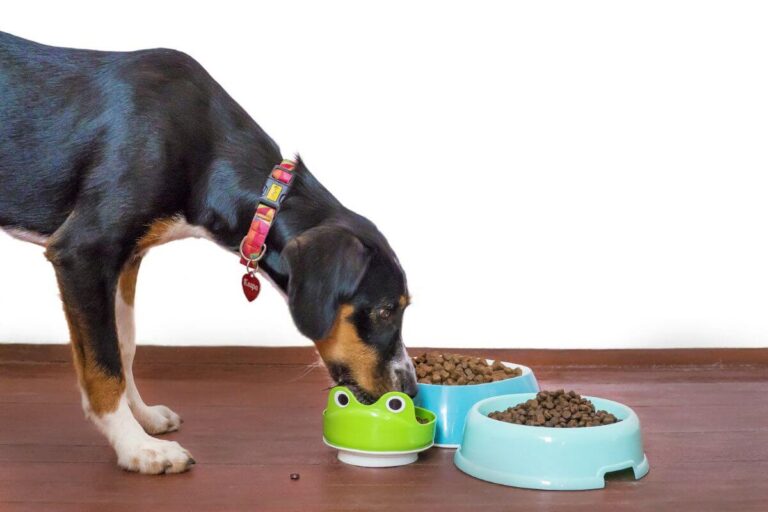
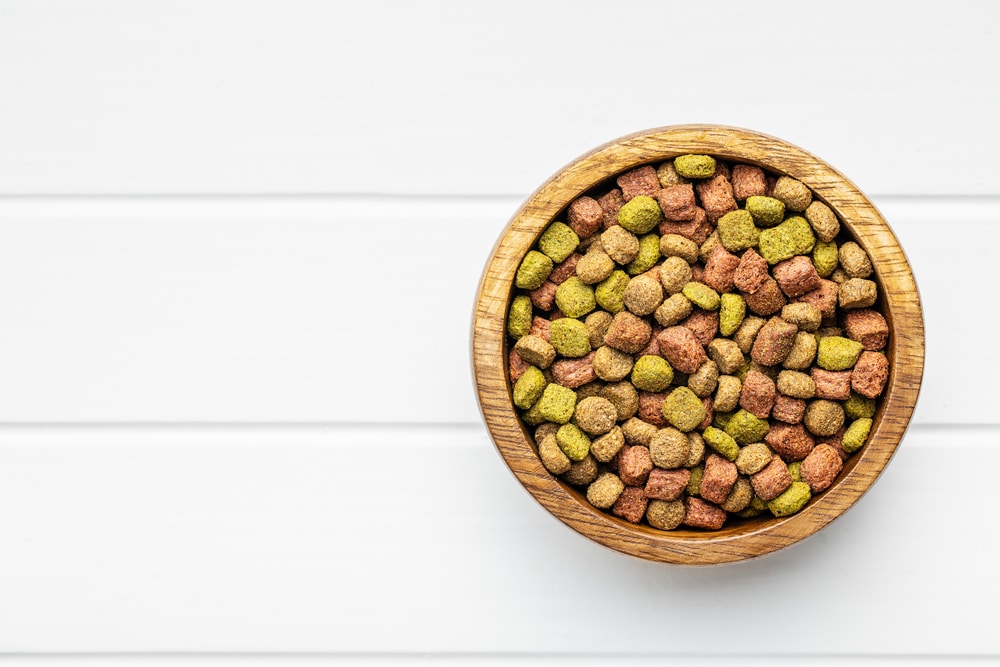
Dry dog food, most commonly known as kibble, is a highly processed dog food product made by combining ingredients such as meat and fish meal, grains, starches, vegetables, oils, and synthetic additives, and cooking them at extremely high temperatures through a process called extrusion. The result is the uniform, shelf-stable pellet that fills the majority of dog food bags on the market today.

What is kibble featured image (1) dog lying on wooden floor surrounded by kibble

What Is Kibble Dog Food?

READ MORE

The key word here is processed. Unlike fresh or raw ingredients, the extrusion process exposes nutrients to intense heat and pressure, which degrades natural proteins, destroys heat-sensitive vitamins, and alters the structure of fats. To compensate, manufacturers add synthetic vitamins and minerals back in after processing, which is why you’ll see long lists of added supplements on most kibble ingredient labels.

Dry dog food typically contains between 20–30% protein, 10–15% fat, and 30–60% carbohydrates, a macronutrient profile that bears little resemblance to the diet dogs evolved eating.

what is dry dog food?

The Different Types of Dry Dog Food

Not all dry dog food is the same, and understanding the categories helps explain why quality varies so dramatically.

Standard Kibble

This is the most widely available and affordable option. Typically made with low-grade meat meals, high grain or starch content (corn, wheat, rice, soy), and a long list of synthetic additives. Meat content is often lower than it appears on the label because ingredients are listed pre-cooking, once moisture is removed, the actual meat contribution shrinks significantly.

"Premium" or Grain-Free Kibble

Marketed as a higher-quality alternative, these products often replace grains with alternative starches such as peas, lentils, or sweet potato. Meat content is usually higher. However, the fundamental issue remains: the product is still heavily processed through extrusion, still relies on synthetic nutrient replacement, and still delivers a carbohydrate level far beyond what a dog’s biology requires. The bag may look different, but the process is largely the same.

Cold-Pressed Kibble

A newer category that uses lower processing temperatures than standard extrusion. This preserves more of the natural nutrient profile than traditional kibble and is considered a step up in quality. However, cold-pressed food is still a processed product, and most dogs would benefit from a diet with higher moisture content and less processing overall.

Raw-Coated Kibble

Some products spray a raw or freeze-dried coating over standard kibble to appeal to health-conscious owners. The coating adds minimal nutritional value relative to the underlying ultra-processed base. I’d describe this as marketing innovation rather than meaningful nutritional improvement.

Is Dry Food Good for Dogs? The Direct Answer

Dry dog food is not optimal nutrition for dogs. It can sustain life, and many dogs live reasonable lives eating it, but “sustaining life” is a low bar. Do you think us humans would have a healthy life, if we ate only processed food, without any fresh additions?

Dogs are facultative carnivores whose digestive systems are built around fresh meat, bone, and organ tissue. Dry kibble, regardless of quality tier, is a heavily processed product — manufactured under high heat and pressure conditions, that research can reduce amino acid digestibility and metabolisable energy compared to minimally processed alternatives like raw and fresh diets.[1]

That said, I never judge owners for feeding dry food. For many people it’s what they know, what their vet recommended, and what fits their budget and lifestyle. This guide isn’t about creating guilt, it’s about giving you the facts so you can make the best decision for your dog. And if feeding 100% natural ingredients isn’t possible right now, even small additions of raw food and natural ingredients to your dog’s bowl can make a real difference.
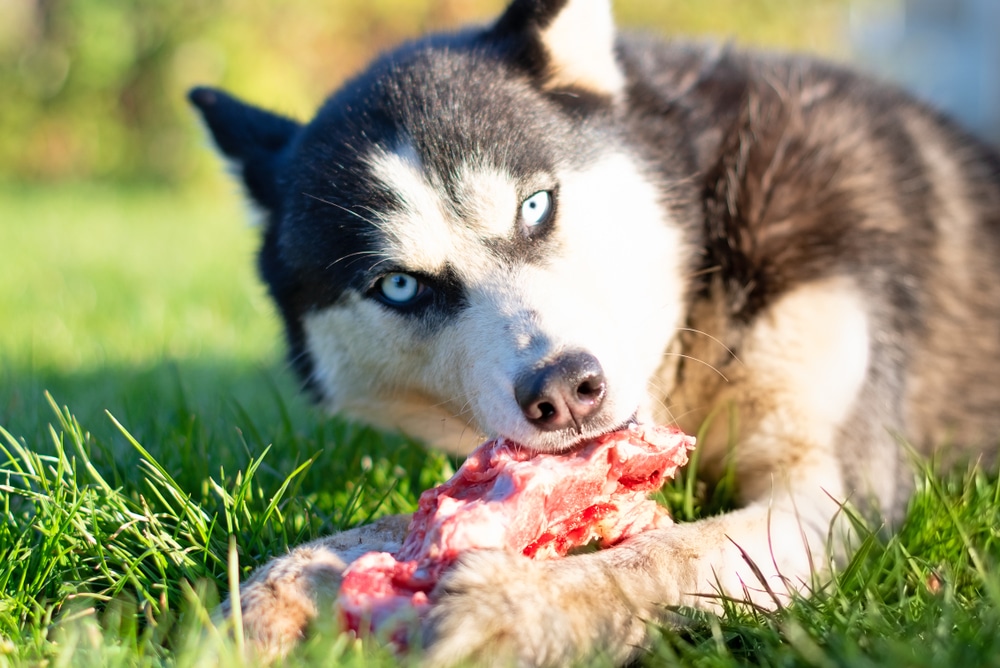
dogs and raw diets

Dry Dog Food vs Wet Dog Food: How Do They Compare?

Both wet and dry food are processed products, but they differ in several meaningful ways. (By ‘wet food’ we mean the tinned and pouch varieties lining supermarket and pet shop shelves — not raw food, which is a different category entirely.) 

  Dry Dog Food  Wet Dog Food 
Moisture content  6–10%  70–85% 
Protein quality  Often meat meal (rendered, lower bioavailability)  Often fresher meat sources 
Carbohydrate content  High (30–60%)  Lower 
Processing temperature  Very high (extrusion)  High (sterilisation) 
Dental health  Minimal benefit despite common claims  No mechanical cleaning benefit 
Convenience  High — shelf stable, easy to store  Lower — shorter shelf life once opened 
Hydration support  Low — dogs must drink more water  Higher — supports natural hydration 
Cost  Generally lower  Generally higher 

The hydration difference is significant. Because dry diets contain as little as 6–10% moisture compared to 70–85% in wet or fresh foods, concerns have been raised about whether dogs can fully compensate through voluntary drinking. Over time, chronic low-level dehydration can place strain on the kidneys and urinary tract, something I’ve seen come up repeatedly in dogs presenting with urinary issues. 

Wet food is a meaningful step up from dry in terms of moisture and often protein quality, but it’s still processed, often contains added sugar and is a heat-treated product. It doesn’t represent species-appropriate nutrition in the way that fresh or raw food does. 

Need help with your dog’s diet?

Contact ProDog’s expert team today for FREE tailored canine nutrition advice

Contact Us

The Problems with Dry Dog Food

High Carbohydrate Content

Dogs have no dietary requirement for carbohydrates. [2] Their bodies are designed to derive the energy they need from protein and fat. Their digestive systems produce limited amylase, the enzyme needed to break down starch, compared to omnivores. Yet standard kibble contains anywhere from 30–60% carbohydrates by dry matter, primarily to hold the pellet together during extrusion. This level of starch in the diet can contribute to blood sugar spikes, weight gain, poor digestive health, and over time, inflammatory conditions.

Low Moisture Content

A wild canid gets the majority of its water intake from prey. Dry food provides almost none. Dogs fed exclusively on dry food rely entirely on their water bowl to meet hydration needs, [3] and for any dog who’s a reluctant drinker, that’s a problem . The kidneys, urinary tract, and digestive system all function better with adequate hydration built into the diet.

Nutrient Degradation Through Processing

The extrusion process destroys heat-sensitive nutrients including certain B vitamins, vitamin C, and natural enzymes. Synthetic versions are added back in, but synthetic and naturally occurring nutrients don’t always behave identically in the body. Bioavailability, how well the body can absorb and use a nutrient, can differ significantly between natural and synthetic sources.

Meat Meal and Ingredient Quality

Many dry dog foods use “meat meal” rather than fresh meat. Meat meal is a rendered product made by cooking down animal tissue at high temperatures to remove moisture and fat, leaving a dry powder. The source of that animal tissue isn’t always clearly defined — “meat meal” and “animal derivatives” are legally vague terms that can include a wide range of materials. This is a far cry from the muscle meat, bone, and organ tissue that forms the basis of a species-appropriate diet.

Ultra-Processing and Long-Term Health

Research into ultra-processed food, in human nutrition studies, increasingly points to associations between highly processed diets and chronic inflammatory conditions, gut microbiome disruption, and metabolic issues,[4] and emerging evidence suggests dogs are no different. Dogs eating primarily dry ultra-processed food are often operating with a gut microbiome less diverse than those eating fresh food. A less diverse microbiome is increasingly linked to poorer immune function, skin health, and digestive resilience.

The Dental Health Myth

One of the most persistent claims about dry dog food is that it cleans teeth. In reality, the mechanical action of biting through a soft, starchy kibble pellet provides negligible dental cleaning, and the starch itself can contribute to plaque build-up. Raw meaty bones provide genuine mechanical dental cleaning; kibble does not. Discover more in our guide to Feeding Bones to Dogs.

What Are the Healthier Alternatives to Dry Dog Food?

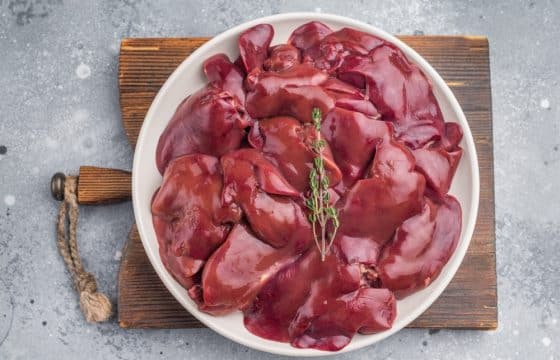
The gold standard for canine nutrition for most dogs is a species-appropriate, raw food diet, that closely mirrors what dogs are biologically designed to eat: fresh meat, raw meaty bones, and organ tissue, with natural additions where appropriate.

A FEDIAF-compliant complete raw diet delivers the right balance of muscle meat, bone, and organ tissue, with naturally occurring nutrients in their most bioavailable forms. Not packed with synthetic additives to compensate for the degradation of natural nutrients. No starch binders. No extrusion. No preservatives. Just real balanced food.

At ProDog, every complete raw meal is formulated by qualified canine nutritionists to meet FEDIAF nutritional standards. The result is a diet that supports dogs from the inside out — better digestion, healthier skin and coat, steadier energy, and a gut microbiome that functions as it should.

Discover more about the benefits of feeding a raw diet in our article: The Benefits of Raw.

Two dogs eating and enjoying the benefits of raw dog food

Top 12 Health Benefits of Raw Feeding Your Dog

READ MORE
dog eating raw food

Transitioning Away from Dry Food

Transitioning from dry food to raw is more straightforward than most people expect, and the majority of dogs adapt well. There are a few different methods to make the switch, and the right approach depends on your dog’s age, health, and how their digestion responds to change. You can find full guidance on each method, what to expect, and how to manage the transition confidently in our Guide to Switching to Raw.

changing dogs food featured image (1)

Switching Your Dog to Raw | Advice For Changing Dogs’ Food

READ MORE

To make sure you’re feeding the right amount from day one, our raw dog food calculator takes the guesswork out of portion sizing. Simply enter your dog’s weight, age, and activity level and it does the rest.

If a complete switch feels like too big a step right now, that’s completely fine. Adding fresh food alongside your dog’s existing diet is a worthwhile starting point, and even partial raw feeding moves things in the right direction. Every step toward species-appropriate nutrition counts.

When you’re ready to go further, our Raw Feeding Guide covers everything you need to feed a species-appropriate raw diet with confidence and myself, and the team are always on hand to answer your questions.

FAQs

Is it okay to feed a dog dry food only?

Technically dogs can survive on dry food alone, but it’s not the optimal way to feed them. Dry-only diets are low in moisture, high in carbohydrates, and rely heavily on synthetic nutrients to compensate for what’s destroyed during processing. Dogs are biologically designed for a diet much closer to fresh meat, bone, and organ tissue. A dry-only diet may be convenient, but it’s some distance from what their digestive systems are built for.

What are the disadvantages of dry dog food?

The main disadvantages of dry dog food are: very low moisture content (typically 6–10%), which can contribute to chronic dehydration; high carbohydrate levels (30–60%) that dogs don’t need and aren’t designed to process in large amounts; reliance on synthetic vitamins to replace nutrients destroyed during the extrusion process; and ingredient quality that is often difficult to assess from the label alone. Long-term, a heavily processed diet may also negatively affect the gut microbiome and overall digestive health.

Is it good to feed dogs dry food?

Dry food can sustain a dog’s life, but it isn’t the most nutritionally optimal choice. When you compare dry food to what dogs are biologically designed to eat; fresh meat, bone, and organ tissue, the gap is significant. That said, not all dry food is equal, and owners doing their best with dry food are not doing their dogs harm. The goal is to move toward better nutrition when you’re able to, not to feel judged for where you are right now.

Should dogs eat dry food all the time?

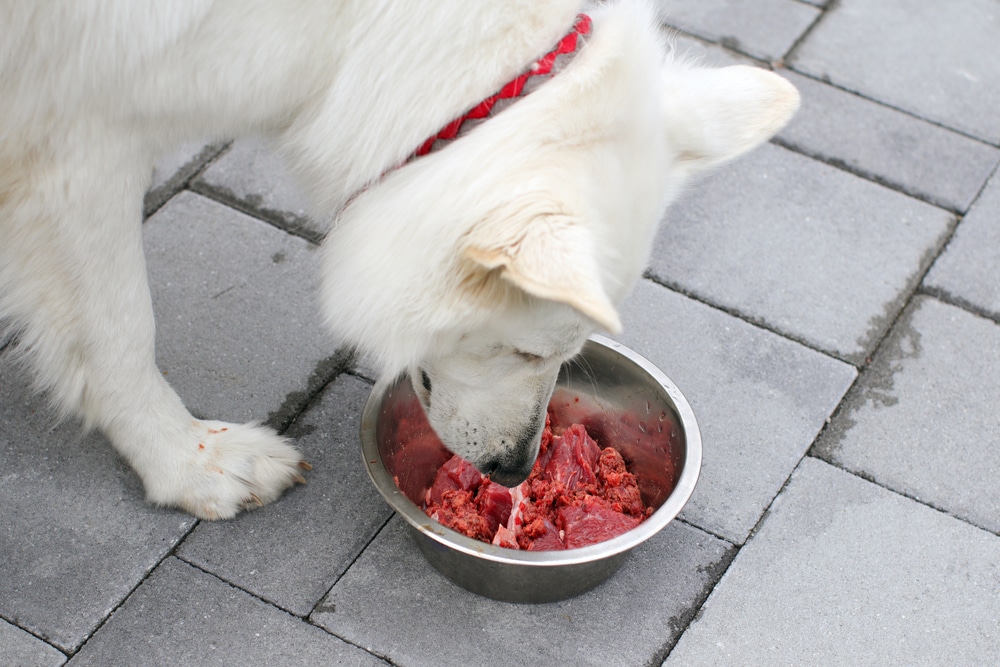
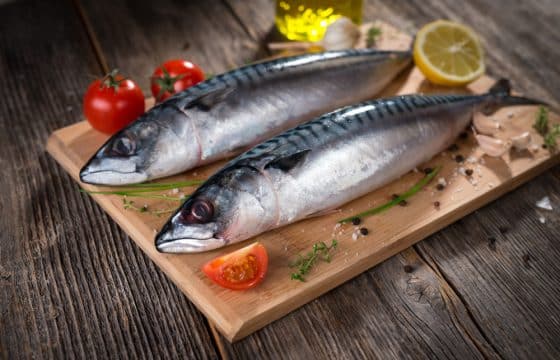
Feeding dry food exclusively is the least optimal approach, primarily due to the chronic low moisture intake. If dry food is what you’re feeding, ensuring your dog always has access to fresh water is essential. Where possible, introducing wet food, raw additions, or transitioning to a fresh food diet can meaningfully improve hydration and overall nutrition. Even small additions of fresh food, an egg, some oily fish, cooked or raw meat, some vegetables make a positive difference.

Does dry dog food clean dogs' teeth?

This is one of the most common misconceptions in canine nutrition. The claim that kibble cleans teeth has been widely repeated but isn’t well supported. The mechanical action of biting through a soft starchy pellet provides minimal cleaning, and the starch in kibble can actually contribute to plaque. Raw meaty bones provide genuinely effective mechanical dental cleaning in a way dry food cannot replicate.

Why is dry dog food so commonly recommended by vets?

Veterinary training historically includes relatively limited formal nutrition education, and much of it has been influenced by commercial pet food companies who sponsor veterinary schools and provide educational materials. This doesn’t mean vets are wrong to suggest what they suggest, they’re working with the information available to them. But it does explain why dry food has become the default recommendation despite the evidence pointing toward fresh food as a superior nutritional choice.

Can I mix dry food and raw food?

This is a topic with varying opinions. Many dogs do fine with mixed feeding, and for some owners it’s a practical halfway point. My recommendation is to transition fully to raw where possible, as a complete raw diet is the most nutritionally coherent approach. If mixing works as a transitional step toward feeding more raw over time, that’s a sensible approach. Use our raw dog food calculator to portion correctly when mixing.

What should I look for in a dry dog food if I continue feeding it?

If you’re continuing with dry food, look for: a named meat source as the first ingredient (not “meat meal” or “animal derivatives”); minimal grain or starch fillers; no artificial colours, flavours, or preservatives; and ideally cold-pressed rather than extruded where budget allows. The shorter and more recognisable the ingredient list, the better. A consultation with our nutrition team can help you evaluate your current food and identify the best next steps for your dog.

References

  1. Geary, E.L., Parsons, C.M., Utterback, P.L., Templeman, J.R., & Swanson, K.S. (2023). Standardized amino acid digestibility and nitrogen-corrected true metabolizable energy of frozen raw, freeze-dried raw, fresh, and extruded dog foods using precision-fed cecectomized and conventional rooster assays. Journal of Animal Science, 101, skad377. Doi:10.1093/jas/skad377 
  1. Kayser, E., Finet, S. E., & de Godoy, M. R. C. (2024). The role of carbohydrates in canine and feline nutrition. Animal Frontiers14(3), 28–37. Doi: 10.1093/af/vfae017 
  1. Sires, R., Yamka, R., & Wakshlag, J. (2025). Feeding fresh food and providing water ad libitum is clinically proven to exceed calculated daily water requirements and impact urine relative supersaturation in dogs. Frontiers in Veterinary Science, 12, 1675990. Doi: 10.3389/fvets.2025.1675990 
  1. Rondinella, Debora, Pauline Celine Raoul, Eleonora Valeriani, Irene Venturini, Marco Cintoni, Andrea Severino, Francesca Sofia Galli, Vincenzina Mora, Maria Cristina Mele, Giovanni Cammarota, Antonio Gasbarrini, Emanuele Rinninella, and Gianluca Ianiro. “The Detrimental Impact of Ultra-Processed Foods on the Human Gut Microbiome and Gut Barrier.” Nutrients 17, no. 5 (February 2025). https://doi.org/10.3390/nu17050859. 


0 comments

Leave a Reply

Your email address will not be published. Required fields are marked *