



The Complete Guide To Caring for Older Dogs

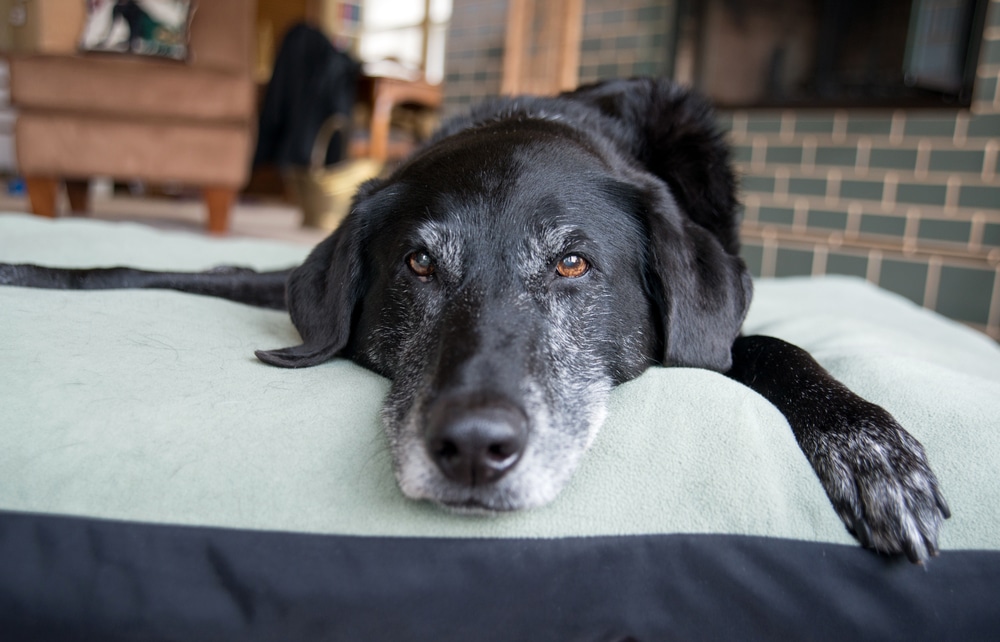
Caring for older dogs is one of the most rewarding things you’ll do as an owner, and one of the most powerful times to get nutrition right. The grey muzzle, the slower pace, the stiffness after rest aren’t just signs of age; they’re signs that your dog’s body is asking for more targeted support. Genetics, lifestyle, and environment all shape how your dog ages, but nutrition is one of the most significant levers you have. The senior years aren’t a winding down, they’re an invitation to be more intentional about what goes in the bowl.

Alison Frost, Canine Nutritionist

Author: Alison Frost

The Complete Guide To Caring for Older Dogs

Blog in 60 Seconds

In this guide, you will learn:

  • When your dog is classed as a senior, and why breed and size change everything
  • How an older dog’s nutritional needs shift, and what to feed to support healthy ageing
  • Which supplements make a genuine difference for ageing joints, immunity, and cognitive function
  • How to adapt your home and daily routine to keep your senior dog comfortable and confident
  • What the signs of declining quality of life look like, and how to tell the difference between normal ageing and something that needs attention

As an experienced canine nutritionist and advocate for a holistic approach to dogs’ health I have been fortunate enough to be the custodian of a few senior dogs in my time, as well as advising countless others on caring for their older dogs. There is something truly special about sharing your life with a dog in their golden years; a depth of bond, a quiet understanding, that is unlike any other. But it also comes with its own set of questions, challenges, and responsibilities. Over the years, what has struck me most is how much of a difference the right knowledge can make. Senior dogs are not simply older versions of their younger selves, their nutritional needs shift, their bodies change, and what supported them at two years old may not be what serves them best at ten. Through my work, I have seen time and again how a species-appropriate, fresh diet can contribute to vitality, help maintain joint mobility, and support healthy ageing from the inside out.

My hope is that this guide gives you the clarity and reassurance to make informed, empowered choices for the dog who has given you so much.
What Does "Senior Dog" Actually Mean?

There’s no universal age at which a dog becomes a senior. Understanding this is the first step to getting their care right.

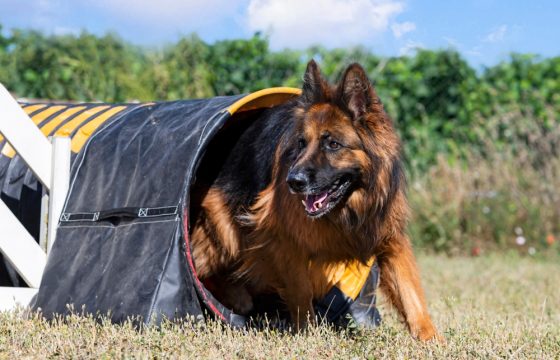
As a general guide, small breeds (under 10 kg) which include the Yorkshire Terrier are typically considered senior from around 10–12 years; medium breeds including Cocker Spaniels from around 8–9 years; large breeds, such as the German Shepherd from around 7 years; and giant breeds like the Newfoundland as early as 5–6 years. This isn’t arbitrary, larger breeds age faster at a cellular level, their bodies running through the stages of life at an accelerated pace, a pattern that scientists have linked directly to body mass. The bigger the dog, the faster the biological clock runs. [1] Rather than going by age alone, it’s worth watching for functional changes: a shift in energy levels, slower recovery after exercise, changes in coat condition, or subtle stiffness when getting up. These signals are often more reliable than a birthday.

older German shepherd

How a Senior Dog's Needs Change

Older dogs aren’t just adult dogs that move a little slower. Their bodies are working differently, and their diet, routine, and environment all need to reflect that.

Energy and metabolism

Most senior dogs become less active, so caloric needs decrease but nutritional quality needs to increase.. Getting this balance right is where species-appropriate, whole food nutrition has a clear edge over ultra-processed diets that rely on fillers rather than meaningful nutritional density.

Joint and musculoskeletal health

Cartilage thins, connective tissue becomes less elastic, and joints that have spent years working hard start to feel it. Supporting healthy joint function becomes one of the most important priorities in senior care.

Immune function. The immune system becomes less efficient with age. [2] Antioxidant-rich nutrition, omega-3 fatty acids, and polyphenol-rich whole food ingredients all help support immune resilience as dogs age.

Cognitive function

Canine Cognitive Dysfunction (CCD) is more common than many owners realise. Research suggests that around 1 in 4 geriatric dogs, aged over 11 years, shows signs of cognitive decline, and the proportion rises significantly with age The risk is also significantly higher in females and neutered dogs [3]. Symptoms include disorientation, changes in sleep-wake cycles, increased anxiety, and altered social behaviour. It is also suggested that omega-3 fatty acids, particularly DHA, can support cognitive function in ageing dogs, with the most consistent benefits seen at higher doses [4], making targeted nutritional support genuinely worthwhile.

Digestive changes

Enzyme production reduces and the gut microbiome can shift in ways that affect absorption. Bioavailability becomes especially important; nutrients from raw, whole food sources are far more readily absorbed than synthetic equivalents in heavily processed food.

Feeding an Older Dog: Getting Nutrition Right

This is where I see the biggest gap between good intentions and good outcomes for senior dogs.

Why Senior Dogs Often Need More, Not Less

The common assumption is that older dogs need less food. In terms of calories, that’s often true but in terms of nutritional quality, senior dogs frequently need more. Nutrient absorption decreases with age, oxidative stress increases, and the body’s ability to synthesise certain compounds declines. Feeding a low-calorie, heavily processed senior kibble often means delivering fewer nutrients in a less bioavailable form at precisely the life stage when quality matters most.

The Case for Species-Appropriate Nutrition

Raw, species-appropriate diets provide nutrients in their most bioavailable form; no heat damage, no synthetic additives, no fillers. For senior dogs, this matters enormously. The benefits of raw dog food don’t diminish with age; if anything, the advantages become more significant. Our senior raw dog food range is formulated with the changing needs of older dogs in mind, appropriate protein levels to maintain lean muscle mass, naturally occurring omega-3 fatty acids, and whole food ingredients that are easier on the ageing digestive system.

Two dogs eating and enjoying the benefits of raw dog food

Top 12 Health Benefits of Raw Feeding Your Dog

READ MORE

Protein: Don’t Cut It, Maintain It

There’s a persistent myth that older dogs need lower-protein diets to protect the kidneys. Research consistently shows that protein restriction does not benefit healthy older dogs, in fact, senior dogs need more protein, not less, to combat the natural muscle loss that comes with age [5] Unless a dog has a diagnosed kidney condition, I recommend maintaining good quality protein levels in the senior diet, not reducing them.

older dogs need more protein

Omega-3 Fatty Acids

EPA and DHA from marine sources are among the most well-evidenced nutrients for senior dog support, contributing to joint health, cognitive function, immune resilience, and skin and coat condition. Cold-water oily fish, fish oils, and raw dog food formulations that include these sources naturally are particularly valuable for older dogs.

nourishing skin health

Nourishing Skin Health: A Comprehensive Approach for Pet Wellness

READ MORE

Plant Fibre and Antioxidant-Rich Whole Foods

Senior dogs benefit from increased plant fibre as metabolism slows and digestion can become sluggish. Lightly steamed vegetables like broccoli, kale, spinach, and sweet potato provide fibre alongside valuable antioxidants. Berries such as blueberries, raspberries and strawberries are excellent additions, as are small amounts of pumpkin and carrots. Free radicals accumulate in the body over time, and these whole food sources are one of the most practical ways to counter the oxidative stress that accelerates cellular ageing.

Hydration

Older dogs are more prone to dehydration, and many are not great drinkers. Raw food has a naturally high moisture content, typically 60–70%, which contributes meaningfully to daily fluid intake in a way that dry food simply cannot.

hydration in dogs

Senior Dog Supplements: What Actually Makes a Difference

Whole food nutrition is the foundation. But for many older dogs, targeted supplementation bridges important gaps.

ProDog’s high-specification joint supplement for dogs; Flexx is formulated with 11 all-active ingredients including glucosamine, chondroitin, green-lipped mussel, Boswellia, turmeric, and MSM. These work together to help maintain healthy joint fluid and connective tissue, support freedom of movement, and contribute to a balanced inflammatory response. Flexx is also a rich source of omega-3 fatty acids, making it doubly valuable for senior dogs. Simply sprinkle over any meal.

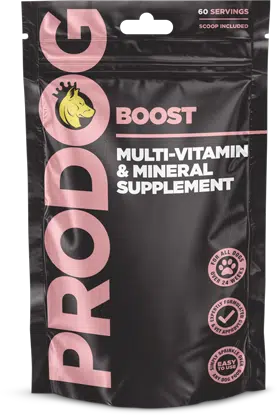
Boost multivitamins for dogs supplement delivers 28 vitamins and minerals alongside antioxidants, probiotics, and hemp protein in every scoop. Boost includes medicinal mushrooms such as Reishi, which support immune health and liver function, making it a comprehensive daily nutritional addition for senior dogs, particularly those on 80:10:10 or homemade diets.

Revive recovery and support for dogs supplement is great for older dogs who seem to have lost their spark, are less energetic on walks, slower to recover and less engaged. Revive offers targeted nutritional support. Formulated with green tea, chlorella, NAC, and amino acids, it supports the body’s natural energy mechanisms, aids recovery, and helps maintain immune resilience. Revive’s antioxidant profile also provides a strong nutritional foundation for supporting cognitive function in ageing dogs.

As dogs age, their bodies naturally produce fewer digestive enzymes, meaning they become less efficient at breaking down and absorbing nutrients even from a high-quality diet. Digest dog gut health supplement contains digestive enzymes alongside digestive herbs, prebiotics, and antioxidants to support fat digestion, pancreatic function, gallbladder health, and the gut microbiome. When the gut is working well, every other system benefits: immunity, energy, coat condition, and mood.

Probiotics

Probiotics work to balance gut bacteria, help restore intestinal lining, and are vital to healthy immune function and hence overall health. Beneficial bacteria within the gut contributes to effective digestion and a healthy gut environment that is intrinsically linked to the body’s other systems. Adding fermented vegetables, such as sauerkraut, and kefir are great natural ways to naturally boost good bacteria in the gut. Supplements can help also, such as ProDog’s soil-based liquid probiotics for dogs, Reset, recommended for long-term use and gut health maintenance; especially helpful for senior dogs.

Bone Broth

Bone broth’s natural nutrient content; collagen, calcium, magnesium, and essential amino acids, supports joint health, digestive integrity, and liver and kidney function. It’s also a practical solution for older dogs that have become picky eaters, as the warmth and aroma makes meals more appealing. ProDog’s bone broths for dogs are a simple, nourishing addition to any senior dog’s bowl.

Explore the full senior dog supplements range to find the right combination for your dog’s needs.

Need help with your dog’s diet?

Contact ProDog’s expert team today for FREE tailored canine nutrition advice

Contact Us

Adapting Your Home and Routine

Small changes make a significant difference to an older dog’s comfort and independence.

Flooring. Non-slip rugs on smooth floors give older dogs secure footing, particularly those with joint changes or reduced muscle strength.

Ramps and steps. A ramp to the sofa, bed, or car boot removes a significant daily strain. Introduce them gradually. Some older dogs are wary of new equipment, so reward calm investigation and let them set the pace.

Beds. Orthopaedic beds make a real difference for dogs with joint discomfort. Position them away from draughts, low enough for easy access, and somewhere your dog won’t be disturbed.

Water access. Place bowls at multiple points around the home, including near your dog’s sleeping area. Raised water bowls can also be more comfortable for dogs with neck or back stiffness.

Exercise. Daily movement remains essential. The approach shifts rather than stops. Two or three shorter, lower-intensity walks spread through the day are often better suited to older dogs than one long one. Consistent, gentle movement supports joint health, muscle maintenance, and mental wellbeing. Hydrotherapy is worth considering for dogs with significant joint changes.

Routine and mental stimulation. Older dogs find comfort in predictability, particularly those showing signs of cognitive changes. Keep mealtimes, walks, and sleep schedules consistent. Puzzle feeders, scent-based games, and calm training sessions provide low-impact mental engagement that helps slow cognitive decline and eases anxiety.

adapting the home for an older dog

Socialisation for Senior Dogs

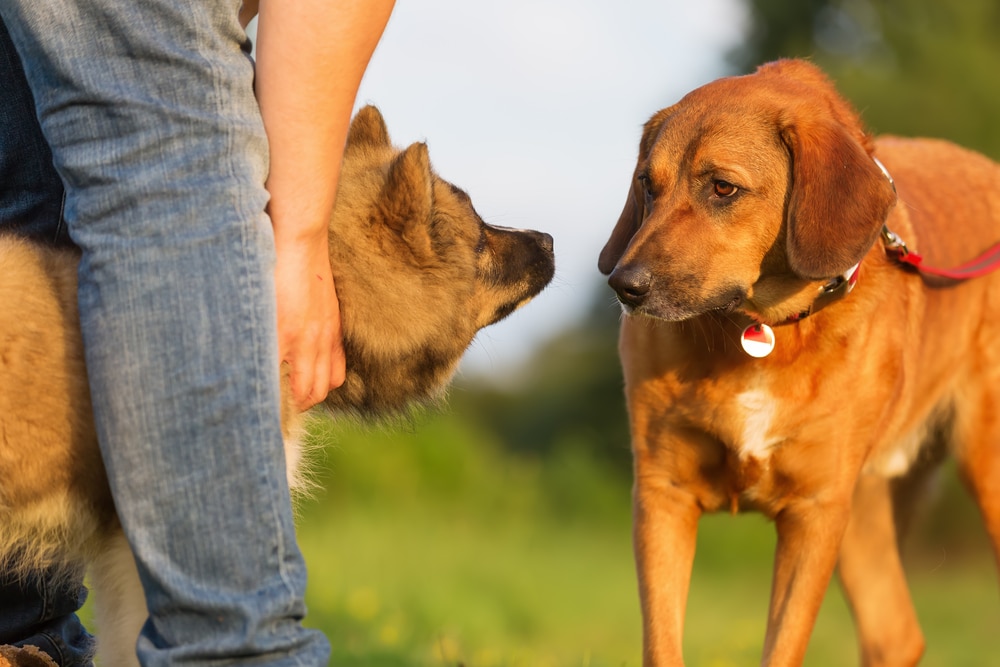
Older dogs often become less tolerant of boisterous younger dogs, unfamiliar visitors, noise, and unpredictability. This isn’t a personality shift. It’s a natural response to physical vulnerability: a dog that finds it harder to move quickly will feel more anxious in situations that demand fast reactions.

Respect this. Give your older dog more space during social interactions, ensure they have a retreat they can use freely, and don’t push them into situations they’re clearly uncomfortable with. If you have younger or more energetic dogs in the household, manage their time together carefully so your senior gets undisturbed rest.

At the same time, don’t over-isolate a dog that has previously enjoyed social contact. Familiar people, calm dogs they know, and gentle engagement continue to support emotional wellbeing throughout the senior years. The goal is quality over quantity: meaningful, low-pressure connection rather than the social demands of their younger years.

socialising older dogs

Signs That a Senior Dog's Quality of Life Is Declining

Knowing the difference between normal ageing and something that needs attention is one of the most important skills a senior dog owner can develop.

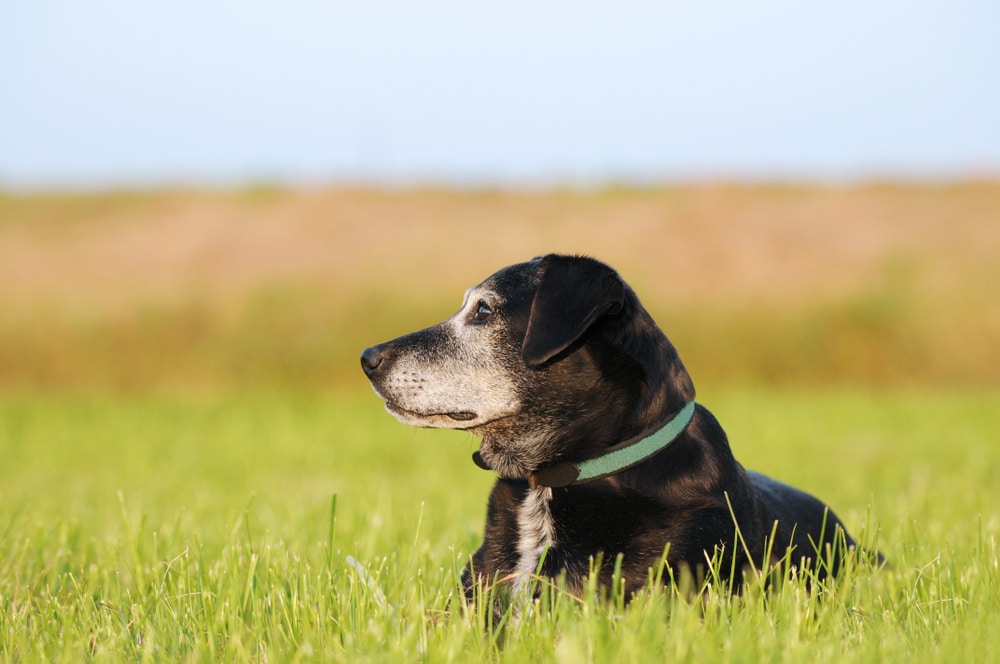
Normal age-related changes include a greying muzzle, slower pace, more sleep, and stiffness after rest that eases with gentle movement.

Signs that warrant a vet check include sudden changes in appetite or thirst, unexplained weight loss or gain, difficulty getting up that doesn’t ease with movement, changes in house-training, disorientation, persistent coughing or laboured breathing, and significant personality changes.

Signs a dog may be approaching end of life include loss of interest in food and water, inability to stand, laboured or irregular breathing, and withdrawal from interaction. These signs don’t always mean death is imminent. Some are treatable but they do mean a compassionate conversation with your vet is needed

Caring for Older Dogs: The Senior Years Done Right

With the right foundations in place, the senior years can be genuinely vibrant ones which include active joints, clear eyes, good digestion, and the energy to still enjoy every walk. That’s what species-appropriate nutrition and thoughtful senior care makes possible.

Every dog is different, and the best plan is built around your individual dog. Our nutrition team is here to help you build exactly that with free, tailored advice from experts who’ve supported hundreds of dogs through their golden years. Explore our senior dog supplements and senior raw dog food range, or browse the full raw dog food collection to find the right foundation for your dog’s next chapter.

Have questions about your senior dog’s nutrition? Get in touch – I am always on hand to help with your nutritional enquiries.

FAQs

At what age is a dog classed as senior?

It depends on breed and size. Giant breeds may enter their senior years as early as 5–6 years, large breeds around 7, medium breeds around 8–9, and small breeds often not until 10–12. Watch for functional signs; reduced energy, stiffness, coat changes, alongside age.

Do older dogs need a walk every day?

Yes. Daily exercise remains important throughout the senior years. Two or three shorter, lower-intensity walks spread through the day are often better suited to older dogs than one long walk. Consistent, gentle movement supports joint health, muscle maintenance, and mental wellbeing. That said, every dog is different. Some older dogs thrive on regular outdoor walks, while others, particularly those with mobility issues or chronic pain, may benefit just as much from light activity closer to home, such as sniffing games, gentle play in the garden, or puzzle feeders. The goal is to keep them moving and mentally engaged in whatever way suits them best.

What should I feed an older dog?

Senior dogs benefit from high-quality, species-appropriate nutrition providing easily absorbed protein, omega-3 fatty acids, antioxidants, plant fibre, and adequate hydration. Raw, whole food diets deliver nutrients in their most bioavailable form, without the fillers and heat damage of ultra-processed dog food. Avoid reducing protein without veterinary guidance, maintaining lean muscle mass is a key priority.

What are the signs a dog's quality of life is declining?

Key indicators include loss of interest in food and water, difficulty rising, significant changes in house-training, disorientation, persistent pain responses, and withdrawal from social interaction. Always speak to your vet. Many of these have treatable causes when caught early.

Can older dogs get dementia?

Yes. Canine Cognitive Dysfunction (CCD) becomes significantly more common after age 10. Signs include disorientation, altered sleep-wake cycles, loss of house-training, and increased anxiety. Nutritional support, particularly omega-3 fatty acids and antioxidants, alongside cognitive enrichment can help support a dog showing early signs.

Are senior dog supplements worth it?

For many older dogs, yes. Flexx supports joint mobility and connective tissue; Boost delivers comprehensive dog multivitamins, minerals, and antioxidants; Revive recovery and support for dogs supports energy, recovery, and immune resilience; and Digest gut health for dogs provides digestive enzymes and gut support to maintain nutrient absorption as the digestive system ages. The key is targeted support based on your dog’s individual needs.

References

  1. Selman, C., Nussey, D. H., & Monaghan, P. (2013). Ageing: It’s a dog’s life. Current Biology, 23(10), R451–R453. Doi: 10.1016/j.cub.2013.04.005 
  2. McKenzie, B. A. (2025). Immunosenescence and inflammaging in dogs and cats: A narrative review. Journal of Veterinary Internal Medicine. https://doi.org/10.1111/jvim.70159
  3. Azkona, G., García-Belenguer, S., Chacón, G., Rosado, B., Leon, M., Palacio, J. (2009). Prevalence and risk factors of behavioural changes associated with age-related cognitive impairment in geriatric dogs. Journal of Small Animal Practice, 50(2), pp. 87–91. 
  4. Blanchard, T., Eppe, J., Mugnier, A., Delfour, F., & Meynadier, A. (2025). Enhancing cognitive functions in aged dogs and cats: A systematic review of enriched diets and nutraceuticals. GeroScience, 47, 2925–2947. Doi: 10.1007/s11357-025-01521-z
  5. Laflamme, D.P. (2008). Pet food safety: Dietary protein. Veterinary Clinics of North America: Small Animal Practice, 38(5), 1079–1098. Doi: 10.1053/j.tcam.2008.04.009 

0 comments

Leave a Reply

Your email address will not be published. Required fields are marked *