FREE DELIVERY ON RAW DOG FOOD BUNDLES & DOG SUPPLEMENTS to UK Standard Areas

Dog Moulting and Shedding: Caring For Your Dog’s Coat

Most dog owners know too well the struggle of fur on the sofa, hair on your clothes, a vacuum that needs emptying way too often. But when shedding feels excessive, year-round, or comes with a dull or thinning coat, it’s worth looking beyond regular brushing. Understanding why your dog moults, and what their coat actually needs to stay healthy is where lasting change begins.

Author: Anna Bain

Dog Moulting and Shedding: Caring For Your Dog’s Coat

Blog in 60 Seconds

In this guide, you will learn:

  • What dog moulting is, why it happens, and why it is also known as dog shedding
  • When dog shedding season typically peaks, and why some dogs shed all year round
  • How different coat types and breeds affect how much your dog moults
  • The role that diet, grooming, and supplements play in keeping your dog’s coat in great condition
  • When shedding becomes a health concern, and what to watch out for

As an owner of a double-coated dog, I understand all too well the struggle that comes with dogs moulting; the relentless fur, the seasonal blowouts, and the search for anything that helps. I’m a sucker for a gadget that promises to make life easier when it comes to coat care, but what moves the needle is understanding what’s happening underneath. As a canine nutrition writer, I’ve spent years helping dog owners navigate what their dogs genuinely need to thrive, and coat health is one of the areas where getting the nutritional foundations right makes the most visible difference.

My approach is always grounded in what dogs are biologically designed to need, and time and again, the biggest improvements I see come from getting the fundamentals of diet right first.

What Is Dog Moulting?

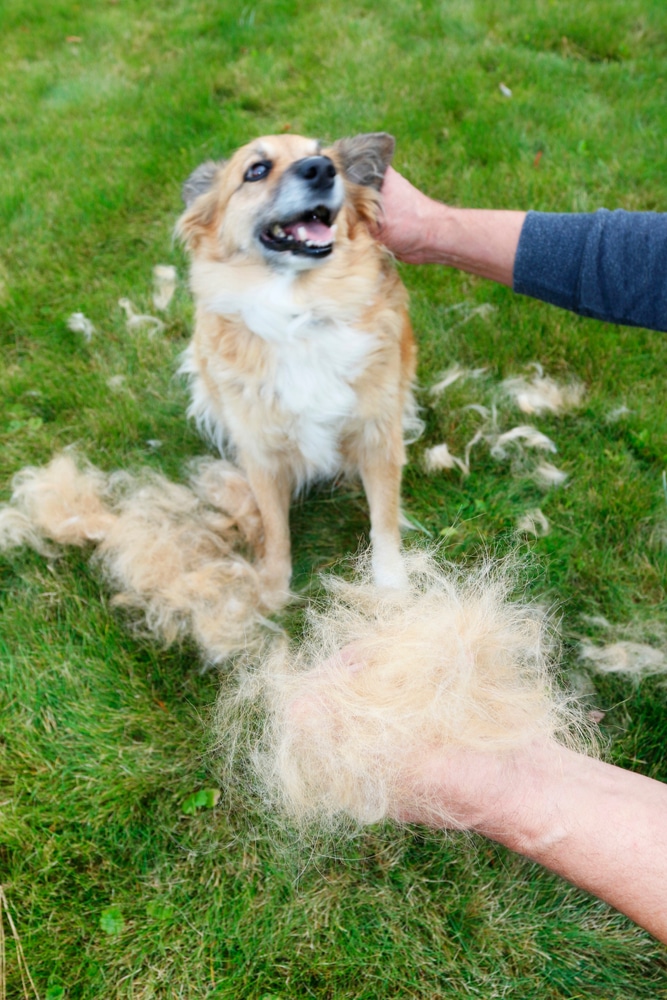
Dog moulting, also referred to as shedding, is the natural process by which dogs lose old, dead or damaged fur to make way for new coat growth. It’s a normal, healthy part of your dog’s biology, regulated largely by changes in daylight and temperature throughout the year.

The terms “moulting” and “shedding” are often used interchangeably, and for practical purposes, they mean the same thing. Both refer to the process of old hair follicles completing their cycle and releasing old fur to allow new growth. The word “moulting” tends to be used more commonly in the UK, while “shedding” is more prevalent in the US, but neither is more technically correct than the other.

What matters is this: moulting is a normal, healthy process. But the amount a dog moults, and when, tells you a great deal about their coat type, lifestyle, and overall health.

When Is Dog Shedding Season?

Research suggests that dog shedding season isn’t just about the temperature; it’s also influenced by the changing sunlight [1]. As the days get longer or shorter, your dog’s internal clock senses the shift and adjusts their hormones. This signals the hair follicles to ‘wake up’ and start growing a new coat, naturally pushing out the old seasonal layer to make sure they stay comfortable in the coming months.

In spring, dogs shed their heavier winter coat to prepare for the warmer months ahead. This is usually the most noticeable moult of the year, particularly for double-coated breeds. In autumn, the lighter summer coat is shed to allow the thicker winter coat to grow through.

You can generally expect peak dog shedding season to fall roughly during these windows:

  • Spring moult: March to May
  • Autumn moult: September to November

Both periods can last anywhere from a few weeks to a couple of months, depending on your dog’s breed and coat type.

Why Is My Dog Shedding All Year Round?

If your dog seems to shed constantly, not just in spring and autumn, you’re not imagining it. Many dogs do shed year-round, and there are several reasons why.

Indoor living is one of the most significant contributing factors. Dogs that spend most of their time indoors are exposed to artificial lighting and central heating, which can disrupt the natural light-driven signals that regulate seasonal shedding. The result is a more continuous, low-level moult rather than two distinct shedding seasons.

Breed genetics also play a role. Some breeds are simply wired to shed consistently throughout the year rather than in concentrated bursts. Labrador Retrievers, for example, are notorious for shedding steadily all year long, regardless of the season.

Other causes of year-round shedding can include:

  • An imbalanced diet lacking in essential fatty acids, zinc, or protein
  • Hormonal fluctuations (particularly in entire females around seasons)
  • Underlying health conditions such as thyroid imbalance, Cushing’s or allergies
  • Chronic stress or anxiety

If your dog’s coat looks dull, thin, or patchy alongside the shedding, that’s worth exploring further, more on that below.

Moulting by Coat Type: What's Normal for Your Dog

Not all dogs moult the same way. The amount and pattern of shedding varies considerably depending on your dog’s coat type. What looks alarming in one breed may be completely unremarkable in another.

Double-Coated Breeds

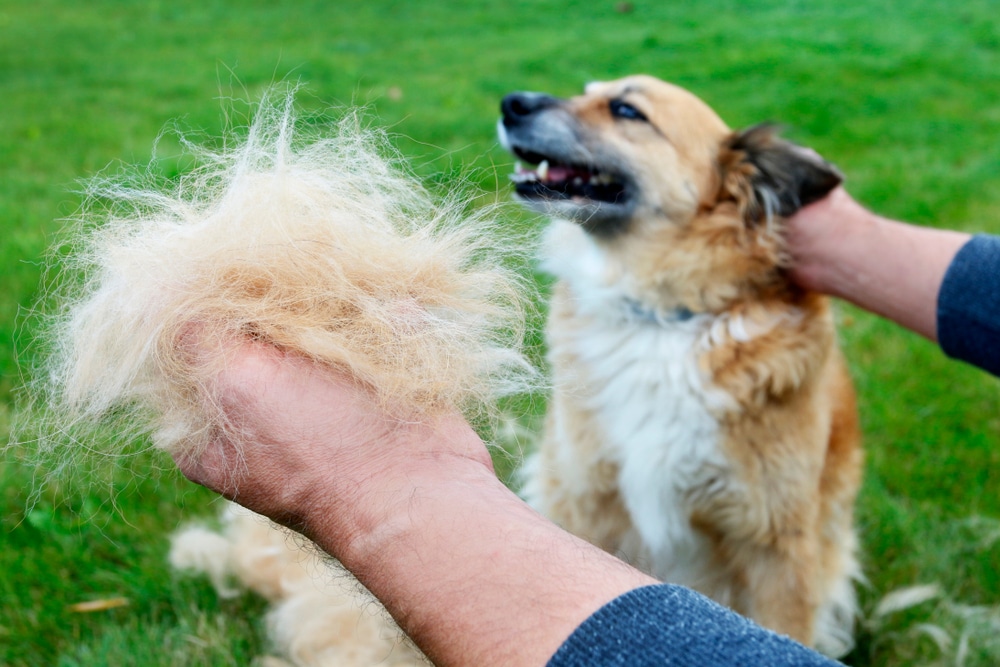
Double-coated dogs have two distinct layers: a dense, insulating undercoat and a longer, protective topcoat (also called guard hairs). These breeds experience the most dramatic seasonal moults, particularly in spring, as the thick undercoat “blows out” in preparation for summer.

Heavy shedders in this category include:

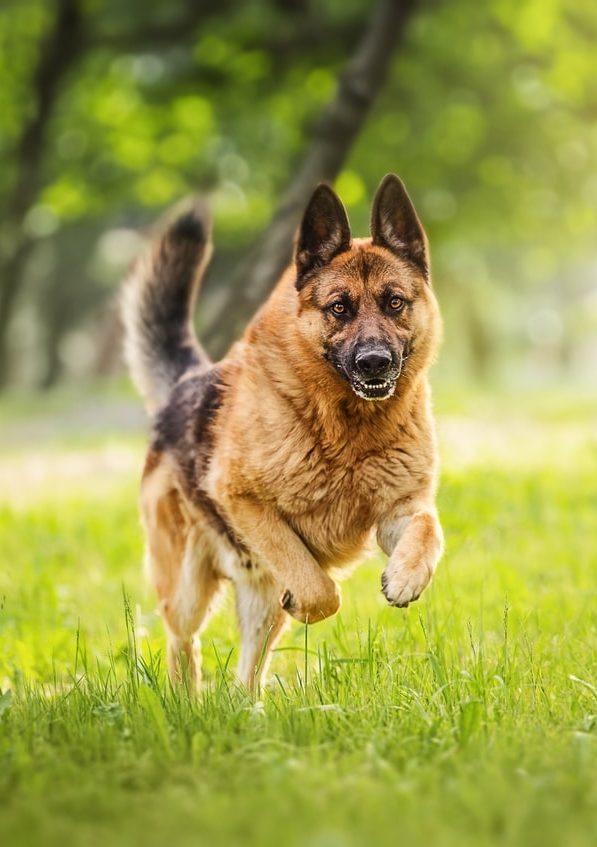
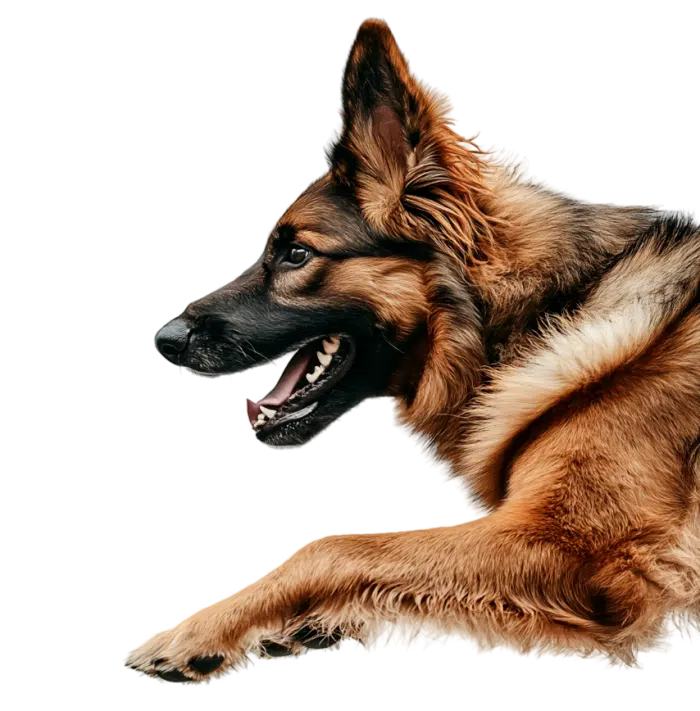
  • German Shepherd — one of the most well-known shedders; sheds heavily year-round with two major seasonal blowouts
  • Golden Retriever — consistent shedder with particularly heavy spring moulting
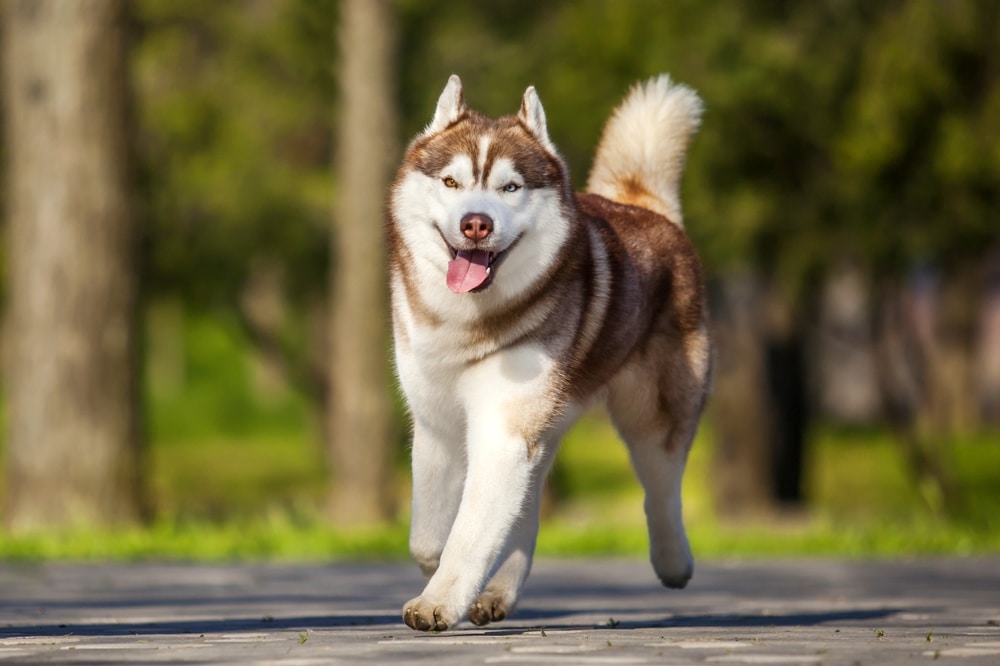
  • Siberian Husky — renowned for dramatic coat blows twice a year
  • Labrador Retriever — dense double coat sheds year-round and peaks seasonally
  • Border Collie — moderate to heavy shedder with distinct seasonal moults
  • Northern Inuit — essentially a double dose of heavy shedding. Bred from German Shepherds and Huskies

For these breeds, regular brushing isn’t optional, it’s essential. Removing dead undercoat prevents matting and supports healthy new coat growth.

Single-Coated Breeds 

Single-coated dogs have only one layer of fur and generally shed far less than double-coated breeds. While they do still moult, it tends to be lighter and more manageable.

Examples include:

  • Poodle — very low shedding; often recommended for owners with allergies
  • Shih Tzu — minimal shedding, though the coat requires regular grooming
  • Maltese — light shedder with a fine, single-layer coat
  • Yorkshire Terrier — low shedding, with hair that grows similarly to human hair

These breeds are sometimes described as “non-shedding,” which is a slight oversimplification. All dogs shed to some degree, but the volume is considerably lower.

Short-Coated Breeds

Short-coated breeds often surprise their owners by shedding more than expected. Without a long coat to trap loose hairs, shorter hairs fall freely and can embed themselves in fabric and upholstery.

Examples include:

  • Beagle — sheds consistently throughout the year
  • Boxer — short coat with regular, steady shedding
  • Dalmatian — fine, short hairs that shed year-round and are notorious for sticking to clothing
  • Staffordshire Bull Terrier — low to moderate shedder with short, dense coat
short coated breeds

Wire-Coated Breeds

Wire-coated (or rough-coated) breeds have a harsh, bristly outer coat that sheds relatively little. However, they require a specialist grooming technique called “hand-stripping” to properly remove dead coat, regular clipping can alter the texture of the coat over time.

Examples include:

  • Border Terrier — low shedding when regularly hand-stripped
  • Wire Fox Terrier — minimal shedding with correct coat maintenance
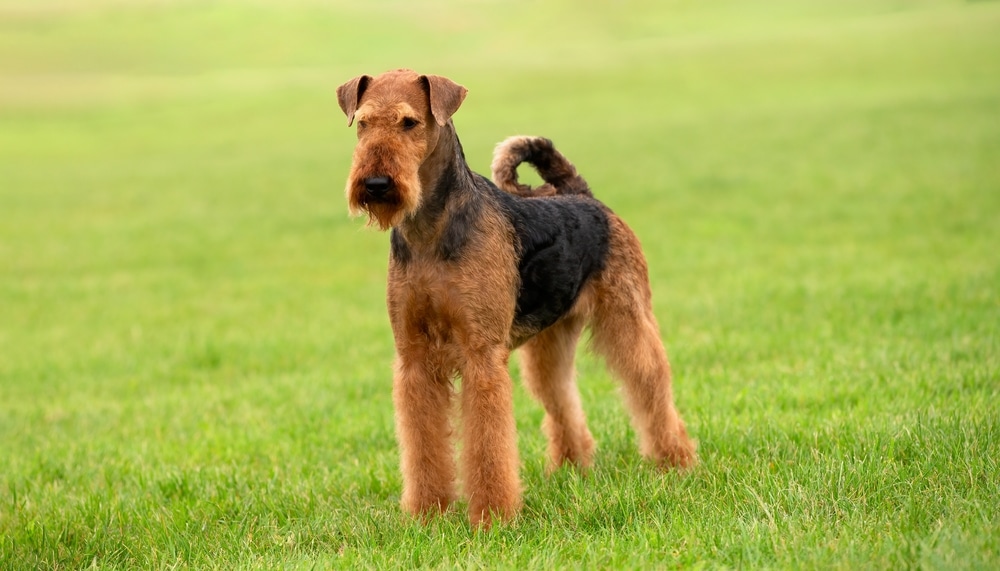
  • Airedale Terrier — low shedder, but coat care is important

How Long Does Dog Moulting Last?

For most dogs, a seasonal moult lasts between three and eight weeks, though double-coated breeds during a spring blowout can take considerably longer. Year-round shedders won’t have a defined start and end point but will still have periods of heavier and lighter coat loss throughout the year.

If moulting seems to be going on far longer than usual, or you’re noticing thinning patches rather than general shedding, it’s worth considering whether there’s an underlying factor at play.

The Role of Diet in Dog Moulting

With the skin and coat requiring up to 25-30% of a dog’s daily protein intake [2], diet is the primary biological foundation for coat health, yet it remains a frequently undervalued factor in routine dermatological care. While a coat that’s dull, brittle, or slow to regrow after moulting won’t always point to a nutritional gap, it’s often the best place to start.

A dog’s coat is made up of keratin, a structural protein that requires sufficient high-quality amino acids to produce. Beyond protein, essential fatty acids (omega-3s and omega-6s) support the skin’s barrier function and the natural oils that keep a coat glossy and resilient. Zinc supports skin cell turnover and coat integrity, while biotin (Vitamin B7) plays a direct role in keratin production.

biotin for dogs

Everything You Need To Know About Biotin For Dogs

READ MORE

Dogs eating ultra-processed diets are often low in all of these elements, particularly omega-3s, which degrade during manufacturing. A species-appropriate, minimally processed raw diet rich in quality protein and natural fats gives the coat what it needs to genuinely thrive, and improved coat condition is one of the most common changes owners notice after transitioning to raw.

changing dogs food featured image (1)

Switching Your Dog to Raw | Advice For Changing Dogs’ Food

READ MORE

Need help with your dog’s diet?

Contact ProDog’s expert team today for FREE tailored canine nutrition advice

Contact Us

Grooming and Supplements: Supporting a Healthy Coat Through Moulting Season

Grooming

Consistent grooming during dog shedding season doesn’t reduce the amount your dog moults, but it makes an enormous difference to how manageable it is, and it actively supports coat health.

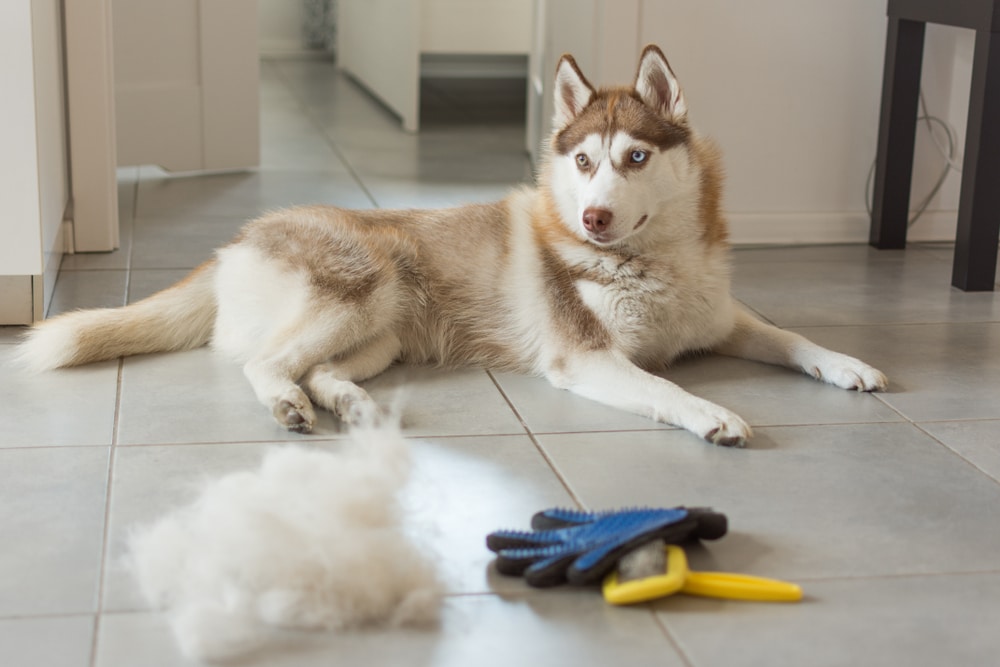
Regular brushing removes loose, dead fur before it falls across your furniture, prevents matting in longer or thicker coats, and stimulates blood circulation to the skin and follicles. For double-coated breeds during a spring blowout, a de-shedding tool or undercoat rake is far more effective than a standard brush.

General grooming guidelines during peak moulting:

  • Double-coated breeds: daily brushing with an undercoat rake or slicker brush
  • Short-coated breeds: two to three times per week with a rubber grooming mitt or bristle brush
  • Wire-coated breeds: hand-stripping as required, supplemented with regular brushing

Single-coated breeds: two to three times per week to remove any loose hairs, prevent matting and maintain condition. Or use a dog blaster (coat dryer) to blow out any hair and help prevent matting.

Bathing during heavy shedding can also help loosen dead undercoat — though over-bathing can strip the skin’s natural oils, so once every four to six weeks is typically sufficient for most dogs.

brushing dogs coat

Supplements for Dog Coat Health

Even with a good diet, some dogs benefit from targeted supplementation during moulting season, particularly if they’re heavy shedders, older dogs, or dogs whose coats have been struggling.

The most evidence-supported nutrients for coat condition include:

  • Omega-3 fatty acids (EPA and DHA): Support skin condition and barrier health, reduce inflammation, and contribute to coat gloss and resilience. Marine-sourced omega-3s (from fish or algae) are the most bioavailable for dogs. [3]
  • Linoleic acid: An Omega 6 oil that maintains the health of hair follicles to support hair growth and promote a shiny, luscious coat. Healthy options can be found in hemp, animal fats and egg yolks.
  • Biotin: Supports keratin production; particularly useful for dogs with brittle or slow-growing coats.
  • Zinc: Supports skin cell turnover and coat integrity.
  • Vitamin E: An antioxidant that supports skin health and helps protect cell membranes.

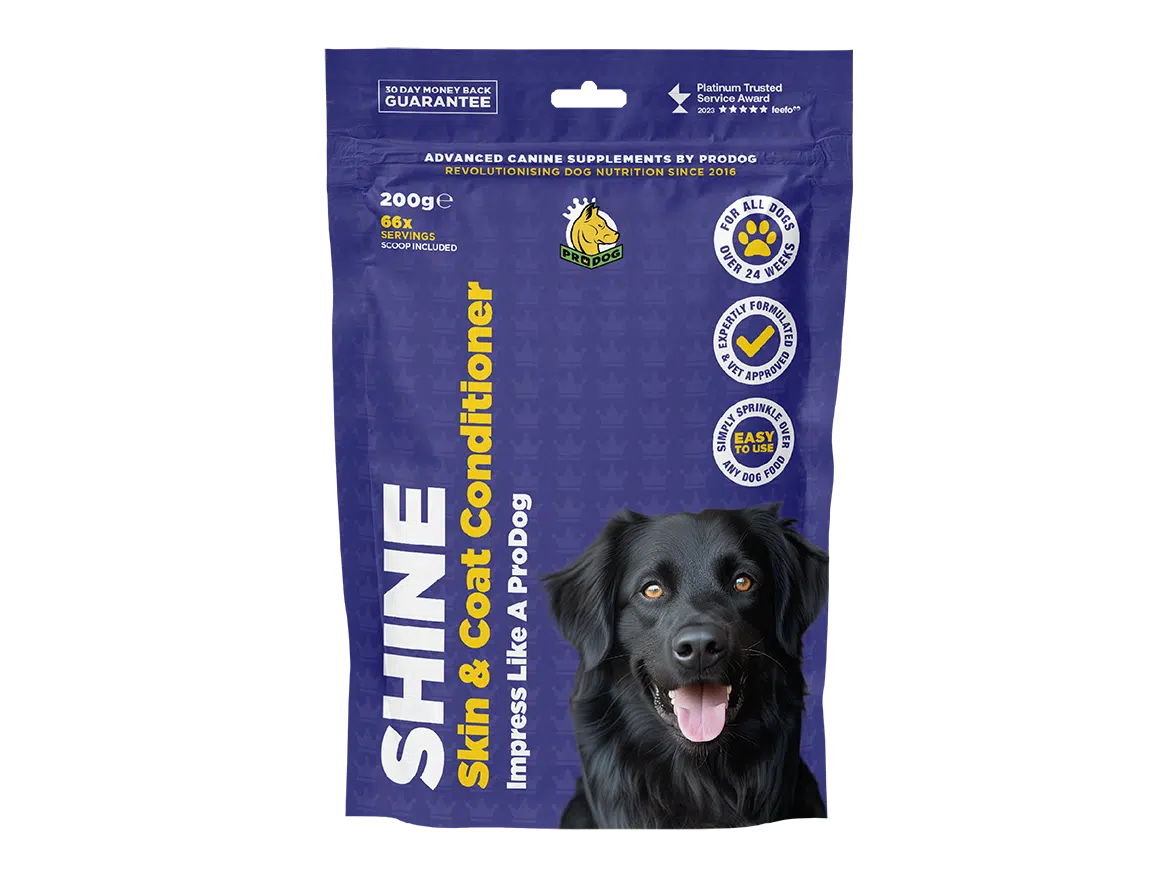
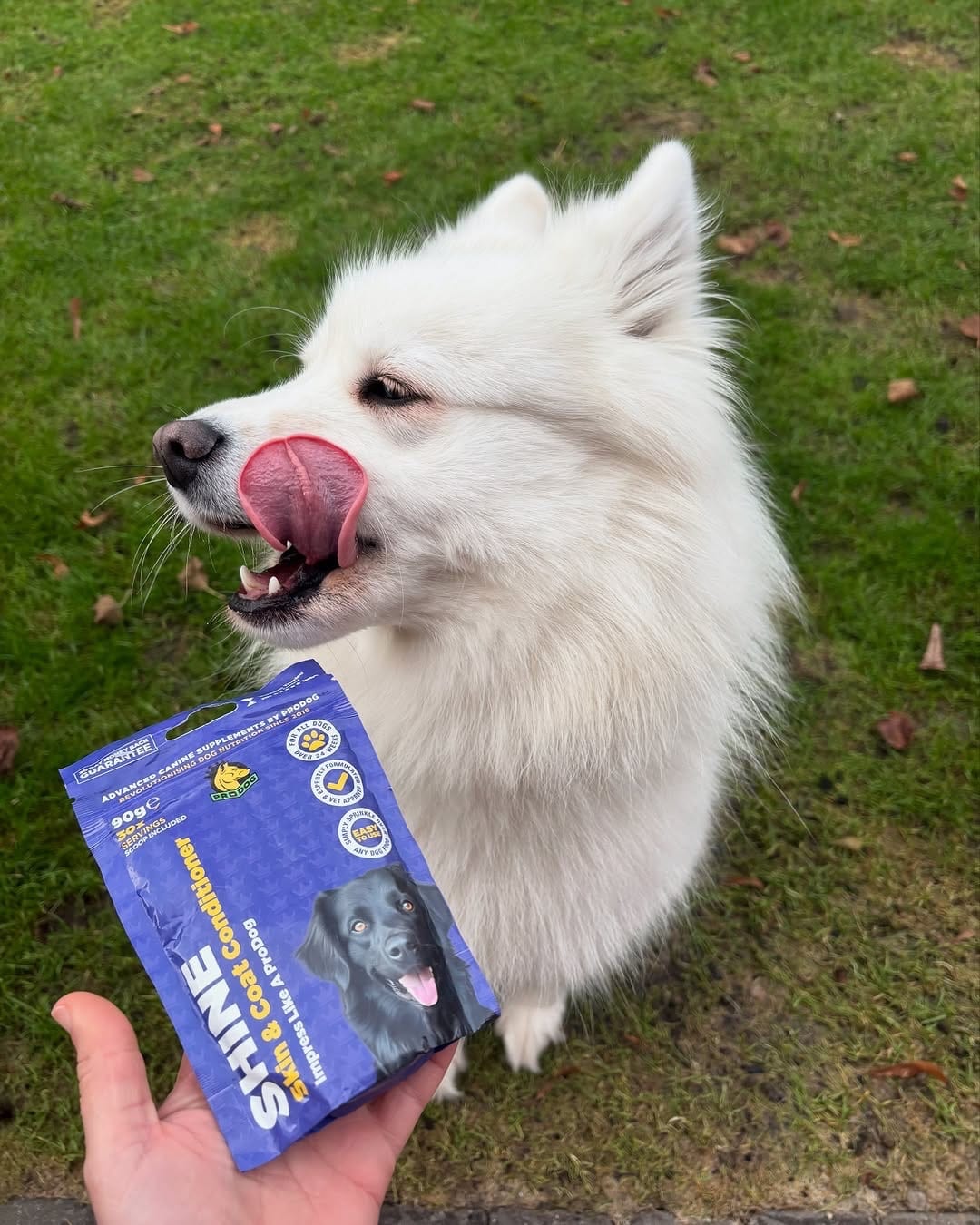
ProDog’s Shine Coat & Skin Supplement For Dogs is specifically formulated to support healthy skin and coat condition, a practical addition during peak shedding periods or for dogs whose coats need consistent support. For older dogs, exploring senior dog supplements may also be worthwhile, as coat quality and skin health can be affected by the changes that come with ageing.

Learn more about dog skin health in our in-depth guide.

shine coat and skin supplement

“Love the supplement. It’s helped support Rosie’s coat condition as she never sheds in between coat changes at all and her fur has been silky smooth between having a raw diet and the addition of Shine. During shedding season, it’s helped to regrow her new coat back healthy and strong and keep her skin in healthy condition. This is a perfect supplement for a Samoyed.”
Carolina & Rosie the Samoyed.

shine coat and skin supplement

When Shedding Becomes a Health Concern

Moulting is normal. But there are forms of hair loss that go beyond seasonal shedding, and it’s important to know the difference.

Speak to your vet if you notice any of the following alongside increased shedding:

  • Patchy or asymmetrical hair loss — bald spots that aren’t evenly distributed
  • Inflamed, red, or flaky skin beneath the thinning coat
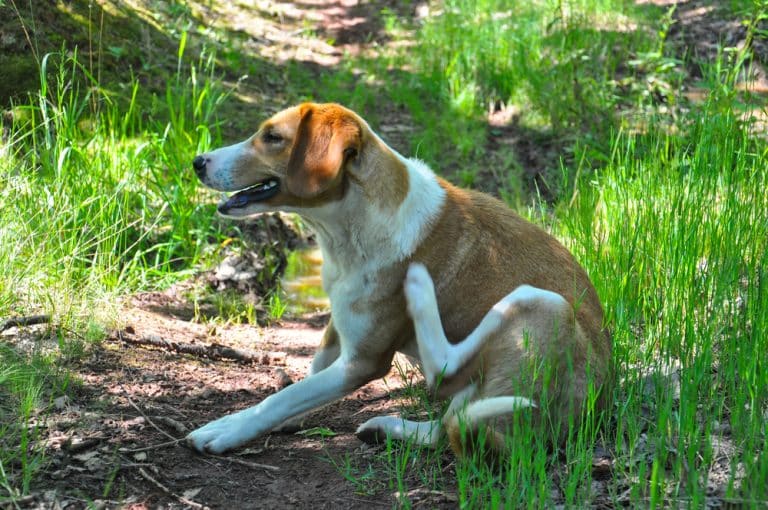
  • Excessive scratching, biting, or licking — which could indicate itchy dog skin from allergies, parasites, or skin conditions
  • Coat changes alongside other symptoms — increased thirst, weight changes, lethargy, or changes in appetite may suggest a hormonal condition such as hypothyroidism or Cushing’s disease
  • Sudden, rapid hair loss — a dramatic change in the coat within a short timeframe
itchy dog

Dog Itchy Skin: Expert Guide to Causes, Relief & Long-Term Support

READ MORE

Hair loss caused by medical conditions is typically distinct from normal moulting, it tends to be patchy, localised, or accompanied by visible skin changes. Normal moulting is generally even and widespread, with no underlying skin changes.

If in doubt, a vet check is always the right call. Early identification of conditions like hypothyroidism or skin allergies means they can be supported before they progress. Where possible, I’d always recommend seeking out a holistic vet for skin and coat concerns. Unlike conventional veterinary practice, holistic vets take a whole-body approach, working to identify the root cause rather than managing symptoms alone, and exploring natural solutions alongside conventional testing and treatment where appropriate.

Can You Stop a Dog From Moulting?

The short answer is ‘no’ and you wouldn’t want to. Moulting is a healthy, natural process, and attempting to fully suppress it would work against your dog’s biology.

What you can do is significantly reduce the volume of shedding and improve coat condition, so that what does moult out is healthy rather than excessive.

The most impactful steps owners take to manage dog moulting effectively are:

  • Improve the diet
  • Groom consistently
  • Support with targeted supplements
  • Rule out health factors

Dogs that moult excessively are often simply missing something in their nutritional profile. Addressing that tends to produce visible results within eight to twelve weeks.

Supporting Your Dog's Coat All Year Round

A well-nourished dog will still moult, but the shedding is manageable, the coat looks vibrant, and regrowth happens the way it should. That’s the difference good nutrition makes, and as someone who lives with a heavy shedder, I can confirm it matters.

It all comes back to what goes in the bowl. A fresh, natural diet rich in quality protein and bioavailable fats creates the foundation for a coat that genuinely thrives, not just through shedding season, but all year round. Pair that with consistent grooming and targeted nutritional support during peak periods, and you’ll notice the difference; on your dog’s coat, and let’s be honest, on your sofa.

Want to see what a raw diet could do for your dog? Explore ProDog’s range of species-appropriate raw food, or speak to one of our nutritionists for guidance specific to your dog.

FAQs

What is the difference between moulting and shedding?

Moulting and shedding refer to the same process, the natural loss of old or dead fur to allow new coat growth. “Moulting” is the term more commonly used in the UK; “shedding” is more prevalent in the US. Both describe the same biological cycle, and neither is more technically accurate than the other.

What months do dogs moult?

Dogs can moult year-round, but the heaviest shedding typically occurs in spring (March to May) and autumn (September to November). These seasonal peaks are triggered by changes in daylight hours, which signal the body to transition between a winter and summer coat.

How do I stop my dog from moulting?

Moulting cannot and should not be fully stopped, it’s a natural, healthy process. However, excessive or prolonged shedding can be reduced by improving diet (particularly protein and essential fatty acid intake), grooming regularly, and supporting the coat with targeted supplements such as omega-3 fatty acids.

Why is my dog shedding so much all of a sudden?

A sudden increase in shedding can be caused by a number of factors, including seasonal change, stress, a change in diet, central heating, hormonal shifts, or an underlying health condition. If the increase is dramatic, or accompanied by patchy hair loss, skin changes, or other symptoms, a vet check is advisable.

Which dogs shed the most?

Double-coated breeds tend to shed the most. German Shepherds, Golden Retrievers, Siberian Huskies, Labrador Retrievers, and Border Collies are among the heaviest shedders. Short-coated breeds like Dalmatians and Beagles also shed more than their coat length might suggest.

Do indoor dogs shed more?

Indoor dogs can shed more consistently throughout the year. Exposure to artificial lighting and central heating disrupts the natural light-based signals that regulate seasonal shedding cycles, resulting in a more continuous, lower-level moult rather than two distinct seasonal peaks.

Does diet affect how much a dog moults?

Yes, significantly. The coat is made up of protein (keratin), and dogs require sufficient high-quality animal protein, essential fatty acids, zinc, and biotin to grow and maintain a healthy coat. Dogs eating nutritionally poor or ultra-processed diets often show dull, brittle coats and increased shedding. Improvements in diet typically show results in the coat within eight to twelve weeks.

At what age do dogs start to moult less?

There is no universal age at which dogs moult less, it depends on breed, coat type, and overall health. Some older dogs may experience changes in coat quality and thickness as they age, which is why nutritional support becomes particularly important in the senior years.

Is moulting the same as mange or alopecia?

No. Mange is caused by parasitic mites and produces patchy, scaly, inflamed hair loss, quite distinct from normal moulting. Alopecia refers to abnormal hair loss that may be caused by hormonal imbalances, autoimmune conditions, or nutritional deficiencies. Normal dog moulting is even, widespread, and not accompanied by skin changes or discomfort.

How often should I groom my dog during shedding season?

Double-coated breeds benefit from daily brushing during peak shedding season. Short-coated and single-coated breeds typically do well with two to three sessions per week all year round. Using the right tool for your dog’s coat type, an undercoat rake for double coats, a rubber mitt for short coats, slickers for single curly coats makes a significant difference.

References

  1. Favarato, Evandro S., and Lissandro G. Conceição. “Seasonal Hair Cycle in Dogs with Different Hair Types.” Veterinary Dermatology 19, no. 1 (2008): 15–20. Doi: 10.1111/j.1365-3164.2007.00642.x. 
  1. Watson TD. Diet and skin disease in dogs and cats. J Nutr. 1998 Dec;128(12 Suppl):2783S-2789S. Doi: 10.1093/jn/128.12.2783S. 
  1. Bauer, John E. “Therapeutic Use of Fish Oils in Companion Animals.” Journal of the American Veterinary Medical Association 239, no. 11 (2011): 1441–1451. Doi: 10.2460/javma.239.11.1441 

0 comments

Leave a Reply

Your email address will not be published. Required fields are marked *