

FREE DELIVERY ON RAW DOG FOOD BUNDLES & DOG SUPPLEMENTS to UK Standard Areas

How Long Do Dogs Live? Understanding Your Dog’s Life Expectancy

When it comes to how long a dog lives, it’s important to understand that a dog’s life can’t be defined by a number on a chart. While breed and genetics set the framework, what really matters is how well a dog lives through every stage of their life. Day-to-day choices — nutrition, environment, activity, and long-term health support all play a role in how dogs feel, move, and thrive as they age.

Alison Frost, Canine Nutritionist

Author: Alison Frost

How Long Do Dogs Live? Understanding Your Dog’s Life Expectancy

Blog in 60 Seconds

In this guide, you will learn:

  • Why breed and size are only part of the lifespan story, and what the research actually says about how dogs of different sizes age at a cellular level.
  • How joint health and mobility are more closely linked to longevity than most owners realise, and why protecting your dog’s joints matters from an early age.
  • The key lifestyle factors within your control, including nutrition, body weight, exercise, and mental stimulation, that influence how well your dog ages.
  • Why understanding your dog’s individual life stage matters, and how to adjust their care as they move from adulthood into their senior years.
  • How a species-appropriate diet and targeted supplementation can support your dog’s vitality and quality of life throughout every stage of their life.

As a canine nutritionist, dog owner, and someone who has spent many years working closely with dogs and their guardians, I’ve seen first-hand how much confusion exists around canine lifespan. People often focus on numbers such as average ages, breed expectations and comparisons, but longevity is far more nuanced than that.

Over time, I’ve come to understand that how long a dog lives is rarely dictated by a single factor. Instead, it’s shaped gradually through genetics, nutrition, lifestyle, environment, and the cumulative impact of everyday decisions made throughout a dog’s life. As the saying goes, genes load the gun- diet, environment and toxins pull the trigger.

But perhaps more importantly, it’s not just about how long our dogs live, it’s about how well they live. Energy, resilience, comfort, and quality of life matter just as much as the number of years, and those same daily choices play a powerful role in shaping both.


Average Dog Lifespan: The Big Picture

On average, dogs live between 10 and 14 years, but this range varies widely. Some dogs may only live 6–8 years, while others reach their late teens or beyond.

Two of the strongest predictors of lifespan are:

  • Breed
  • Adult size

However, these are only part of the story.

How Breed Affects Dog Life Expectancy

Different breeds have different average lifespans, largely due to genetic selection, body size, and predisposition to inherited conditions.

In general:

  • Smaller breeds tend to live longer
  • Larger and giant breeds tend to have shorter lifespans

This doesn’t mean large dogs can’t live long, healthy lives, but statistically, their ageing process happens faster. Archie my own 40kg large breed Labradoodle lived a long healthy life right up to his 16th year.

how long do dogs live?

Typical Lifespan by Breed Category

How Long Do Small Dog Breeds Live?

(Typically under 10 kg)

Small dog breeds are generally associated with longer lifespans, often reaching their mid to late teens when well cared for [1]. Unlike larger dogs, their slower biological ageing gives them a head start on a longer life. Research suggests larger breed dogs’ “epigenetic clock” runs roughly 0.37 years ahead for every chronological year compared to smaller dogs. [2]

Typical lifespan range: 14–18 years

Examples include:

It’s important to note that while many small breeds live longer, some may still be prone to breed-specific issues such as dental disease, spinal conditions, or respiratory challenges, which can impact quality of life if not managed appropriately.

how long do small dog breeds live?

How Long Do Medium Dog Breeds Live?

(Roughly 10–25 kg)

Medium-sized dogs often strike a balance between longevity and physical robustness. They typically live longer than large breeds but may not reach the same average ages as smaller dogs.

Typical lifespan range: 12–15 years

Examples include:

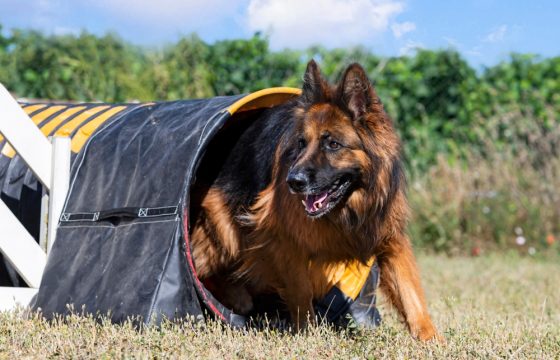
Lifestyle plays a significant role in this category. Many medium breeds are highly active and intelligent, meaning appropriate exercise, mental stimulation, and recovery are key factors in supporting long-term health and preventing injury or burnout.

How Long Do Large Dog Breeds Live?

(Roughly 25–45 kg)

Large dog breeds tend to age more quickly at a cellular level [2]. Their rapid growth, and higher metabolic demands, can contribute to a shorter average lifespan compared to smaller dogs, while greater load on joints and organs can accelerate age-related decline

Typical lifespan range: 10–13 years

Examples include:

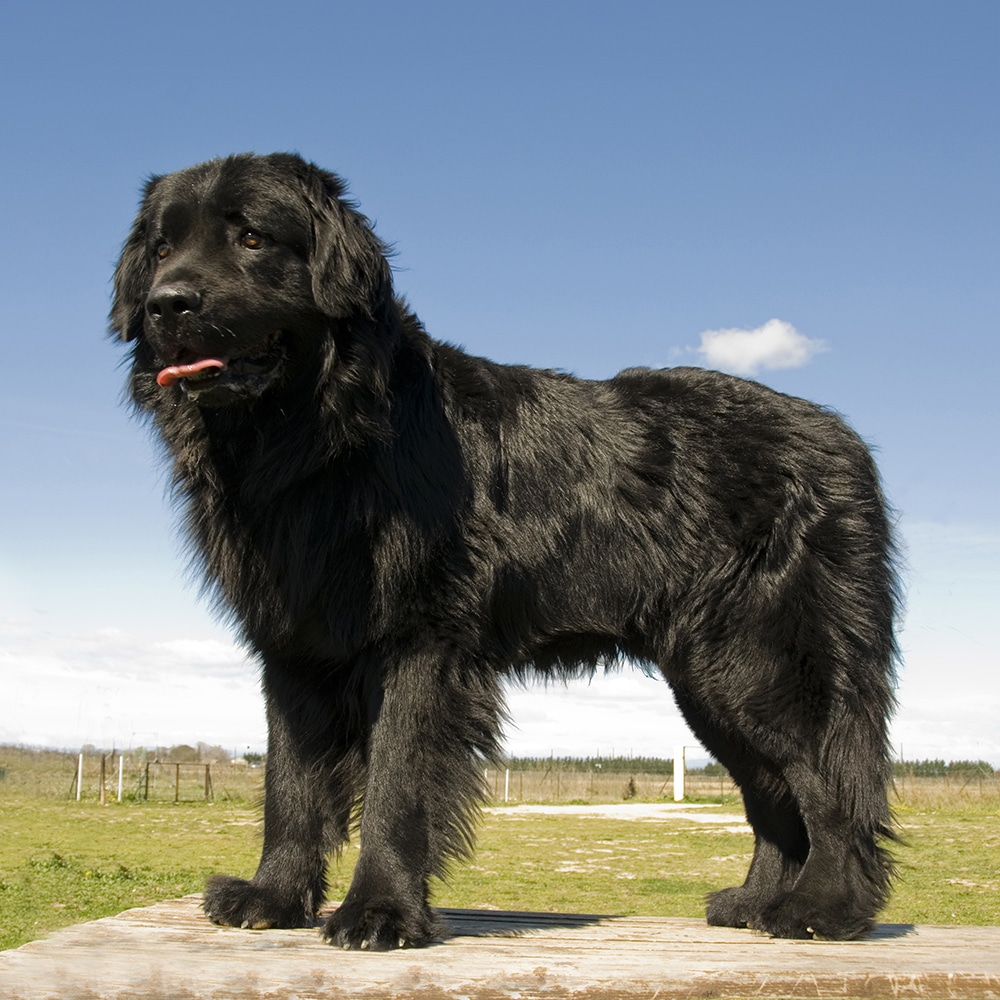
For large breeds, maintaining a healthy body condition, supporting joint health, and avoiding excess weight are particularly important, as even small increases in body fat can significantly affect mobility and longevity.

The All You Need to Know Guide to Healthy Weight Gain for Dogs

READ MORE

How Long Do Giant Dog Breeds Live?

(45 kg and above)

Giant breeds have the shortest average lifespans, largely due to accelerated growth rates, increased strain on the cardiovascular and musculoskeletal systems, and higher risk of age-related disease at a younger chronological age.

Typical lifespan range: 6–10 years

Examples include:

While these dogs may have fewer years, their quality of life can be greatly influenced by careful nutrition, controlled growth during puppyhood, and proactive health support throughout adulthood.

Breed-specific research shows that selective breeding for size, appearance, or exaggerated traits can influence a dog’s lifespan [3], particularly when it impacts joint health, heart function, or breathing.

Averages Are Not Guarantees

It’s important to remember that breed and size provide guidelines, not limits. Many dogs exceed their breed’s average lifespan when their individual needs are met and long-term health is prioritised.

The oldest dog ever recorded was Bobi, a Rafeiro do Alentejo from Portugal, who was reported to have lived to 31 years and 165 days before passing away in October 2023. It was reported he only ever ate a fresh food diet, and roamed on clean farmland at his leisure. However, his record was later placed under review by Guinness World Records due to questions around age verification.

Prior to this, according to the Guiness World Records 2024, the title was held by Bluey, an Australian Cattle Dog, who lived to the age of 29 years and 5 months and passed away in 1939 [4]. Born in 1910, blue worked on a cattle farm for most of his life, which often gets mentioned alongside a simple lifestyle, regular activity, and a fresh diet as possible contributors to his incredible longevity.

Longevity isn’t determined by size alone; it’s shaped by the cumulative effect of everyday choices over a dog’s lifetime.

Does Size Matter More Than Breed?

Size plays a significant role in dog lifespan, sometimes even more than breed itself.

Large-breed dogs are biological sprinters; they grow rapidly and age at an accelerated cellular rate, placing immense physiological strain on their organs and musculoskeletal systems. This rapid maturation often predisposes them to significant health challenges, including heart disease, specific cancers, and osteoarthritis.

While joint issues are rarely the direct biological cause of death, they are a primary driver of shortened lifespans through a more complex, indirect pathway.

The Mobility-Lifespan Connection

The impact of joint health on longevity is rooted in a compounding cycle of decline rather than immediate organ failure.

The Quality of Life Factor: Research indicates that osteoarthritis affects approximately 11.4% of a dog’s total lifespan. For larger breeds, the risk is significantly higher. [5]

The Compounding Cycle: Once mobility fails, activity levels plummet. This triggers a downward spiral of weight gain, muscle wasting, and cardiovascular strain, which further stresses the heart and metabolic systems.

The Medication Trade-off: Managing chronic pain often requires long-term NSAID use. While essential for comfort, these can eventually lead to secondary complications, such as gastrointestinal distress or kidney and liver impairment. [5]

The Honest Reality

In the veterinary world, severe joint disease is frequently a “lifestyle” terminality. Dogs don’t typically succumb to arthritis itself; instead, the deterioration of their quality of life, the inability to walk, play, or eliminate comfortably, leads to the difficult decision of elective euthanasia.

For a large dog, mobility is life. Protecting their joints isn’t just about comfort; it is about preserving the physical independence that keeps their vital systems functioning.

By contrast, smaller dogs mature more slowly and experience less mechanical stress on the body, which may contribute to increased longevity.

What Else Affects How Long Dogs Live?

Genetics

Some dogs inherit stronger disease resistance, while others may be predisposed to conditions that shorten lifespan. Responsible breeding and genetic diversity play an important role here.

Nutrition

Long-term diet quality is one of the most influential factors owners can control.

Highly processed diets can contribute to chronic inflammation, metabolic stress, and poor gut health over time. Feeding a biologically appropriate, species-appropriate diet, such as high-quality raw dog food supports:

  • Digestive health
  • Immune function
  • Healthy body weight
  • Reduced inflammatory load

Nutrition doesn’t just affect lifespan, it affects health span (how well a dog lives during those years).

dog gut health

The Secrets of Dog Gut Health: Essential Tips and Insights

READ MORE

Body Weight & Condition

Maintaining a healthy body condition is critical. Studies consistently show that overweight dogs have shorter lifespans and higher risk of:

  • Diabetes
  • Joint disease
  • Cardiovascular stress

Even a small amount of excess weight could reduce life expectancy. A major 14-year study found that leaner dogs lived nearly two years longer than their slightly heavier littermates. [6]

Diabetes in Dogs: Symptoms, Causes, and Natural Solutions

READ MORE

Activity & Mental Stimulation

While regular movement supports cardiovascular health, joint mobility, muscle mass and cognitive function, equally important is mental stimulation! Dogs that are regularly challenged mentally ,through enrichment, training, or problem-solving activities, tend to show lower stress levels, better cognitive function as they age, and even stronger immune responses [7] A bored dog isn’t just an unhappy dog; it’s a dog whose body is paying the price too.

Veterinary Care & Preventative Health

Early detection makes a measurable difference to lifespan, but true longevity stems from an individualised healthcare approach rather than blanket routines. Integrating holistic veterinary care offers a powerful advantage here; by combining modern diagnostics with traditional therapies like acupuncture, herbal support, or chiropractic care, you treat the “whole dog” rather than just isolated symptoms.

This proactive, integrative path focuses on building systemic resilience, ensuring that minor imbalances are corrected before they become life-limiting issues.

Can Diet and Supplements Help Dogs Live Longer?

A varied species‑appropriate diet is the foundation that supports healthy ageing. Real, whole‑food nutrition which includes fresh meat, bone, fish, and natural superfoods, gives your dog the building blocks for lifelong vitality. It’s this consistent, high‑quality diet that fuels every cell, supports mobility, and maintains energy from puppyhood through their senior years.

That said, even with the best raw dog food diet, some dogs can benefit from targeted nutritional support over time. As the body changes with age or activity levels, certain nutrients can become harder to maintain through food alone. That’s where carefully formulated dog supplements come in, not to replace real food, but to complement it.

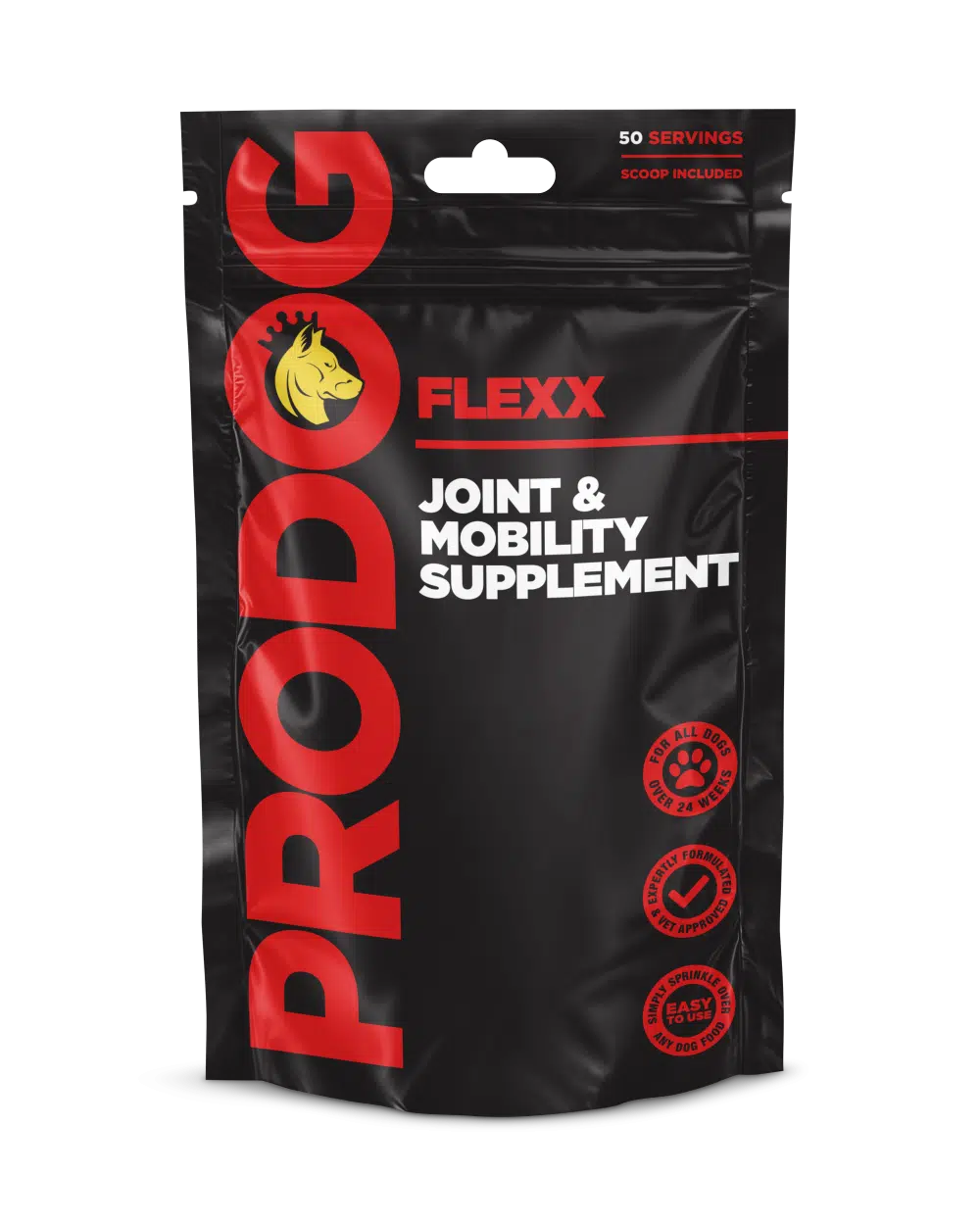
For example, joint health is one of the most common areas where mature dogs need extra support. Nutrients such as glucosamine, MSM, and green‑lipped mussel, found in ProDog Flexx, our joint supplement for dogs, help maintain fluid movement and joint integrity. Similarly, purpose-driven formulations can help support digestive balance, skin and coat quality, natural energy levels, and cognitive function as dogs age.

The key is balance: choosing supplements made with bioavailable, natural ingredients and pairing them with a diet rooted in nature’s design. When they work together, real food as the foundation, precision supplementation as the refinement, you create the conditions for your dog to not only live longer, but to live fully.

Not sure where to start? Our Beginner’s Guide to Raw Feeding, alongside our Beginner’s Guide to Dog Supplements breaks it all down for you, or contact our nutrition team for free, personalised advice.

our raw dog food for beginners guide white puppy eating a carrot (1)

“Raw Dog Food for Beginners” Raw Feeding Guide

READ MORE
dog supplements

Beginners’ Guide to Dog Supplements

READ MORE
joint supplement for dogs

Need help with your dog’s diet?

Contact ProDog’s expert team today for FREE tailored canine nutrition advice

Contact Us

Life Stages: Understanding Ageing in Dogs

Not all dogs age at the same rate. A larger breed might be classed as “senior” at just 6 or 7 years old, while a smaller dog might not reach that stage until 9, 10, or even later. It really does depend on the size and the individual dog.

That’s why understanding your own dog’s life stage matters so much. It helps you make small but important adjustments along the way, whether that’s tweaking their nutrition, changing how much or what type of exercise they’re doing, allowing more time for recovery, or simply keeping a closer eye on their health.

Getting older isn’t something to panic about. It’s a natural process and our job is to recognise it, and support them properly through it.

senior dogs

Can Dogs Live Longer Than Average?

In many cases, the simple answer is ‘yes, they can’.

While breed averages give us a rough guide, plenty of dogs go on to live longer, healthier lives when the foundations are right.

That usually comes down to simple, consistent things:

  • Feeding them thoughtfully
  • Keeping them at a healthy weight
  • Making sure they get the right kind of exercise for their body and breed
  • Giving them time outdoors, fresh air, and space to move

It can also mean reducing unnecessary chemical exposure where possible. Things like heavy pesticides or constant artificial fragrances in the home. Small changes add up over time.

Just as importantly, dogs benefit from mental stimulation and having appropriate outlets for what they were bred to do. A working breed that gets to use its brain and body properly will often cope with ageing better than one that doesn’t.

Longevity isn’t about being perfect, it’s about being consistent, day after day, year after year.

keeping dogs active

Final Thoughts: It’s Not Just About Years

When owners ask me “how long will my dog live?”, my answer is always the same: it depends on how well we support them along the way.

Longevity isn’t just about genetics or luck. The daily choices we make for our dogs including what we feed them, how we move and stimulate them, and how proactively we respond to their changing needs all contribute to how well a dog ages.

A species-appropriate diet, targeted supplementation where needed, and an understanding of your individual dog’s needs can make a remarkable difference.

A longer life matters. But a life lived with energy, comfort, and vitality? That’s the goal.

References

  1. Teng, Kendy Ty, Dan G. O’Neill, David B. Church, and Paul D. McGreevy. “Life Tables of Annual Life Expectancy and Mortality for Companion Dogs in the United Kingdom.” Scientific Reports 12, no. 1 (2022): 6415. doi: 10.1038/s41598-022-10341-6. 
  1. McCoy, B. M., Mariner, B. L., et al. (2024). “Aging at scale: Younger dogs and larger breeds from the Dog Aging Project show accelerated epigenetic aging.” doi: 10.1101/2024.10.03.616519
  1. Kraus, Cornelia, Noah Snyder-Mackler, and Daniel E. L. Promislow. “How Size and Genetic Diversity Shape Lifespan Across Breeds of Purebred Dogs.” Geroscience 45, no. 2 (April 2023): 627–43. doi: 10.1007/s11357-022-00653-w. 
  1. Atwal, S. (2021, October 11). World’s oldest animals: Cats, dogs, deep-sea creatures and more. Guinness World Records. Accessed 17th Feb 2026 
  1. Anderson KL, O’Neill DG, Brodbelt DC, Church DB, Meeson RL, Sargan D, Summers JF, Zulch H, Collins LM. Prevalence, duration and risk factors for appendicular osteoarthritis in a UK dog population under primary veterinary care. Sci Rep. 2018 Apr 4;8(1):5641. doi: 10.1038/s41598-018-23940-z. 
  1. Kealy, Richard D., Dennis F. Lawler, Joan M. Ballam, et al. “Effects of Diet Restriction on Life Span and Age-Related Changes in Dogs.” Journal of the American Veterinary Medical Association 220, no. 9 (2002): 1315-1320. doi: 10.2460/javma.2002.220.1315 
  1. Kim, S. J., Jeong, J. W., Shin, N. S., & Kim, H. G. (2024). Behavioral, physiological, and pathological approaches of cortisol in dogs. Animals14(23), 3536. doi: 10.3390/ani14233536 


0 comments

Leave a Reply

Your email address will not be published. Required fields are marked *