FREE DELIVERY ON RAW DOG FOOD BUNDLES & DOG SUPPLEMENTS to UK Standard Areas

What to Feed My Pregnant Dog: Nutrition Tips

Knowing what to feed a pregnant dog can feel like a moving target, especially when her appetite, energy and needs shift week to week. The good news is that supporting a healthy pregnancy comes down to a few clear nutritional principles, not constant guesswork.

In this guide, Alison Frost, our resident Canine Nutritionist, breaks down exactly what a pregnant dog needs at each stage, from the first few weeks right through to those final days before whelping, and how to keep both mum and her puppies thriving along the way.

Alison Frost, Canine Nutritionist

Author: Alison Frost

Edited By: Anna Bain

What to Feed My Pregnant Dog: Nutrition Tips

Blog in 60 Seconds

In this guide you will learn:

  • What pregnant dogs need nutritionally – key nutrients like protein, healthy fats, vitamins and minerals that support both mum and growing puppies.
  • How feeding changes through pregnancy – when to increase calories, how to adjust portions, and why timing matters during each part of the pregnancy.
  • The importance of high-quality, species-appropriate food – why raw or nutritionally complete diets help supply balanced nutrition without fillers.
  • Signs your pregnant dog is thriving (and when to check in with a vet) – monitoring weight gain, energy levels, coat condition and appetite.
  • Practical feeding tips – how to manage picky eating, split meals, introduce nutrient boosters, and support digestion throughout pregnancy.

Before breeding a dog, ensuring the mother is healthy and has undergone breed-specific vet health checks is essential. Pregnant dogs require special support, both to keep mum healthy and ensure her puppies grow healthy and strong. Whilst there are many schools of thought on how to accomplish this, I lean towards nutrition as the backbone of a healthy pregnant dog.

With dog pregnancies lasting just nine weeks, there’s very little margin for getting it wrong, and very little time to course-correct if mum’s nutrition falls short. Over the years, I’ve supported countless owners through this exact window, helping them understand what their dog actually needs at each stage rather than relying on generic feeding charts. In this guide, I’ll walk you through what to feed a pregnant dog from week one through to whelping, and how to support her recovery once her puppies arrive.

What to Feed a Pregnant Dog: The Basics

A pregnant dog needs more protein, healthy fats, and key minerals like calcium and zinc than she would outside of pregnancy, all delivered through a balanced, species-appropriate diet. These nutrients fuel her own condition whilst supporting her puppies’ development in the womb.

The simplest way to think about it: early pregnancy needs little change, but from roughly the halfway point onwards, her diet should gradually increase in quantity and nutrient density right through to whelping. Natural whole food diets make this easier, because the nutrients she needs are already naturally present and easily absorbed, without relying on synthetic fillers or additives.

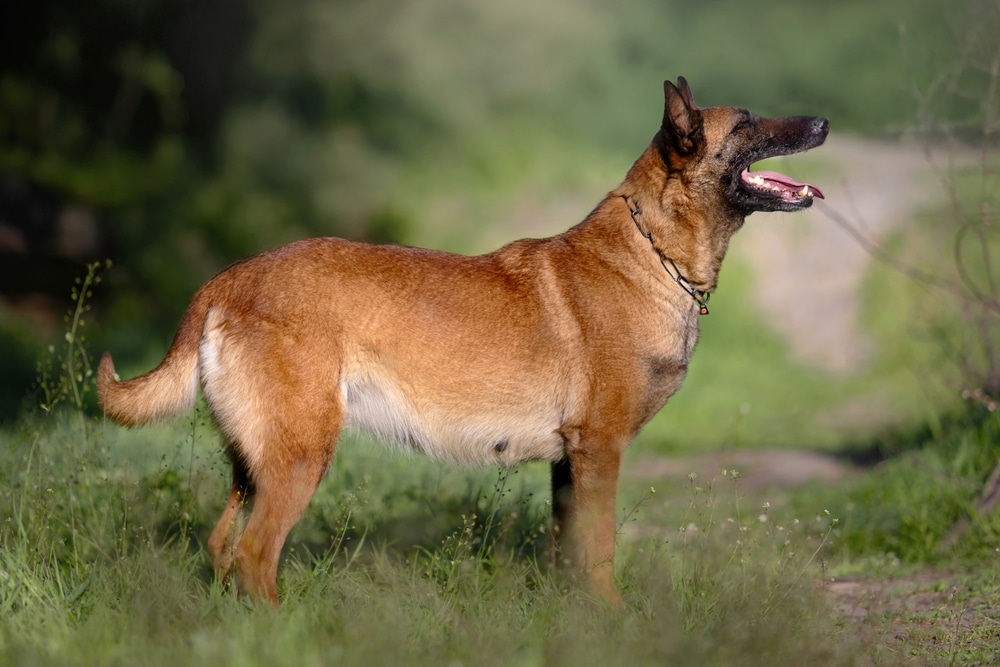
what to feed a pregnant dog

Hormone Fluctuations and Mood Changes

Impact of hormonal changes on mood

Fluctuating hormones can affect pregnant dogs’ behaviour in a few ways, and research on bull terriers has shown clear stress-related behaviour changes in the hours before whelping, every mum-to-be will handle this a little differently. [1]. Whilst some pregnant dogs will want more attention and affection from you during their pregnancy, others might become irritable, especially around strangers or loud noises. All mother dogs develop the instinct to protect their puppies at some point, which may be partly responsible for this change in behaviour, though hormones play a major role.

Other changes include nesting behaviours such as pawing at the floor or hoarding food, increased fussiness around meals, and lower activity levels. Some pregnant dogs also lose their appetite due to nausea, worth mentioning to your vet, as it can signal complications, particularly if your dog seems more withdrawn than usual.

Recognising and managing mood swings

Mood and behavioural changes are a normal part of dog pregnancy and knowing what to expect makes it easier to respond to what she needs.

Some ways to offer support might include:

  • Giving irritable pregnant dogs a quiet space to relax away from loud noises or strangers
  • Providing additional affection/comfort to pregnant dogs who seek out more attention than usual
  • Providing the appropriate nutritional support during dog pregnancy (I’ll discuss this in detail later)
  • Setting up comfortable beds and nesting areas around the home
  • Adapting pregnant dogs’ diets to appease their changing appetites

Essentially, the aim is to make your dog’s pregnancy as calm, comfortable, and stress-free as possible for her. Along with providing the correct nutritional support, this can make all the difference to the health and happiness of both mum and pups.

Adapting Food and Feeding Routines

Adapting to individual needs

As already mentioned, pregnant dogs’ appetites often shift due to hormonal changes, and their nutritional needs increase as the pregnancy progresses. Food intake typically stays similar in the early stages but builds to around one and a half times her normal amount by the later weeks, supporting both her own wellbeing and her growing litter.

Smaller, more frequent meals can help, particularly if she’s experiencing nausea or in the final stage of pregnancy when her stomach is under pressure. Protein, fat, and certain mineral requirements also increase throughout, with the exact amounts varying by size, pre-pregnancy diet, and other individual factors.

how to feed my pregnant dog

Factors that influence dietary adjustments

Several factors may call for dietary adjustments during pregnancy, including:

  • Appetite changes due to hormonal fluctuations and cravings
  • Growing pups taking up space, creating need for smaller/more frequent meals
  • Varying nutrient requirements per each passing trimester (discussed in a later section)
  • Food intake requirements based on litter size
  • Potential mineral/vitamin deficiencies in some pregnant dogs

Every pregnancy is different, but species-appropriate raw feeding provides the nutritional foundation to support mum and her puppies through all of it.

Note: Do not drastically change a pregnant dog’s diet after the 4-week pregnancy mark This isn’t the time for switching diets, experimenting with new foods or big changes. Stick to the planned, gradual adjustments to quantity and frequency below.

Benefits of a Natural, Raw Food Diet

Advantage of raw feeding for pregnant dogs

As pregnant dogs require special attention to their nutrient intake during this time, their diet is particularly important [2]. I recommend feeding a fresh, whole food diet to all canines, but this becomes even more crucial during your dog’s pregnancy. Raw, species-appropriate food is the best way to ensure mums-to-be are well nourished.

Additionally, these ingredients are bioavailable, meaning they are easily absorbed and assimilated within the body without the need for extra effort on the digestive system’s part. As pregnant dogs’ bodies are already doing lots of extra work, any way you can make life easier for them is ideal. Feeding them foods that their bodies are naturally designed to digest allows them to receive their required nutrients more easily.

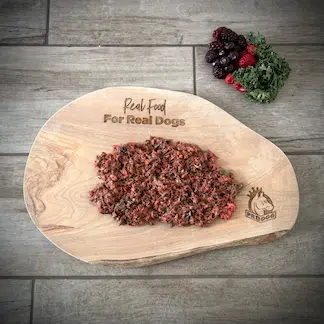
raw dog food

Impact on health and nutrition

Quality raw feeding has a far-reaching impact on health precisely because it supports digestive function, which underpins everything else. During pregnancy this matters even more: mum’s gut is under additional pressure from her growing litter, and providing the most natural diet possible ensures she can absorb what she needs despite the physical changes at each stage.

Healthy, well-nourished mothers have healthier puppies, and the physical demands of pregnancy, whelping, lactation, and weaning are significantly easier on a body that’s properly supported from the start.

To discover more about raw dog food, check out our in-depth guides, Benefits of Raw Food and Switching Your Dog To Raw.

Two dogs eating and enjoying the benefits of raw dog food

Top 12 Health Benefits of Raw Feeding Your Dog

READ MORE
nutrition for pregnant dogs

Supportive Natural Ingredients and Supplements

Natural ingredients and supplements for pregnant dogs’ health

As I mentioned earlier, pregnant dogs’ nutrient requirements change to adapt their bodies for a healthy pregnancy. Protein and fat need to be increased to support healthy puppy development — one 2020 study found bitches fed a higher-protein, higher-fat diet had significantly lower fetal resorption and notably larger litters [3]. Certain minerals are important too and become increasingly critical as pregnancy progresses:

  • Calcium — Aids in foetal skeletal development and milk production
  • Iron — Keeps mum’s red blood cells healthy during pregnancy
  • Copper — Essential for bone, hair, and skin growth
  • Zinc — Synthesises protein, promotes collagen formation, contributes to mental development, and promotes reproductive organ health
  • Vitamin A — An essential nutrient for foetal development
  • Vitamin D — Contributes to bone growth in puppies and balancing other minerals in the blood

These nutrients are naturally found in a species-appropriate, raw diet However, additional support may be needed depending on each individual dog’s pregnancy, her pre-pregnancy health, and various other factors. Consult our canine nutritionist team for free tailored advice, or contact a holistic veterinarian for nutritional support.

Need help with your dog’s diet?

Contact ProDog’s expert team today for FREE tailored canine nutrition advice

Contact Us

Overall wellbeing support

Feeding a balanced, species-appropriate diet will take care of pregnant dogs’ overall wellbeing for the most part. However, I also recommend the use of additional dog supplements to ensure mum gets everything she needs for her own health during pregnancy.

I generally recommend ProDog’s Colostrum for dogs and bone broths for pregnant dogs. These promote gut health, balanced immunity, joint and skin health, whilst providing vitamins, minerals, protein and electrolytes.

Colostrum is also helpful for establishing strong immunity and balanced gut health in puppies once the weaning stage is complete. If you’re new to supplementing your dog’s diet, our Beginner’s Guide to Dog Supplements is a good place to start.

our raw dog food for beginners guide white puppy eating a carrot (1)

“Raw Dog Food for Beginners” Raw Feeding Guide

READ MORE

Best Foods for a Pregnant Dog

When you’re working out what to feed a pregnant dog, focus on nutrient-dense, easily digestible whole foods that support both her condition and her puppies’ development. Good options to build into her raw diet include:

  • Lean raw meat (beef, chicken, turkey) for high-quality protein
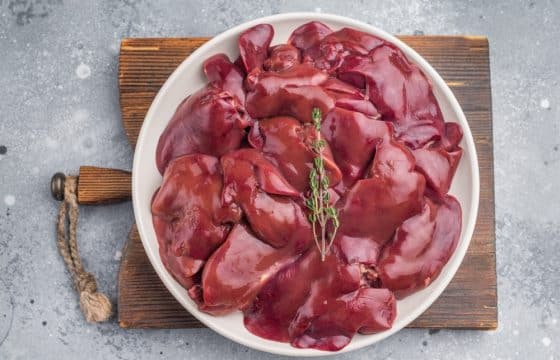
  • Organ meats such as liver and kidney for iron, copper and vitamin A
  • Raw meaty bones for naturally balanced calcium and phosphorus
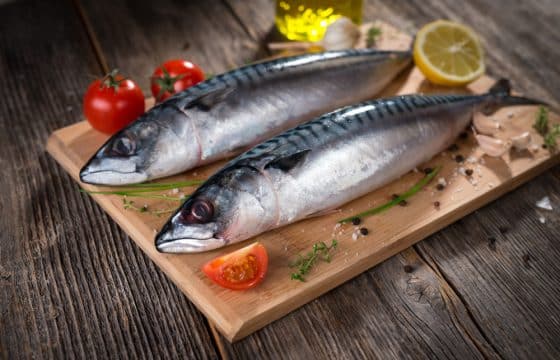
  • Oily fish or a quality fish oil for omega-3 fatty acids
  • Raw egg yolks for protein, healthy fats and choline
  • Bone broth for hydration, electrolytes and easily absorbed nutrients
  • Gently cooked green vegetables, such as green beans, kale and broccoli, for fibre
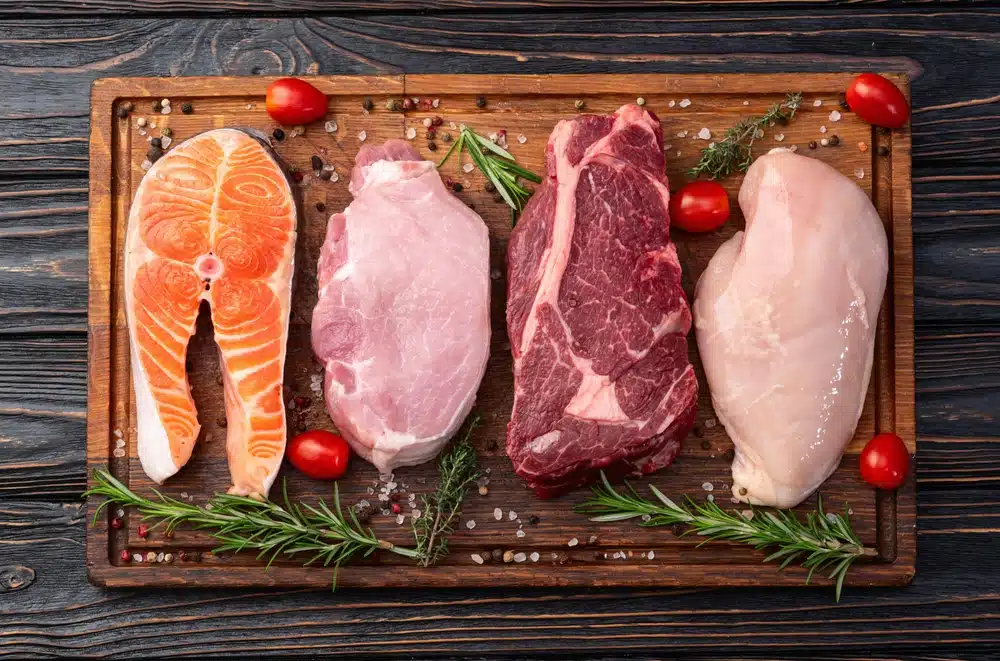
Chicken, beef, salmon

Foods to Avoid During Pregnancy

Just as with any dog, certain foods should always be kept off the menu for a pregnant dog, and a few are worth extra caution during pregnancy specifically:

  • Onions, leeks and chives, which are toxic to dogs at any life stage
  • Grapes, raisins and sultanas, which can cause serious harm even in small amounts
  • Chocolate, caffeine and anything containing xylitol
  • Excessive liver or other vitamin A-rich organ meat fed in large amounts, as very high vitamin A intake during pregnancy is best avoided [4]
  • Unbalanced, single-ingredient diets that don’t provide the full range of nutrients mum and her puppies need
  • Any sudden, drastic diet changes after the four-week mark, as mentioned earlier

If you’re ever unsure whether something is safe, it’s always worth checking with our nutrition team or your vet before offering it.

Nutritional Guidance for Each Stage of Pregnancy

0-4 Weeks

Throughout pregnancy, I recommend a balanced complete raw diet, starting at the usual guideline amount of 2–3% of ideal body weight. Avoid overfeeding in the early stages — overweight dogs tend to have harder labours, but follow her lead as the pregnancy progresses, as individual needs vary by breed, activity level, and stress.

Pregnancy hormones can also cause constipation, so increasing fibre is helpful. Lightly cooked green vegetables such as green beans, kale, and broccoli keep things moving, and bone broth is worth adding too, it provides easily absorbed nutrients and electrolytes while the extra moisture supports digestion.

4-8 Weeks

Nausea may begin around this stage alongside the need to increase food intake. A smaller morning meal can help, and bone broth is useful here too; it’s easy on the stomach while still delivering nutrients when appetite is low.

From around week 5, increase food quantity by 5–10% each week, guided by her weight, litter size, and condition. From week 6, move to smaller, more frequent meals and reduce bone content to around 5% feeding boneless meats, eggs, fish, and offal to help achieve this balance. Adding a quality omega-3 oil such as green lipped mussel or wild fish oil supports both mum’s health and puppy development.

Fresh water should be freely available at all times, and bone broth can contribute to hydration too. She’ll be thirstier than usual but will also need to urinate more frequently, so keep that in mind.

8-9 Weeks

As the litter takes up more space, smaller and more frequent meals become essential, with bone content removed entirely. Her appetite will naturally guide you here, it’s normal for pregnant dogs to eat less towards the end, and some stop eating altogether. Bone broth keeps her hydrated and nourished when food isn’t appealing.

Pickiness often peaks at this stage too. Keep a variety of raw options on hand, follow her lead, and don’t be surprised if her preferences change day to day.

For further reading, I recommend Grow Your Pups with Bones by Dr. Ian Billinghurst and Book of the Bitch by J.M. Evans and Kay White.

Why Hydration Matters During Pregnancy

Hydration becomes increasingly important as pregnancy progresses, supporting amniotic fluid levels, circulation and milk production further down the line. A pregnant dog’s water needs naturally rise as her pregnancy advances, so always make sure fresh water is available alongside her meals.

Bone broth is a useful way to boost her fluid intake, especially in the later stages when she may be eating less but still needs consistent hydration. If you notice signs of dehydration, such as dry gums or reduced energy, it’s worth checking in with your vet.

Common Mistakes When Feeding a Pregnant Dog

A few feeding mistakes come up again and again with pregnant dogs, and they’re easy to avoid once you know what to look for:

  • Overfeeding too early, before her nutritional needs have actually increased
  • Making sudden, drastic diet changes after the four-week mark
  • Increasing bone and calcium intake before whelping
  • Not increasing food quantity gradually enough as pregnancy progresses
  • Overlooking hydration, particularly in the final weeks
  • Sticking rigidly to one feeding schedule rather than adapting to her changing appetite
  • Forgetting to increase calcium and protein once she starts lactating
PREGNANT DOG

Signs to Watch for and When to Consult a Vet

Most pregnancies progress smoothly, but it’s worth knowing which signs warrant a call to your vet. Get in touch promptly if you notice:

  • A complete loss of appetite lasting more than 24 hours
  • Lethargy or weakness that’s out of character for her
  • Unusual vaginal discharge, particularly if it’s green, black or foul-smelling
  • A noticeable drop in body temperature in the final days before her due date
  • Straining or contractions without a puppy arriving within a reasonable timeframe
  • Sudden, significant weight loss

Trust your instincts here. You know your dog better than anyone, and if something feels off, a quick call to your vet is always the right move.

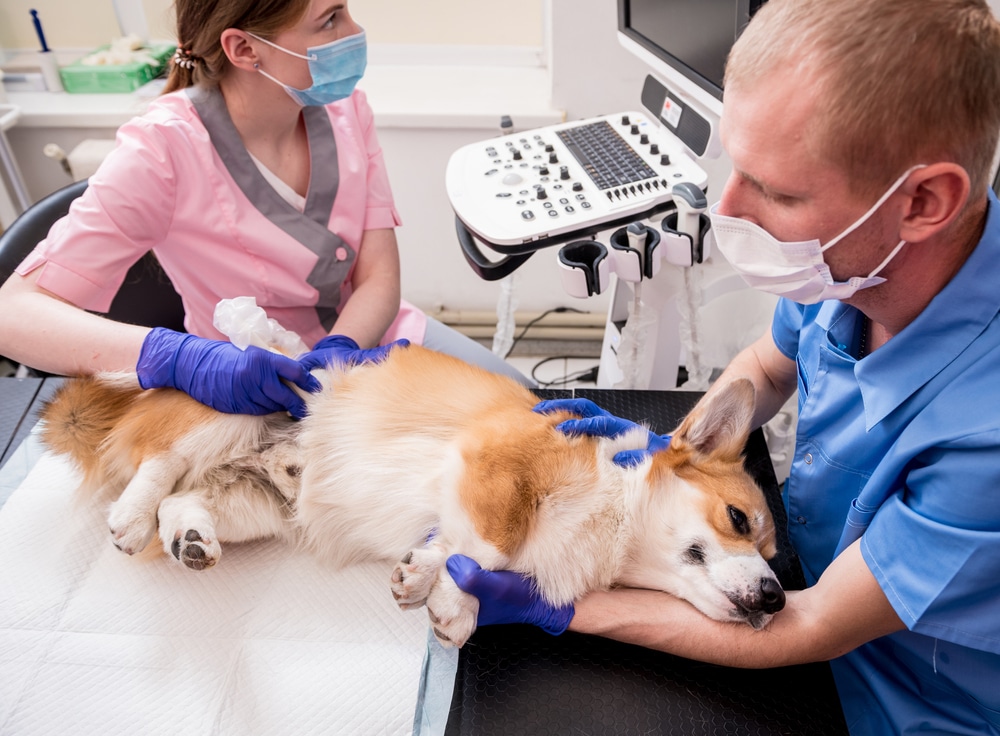
PREGNANT DOG AT VETS

Nutritional Guidance After Birth

Importance of postpartum nutrition

Once your pregnant dog becomes a proud mum, her nutritional needs make somewhat of a shift. She still requires the essential canine nutrients found in a species-appropriate raw diet, but now her body needs additional support to recover. Her pregnancy has taken a toll on her even if she’s in optimal health, and the right nutrition will go a long way towards helping her heal.

Providing new mums with targeted nutrient support such as ProDog’s energy support supplement for dogs: Revive is an excellent way to help support their bodies as they heal and recover. It’s packed with nutrients such as antioxidants, essential amino acids, vitamins and fatty acids that support muscle recovery, immune function, and natural detoxification, while helping keep energy levels balanced for minding those busy new pups.

Dietary considerations for lactation and recovery

This is the time to increase calcium. Providing access to raw bones and increasing bone content in mum’s food will help support her milk supply. As well as calcium, high levels of natural, animal-based protein is essential for the production of milk. Eggs, extra meat, and oily fish can be especially helpful.

The lactation period creates the hardest strain on a mum, so lots of nutrient dense food is important to keep her well fuelled, so she doesn’t lose weight or condition. Here, mum can be fed ALL that she wants/needs; especially if she has a large litter to feed.

ProDog’s multivitamins for dogs supplement: Boost, and energy support supplement: Revive, are great supplements here as well as they provide targeted nutrient support in addition to mum’s healthy diet.

The Holistic Approach to Pregnancy

I highly recommend a holistic approach to canine pregnancy as it considers the overall wellbeing of a dog, not just the presenting symptoms. Holistic vets are skilled across nutrition, herbal therapy, stress reduction, and more, with the aim of keeping mum as healthy as possible throughout, while minimising exposure to unnecessary treatments and medications. This allows puppies to develop as nature intended: carefully monitored and nourished, without heavy intervention.

Stress management is a particular strength of holistic practice. Because the approach is largely non-invasive, mum and her puppies avoid undue anxiety, which matters as stress can disrupt hormone balance, digestion, and overall pregnancy health. Techniques such as massage, acupuncture, herbal remedies, and dietary adjustments all contribute to a calmer, healthier pregnancy and better outcomes at whelping.

Final Thoughts

Your dog’s pregnancy can be an exciting time, for both you and the mum-to-be. With the right approach to what to feed your pregnant dog at each stage, she can stay healthy, happy and well-supported, all the way through to whelping and beyond.

Healthy, species-appropriate food, the right supplements where needed, and plenty of love and patience from you make all the difference. Ready to talk through your dog’s specific feeding plan? Our nutrition team is here to help, free of charge.

FAQs

What should you not feed a pregnant dog?

Avoid onions, grapes, raisins, chocolate, caffeine and anything containing xylitol, all of which are unsafe for dogs at any life stage. It’s also best to avoid sudden diet changes after the four-week mark and to steer clear of unbalanced, single-ingredient meals that don’t meet her full nutritional needs.

How many times a day should you feed a pregnant dog?

Early in pregnancy, most dogs do well on their normal feeding routine. As she progresses past week six, smaller, more frequent meals (three to four a day) tend to work better than fewer, larger ones, especially as her puppies take up more space.

What’s good to give heavily pregnant dogs?

In the final weeks, focus on boneless meats, eggs, fish and organ meats in small, frequent portions, alongside bone broth for hydration and easily absorbed nutrients. Let her appetite guide portion sizes, as it’s normal for her to eat less as her due date nears.

What can I give my dog during pregnancy?

A balanced, species-appropriate raw diet covers most of what she needs, with bone broth, oily fish, eggs and organ meats as useful additions. ProDog’s Colostrum and bone broth are also worth considering for extra nutrient support throughout pregnancy.

When should I increase my pregnant dog’s food?

Most dogs need little change in the first four weeks. From around week five, gradually increase her food by 5-10% each week, continuing to adjust through to whelping based on her appetite and your vet or nutritionist’s guidance.

Can I feed my pregnant dog raw food?

Yes. A well-balanced raw diet is an excellent way to support a pregnant dog, since the nutrients she needs are naturally present and easily absorbed. Just be sure to avoid drastic diet changes after the four-week mark.

Is bone broth good for pregnant dogs?

Bone broth can be a helpful addition throughout pregnancy, offering hydration, electrolytes and easily assimilated nutrients, particularly useful during nausea, constipation or reduced appetite in the later stages.

How much weight should a pregnant dog gain during pregnancy?

Weight gain varies depending on breed, size and litter size, so there’s no single target figure. Your vet or canine nutritionist can help you monitor whether her weight gain is on track for her individual pregnancy.

References

  1. Forkun, V., Bobrytska, O. Jun 2023. Individual features of the prenatal stress manifestation in bull terrier female dogs. Theoretical and Applied Veterinary Medicine, 11(2). Doi: 10.32819/2023.11007
  2. Fontaine, E. Dec 2012. Food Intake and Nutrition During Pregnancy, Lactation, and Weaning in the Dam and Offspring. Reproduction in Domestic Animals. 47(6):326-330. Doi: 10.1111/rda.12102
  3. Orlandi, R.,Vallesi, E., Calabro, S.,Vastolo, A., Musco, N., Troisi, A., Polisca, A., Lombardi, P., Cutrignelli, M. Dec 2020. Effects of Two Commercial Diets on Several Reproductive Parameters in Bitches: Note One — From Estrous Cycle to Parturition. Animals, 11(1):23. Doi: 10.3390/ani11010023
  4. Schmid, R., Brutlag, A., Gollakner, R., & Ward, E. (2025). Vitamin A toxicity in dogs. VCA Animal Hospitals. Accessed August 2026 

0 comments

Leave a Reply

Your email address will not be published. Required fields are marked *

Try Raw Puppy Food Bundle