Subscribe and Save 5% on Every Order.
Subscribe and Save 5% on Every Order. New to ProDog? Save 25% On Your First Bundle. Discount will auto apply at checkout.
0 Basket
Trusted since 2016 | 11,000,000 bowls licked clean
11,000,000 bowls licked clean
Excellent 15.1k+ reviews
Vet approved | Nutritionist Formulated

Vitamin K For Dogs: What it Does and Why it Matters

Vitamin K for dogs is a quiet nutrient with an important job: helping blood clot, so a nicked paw pad or a graze in the garden stops bleeding and heals without a second thought. Most dogs get all the vitamin K they need from their food and from the friendly bacteria in their gut [1], so for most owners it’s a nutrient that never needs a second thought. Knowing how it works, and the one common risk that can get in its way, simply means you’re prepared if it ever matters.

Alison Frost, Canine Nutritionist

Author: Alison Frost

Alison Frost is ProDog’s Head of Nutrition and Product Development, with over two decades of experience advocating natural diets for dogs.

Vitamin K For Dogs: What it Does and Why it Matters

Blog in 60 Seconds

In this guide, you will learn:

  • Why vitamin K does more than help blood clot, it also supports your dog’s bones, heart and liver
  • The real difference between K1 and K2, and why most dogs get both without you doing anything
  • The signs of deficiency to watch for, and who’s actually at risk
  • Why rat poison is the most common cause of it in dogs, and what to do if you suspect exposure
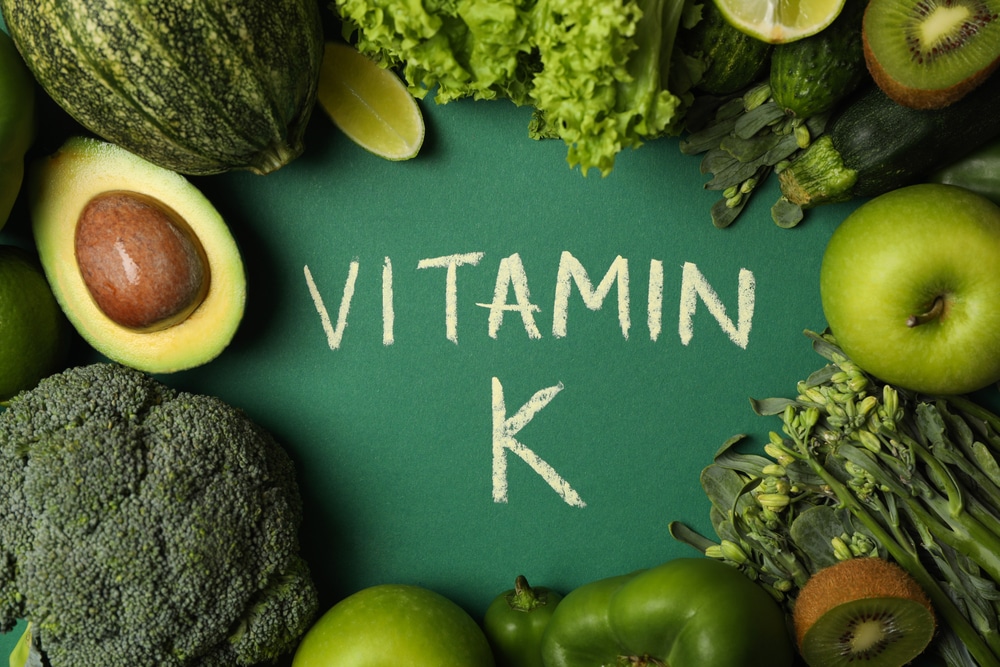
  • The natural food sources that keep levels topped up through a species-appropriate diet

With many years of experience advising dog owners on nutrition, from brand-new puppy parents to those supporting senior dogs through the later stages of life, I’ve helped countless owners make sense of the nutrients that quietly keep their dogs healthy. Vitamin K is one of those nutrients. It rarely makes headlines, but it’s essential, and understanding it properly can make all the difference if your dog is ever exposed to something like rat poison.

As Lead Canine Nutritionist at ProDog, my role is to translate the science into something clear and useful. In this Expert Guide, I break down what vitamin K for dogs actually does, where your dog gets it from, the signs of deficiency to watch for, and how a species-appropriate diet supports healthy levels naturally.

What is Vitamin K and Why Do Dogs Need It?

Vitamin K is a fat-soluble vitamin with one standout job: helping your dog’s blood clot. Without it, the body can’t seal off a bleed properly, which is why a shortage can turn something minor into something serious.

Here’s the reassuring part. Dogs don’t rely purely on their food for this vitamin. In fact, friendly bacteria living in a healthy gut contribute, which is one reason true deficiency is rare in dogs eating a balanced diet with food made from all-natural ingredients. There’s just one common thing that can switch this whole system off fast, and worth every dog owner knowing about: anticoagulant rat poison. We’ll come back to that shortly.

K1 vs K2: What’s the Difference?

There are two forms worth knowing. Vitamin K1 comes from leafy green plants and is the type most directly involved in clotting. K2 comes from animal foods, organ meats and egg yolks especially, and is also made by gut bacteria. The latter takes on a second job too: helping direct calcium to where it’s actually needed, like bone, rather than where it isn’t, like the arteries.

How Vitamin K Works in the Body

Think of vitamin K as a key, not the lock. It switches on the proteins that do the actual work. Your dog absorbs it alongside the fat in their meals, and the liver then recycles it again and again, so the same vitamin K gets reused. Rat poison interferes with exactly this recycling loop; more on that shortly.

Both forms work by switching certain proteins on. K1 mostly switches on the clotting side; K2 mostly switches on the calcium side. A dog eating a varied, species-appropriate diet, with plant and animal ingredients, naturally gets both.


vitamin k for dogs - blood clotting

The Role of Vitamin K in Blood Clotting

What Happens When Blood Can’t Clot Properly

Several of the proteins that make blood clot need vitamin K to switch on. Without it, they stay dormant. Bleeding then doesn’t need a dramatic injury to start. It can happen quietly inside the chest, abdomen, joints or gut, often with no obvious wound. You might only notice when your dog seems tired, has pale gums or is breathing heavily.

The Clotting Cascade Explained Simply

Clotting works a bit like a relay race, one protein hands off to the next until a stable clot forms. Vitamin K is what lets several of those runners start at all. One of them runs out fastest, which is usually the first sign that something’s wrong.

Other Benefits of Vitamin K for Dogs

Vitamin K and Calcium

Blood clotting is vitamin K’s best-known job, but not its only one. It also switches on proteins that bind calcium, including osteocalcin, which plays a part in bone metabolism. Without enough vitamin K, those proteins can’t do their work properly. [1].

Cardiovascular Health

Vitamin K-dependent proteins are also found in blood vessel walls, though research in dogs specifically is still limited. Again, most of the evidence here comes from broader research rather than dog-specific studies, but it’s a useful piece of the healthy ageing picture. 

Liver Function

Because it gets recycled through the liver, healthy liver function and healthy vitamin K status go hand in hand. Dogs with significant liver disease can struggle to recycle it properly, one of the less common reasons a dog might become deficient.

Vitamin K Deficiency in Dogs

True deficiency is rare. Most dogs get all the vitamin K they need from their food and the friendly bacteria in their gut [1]. When it does happen, it usually comes down to one of a few causes.

Causes of Deficiency

  • Rat or mouse poison, the most common cause of sudden, severe deficiency
  • Liver disease or blocked bile flow, since bile is needed to absorb vitamin K and the liver recycles it [1]
  • Digestive conditions that affect how fat is absorbed, such as inflammatory bowel disease (IBD) or exocrine pancreatic insufficiency (EPI), because vitamin K is fat-soluble and needs fat to be absorbed properly
  • Long courses of antibiotics, which can reduce the gut bacteria that make vitamin K naturally
  • A severely unbalanced homemade diet with no vitamin K-rich ingredients at all

Signs and Symptoms to Watch For

Because deficiency affects clotting, the signs are almost always about bleeding: bruising that doesn’t add up, bleeding gums, blood in urine or stool, nosebleeds, swollen joints, pale gums, tiredness, or heavy breathing. If you spot any of these, call your vet straight away.

Which Dogs Are Most at Risk?

Dogs with access to gardens, sheds, farms, or anywhere rodent control is used carry the highest risk of accidental exposure. Dogs with liver or digestive disease, or those on long courses of antibiotics, carry a smaller but real risk too.

signs of vitamin k deficiency in dogs

When is Vitamin K Supplementation Needed?

Vitamin K as a Prescribed Medication

Outside of confirmed rat poison exposure or a diagnosed condition affecting how your dog processes vitamin K, most healthy dogs don’t need supplementation. When it is needed, K1 is prescription-only, and the amount, form and how long it’s given for are calls for your vet to make, not something to work out independently.

Oral vs Injectable Vitamin K1

Your vet might start with an injection in a clinic setting before moving to tablets at home, depending on how serious the exposure was. Which route, and for how long, comes down to your dog’s individual case, and that decision sits with your vet.

How Long Does Treatment Last?

This varies a lot depending on which poison was involved; some clear the body within days, others linger for weeks, and your vet will use follow-up blood tests to confirm when it’s safe to stop. Never stop or change a course of treatment without checking with your vet first, even if your dog seems back to normal.

Can Dogs Have Too Much Vitamin K? 

Natural forms (K1 and K2) have a wide safety margin. K3 is a synthetic form that isn’t used the way natural K1 and K2 are, and high amounts have caused problems in lab studies, so natural sources are the sensible default. If you’re thinking of adding a supplement, your vet or a canine nutritionist can help.

The Bigger Picture

Vitamin K works quietly in the background right up until the moment it matters. Most dogs eating a balanced, species-appropriate diet are well covered without you needing to think about it. Knowing the signs of deficiency, and what to do if you ever suspect rat poison exposure, means you’re prepared if the moment comes. With the basics of vitamin K for dogs covered, you’ll know what to watch for and when to call your vet.

If you’d like a tailored look at whether your dog’s diet, whether that’s our raw dog food or something else, is covering everything they need, or you want guidance on our dog supplements range, our nutrition team is here to help.

Need help with your dog’s diet?

Contact ProDog’s expert team today for FREE tailored canine nutrition advice

Contact an Expert

FAQs

Is vitamin K important for dogs?

Yes. It’s essential for blood clotting, and vitamin K-dependent proteins also play a part in bone and blood vessel tissue. Most dogs produce enough naturally via gut bacteria, with food acting as a helpful top-up.

How long should a dog take vitamin K?

This depends on why it’s prescribed. For rat poison exposure, treatment often continues for weeks, with your vet confirming via blood tests when it’s safe to stop.

Can too much vitamin K hurt a dog?

Natural forms (K1 and K2) have a wide safety margin. K3 is a synthetic form that isn’t used the way natural K1 and K2 are, and high doses have caused problems in lab studies, so natural sources are the sensible default. 

Can vitamin K stop internal bleeding in dogs?

Vitamin K1 is the prescription antidote for anticoagulant rat poison, restoring the clotting factors the poison has depleted. It isn’t a home remedy; active bleeding is a medical emergency requiring immediate veterinary care.

What are the signs of vitamin K deficiency in dogs?

Unexplained bruising, bleeding gums, blood in urine or stool, nosebleeds, pale gums, swollen joints, lethargy, or laboured breathing. Any of these warrant an urgent call to your vet.

Can raw feeding prevent a deficiency in dogs?

A varied raw diet including organ meats and leafy greens naturally supports healthy vitamin K status. It won’t protect against rat poison exposure, a toxicological event rather than a dietary one.

What foods are naturally high in vitamin K for dogs?

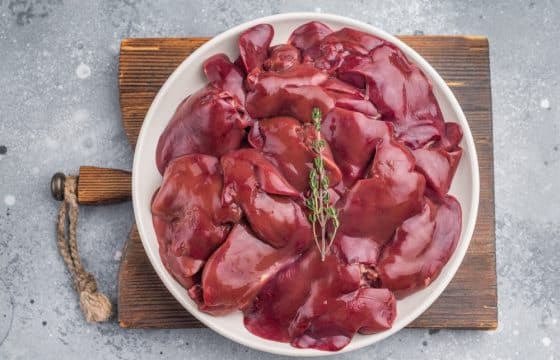
Liver and other organ meats are among the richest sources of K2, with egg yolks contributing too. Leafy greens like kale and wheatgrass provide K1.

Is vitamin K1 or K2 better for dogs?

They’re not competitors, they do different jobs. K1 leads on blood clotting, K2 leads on directing calcium to bone and away from soft tissue. A varied diet naturally provides both.

Can a dog recover from rat poison with vitamin K treatment?

Yes, dogs treated early, ideally before bleeding starts, generally do very well. Prompt veterinary attention is key, since the delay between ingestion and visible symptoms is what makes this poisoning dangerous if missed.

References

0 comments

Leave a Reply

Your email address will not be published. Required fields are marked *

DISCOVER RESET