



Subscribe and Save 5% on Every Order.
Subscribe and Save 5% on Every Order. Trusted Since 2016. 11 Million Bowls Licked Clean.
0 Basket
Trusted since 2016 | 11,000,000 bowls licked clean
11,000,000 bowls licked clean
Excellent 15.1k+ reviews
Vet approved | Nutritionist Formulated

Offal for Dogs: Benefits, Types and How to Feed Organ Meat Safely

Offal for dogs is one of raw feeding’s most nutrient-dense ingredients, gram for gram, it outperforms muscle meat on almost every measure. Liver, kidney and heart deliver a concentration of vitamins and minerals that your dog’s wild ancestors instinctively sought out first. Get the basics right, and offal becomes one of the simplest ways to boost your dog’s diet, no extra effort required.

In this guide, our Lead Canine Nutritionist, Alison Frost, draws on years of experience feeding dogs a truly species-appropriate diet to break down the benefits of offal, the different types, and how to feed it safely.

Alison Frost, Canine Nutritionist

Author: Alison Frost

Offal for Dogs: Benefits, Types and How to Feed Organ Meat Safely

Blog in 60 Seconds

In this guide, you will learn:

  • What offal actually is, and why wild canines eat it first
  • The real nutritional benefits organ meat brings to your dog’s diet
  • Which organ meat to prioritise, and which to feed only occasionally
  • How much offal your dog needs, worked out weekly rather than daily
  • How to prepare and source safely

Offal is the ingredient that raises the most eyebrows, and the most questions, of anything I recommend as a canine nutritionist. I get it. Organ meat isn’t something most of us grew up eating, let alone feeding our dogs, so the uncertainty around what to use, how much, and why it matters is completely understandable.

That uncertainty is exactly what I want to clear up. Here, I’ll cover what offal offers your dog nutritionally, which organ meats to prioritise, how much to feed, and how to introduce it safely, so you can give your dog the benefit of this ingredient without any of the guesswork.
What Is Offal?

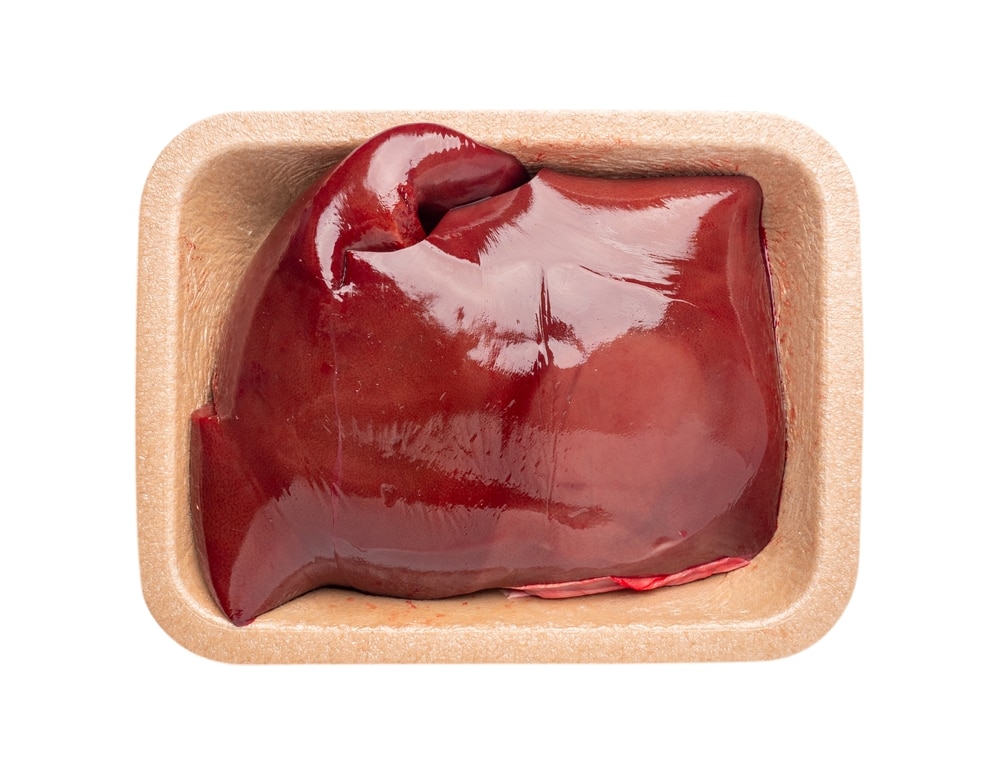
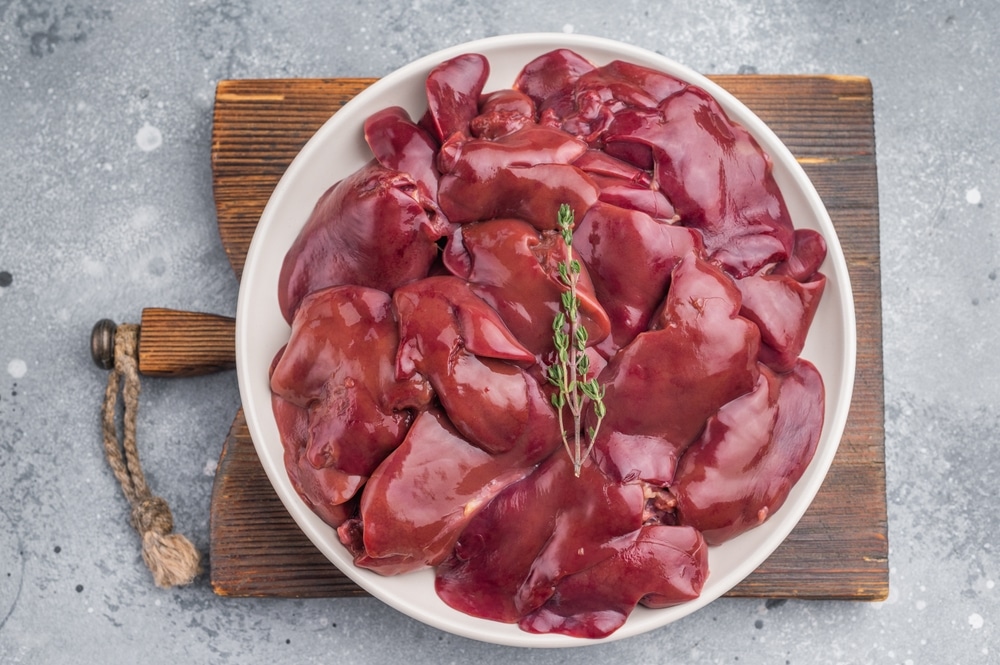
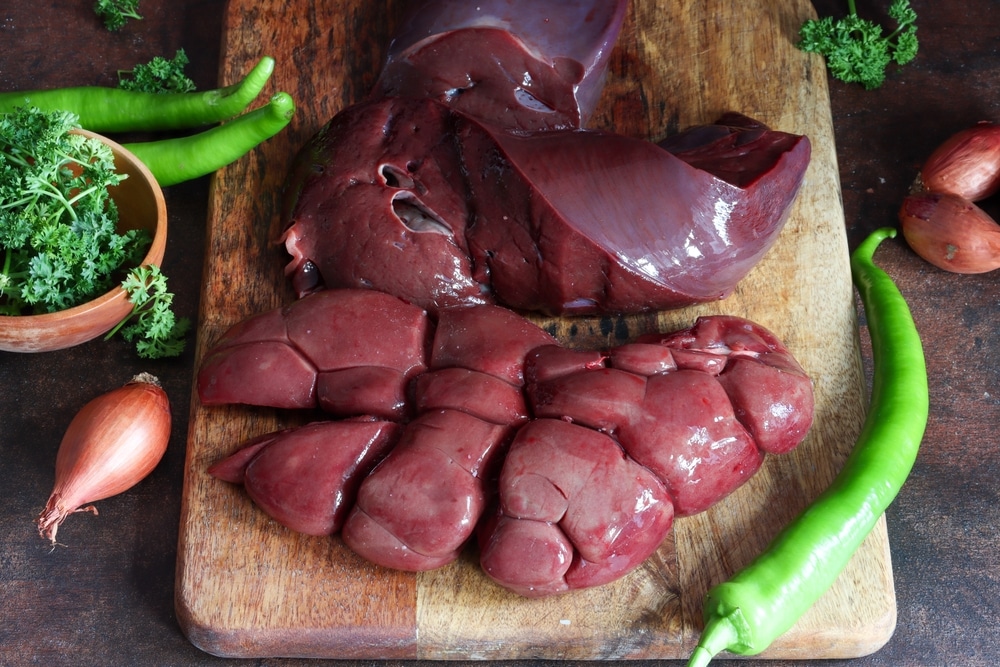
Offal refers to the organ meat and other non-muscle parts of an animal: liver, kidney, tripe and similar tissues, sometimes called variety meats or viscera, that should make up part of most dog breed’s diet. In the wild, these are the parts a dog’s ancestors would eat first, not the muscle meat we tend to think of as “proper” meat.

Where muscle meat provides protein and amino acids, organ meat works differently. Organs like the liver and kidney are metabolically active tissue, which means they’re naturally concentrated with vitamins, minerals and other nutrients your dog’s body puts to immediate use. If you want the fuller picture of how organ meats fit alongside muscle meat and bone in a balanced diet, our raw feeding guide breaks it down.

offal dog food

The Benefits of Organ Meat for Dogs

Offal is a nutritional powerhouse, and the evidence backs that up. Analytical studies of beef offal cuts have found that organ meats like liver and kidney consistently qualify as ‘excellent source’ foods for protein and key B-vitamins such as riboflavin and B12, matching the nutrient density of muscle meat while often coming at a lower cost [1].

Comparative research looking at trace elements across muscle and organ tissue supports this. Offal, particularly liver and kidney, is generally richer in trace minerals than the equivalent weight of muscle meat [2]. The benefits of organ meat for dogs, in practice, include:

  • Supports normal energy metabolism, thanks to concentrated B-vitamin content
  • Contributes to healthy skin and coat, alongside the fats found in muscle meat and fish
  • Helps maintain immune resilience, through zinc, iron and other trace minerals
  • Provides highly bioavailable iron and copper, in forms the body recognises and uses efficiently

These aren’t reasons to overfeed it (more on that shortly), but they explain why raw feeders treat it as a cornerstone ingredient rather than an optional extra.

Best Offal for Dogs

Liver and Kidney

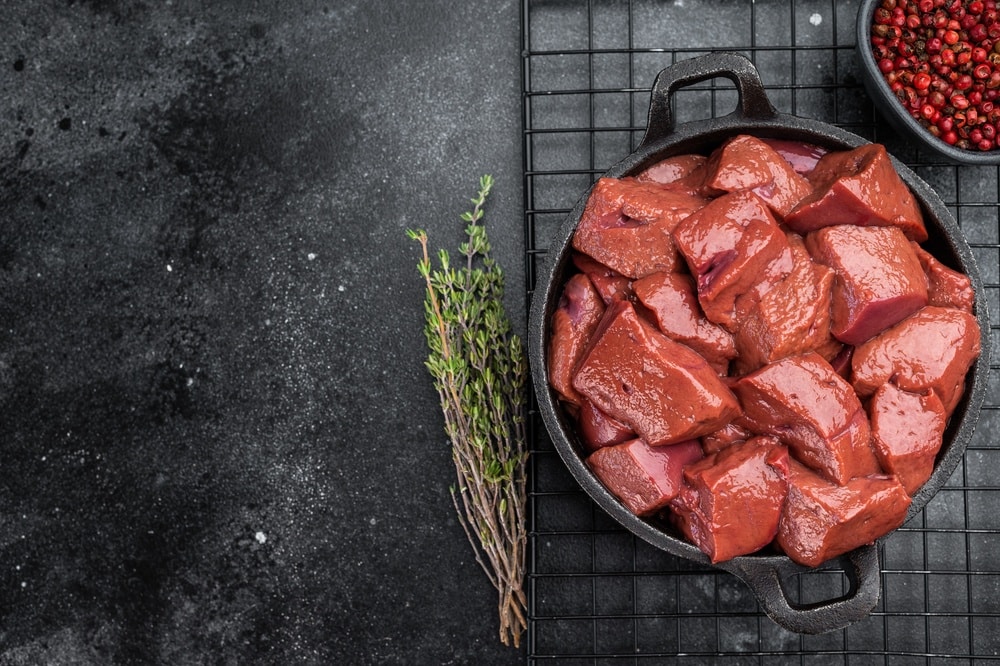
Liver and kidney are two organ meats we recommend prioritising. Liver is the most nutrient-dense of the three, particularly rich in vitamin A, copper, zinc and B-vitamins, but it’s also the one to feed in the smallest quantity relative to the others, given how concentrated it is. Kidney offers a similar nutrient profile with a slightly different mineral balance.

Other Types of Organ Meat for Dogs

Beyond liver and kidney, tripe (particularly green tripe), spleen, pancreas and lung all bring something slightly different to the bowl. Green tripe is popular with raw feeders for its natural digestive enzymes and gut-friendly profile, and it’s one of the few offal options that’s naturally lower in the concentrated vitamin content that means liver and kidney need to be fed in moderation. Our guide to 80:10:10 raw feeding explains exactly how much organ meat fits into that ratio.

A Note on Heart

Heart is often grouped in with offal, but it’s technically a muscle meat, and a genuinely nutrient-dense one. It’s one of the richest natural sources of taurine for dogs, along with CoQ10, both important for heart muscle function itself. Because it doesn’t carry the same concentrated fat-soluble vitamin load as liver or kidney, heart can be fed more generously without the same need for portion control.

At ProDog, our raw offal meals use liver and kidney sourced from beef, lamb, turkey, pork, rabbit and chicken, so if your dog does well on one protein but not another, there’s usually an alternative to try. For dogs who prefer a lighter option, our green tripe options offer the digestive benefits of tripe without the concentrated organ content – i.e. Dalmatians as tripe is low purine. the digestive benefits of tripe without the concentrated organ content.

Is Offal Already Included in Complete Raw Dog Food?

Yes, in most cases. Many of our Complete range meals contain offal and are formulated with organ meat already balanced in, so if you’re feeding offal dog food from a Complete range, provided you are feeding variety across the range you don’t need to add anything extra. Those Complete meal recipes without offal are nutritionally balanced using ingredients such as wheatgrass, kelp and pumpkin seeds to ensure they still meet FEDIAF standards naturally.

Our Pure 80:10:10 range follows the same principle in a slightly different format: 80% muscle meat, 10% ground bone and 10% offal, giving you full control if you prefer to build your dog’s diet from the individual components yourself.

Not every dog can eat it however, and that’s fine too. Our offal-free options exist specifically for dogs with sensitivities, so switching them out doesn’t mean compromising on the rest of the diet.

How Much Offal Should Dogs Eat?

As a general guide, offal makes up around 10% of a species-appropriate raw diet, but that’s a helpful ballpark rather than a number to chase. Offal’s role is really about the micronutrients it brings, and there’s more than one way to get there.

Our Turkey, Pork, Beef with Offal and Lamb with Offal Complete meals, along with our Pure range, have around 10% offal already built in, so if that’s what you’re feeding, there’s nothing more to work out. But not every dog can eat offal, so our offal-free options cover the same ground differently, with ingredients like wheatgrass and pumpkin seed supplying some of the micronutrient’s offal would otherwise provide, keeping the meal complete without any organ meat at all.

That’s why we don’t want you getting hung up on hitting 10% exactly. If you’re feeding a mixed bundle that includes some offal-free meals, there’s no need to top up with extra offal elsewhere to make up the difference, the overall diet is already designed to work as it is.

how much offal for dogs

Can Dogs Eat Too Much Offal?

It’s possible to feed too much, and liver is the one to watch most closely because of how concentrated it is in fat-soluble vitamins. Feeding significantly more than the recommended 10% consistently, particularly liver-heavy meals, can tip a dog’s intake of certain nutrients higher than needed over time.

Copper is a good example of why this matters. Beef liver in particular carries a naturally high copper content, and copper needs to stay in balance with zinc for both minerals to do their job properly. It’s part of why we don’t include beef liver across every one of our recipes. Sticking to single protein sources for liver, rather than layering it in everywhere, keeps copper intake within a healthy range without crowding out zinc.

Need help with your dog’s diet?

Contact ProDog’s expert team today for FREE tailored canine nutrition advice

Contact Us

Raw vs Cooked Offal for Dogs

Raw offal for dogs is generally considered the gold standard among raw feeders, since cooking can reduce the availability of some heat-sensitive nutrients, particularly certain B-vitamins. It’s also simply how it is designed to be fed within a raw diet, alongside raw muscle meat and bone.

That said, cooked offal isn’t off the table if raw doesn’t suit your household, whether that’s down to personal preference, a puppy’s immature gut, or another dog in the home with specific needs. Lightly cooking (steaming, air or pan frying in coconut oil/ butter with no added oils, salt or seasoning) retains most of its nutritional value while reducing bacterial load, which some owners find gives them extra peace of mind.

Whichever you choose, the same feeding ratios apply. What matters most is consistency, not whether it went in the pan first.

How to Safely Prepare and Source Offal

Offal spoils faster than muscle meat, so sourcing and handling it properly matters more here than almost anywhere else in a raw diet and is exactly why supplier standards matter. In practice:

  • Buy from a trusted, DEFRA-approved supplier with clear traceability, not an unknown or unregulated source
  • Keep it properly frozen until you’re ready to feed it, and thaw only what you need
  • Feed within the timeframe recommended once thawed
  • Wash hands, bowls and surfaces thoroughly after handling, as you would with any raw meat

At ProDog, all our meat, bone and offal come from DEFRA and British Farm Assured sources, sourced within the UK.

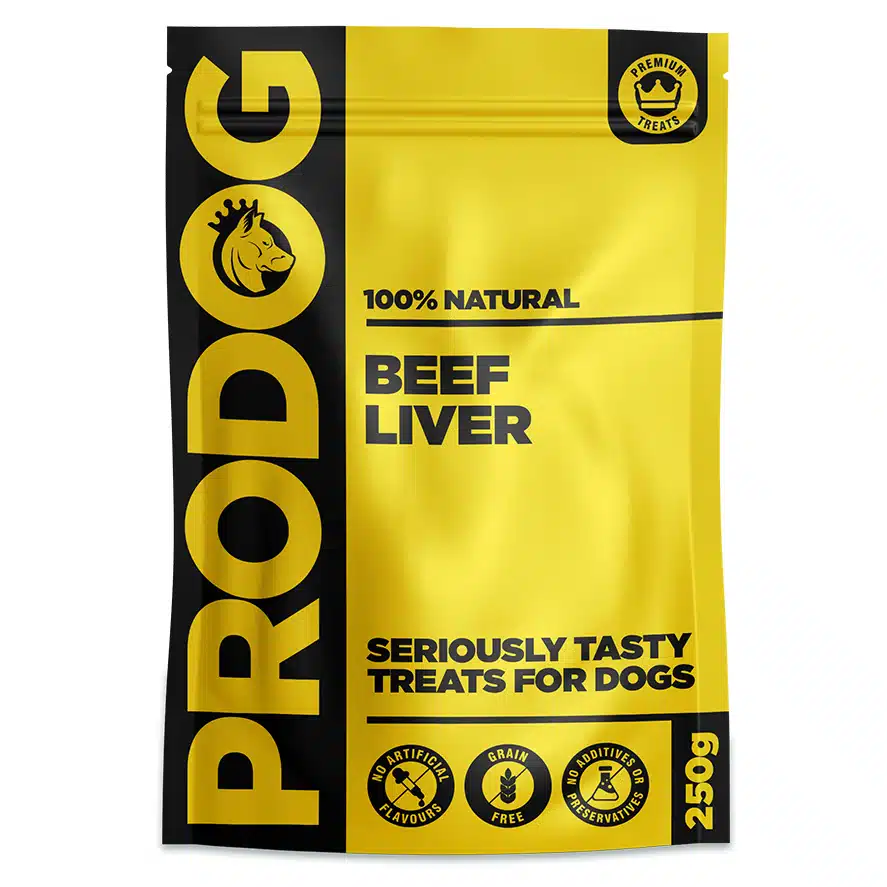
If your dog won’t eat offal raw at all, our dehydrated liver treats are a genuinely useful alternative that still count toward their weekly intake.

Summary and Key Takeaways

Offal might not be the most glamorous ingredient in the bowl, but it’s one of the most valuable. Liver, kidney and heart bring a concentration of vitamins, minerals and B-vitamins that muscle meat simply can’t match, and getting the ratio right, around 10%, averaged over the week rather than obsessed over daily, means your dog gets the benefit without the guesswork.

Whether you’re building your dog’s diet from individual cuts or want it done for you, organ meat deserves its place in the bowl. Explore ProDog’s Pure range,

FAQs

Can dogs eat offal every day?

Yes, but it doesn’t need to be measured out daily. Aim for offal to make up around 10% of your dog’s overall diet averaged across the week, rather than hitting that figure with every single meal.

How much offal should I feed my dog?

As a general guide, around 10% of your dog’s overall diet. If you’re not feeding offal daily, simply increase the portion on the days you do include it, so the weekly total still averages out.

Is raw or cooked offal better for dogs?

Raw is generally considered the gold standard, since cooking can reduce some heat-sensitive nutrients. Lightly cooked offal is a reasonable alternative for dogs who need it, provided it’s plain, with no oils, salt or seasoning.

Which offal is best for dogs?

Liver and kidney are the two we recommend prioritising, thanks to their concentrated nutrient profiles. Liver is the richest of the three, so it’s the one to feed in the smallest quantity relative to the others.

Is offal already included in complete raw dog food?

In most cases, yes. Our Complete range meals containing offal are formulated with organ meat already balanced in at around 10%, so you don’t need to add anything extra.

Can dogs eat raw organ meat safely?

Yes, provided it’s sourced from a trusted, DEFRA-approved supplier and handled the same way you’d handle any raw meat kept frozen until needed, thawed properly, and used within the recommended timeframe.

What if my dog can't tolerate offal?

Some dogs genuinely can’t, and that’s fine. Our offal-free meal options are formulated to give the same overall balance without organ meat, so switching doesn’t mean compromising on the rest of the diet.

Can puppies eat offal?

Yes, offal is a valuable part of a growing puppy’s diet, and all of our puppy recipes include offal already balanced in. As with adult dogs, moderation and variety matter more than any single organ meat dominating the bowl.

References

[1] Fuerniss, H. F., Gifford, C. L., Mortensen, E. G., Belk, K. E., Engle, T. E., & Woerner, D. R. (2024). Nutrient Analysis of Raw United States Beef Offal Items. Nutrients, 16(18), 3104. https://doi.org/10.3390/nu16183104 

Funded by the Beef Checkoff (industry body). Funders had no role in design, analysis or the decision to publish. 

[2] Biel, W., Czerniawska-Piątkowska, E., Kowalczyk, A., et al. (2019). Offal Chemical Composition from Veal, Beef, and Lamb Maintained in Organic Production Systems. Animals, 9(8), 489. https://doi.org/10.3390/ani9080489 

0 comments

Leave a Reply

Your email address will not be published. Required fields are marked *