



Subscribe and Save 5% on Every Order.
0 Basket
Trusted since 2016 | 11,000,000 bowls licked clean
Real, visible energy
Excellent 15.1k+ reviews
Vet approved | Nutritionist Formulated

Omega 3 for Dogs: Benefits, Sources & Everything You Need to Know

Omega 3 is one of the most talked-about nutrients in dog health, and for good reason: it touches almost everything from joints to coat to brain function. But with fish oil, salmon oil, krill oil and plant-based options all claiming to do the same job, it’s easy to end up more confused than when you started.

In this article, Alison Frost, ProDog’s lead Canine Nutritionist, draws on over 20 years’ experience in raw feeding and canine nutrition to cut through the confusion around Omega 3, breaking down how much your dog actually needs, and which sources actually deliver.

Alison Frost, Canine Nutritionist

Author: Alison Frost

Alison Frost is ProDog’s Head of Nutrition and Product Development, with over two decades of experience advocating natural diets for dogs. She’s the architect behind ProDog’s raw food formulations and supplement range, ensuring every product meets the highest nutritional standards.

Omega 3 for Dogs: Benefits, Sources & Everything You Need to Know

Blog in 60 Seconds

In this guide, you will learn:

  • What Omega 3 actually is, and the real difference between ALA, EPA and DHA
  • Why dogs can’t make their own, and what happens when they fall short
  • Which natural foods and oils deliver it, and how fish, salmon, krill and plant sources compare
  • How Omega 3 for dogs supports joints, skin, heart, brain function and a healthy inflammatory response
  • How much your dog actually needs, and the signs of getting the balance wrong

Omega 3 is a nutrient I often get asked about, usually by owners who’ve been told their dog “needs fish oil” without ever being told why, how much, or which kind actually works. Over my 20+ years in raw feeding and canine nutrition, I’ve seen just how much confusion sits around this one nutrient category, and how often dogs end up under-supported simply because the label said “omega” without saying anything useful beyond that.

In this guide, I want to give you the clarity that’s usually missing. I’ll walk you through what Omega 3 does in the body, which sources genuinely raise your dog’s levels, how much they need at different life stages, and how to spot when something’s off. My goal, as always, is to turn the science into something you can actually use with confidence.

What is Omega 3?

Omega 3 is a family of essential fatty acids that dogs cannot produce in meaningful amounts themselves, meaning they must come from diet.

They play a structural and functional role in almost every cell in the body, supporting everything from joint comfort to skin barrier function, heart rhythm, and brain signalling.

Unlike some nutrients dogs can synthesise internally, Omega 3 fatty acids are considered dietary essentials, particularly the long-chain marine forms EPA and DHA. This is why the quality and source in your dog’s diet matters just as much as whether it’s present at all.

omega 3 oil for dogs

The Different Types of Omega 3

Not all Omega 3 is created equal, and this is where most confusion starts. There are three main types dog owners need to know:

  • ALA (alpha-linolenic acid): found in plant sources like flaxseed and hemp. Dogs can technically convert ALA into EPA and DHA, but this conversion is inefficient and slow, meaning ALA alone rarely delivers enough of the fatty acids dogs actually need [1].
  • EPA (eicosapentaenoic acid): a long-chain marine Omega 3, found in fish, krill and green lipped mussel, closely linked to a healthy inflammatory response and joint comfort.
  • DHA (docosahexaenoic acid): the dominant Omega 3 in brain and retinal tissue, essential for cognitive function and visual development, particularly in puppies. Algae oil is particularly high in DHA.

The takeaway: if a product’s Omega 3 comes exclusively from plant sources, your dog is likely getting far less usable EPA and DHA than the label suggests [2].

feeding dogs variety

Why Do Dogs Need Omega 3?

Dogs need it because their bodies use it structurally, not just functionally. EPA and DHA are built directly into cell membranes in the brain and retina and also influence how cells function in the skin and joints through their effects on inflammatory signalling [1].

Without adequate amounts, cell membranes become stiffer and less responsive, which can show up as dull coat condition, stiffer joints, or a less resilient inflammatory response. This is why Omega 3 oils for dogs isn’t a “nice to have” add-on. It’s foundational to how well several major body systems perform day to day.

Signs Your Dog May Benefit from More Omega 3

While a full nutritional review is always the safest way to confirm a gap, some common signs point towards insufficient intake:

  • Dry, flaky or dull-looking coat
  • Excessive shedding beyond normal seasonal changes
  • Stiffness after rest, particularly in older or larger dogs
  • Slower recovery after exercise
  • Reduced enthusiasm for training or mental tasks in senior dogs

If you notice several of these together, it’s worth reviewing your dog’s overall intake, ideally with input from a nutritionist rather than guessing at a supplement.

What Are the Best Natural Sources of Omega 3 Oil for Dogs?

Raw, whole food sources naturally rich in Omega 3 include:

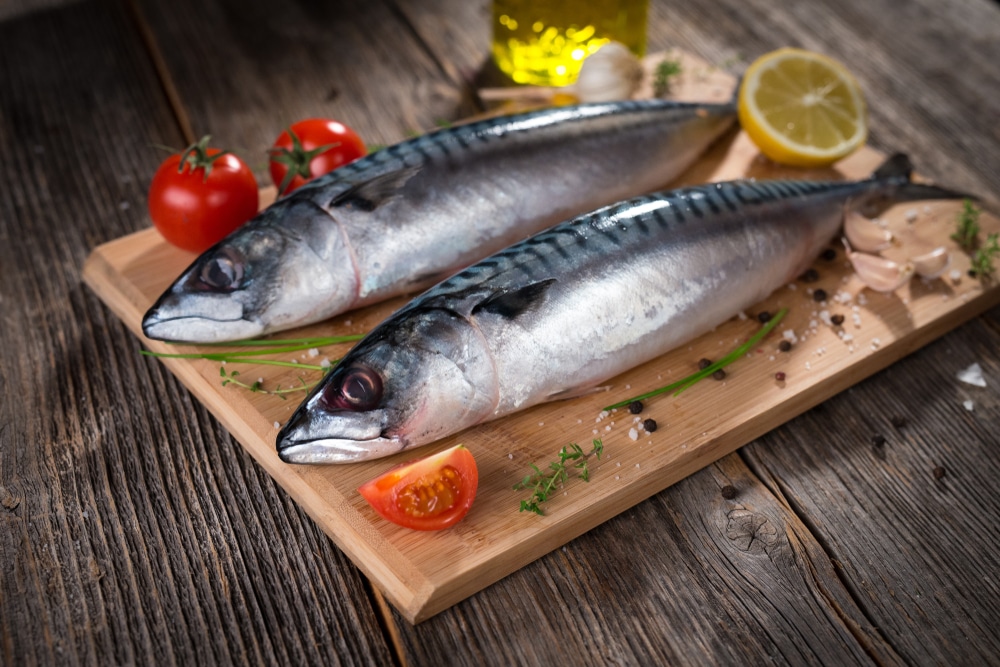
  • Oily fish such as sardines, mackerel and salmon
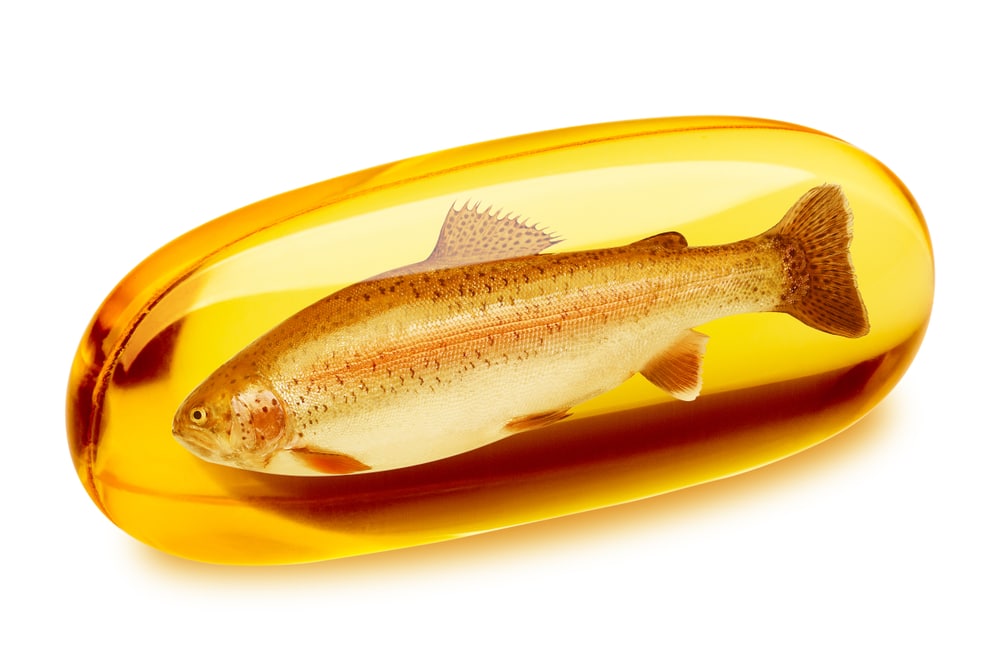
  • Fish oils
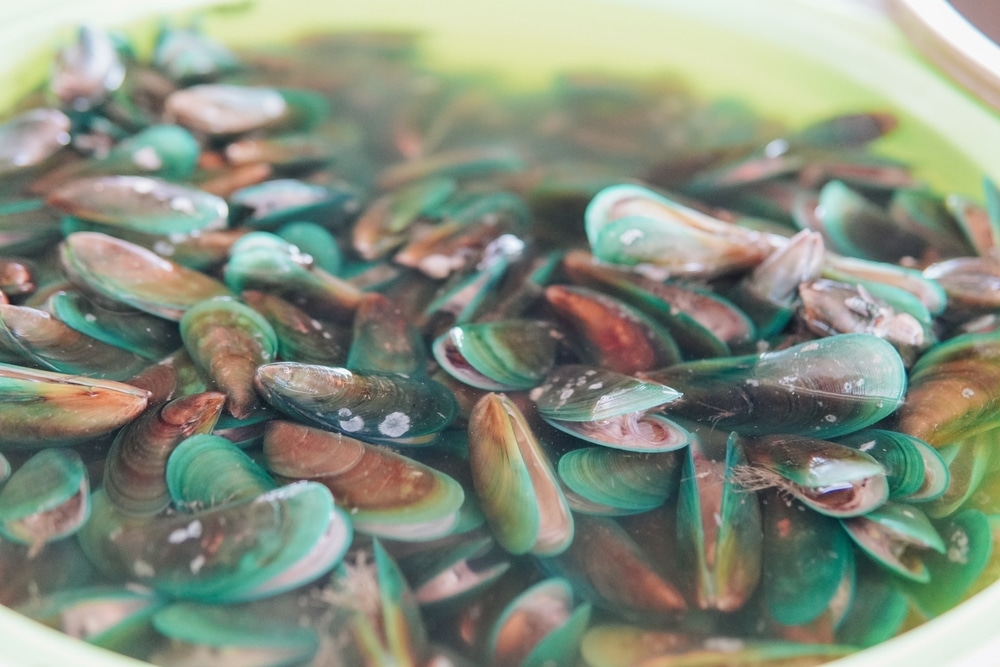
  • Green-lipped mussel
  • Certain algae species (a direct source of DHA)
  • Flaxseed, hemp seed and chia (ALA only)

Many people prefer to feed oily fish and other natural sources rather than buying omega oils as they can go off very quickly. They should be bought in small glass bottles, kept in the fridge and used up quickly. As soon as they are opened, they start to oxidise unless they have an antioxidant like vitamin E added. Oil capsules are less likely to oxidise.

Fish Oil vs Salmon Oil vs Krill Oil: What's the Difference?

These three are often used interchangeably in marketing, but they’re not the same:

Fish Oil

Fish oil is typically derived from small oily fish such as anchovies and sardines, and usually delivers a reliable, well-studied EPA and DHA profile.

Salmon Oil

Salmon oIL is a type of fish oil specific to salmon, often prized for palatability. Nutritionally, it sits in a similar bracket to other marine fish oils once EPA and DHA levels are accounted for, though it does tend to offer higher levels of vitamin D, which supports bone health and calcium absorption alongside its omega-3 content.

Krill Oil

Krill oil comes from small marine crustaceans and delivers EPA and DHA in phospholipid form, which some research suggests may improve absorption, alongside the antioxidant astaxanthin. A head-to-head trial comparing fish, krill and flaxseed sources found that only the marine sources (fish and krill) meaningfully raised blood Omega 3 levels in dogs, with krill producing the strongest increase.

Cod Liver Oil

Cod liver oil – contains some omega 3 but is also high in Vitamin A and D.

The main takeaway: marine-sourced oils, whichever species they come from, consistently outperform plant-based alternatives for raising usable levels.

Are Plant-Based Omega 3 Sources Like Flaxseed and Algae Effective for Dogs?

This depends entirely on which plant source you’re talking about.

Flaxseed, hemp and chia provide ALA, which dogs convert into EPA and DHA very inefficiently. In the fish/krill/flaxseed comparison study referenced above, flaxseed failed to significantly raise the dogs’ Omega 3 Index at all, despite providing the highest total ALA intake of the three groups.

Algae, however, is a different story. Certain algae species produce DHA directly, the same way fish do (because fish get their DHA from eating algae in the first place). This makes algal oil one of the only genuinely effective plant-based sources, and a useful option for dogs who can’t tolerate fish-based supplements. However, it still lacks a good amount of EPA which is the anti-inflammatory part of omega 3.

flaxseed oil

What Are the Benefits of Omega 3 for Dogs?

Omega 3’s influence spans several major body systems. Here’s what the research tells us about each.

Joint Health and Arthritis

Joint health is one of the main reasons owners start looking into Omega 3 in the first place, particularly as dogs get older or carry the wear and tear of an active life. A systematic review of the research found that Omega 3-supplemented diets showed genuine improvement in clinical signs of osteoarthritis in dogs [3] . If joint comfort is a priority for your dog, our joint care and mobility supplements range is worth exploring alongside dietary sources.

Skin and Coat Health

In a placebo-controlled trial, dogs supplemented with either flax oil or a fish-oil-based EPA/DHA preparation both showed improved clinical skin scores compared to a placebo group, supporting Omega 3’s role in skin condition [4]. Interestingly, the same study found that the total fatty acid intake or Omega 6-to-3 ratio didn’t correlate with the degree of improvement, suggesting other factors are also at play in individual response.

Heart Health

In dogs with preclinical to early symptomatic stages (ACVIM B2–C) of myxomatous mitral valve disease, daily Omega 3 supplementation was associated with a reduced likelihood of developing arrhythmias and helped keep affected dogs in milder disease stages over a 12-month period [5]. This doesn’t mean it treats heart disease, but it does point to a genuine supportive role alongside veterinary care.

Brain Function and Cognitive Health

DHA is the dominant fatty acid in brain tissue. A 2025 systematic review of 30 clinical trials in ageing dogs and cats found that Omega 3 fatty acids showed measurable cognitive benefits in ageing pets, particularly at higher supplementation levels [6]. This makes it one of the better-evidenced nutritional supports for senior dogs experiencing normal age-related cognitive changes.

Puppies and Healthy Development

DHA plays a structural role in the developing brain and retina, which is why growing puppies have among the highest Omega 3 needs of any life stage. A safety study on algal-sourced DHA and EPA fed throughout gestation, lactation and growth in dogs found no adverse effects even at high intake levels, supporting its use as a reliable puppy-safe source [7].

Puppy raw feeding guide, all you need to know about raw feeding puppies

Puppy Raw Feeding & Weaning Guide

READ MORE

Immune System Support

Because EPA and DHA are built into immune cell membranes, adequate Omega 3 status supports normal immune signalling and a balanced inflammatory response, which becomes especially relevant in puppies with developing immune systems and senior dogs with age-related immune changes.

Can Omega 3 Reduce Inflammation?

Omega 3s, especially EPA, help your dog’s body produce natural compounds that calm inflammation down, rather than ramping it up (which is what happens with too much Omega 6 in the diet). A review of the research across dogs and cats found real supportive evidence for Omega 3 helping with allergic skin conditions, joint problems, heart disease and other inflammatory issues, though the studies vary in quality and more solid research is still needed.

Omega 3 vs Omega 6: Understanding the Balance

While Omega 6 is essential, too much of it compared to Omega 3 tips the body towards more inflammation rather than less. The trouble is, most modern diets, including a lot of commercial dog food, are loaded with Omega 6 and light on 3. That imbalance is a big part of why Omega 3 gets so much attention.

Do dogs need 3, 6 and 9? Yes, each one does a different job. Omega 9 isn’t classed as essential (dogs can make some of it themselves), but it still supports healthy skin and coat, working alongside Omega 3 and Omega 6.

A raw, whole-prey style diet naturally gives a more balanced mix of these fatty acids than heavily processed food does. That’s one reason getting genuine Omega 3 and 6 for dogs from varied raw feeding matters just as much as any supplement on its own. Poultry, for example, is very omega 6 heavy though due to their diet of corn!

How Much Omega 3 Does a Dog Need?

This is genuinely dependent on life stage, existing diet and individual need, so treat the below as general guidance rather than a fixed rule:

  • FEDIAF sets a recommended EPA + DHA intake of roughly 0.13g per 1000 kcal of metabolisable energy for growing puppies, though the organisation stops short of setting a specific adult recommendation, citing insufficient evidence to pin down an exact figure [8].
  • Therapeutic doses used in clinical studies for conditions like osteoarthritis are considerably higher than general maintenance levels and should only be used under veterinary guidance
  • Omega 3 to 6 balance should aim for roughly 4:1–5:1 omega-6: omega-3

If you’re feeding a FEDIAF-compliant Complete raw meal, it already factored into the overall balance. If you’re feeding 80:10:10 or a more DIY raw approach, this is a nutrient worth actively checking rather than just assuming.

Can Dogs Have Too Much Omega 3? Safety and Side Effects

Yes, more isn’t automatically better. A detailed veterinary review of Omega 3 supplementation identified several possible effects at high intake levels, including altered platelet function, gastrointestinal upset, delayed wound healing, weight gain and interactions with certain medications [9]. The National Research Council sets a safe upper limit for adult dogs of around 1.1% EPA + DHA on a dry matter basis; FEDIAF, the European industry body, has not published an equivalent maximum, noting that evidence is still insufficient to set one [10].

This doesn’t mean Omega 3 is risky at appropriate levels, but it does mean “serving size” guidance matters, particularly if you’re combining a raw diet naturally containing Omega 3 with an additional supplement on top.

What Are the Side Effects of Omega 3 for Dogs?

The most commonly reported issues are mild digestive upset (soft stools) and, at high doses, altered clotting function. These are generally associated with excessive intake rather than standard serving sizes and tend to resolve when the dose is adjusted.

vitamin d for dogs

Can Dogs Take Human Fish Oil or Cod Liver Oil?

This needs care. Human fish oil products can be appropriate in some cases, but only when they’re a pure, unflavoured EPA/DHA source with no added xylitol, artificial sweeteners or human-specific additives, and only in the correct amount for your dog’s weight rather than a human-sized serving. Cod liver oil specifically also carries high Vitamin A and D content, which can accumulate to excess if used long-term alongside a complete diet.

A dog-specific supplement removes this guesswork entirely, since it’s formulated and dosed with canine physiology in mind from the outset.

Choosing the Best Omega 3 Supplement for Your Dog

When comparing supplements, look for:

  • A marine source (fish, krill or algae) rather than plant-only ALA
  • Clearly stated EPA and DHA content, not just “Omega 3” as a vague total
  • Third-party or batch testing for freshness and oxidation
  • A serving size guide based on body weight

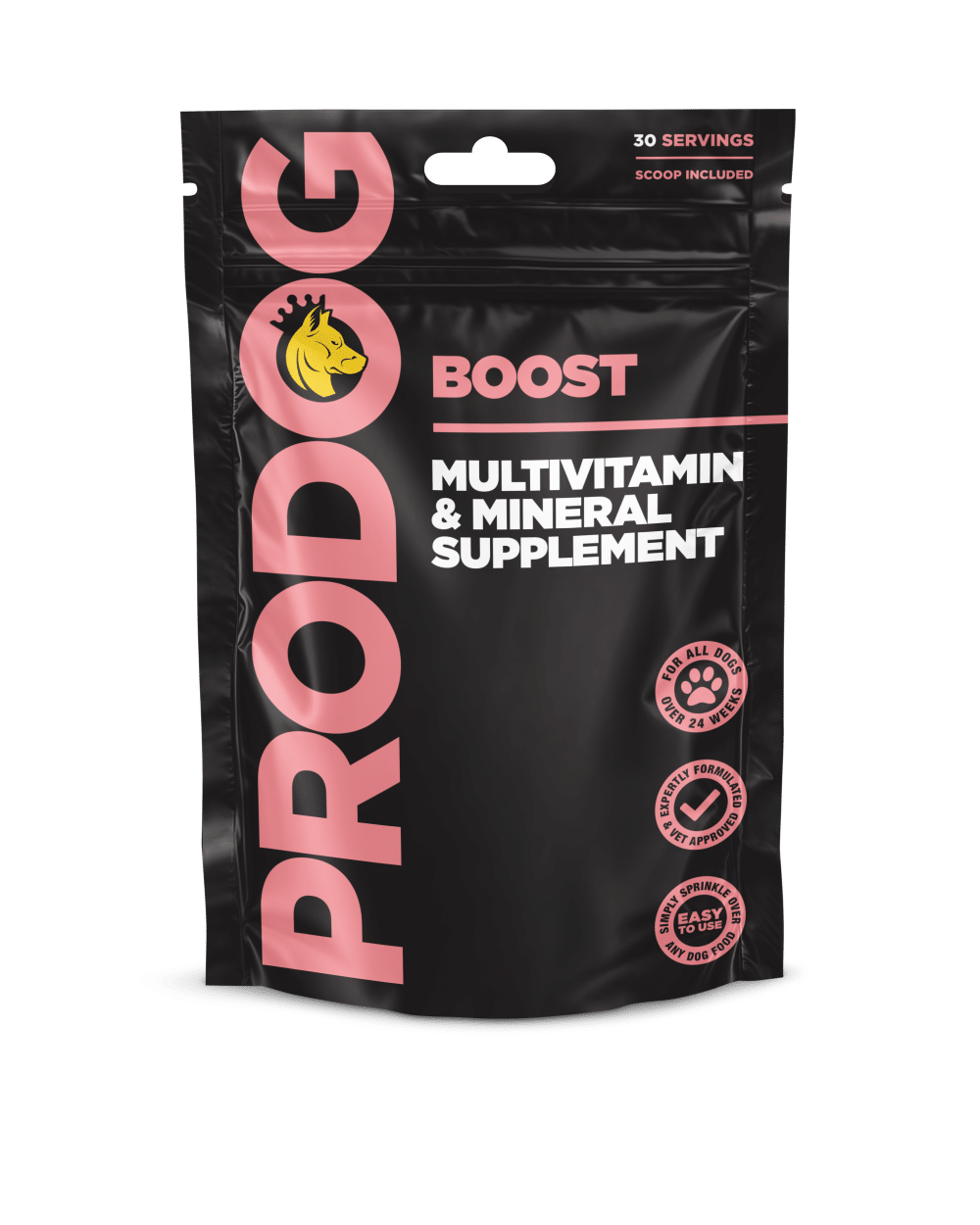
ProDog’s Boost multivitamin and mineral for dogs supplement, includes naturally sourced Omega 3 alongside a wider spread of species-appropriate nutrients, making it a straightforward way to support intake

Summary and Key Takeaways

Omega 3 is essential, but not all sources deliver it equally. Marine-based EPA and DHA consistently outperform plant-based ALA for raising usable levels, and the right amount depends on your dog’s life stage, existing diet and individual needs rather than a single blanket dose.

Getting the source, the ratio and the amount right is what turns Omega 3 from a vague supplement claim into something that genuinely supports your dog’s joints, skin, heart and brain, throughout every stage of their life.

Need help with your dog’s diet?

Contact ProDog’s expert team today for FREE tailored canine nutrition advice

Contact Us

FAQs

What is Omega 3 and what does it do for dogs?

Omega 3 is a family of essential fatty acids, mainly ALA, EPA and DHA, that support joint comfort, skin and coat condition, heart function and brain health. Dogs can’t produce enough of it themselves, so it must come from diet.

Is Omega 3 good for dogs every day?

Yes, most dogs benefit from consistent daily intake rather than occasional dosing, since it works cumulatively within cell membranes over time.

What foods are naturally high in Omega 3 for dogs?

Oily fish such as sardines and mackerel, fish oils, green-lipped mussel, and certain algae are the richest natural sources, while flaxseed and hemp provide the less bioavailable ALA form.

Is fish oil the best source of Omega 3 for dogs?

Fish oil is a well-researched and reliable marine source of EPA and DHA. Krill oil and algal oil are also effective marine-derived alternatives, each with slightly different absorption and sourcing profiles.

Is salmon oil better than fish oil for dogs?

Not necessarily. Salmon oil is a type of fish oil, so the real comparison comes down to EPA and DHA concentration and freshness rather than the specific fish species.

What is the difference between Omega 3 and Omega 3-6-9 for dogs?

Omega 3-6-9 blends combine three fatty acid families. 3 and 6 are essential and must come from diet, while Omega 9 is non-essential but still contributes to skin and coat health.

Can puppies have Omega 3?

Yes, and DHA in particular is important for developing puppies, supporting brain and retinal development. Marine-based sources are generally preferred over plant-based ALA at this life stage.

How much Omega 3 should I give my dog?

This depends on life stage, existing diet and individual need. FEDIAF sets a recommended EPA + DHA intake of roughly 0.13g per 1000 kcal of metabolisable energy for growing puppies, though the organisation stops short of setting a specific adult recommendation, citing insufficient evidence to pin down an exact figure [8].

How long does it take for Omega 3 to work in dogs?

Most visible changes, particularly in skin and coat, take around 6 to 12 weeks of consistent supplementation, since it works by gradually altering cell membrane composition rather than acting instantly.

Does Omega 3 help dogs with itchy skin?

Research shows Omega 3 supplementation can improve clinical skin scores in dogs with skin sensitivities, likely by supporting a healthier inflammatory response and skin barrier function [4].

Does Omega 3 help dogs with arthritis?

Clinical research has shown Omega 3-enriched diets can improve signs of osteoarthritis in dogs, including comfort and mobility measures, when fed consistently over several months [3].

Can Omega 3 improve a dog's coat?

Yes, by supporting the skin’s lipid barrier and moisture retention, which commonly shows up as a glossier, less flaky coat with consistent supplementation.

Can dogs have too much Omega 3?

Yes, excessive intake has been linked to digestive upset, altered clotting, and other effects. Sticking to appropriate serving sizes for your dog’s weight and existing diet is important.

What are the side effects of Omega 3 for dogs?

The most common are mild digestive upset at high doses. Less commonly, very high intakes may affect blood clotting or interact with certain medications, so always check with your vet if your dog is on medication.

Can dogs take human Omega 3 supplements or cod liver oil?

Only with real care, using a pure, additive-free product dosed correctly for your dog’s weight. Dog-specific supplements remove this guesswork and are generally the safer, simpler choice.

References

  1. Bauer, J.E. (2016). The essential nature of dietary omega-3 fatty acids in dogs. Journal of the American Veterinary Medical Association, 249(11), 1267–1272. Doi: 10.2460/javma.249.11.1267 
  1. Lindqvist, H., Dominguez, T., Dragøy, R., Ding, Y., & Burri, L. (2023). Comparison of fish, krill and flaxseed as omega-3 sources to increase the omega-3 index in dogs. Veterinary Sciences, 10(2), 162. Doi:  10.3390/vetsci10020162 
  1. Vandeweerd, J. M., Coisnon, C., Clegg, P., Cambier, C., Pierson, A., Hontoir, F., Saegerman, C., Gustin, P., & Buczinski, S. (2012). Systematic review of efficacy of nutraceuticals to alleviate clinical signs of osteoarthritis. Journal of Veterinary Internal Medicine, 26(3), 448–456. Doi: 10.1111/j.1939-1676.2012.00901.x 
  1. Mueller, R.S., Fieseler, K.V., Fettman, M.J., Zabel, S., Rosychuk, R.A.W., Ogilvie, G.K., & Greenwalt, T.L. (2004). Effect of omega-3 fatty acids on canine atopic dermatitis. Journal of Small Animal Practice, 45(6), 293–297. Doi: 10.1111/j.1748-5827.2004.tb00238.x 
  1. Nasciutti, P.R., Moraes, A.T., Santos, T.K., Gonçalves Queiroz, K.K., Costa, A.P.A., Amaral, A.R., et al. (2021). Protective effects of omega-3 fatty acids in dogs with myxomatous mitral valve disease stages B2 and C. PLOS ONE, 16(7), e0254887. Doi: 10.1371/journal.pone.0254887 
  1. Blanchard, T., Eppe, J., Mugnier, A., Delfour, F., Meynadier, A., et al. (2025). Enhancing cognitive functions in aged dogs and cats: a systematic review of enriched diets and nutraceuticals. GeroScience, 47(3), 2925–2947. Doi: 10.1007/s11357-025-01521-z 
  1. Dahms, I., Bailey-Hall, E., Sylvester, E., Parenteau, A., Yu, S., Karagiannis, A., Roos, F., & Wilson, J. (2019). Safety of a novel feed ingredient, Algal Oil containing EPA and DHA, in a gestation-lactation-growth feeding study in Beagle dogs. PLOS ONE, 14(6), e0217794. Doi: 10.1371/journal.pone.0217794 
  1. FEDIAF (European Pet Food Industry Federation). (2025). Nutritional guidelines for complete and complementary pet food for cats and dogs (September 2025 ed.).  
  1. Lenox, C.E., & Bauer, J.E. (2013). Potential adverse effects of omega-3 fatty acids in dogs and cats. Journal of Veterinary Internal Medicine, 27(2), 217–226. Doi: 10.1111/jvim.12033 
  1. National Research Council. (2006). Nutrient Requirements of Dogs and Cats. Washington, DC: National Academies Press. 


0 comments

Leave a Reply

Your email address will not be published. Required fields are marked *

Discover ProDog Boost