

Subscribe and Save 5% on Every Order.
Subscribe and Save 5% on Every Order. New to ProDog? Save 25% On Your First Bundle. Discount will auto apply at checkout.
0 Basket
Trusted since 2016 | 11,000,000 bowls licked clean
11,000,000 bowls licked clean
Excellent 15.1k+ reviews
Vet approved | Nutritionist Formulated

What Does Folic Acid Do for Dogs: Benefits, Sources & Deficiency

If you’ve researched folic acid for dogs, you’ve probably found a lot of content recommending supplements, but very little explaining what folic acid actually is, how it differs from the folate your dog’s body genuinely needs, or where that folate naturally comes from. That distinction matters, and it’s worth understanding before you reach for a supplement.

In this article, Alison Frost uses her wealth of experience and knowledge to explain the real difference between folic acid and folate, where your dog’s vitamin B9 needs are best met through diet, and when supplementation is genuinely warranted.

Alison Frost, Canine Nutritionist

Author: Alison Frost

Alison Frost is ProDog’s Head of Nutrition and Product Development, with over two decades of experience advocating natural diets for dogs.

What Does Folic Acid Do for Dogs: Benefits, Sources & Deficiency

Blog in 60 Seconds

In this guide, you will learn:

  • The difference between folic acid and folate, and why it matters for your dog
  • What folate does in your dog’s body and why it’s essential
  • The best natural food sources of folate for dogs
  • The signs and causes of folate deficiency in dogs
  • When a dog might genuinely need supplemental folic acid, and what to do

As a canine nutritionist, one of the most common questions I’m asked is what folic acid actually does for dogs, and it’s a question that comes loaded with confusion. Folic acid and folate are used interchangeably almost everywhere you look, but they’re not the same thing. Folic acid is the synthetic form of vitamin B9, and your dog’s body has to convert it into folate before it can use it. That distinction matters, because it changes how you think about whether your dog needs a supplement at all. In many cases, the answer is no, and this guide explains why.

I’ve spent many years helping dog owners cut through the noise around canine nutrition, and vitamin B9 is a good example of where the nuance gets lost. In this article, I’ll walk you through what folate actually does, where it comes from naturally, what deficiency looks like, and when supplemental folic acid is genuinely warranted, so you can approach this with complete confidence.
What Does Folic Acid Do For Dogs?

Folic acid is the synthetic form of vitamin B9, and your dog’s body has to convert it into folate before it can use it. Vitamin B9, in whichever form, is essential for DNA synthesis, healthy red blood cell production, nerve function, and cell repair. It’s a nutrient every dog needs throughout their life, from puppyhood through to their senior years.

Folic Acid and Folate: What's the Difference?

Folic acid and folate are both forms of vitamin B9, but they’re not the same thing. Folate is the naturally occurring form found in whole foods including liver, eggs, dark leafy vegetables and kidney. Folic acid is the synthetic form, manufactured for use in supplements and used to fortify processed foods, including many commercial dog foods.

For dogs eating a species-appropriate raw diet, vitamin B9 comes naturally from the food in its folate form. Synthetic folic acid, by contrast, requires conversion before it can be used by the body. Dietary folate from whole food sources is always the better starting point, and for most dogs eating well, it’s also sufficient. In short – folate is the natural form, folic acid is the synthetic form.

The reason “folic acid for dogs” dominates the conversation is largely because the term is so widely used. But the nutrient your dog needs, and the form a raw diet naturally provides, is folate.

folate for dogs

The Role of Folate for Dogs

Folate (vitamin B9) is an essential vitamin for dogs. It helps the body build DNA and process amino acids, and it supports healthy red blood cells[1].

DNA synthesis and cell division

Folate is required for the production of DNA, the genetic blueprint that drives healthy cell replication and repair. Without adequate folate, the body cannot produce new cells efficiently, which affects everything from tissue repair to immune response.

Red blood cell production

Folate plays a direct role in producing red blood cells. A shortfall impairs the body’s ability to transport oxygen to tissues, which is why anaemia is one of the hallmarks of folate deficiency.

Nervous system support

Adequate folate supports healthy nerve function and is particularly important during periods of rapid growth, making it especially relevant for puppies and pregnant dogs.

Amino acid metabolism

Folate helps your dog’s body use the amino acids (the building blocks of protein) in their food, which keeps their cells working properly. Specifically, it helps convert homocysteine into methionine, an amino acid the body relies on for normal cell function [1].

Natural Food Sources of Folate for Dogs

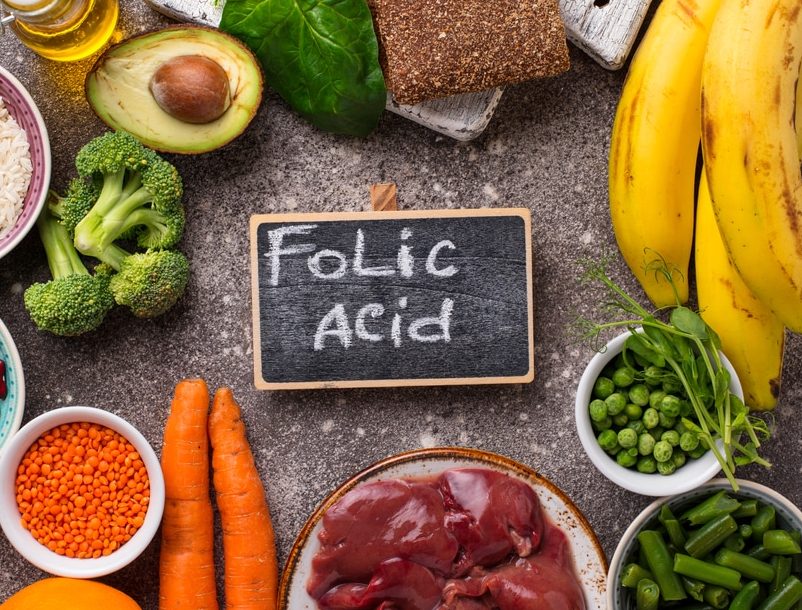
This is where a raw diet has a genuine advantage. The foods richest in folate are precisely the foods that form the foundation of a species-appropriate diet:

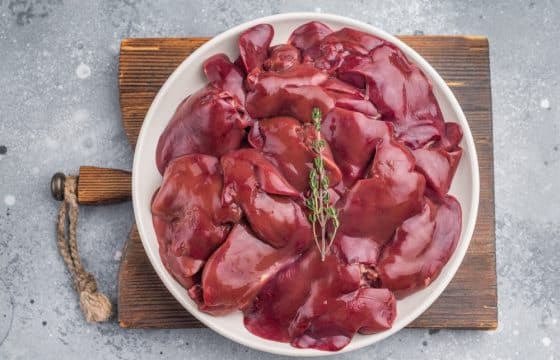
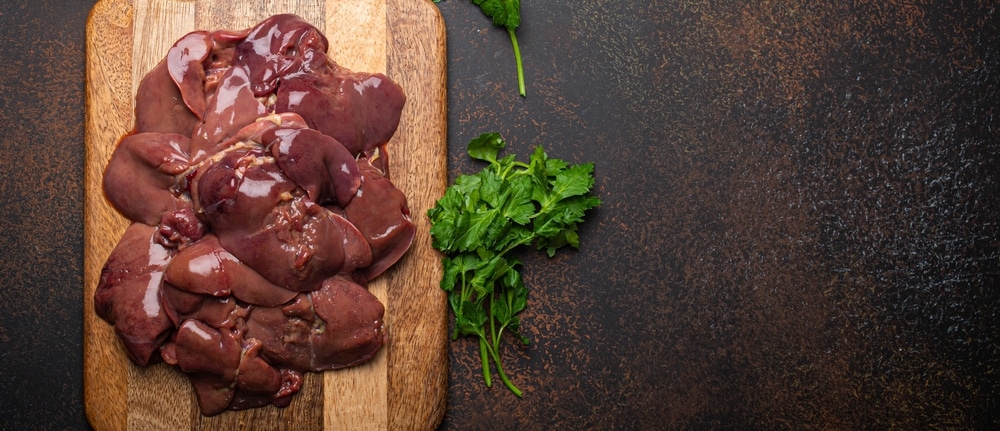
  • Liver — chicken and beef liver are among the richest natural sources
  • Kidney
  • Eggs
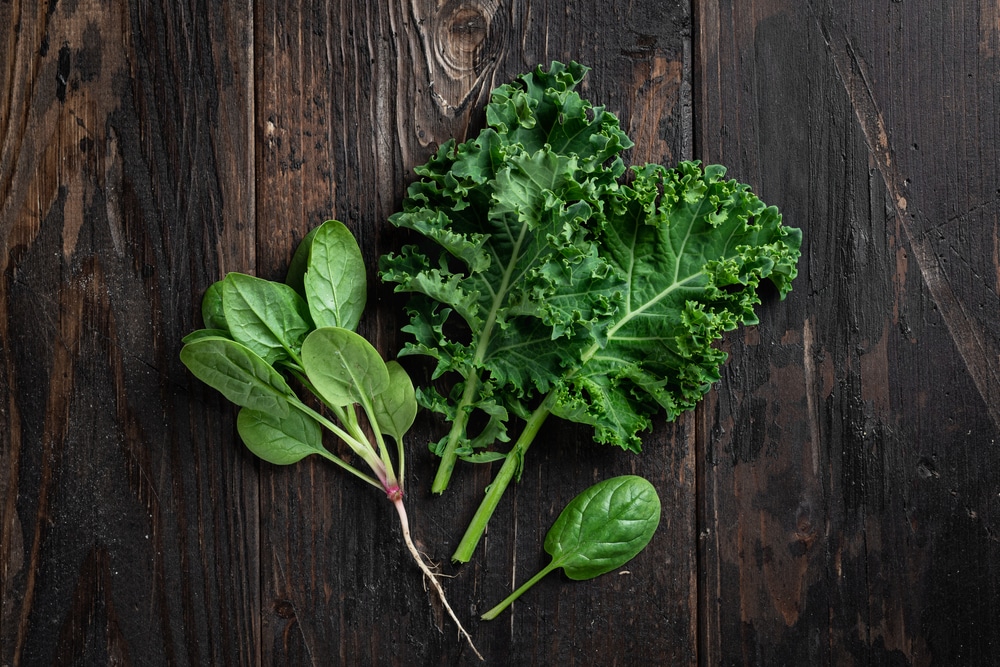
  • Dark leafy greens — spinach, kale
  • Broccoli
  • Sardines and oily fish
  • Peas

Folate is sensitive to heat, and in human food research, cooking and processing of vegetables can reduce folate content, mainly through leaching into cooking water and oxidation. Gentle methods such as steaming lose very little [2]. which is one reason commercially processed dog foods rely on synthetic folic acid fortification to meet B9 requirements. A dog eating fresh, whole food is getting folate in its most natural, bioavailable form.

For more on building a nutritionally complete raw diet, take a look at our guide to supercharge your dog’s raw food diet.

natural sources of folate for dogs

How Much Folate Does Your Dog Need?

According to the FEDIAF 2024 Nutritional Guidelines, adult dogs require between 64.5 and 74.7 µg of vitamin B9 per 1000 kcal, with no defined upper maximum. For dogs in growth and reproduction, the minimum is 54 µg per 1000 kcal. [3]

For dogs eating a well-formulated, nutritionally complete raw diet, these levels are met naturally through whole food sources, no synthetic supplementation needed.

Signs of Folate Deficiency in Dogs

Folate deficiency in dogs is uncommon in those eating a well-balanced diet, but it does occur, and certain dogs are more vulnerable. Common signs include:

  • Lethargy and low energy
  • Poor appetite or unexplained weight loss
  • Pale gums — a sign of anaemia
  • Slow growth in puppies
  • Digestive disturbance

What causes folate deficiency?

Low folate in dogs is relatively uncommon and usually points to disease in the first part of the small intestine, where folate is absorbed [4].

If you notice any of these signs, a blood panel from your vet will confirm whether low folate is a contributing factor. This isn’t something to supplement around speculatively; the root cause matters. For a broader look at what your dog can and can’t eat to support their health, our guide to what can my dog eat is a useful starting point.

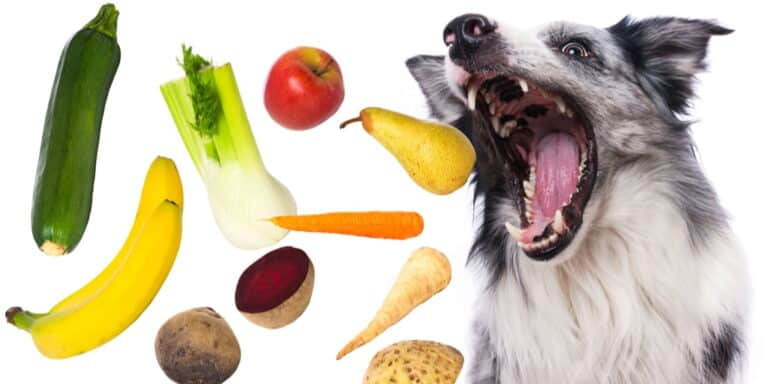
Border collie dog about to eat all sorts of different foods, find out more about what can my dog eat

A-Z: What Can My Dog Eat?

READ MORE
low energy and lethargy in dogs

Folate for Pregnant Dogs

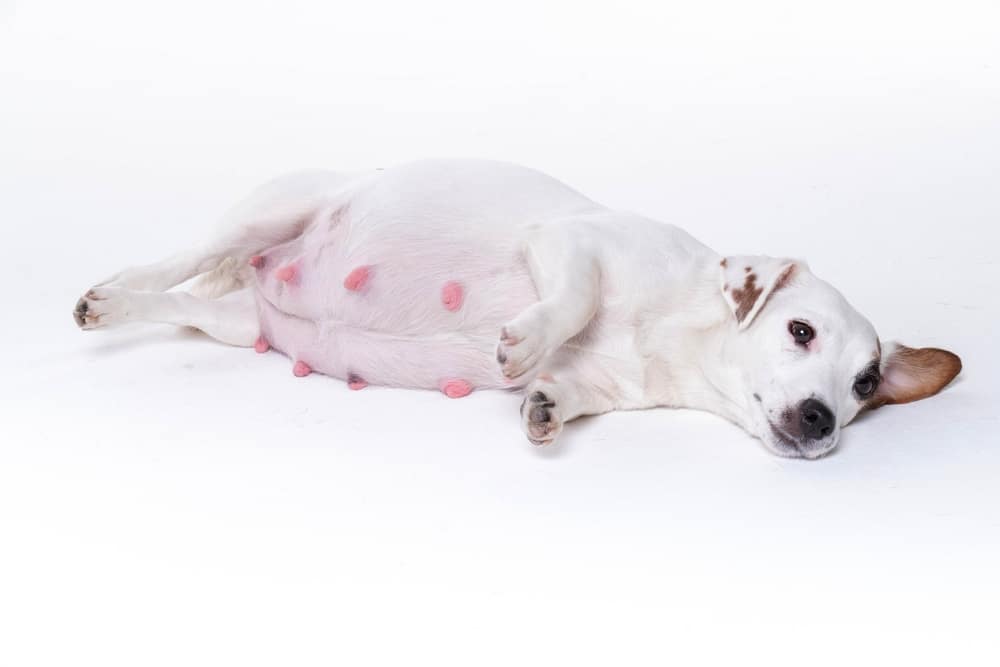
Many people think that folic acid for pregnant dogs is important, but what a pregnant dog’s body is really after is folate, the natural form of vitamin B9 found in food. Folate helps the body make DNA, the foundation of the cell division that rapidly growing puppies rely on in the womb [5].

For pregnant dogs, the priority is a nutritionally complete diet that is naturally rich in folate. Organ meat, eggs and other animal proteins are good natural sources, so a well-formulated raw diet built on these provides it naturally. If you’re thinking about supplements during pregnancy, that’s a conversation to have with your vet.

what to feed my pregnant dog

What to Feed My Pregnant Dog: Nutrition Tips

READ MORE
folic acid for pregnant dogs

When Might a Dog Need Supplemental Folic Acid?

For most dogs eating a balanced raw diet, dietary folate from food is sufficient, and it’s the form I’d always recommend first. That said, there are circumstances where a dog may genuinely need supplemental folic acid:

  • GI disease or malabsorption — when the gut cannot absorb folate adequately from food, supplementation may be warranted
  • Certain medications — some drugs deplete B9 levels and require supplementation to compensate
  • Confirmed deficiency — diagnosed via blood test and managed under veterinary guidance

In these cases, your vet will prescribe or recommend an appropriate folic acid for dogs supplement. It’s not a nutrient to add speculatively.

For dogs that benefit from broader nutritional support alongside their diet, ProDog’s Boost multivitamin for dogs and Perform strength and stamina for dogs supplements include folic acid as part of a carefully formulated, bioavailable vitamin and mineral blend.

Getting Folate Right for Your Dog

he most effective thing you can do to support your dog’s folate levels is to feed a diet that naturally contains it. Liver in particular is one of the most folate-dense foods available, and it’s a cornerstone of a well-formulated raw diet for good reason.

If you’re already feeding a complete, balanced raw diet, your dog is almost certainly meeting their B9 needs through food. If you have specific concerns: a dog with a digestive condition, a pregnant dog, or one on long-term medication, speak to a canine nutritionist or your vet before adding anything to their routine.

Explore ProDog’s raw dog food and dog supplements ranges to support your dog’s nutrition from the ground up.

Need help with your dog’s diet?

Contact ProDog’s expert team today for FREE tailored canine nutrition advice

Contact an Expert

FAQs

What does folic acid do for dogs?

Folic acid is the synthetic form of vitamin B9. In the body, B9, whether from food as folate, or from supplements as folic acid, supports DNA synthesis, red blood cell production, nerve function, and healthy cell division. For most dogs, dietary folate from whole food sources such as liver, eggs, and leafy greens is sufficient.

Is folic acid the same as folate for dogs?

No. Folate is the naturally occurring form of vitamin B9 found in whole foods which include liver, eggs, leafy greens, kidney. Folic acid is the synthetic form used in supplements and processed food fortification. A dog eating a balanced raw diet gets folate naturally from food. Supplemental folic acid is typically only needed when there’s a diagnosed deficiency or a condition affecting absorption.

What are the signs of folic acid deficiency in dogs?

Signs of folate deficiency include lethargy, poor appetite, unexplained weight loss, pale gums, and slow growth in puppies. In more severe cases, anaemia can develop. If you suspect deficiency, a vet blood panel is the right first step.

What causes folic acid deficiency in dogs?

The most common causes are small intestinal disease or malabsorption conditions such as IBD or EPI, long-term use of certain medications including trimethoprim. Dogs eating a varied, species-appropriate raw diet are unlikely to be deficient.

Should I give my dog folic acid during pregnancy?

Folate is important for healthy fetal development. For most pregnant dogs, a nutritionally complete raw diet provides adequate folate naturally. If supplementation is needed during pregnancy, this is best guided by your vet rather than self-managed.

What foods are naturally high in folate for dogs?

The richest natural sources of folate for dogs include liver, kidney, eggs, dark leafy greens, broccoli, sardines, and peas, all of which feature naturally in a species-appropriate raw diet.

When should I give my dog folic acid?

Supplemental folic acid is generally only appropriate when a dog has a confirmed deficiency, a condition affecting absorption, or is on medication that depletes B9. For healthy dogs eating well, dietary folate from food is the right approach. Always work with your vet or nutritionist before supplementing.

Can dogs overdose on folic acid?

No safe upper limit has been established for dogs. However, supplementing without a confirmed need isn’t advisable. Always work with your vet or nutritionist when considering any supplement for your dog.

References

  1. WikiVet. (n.d.). Vitamin B9 (folic acid) – Nutrition. Retrieved 22 October 2026, from  
  1. Delchier, N., Herbig, A.-L., Rychlik, M., & Renard, C. M. G. C. (2016). Folates in fruits and vegetables: Contents, processing, and stability. Comprehensive Reviews in Food Science and Food Safety, 15(3), 506–528. Doi: 10.1111/1541-4337.12193 
  1. [1] FEDIAF. (2024). Nutritional guidelines for complete and complementary pet food for cats and dogs. European Pet Food Industry Federation. Table III-3b. 
  1. Ullal, T. V., Marks, S. L., Huebner, S. N., Taylor, S. L., & Shelley, C. D. (2023). Association of folate concentrations with clinical signs and laboratory markers of chronic enteropathy in dogs. Journal of Veterinary Internal Medicine, 37(2), 455-464. DOI: 10.1111/jvim.16681 
  1. Xiu, Y., & Field, M. S. (2020). The roles of mitochondrial folate metabolism in supporting mitochondrial DNA synthesis, oxidative phosphorylation, and cellular function. Current Developments in Nutrition, 4(10), nzaa153. DOI: 10.1093/cdn/nzaa153 

0 comments

Leave a Reply

Your email address will not be published. Required fields are marked *

DISCOVER BOOST