



FREE DELIVERY ON RAW DOG FOOD BUNDLES & DOG SUPPLEMENTS to UK Standard Areas

Everything You Need To Know About Zinc For Dogs

Zinc deficiency in dogs is more common than most owners realise, and it doesn’t always look like what you’d expect. Flaky or crusty skin, poor wound healing, a sluggish immune system, these could be zinc problems in disguise. The good news? Once you know the source, the fix can be simple.

Alison Frost, Canine Nutritionist

Author: Alison Frost

Everything You Need To Know About Zinc For Dogs

Blog in 60 Seconds

In this guide, you will learn:

  • Why zinc is an essential mineral for dogs and what it does inside the body
  • The signs of zinc deficiency in dogs, including breed-specific vulnerabilities
  • How much zinc dogs need according to FEDIAF guidelines, and what affects absorption
  • The best natural food sources of zinc for dogs, and why form matters as much as quantity
  • How to support your dog’s zinc levels through diet and supplementation

In my years working with dogs and their owners, I’ve learned that the answers to many health complaints are hiding in the bowl. Dull coats, persistent skin issues, slow-healing wounds, dogs who seem to pick up every bug going… I’ve seen these patterns more times than I can count, and time and again, nutrition is often at the root of it. Zinc is one of the minerals I come back to again and again, because its impact is broad, its deficiency is common, and it’s almost always a diet problem.

What I find is most owners have already tried everything; vet visits, topical treatments, supplements, without anyone stopping to ask what the dog is actually eating, and whether what’s in that food can even be absorbed. Bioavailability is everything with zinc. It’s not just about whether it’s present; it’s about whether the body can actually use it. That’s where the conversation gets interesting, and where the real answers start to emerge

What Is Zinc, and Why Do Dogs Need It?

Zinc is an essential trace mineral meaning the body needs it in relatively small amounts, but those small amounts do an enormous amount of work. Zinc for dogs is particularly significant given how many biological processes depend on it: maintaining healthy skin and coat, keeping the immune system functioning, supporting growth, regulating thyroid activity, and contributing to healthy reproduction. Unlike some nutrients, the body can’t store zinc or produce it independently, so dogs rely entirely on their diet to maintain adequate levels. When zinc is sufficient, multiple systems benefit at once, and when it’s lacking, the signs tend to show up across the board rather than in just one isolated area.

dogs and zinc

What Does Zinc Actually Do?

In my work as a canine nutritionist, zinc is one of the first things I look at when a dog comes to me with ongoing skin problems, a coat that’s lost its shine, or an immune system that keeps letting them down. Here’s what it’s doing behind the scenes:

Skin and coat

Zinc is needed to produce keratin, the protein that makes up your dog’s skin, coat, and claws. It also keeps the skin barrier intact. When zinc is low, a dull, dry, or flaky coat is often the first sign. About 5% of all zinc is stored in the skin of your dog

Immune support

Zinc helps produce the white blood cells your dog uses to fight infection. It also acts as an antioxidant, helping protect cells from everyday damage.

Thyroid and energy

The thyroid needs zinc to produce active hormones that regulate metabolism, weight, and energy levels. Low zinc can mimic the signs of a sluggish thyroid.

Vitamin A release

This one is often missed. Zinc is required to release Vitamin A from the liver, where it’s stored. Without enough zinc, Vitamin A can’t reach the skin, eyes, or immune system properly, regardless of how much is in the diet.

Gut lining & Digestion

Zinc helps maintain the structural integrity of the gut wall, particularly relevant for dogs with digestive sensitivity, while also playing a key role in the enzymes that break down food and supporting stomach acid production. This combination means zinc is essential for absorbing nutrients like protein, carbohydrates, and fats, and a deficiency can lead to poor digestion, bloating, or loss of appetite.

Growth and reproduction

Puppies, pregnant females, and nursing mothers all have significantly elevated zinc needs.

Signs of Zinc Deficiency in Dogs

Zinc deficiency in dogs is more common than most owners realise, and it doesn’t always have one obvious cause. The most common signs to watch for are:

  • Dry, flaky, or crusty skin, especially around the face, paws, and elbows
  • A dull, coarse, or thinning coat
  • Wounds or skin irritation that are slow to heal
  • Cracked or thickened paw pads
  • Low energy or a general lack of vitality
  • Itchy skin
  • Picking up infections more frequently than usual

In more serious cases, a condition called Zinc-Responsive Dermatosis can develop, causing thick, crusty patches around the muzzle, eyes, and ears. If several of the above signs are showing up together, it’s worth raising with your vet.

Dogs fed ultra-processed, low quality dog food are particularly at risk. The high-heat manufacturing process can damage zinc, and the type of zinc used in most kibble (zinc oxide) is poorly absorbed by the body. So even if the label looks adequate on paper, the amount your dog is actually absorbing may fall significantly short.

HUSKY ITCHING

Which Dogs Are Most at Risk of Zinc Deficiency?

Huskies, Malamutes, and Samoyeds

Zinc deficiency in Huskies is one of the better-documented areas in veterinary nutrition. Siberian Huskies, Alaskan Malamutes, Northern breeds such as the Northern Inuit and Samoyeds have a genetic tendency to absorb zinc less efficiently than most breeds, meaning they need more in their diet just to reach normal levels. This can lead to a condition called Type I Zinc-Responsive Dermatosis, which shows up as thick, crusty patches around the mouth, eyes, and ears. If you have one of these breeds, zinc is something I’d always assess closely in a nutritional review.

Fast-Growing Large Breed Puppies

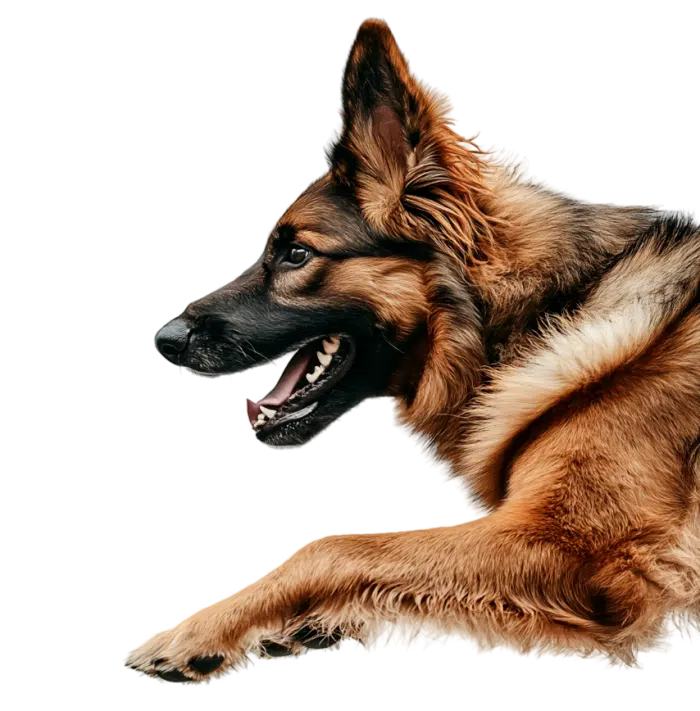
Great Danes, German Shepherds, Labradors, and similar breeds can be affected during periods of rapid growth, when their zinc needs outpace what the diet is supplying. Puppies developing crusty skin around joints or pressure points warrant a dietary review and vet check. In many cases, adjusting the diet makes a quick and meaningful difference.

Fast growing breeds and zinc deficiency

How Much Zinc Does My Dog Need?

According to FEDIAF, the body that sets European nutritional guidelines for dog food, adult dogs need between 7.2mg and 8.3 mg of zinc per 100g of dry matter in their diet, the exact level depends on how much food your dog eats each day For puppies, pregnant females, and nursing mothers, that rises to at least 10.0 mg/100g. [1]

These are minimums, not targets for optimal health. And crucially, hitting the number on paper doesn’t mean your dog is actually absorbing that zinc. The form it comes in matters just as much as the amount.

beef and lamb sources of zinc for dogs

Best Sources of Zinc for Dogs

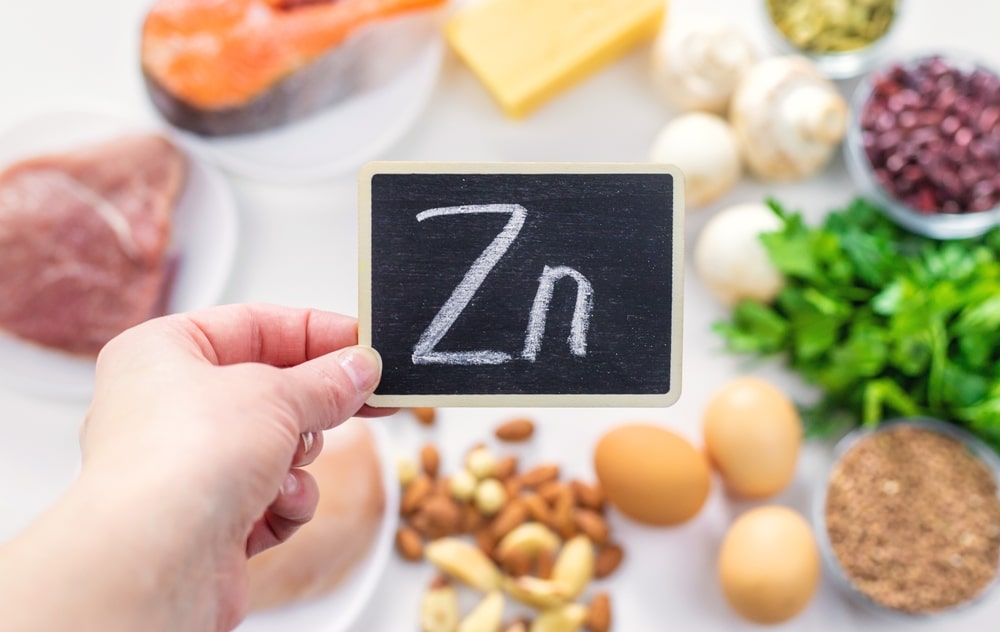
Whole animal foods are where zinc is most abundant and most readily absorbed. The best sources are:

  • Oysters are the highest source of zinc
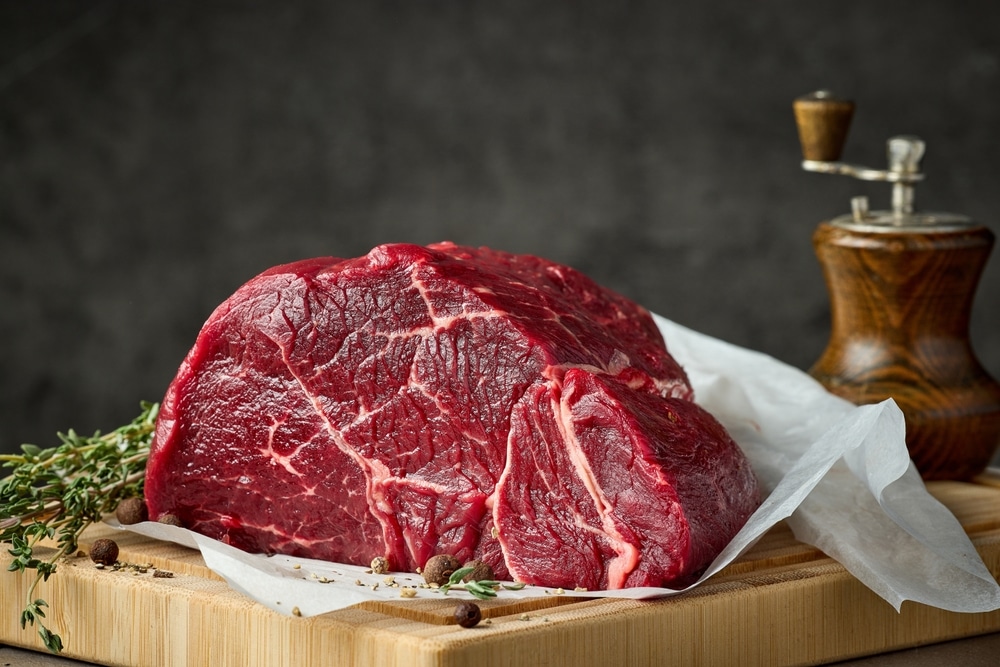
  • Red meat (beef and lamb): one of the richest natural sources
  • Organ meats (liver and kidney): excellent zinc content and highly nutritious overall
  • Poultry and fish: solid everyday contributors
  • Eggs: a reliable all-round source
  • Nuts and seeds

Why the Type of Zinc Matters

Not all zinc is absorbed equally, and this is something I feel strongly about as a nutritionist.

Multiple studies in dogs have found organic zinc amino acid chelates to be significantly more bioavailable than zinc oxide, in some cases, by as much as double. [2,3] That means when kibble is supplemented with zinc oxide, one of the most common inorganic sources, a meaningful proportion of that zinc may be absorbed far less efficiently than the label figure implies.

This is a key reason why dogs on a fresh, varied diet often have better zinc status than those eating kibble, even when the kibble’s declared zinc content looks fine on paper. The label doesn’t tell you how much actually gets absorbed.

How to Support Your Dog's Zinc Levels

The most straightforward foundation is a varied wholefood diet built on quality animal proteins. Rotating beef, lamb, organ meat, poultry, and fish naturally provides zinc from multiple sources and helps keep the overall diet balanced. It’s worth knowing that certain dietary factors can interfere with zinc absorption — phytates found in high-grain diets are a common culprit, as is excessive bone content in raw feeding, where high calcium levels can block zinc uptake. This means dogs on restricted diets, even raw ones, can be particularly vulnerable to zinc issues. For dogs currently on a kibble-based diet, even a partial shift towards fresh feeding can make a real difference to zinc absorption.

If you’d like to explore what fresh feeding looks like in practice, ProDog’s raw dog food range is built from human-quality ingredients with nothing unnecessary added. Every recipe is formulated by expert nutritionists to ensure optimal, balanced ratios, including bone content, so you don’t have to worry about getting the balance wrong at home. Our ranges also meet FEDIAF nutritional standards, giving you an additional layer of confidence. If you’d like personalised guidance for your dog, you can book a free consultation with one of our nutritionists.

For dogs that need more support, particularly breeds with genetic predispositions, dogs with gut health challenges, or those in high-demand life stages, a quality supplement using a bioavailable form of zinc can fill the gap.

ProDog’s Itch & Allergy Supplement For Dogs contains zinc picolinate and is designed to complement a fresh diet, particularly for dogs showing skin or coat concerns linked to zinc insufficiency.

One thing worth keeping in mind: zinc and copper compete for the same absorption pathways, so very high zinc intake over time can lower copper levels. This is why a well-formulated product is a better choice than adding raw zinc to a diet without guidance. If you’re unsure, a canine nutritionist can help you get the balance right.

New to supplementation? The Beginners Guide to Dog Supplements is a helpful starting point.

dog supplements

Beginners’ Guide to Dog Supplements

READ MORE

Can Dogs Have Too Much Zinc?

Zinc toxicity is possible, but at dietary levels and within properly balanced supplementation, the risk is genuinely low. The far more common concern is zinc deficiency, though very high-dose or long-term supplementation without attention to copper balance can cause problems. [4] The real danger comes from dogs swallowing zinc-containing objects: post-1992 coins, batteries, zinc-based nappy creams, or certain small metal parts. These can release toxic amounts of zinc as they dissolve in stomach acid. If you think your dog has ingested anything like this, contact your vet straight away.

For context, FEDIAF puts the maximum safe zinc level in adult dog food at 22.70 mg/100g dry matter, against a recommended minimum of 7.2 mg-8.3 mg/100g. There’s a significant safety margin, and a sensibly formulated diet or supplement sits well within it. [1]

dog at vets

Getting Zinc Right for Your Dog

Zinc doesn’t get the attention it deserves. But in my experience, it’s one of the minerals that makes one of the most visible differences when it’s properly supported: a better coat, clearer skin, more energy, and a stronger immune system. For most dogs, a varied fresh diet built on quality animal proteins is the best foundation. For those that need a little extra, a good-quality supplement with a bioavailable form of zinc can fill the gap.

If you’d like help working out whether your dog’s diet is covering their zinc needs, myself and the ProDog nutrition team are always happy to take a look.

Need help with your dog’s diet?

Contact ProDog’s expert team today for FREE tailored canine nutrition advice

Contact Us

FAQs

What's a good source of zinc for dogs?

The best natural sources are red meat (especially beef and lamb), organ meats like liver and kidney, poultry, fish, and eggs. Animal-based foods deliver zinc in a form the body absorbs well. Dogs eating a varied, fresh diet built on animal proteins are generally well-placed to get enough zinc through food alone.

How do I know if my dog needs more zinc?

The most common signs are dry, flaky, or crusty skin (especially around the face, ears, and paws), a dull or thinning coat, slow wound healing, cracked paw pads, and low energy. Huskies, Malamutes, and Samoyeds are particularly predisposed to zinc absorption issues. If several signs are showing up together, speak with your vet or a canine nutritionist.

What's the difference between zinc oxide and zinc picolinate for dogs?

Zinc oxide is the inorganic form most commonly used in kibble. It’s inexpensive but poorly absorbed. Zinc picolinate is a chelated form, bound to a naturally occurring compound that significantly improves how much the body can actually take up. Studies consistently show chelated zinc reaches the body’s tissues more effectively.

Are Huskies more prone to zinc deficiency?

Yes. Siberian Huskies, Alaskan Malamutes, and Samoyeds have a genetic predisposition that makes absorbing zinc harder than it is for most breeds. They need more zinc in their diet to achieve the same levels as an average dog, and a fresh diet based on animal proteins provides a much stronger foundation than grain-heavy kibble for these breeds.

Can a dog overdose on zinc from food?

Zinc toxicity from a balanced diet or properly dosed supplement is very unlikely. The real risk comes from swallowing zinc-containing objects like coins, batteries, or certain creams. FEDIAF sets the maximum safe dietary zinc level at 22.5 mg/100g dry matter, well above the recommended minimum of 7.2mg -8.3 mg/100g, so there’s a comfortable safety margin when zinc comes from food or a sensibly formulated supplement.

Does zinc interact with other nutrients?

Yes. High levels of calcium, grain-derived phytate, and copper in the diet can all reduce zinc absorption. In the other direction, very high zinc over time can lower copper levels. Zinc also needs to be present for the body to use Vitamin A properly: without enough zinc, Vitamin A can’t be released from the liver effectively, even if there’s plenty in the diet.

References

  1. FEDIAF (2025). Nutritional Guidelines for Complete and Complementary Pet Food for Cats and Dogs (September 2025 edition), Table III-3a: Recommended nutrient levels for complete dog food (units per 100g dry matter), p.14. European Pet Food Industry Federation. Accessed April 2026  
  2. Lowe, J. A., Wiseman, J., & Cole, D. J. A. (1994). Absorption and retention of zinc when administered as an amino-acid chelate in the dog. Journal of Nutrition, 124(12 Suppl), 2572S–2574S. Doi: 10.1093/jn/124.suppl_12.2572S 
  3. Pereira, A. M., et al. (2021). Zinc in dog nutrition, health and disease: A review. Animals (Basel), 11(4), 978. Doi: 10.3390/ani11040978 
  4. Plum, L. M., Rink, L., & Haase, H. (2010). The essential toxin: Impact of zinc on human health. International Journal of Environmental Research and Public Health, 7(4), 1342–1365. Doi: 10.3390/ijerph7041342 

0 comments

Leave a Reply

Your email address will not be published. Required fields are marked *