




FREE DELIVERY ON RAW DOG FOOD BUNDLES & DOG SUPPLEMENTS to UK Standard Areas

What Really Makes the Best Probiotic for Dogs? A Nutritionist Explains

Your dog’s gut does far more than digest food. It houses a significant proportion of their immune system, influences their mood and behaviour, and plays a central role in everything from skin health to long-term vitality. When it’s working well, your dog thrives. When it’s disrupted, you start to see it: loose stools, itchy skin, low energy, recurring infections. Probiotics for dogs have become one of the most talked-about tools for supporting gut health, but not all probiotics are equal, and with so much conflicting information out there, it’s no wonder most owners aren’t sure where to start.

Alison Frost, Canine Nutritionist

Author: Alison Frost

What Really Makes the Best Probiotic for Dogs? A Nutritionist Explains

Blog in 60 Seconds

In this guide, you will learn:

  • What probiotics for dogs actually are, and why they matter for far more than digestion
  • The difference between probiotics, prebiotics, and postbiotics, and why the whole chain matters
  • What soil-based probiotics are, why they work differently, and why this matters for your dog
  • How to support gut recovery after antibiotics, steroids, or chemical treatments, and why strain selection matters more than you might think
  • What to look for when choosing the best probiotic for dogs, and whether raw-fed dogs actually need one

In my experience, not all probiotics are created equal, and many of the products on the market simply don’t deliver. Despite the overwhelming number of options available, quality, strain specificity, and formulation make a significant difference to whether a probiotic actually works. It’s easy to assume that any product will do the job, but that’s rarely the case. In this guide, I’ll explain what to look for, what to avoid, and how to give your dog’s gut health the best possible foundation.

It’s also worth understanding that gut health isn’t just about adding more beneficial bacteria, it’s about supporting a diverse and balanced microbiome. Diversity of strains matters, and so does what you feed them. This is where prebiotics come in: these fibres act as fuel for beneficial bacteria, helping them survive, grow, and make a real impact. A probiotic alone isn’t a magic fix; the real benefit comes from combining the right strains with the right support, because without proper nourishment, even the best probiotics won’t thrive.
What Are Probiotics for Dogs?

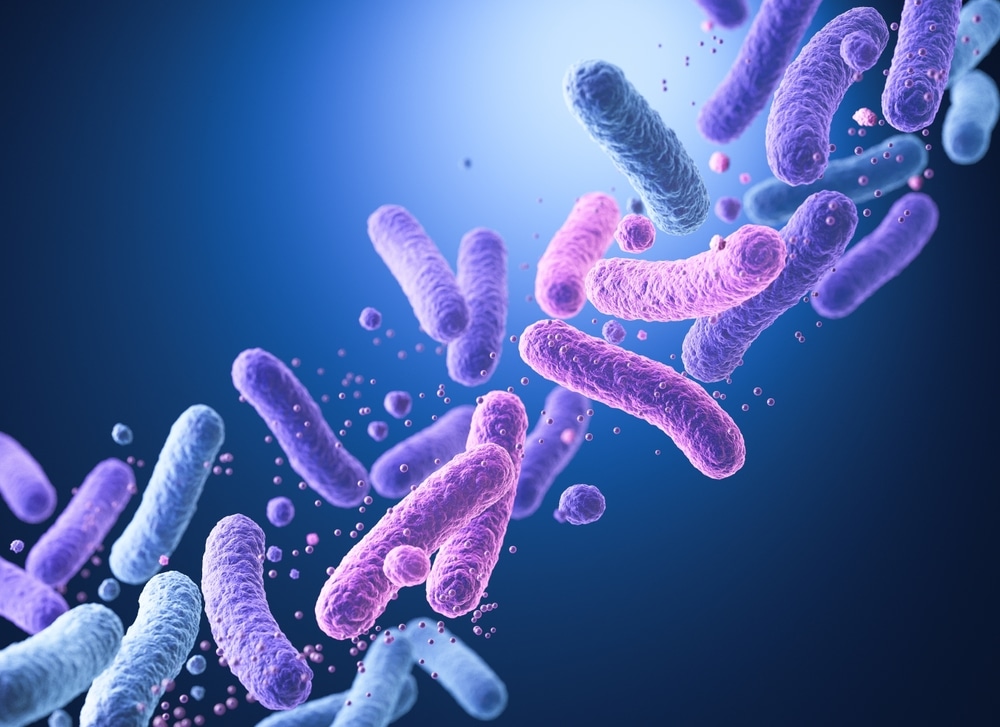
Probiotics are live microorganisms, bacteria, yeasts, and other beneficial microbes, that, when introduced, support the balance and function of your dog’s gut microbiome. The gut microbiome itself is a vast ecosystem of trillions of microorganisms living primarily in the large intestine. Together, they function like a virtual organ: digesting food, producing vitamins, training the immune system, and even communicating with the brain.

A probiotic supplement introduces beneficial microbes into this ecosystem to reinforce, diversify, and support that community, particularly when it has been disrupted or depleted.

Do Dogs Need Probiotics?

The short answer is yes for optimal wellbeing, and it comes down to how much modern life works against the gut microbiome in ways that simply weren’t an issue for dogs a few generations ago. Antibiotics, processed diets, environmental toxins, chronic stress: all of these quietly erode the microbial diversity that dogs evolved with. Understanding what’s disrupting it helps you understand what probiotics are actually doing when you give them.

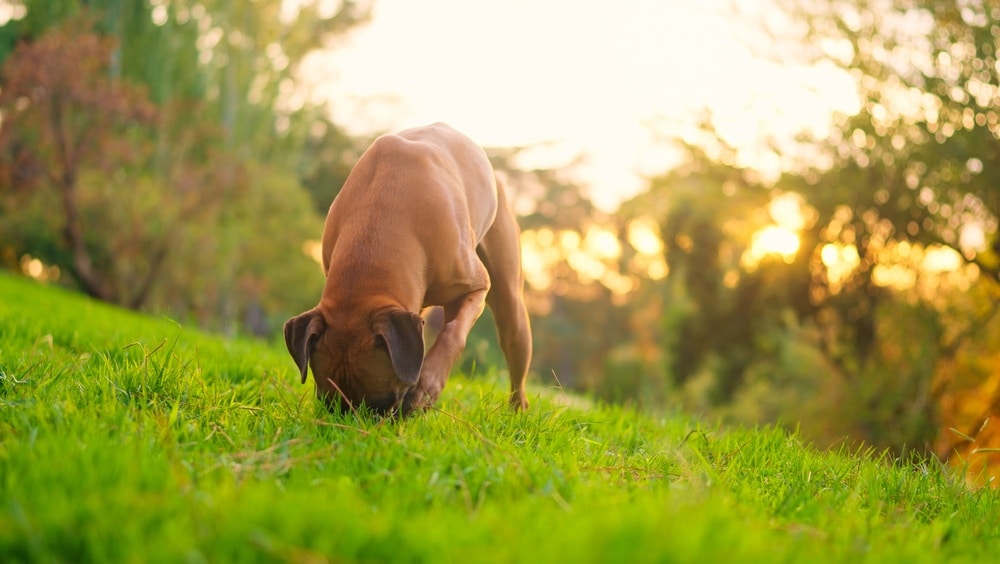
Even raw-fed dogs aren’t immune to this. A fresh, species-appropriate diet is the foundation. It supports microbiome health in ways an ultra-processed diet simply cannot, but the modern food system has significantly depleted soil microbial diversity, even in high-quality farming environments. [1] The gap between what the gut microbiome evolved alongside and what modern food systems actually deliver is real. Dogs also evolved with daily soil contact through digging, exploring, and consuming prey animals with gut contents rich in microbial diversity, exposure that’s been significantly reduced in the modern world.

dogs sniffing ground

It’s worth noting too that many dogs fed a straight 80:10:10 raw diet receive very little fibre or prebiotic fuel. Without it, microbiome diversity is often reduced, even when the rest of the diet is high quality. A thriving gut microbiome supports better digestion and a stronger immune system, and these are the areas where the research on canine probiotics is most promising. Evidence continues to build that probiotics can play a meaningful role in restoring and maintaining that balance [2]. They provide a natural, targeted way to replenish the beneficial bacteria your dog’s body genuinely needs to function at its best.

For dogs navigating the realities of modern life, they’re not just a nice addition to the bowl. They’re a genuinely valuable one.

The Gut Is the Foundation of Your Dog's Health

Scientists report that a significant proportion of your dog’s immune system, resides in the gut, which is why what happens in the digestive tract has such a direct impact on overall immune function [3]. The microbiome teaches the body what to fight, what to tolerate, and how to regulate inflammation. When the microbiome is balanced and diverse, the gut functions as it should. When that balance is disrupted (a state known as dysbiosis) digestive issues and immune dysregulation tend to follow [4]. This can manifest as chronic inflammation, skin and coat problems, and even anxiety and behavioural changes, all well-linked to poor gut health, with emerging evidence suggesting joint health may also be affected. Research in humans and animal models, including early canine studies, suggests gut bacteria influence the production and regulation of neurotransmitters including serotonin, which may help explain why poor gut health is so often linked to anxiety, reactivity, and stress responses in dogs [5].

The 80% Swing Voter Principle

One of the most important things to understand about the gut microbiome is how it functions as a community. Of all the microorganisms living in the gut:

  • Around 10% are pathogenic, the microbes associated with harm
  • Around 10% are highly beneficial, the microbes you want to dominate
  • Around 80% are what you might call swing voters, and they follow whichever group is dominant

This is why gut disruption, whether from food poisoning, a course of antibiotics, or a sudden dietary change, can escalate so rapidly. Introduce the wrong microbes at scale and the swing voters shift with them. The goal of a quality probiotic is to tip that majority back toward the beneficial side, so the 80% follow.

What Disrupts Your Dog’s Gut Microbiome?

Many of the things that are part of everyday dog life can quietly disrupt microbiome balance over time:

  • Antibiotics, which strip beneficial bacteria alongside the harmful ones
  • Steroids and NSAIDs
  • Highly processed or low-variety diets
  • Environmental toxins, including pesticides and chemical flea/ worming treatments
  • Chronic stress
  • Low dietary fibre and prebiotic variety

Over time, this leads to dysbiosis, an imbalanced, inflamed gut that may not show obvious symptoms until the damage is significant. Supporting the microbiome proactively is one of the most meaningful things you can do for your dog’s long-term health.

Signs Your Dog May Benefit From Probiotic Support

While probiotic support can benefit most dogs, certain signs suggest the gut microbiome may need more targeted attention:

  • Loose or inconsistent stools, or chronic digestive sensitivity
  • Itchy skin, paw licking, or recurring skin issues
  • Frequent ear infections
  • Low immunity, where dogs seem to pick up infections easily
  • Behavioural changes including increased anxiety, reactivity, or unsettled behaviour
  • Recently completed a course of antibiotics, steroids, or anti-parasite treatments
  • Transitioning to a raw dog food diet
  • Any dog with a history of poor diet or high-stress environments
  • Or you just want to provide immune support for longevity

One sign worth paying particular attention to is persistent bloating, gas, or poor nutrient absorption. These symptoms can indicate Small Intestinal Bacterial Overgrowth (SIBO), a condition where bacteria proliferate in the small intestine rather than the large intestine where they belong. The small intestine is not where you want bacteria to reside, and the digestive consequences reflect that. German Shepherd Dogs are notably prone to SIBO, and it is worth knowing that if SIBO is suspected, soil-based probiotics are the only form that should be given. Standard lactic acid bacteria strains can potentially worsen symptoms in a SIBO-affected gut, making strain selection here especially important.

paw licking in dogs

Supporting Gut Recovery After Antibiotics, Steroids, or Chemical Treatments

Antibiotics are among the most significant disruptors of the canine gut microbiome. Broad-spectrum antibiotics in particular don’t distinguish between harmful and beneficial bacteria, depleting the very microbes a dog’s gut depends on to function well, sometimes for months after the course ends [6].

This is where the swing voter principle matters most. With the beneficial majority depleted, the gut community loses its anchor. Repopulating quickly and with genuine diversity is the priority, not just introducing one or two strains and hoping for the best.

In my experience, the dogs who recover gut function most effectively after antibiotics or steroid treatment are those who receive diverse, resilient, and bioavailable probiotic support, introduced as soon as their treating vet confirms it is appropriate. The goal is to re-establish a dominant beneficial majority in the gut, so that the balance tips back in the right direction.

antibiotics in dogs

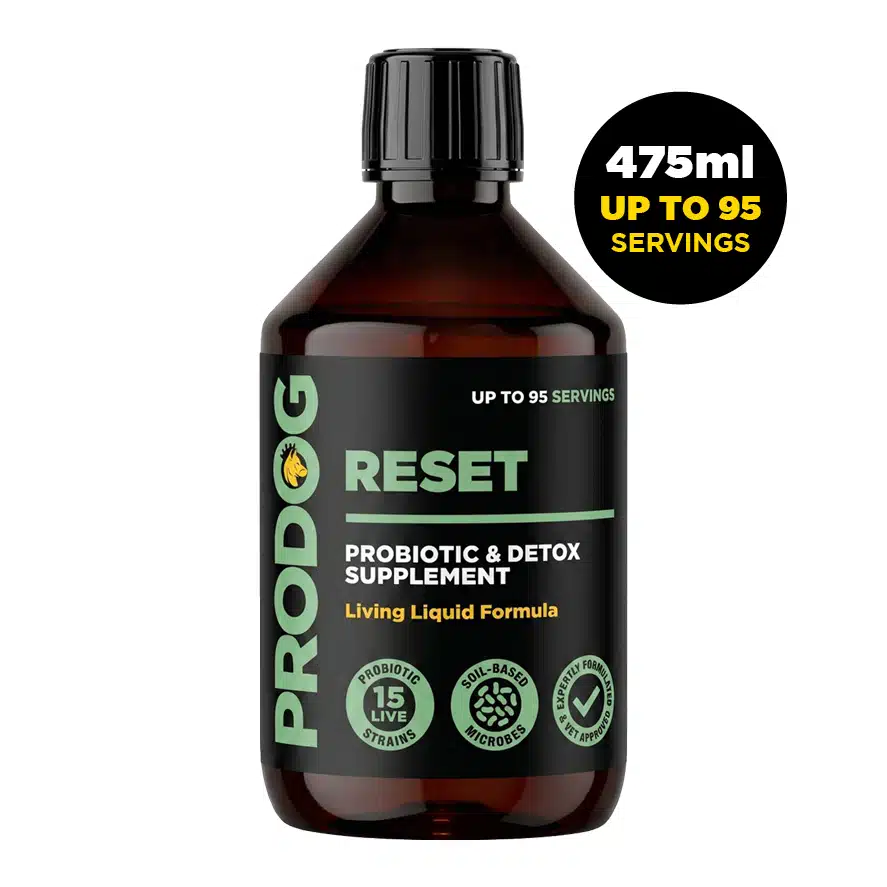
ProDog’s Reset, liquid dog probiotic also contains the probiotic yeast Saccharomyces boulardii, which is uniquely valuable here because antibiotics cannot kill it. This makes it an important protective player during and after a course of treatment, helping to minimise digestive upset while actively supporting the integrity of the gut lining. By offering protection against harmful bacteria at the intestinal wall, it works alongside the probiotic strains to give the gut the best possible environment to recover in.

Soil-based, spore-forming probiotics are particularly well-suited to the post-disruption gut environment. Their protective structure means they are more likely to survive what is often a very hostile internal landscape and begin the process of rebuilding.

A few practical points worth noting:

  • Start probiotic support while on antibiotics to minimise any negative effects of the antibiotics
  • Continue for at least four to six weeks to give the microbiome time to genuinely re-establish
  • Support the probiotic with prebiotic fibre to give incoming microbes the fuel they need to thrive.
  • Give the probiotic 2-3 hours after antibiotics.
older German shepherd

Probiotics vs Prebiotics vs Postbiotics: What’s the Difference?

This is one of the areas where owners understandably get confused. Here’s a clear breakdown.

Prebiotics are specific types of food, fibre, plant compounds, and certain natural nutrients, that feed the microbes already living in your dog’s gut. Think of them as the fuel that allows probiotics to thrive and do their work. Without adequate prebiotic support, even the best probiotic strains struggle to establish themselves. ProDog’s Digest dog gut health supplement is a dedicated prebiotic, designed specifically to feed and support existing gut bacteria.

Probiotics are the live beneficial microorganisms themselves. They help digest food, make nutrients bioavailable, and work to maintain the balance of the microbiome. The right strains, in the right form, introduced in a way that actually survives the journey to the colon: that’s what makes a probiotic effective.

Postbiotics are what probiotics produce as a byproduct of the digestive process. The key example is butyrate, a short-chain fatty acid that is essential for gut lining integrity, immune function, and a healthy inflammatory response. Butyrate is produced naturally when healthy microbes ferment dietary fibre in the gut.

The whole system works as a chain. Pre feeds pro; pro produces post. Supporting one part in isolation is much less effective than supporting the whole ecosystem, which is exactly why the most sophisticated probiotic formulas combine these elements rather than isolating them.

What to Look For in a Dog Probiotic: The Quality Markers

Search online and you’ll find dozens of probiotic products. The label claims can sound remarkably similar, but what’s inside, and how it’s made, varies enormously.

Strain Diversity Over High CFU Count

Most standard probiotics focus on a high CFU (colony-forming unit) count of a small number of strains. The number sounds impressive, but strain diversity is the real marker of quality. Different strains perform different functions. A diverse gut microbiome, with many types of microorganisms working together, is generally considered healthier and more resilient than a low-diversity one [7]. When the microbial community lacks variety, the system can become less adaptable and more vulnerable to disruption. The standard probiotic industry typically sells high doses of just a few isolated strains. These strains originally came from nature but have been cultured in laboratory conditions, separated from the diverse microbial communities they evolved within. The result is limited diversity and, for many dogs, limited results.

Testing and Manufacturing Standards

A reputable probiotic manufacturer will test for pathogens and heavy metals in the mother culture before fermentation begins and continue testing throughout the production process. Look for brands operating under Good Manufacturing Processes (GMP), a regulatory system requiring hazard assessment at every stage of production.

Survival Through the Gut

For a probiotic to work, it has to survive the journey from the mouth to the small and large intestine, where it actually needs to colonise. Stomach acid is highly destructive, and many probiotic strains don’t survive it. The delivery format, the resilience of the strains chosen, and the structure of the microbes themselves all determine how much actually makes it through.

What Are Soil-Based Probiotics?

This is where the science gets genuinely interesting, and where a newer category of supplement is taking a fundamentally different approach to gut support.

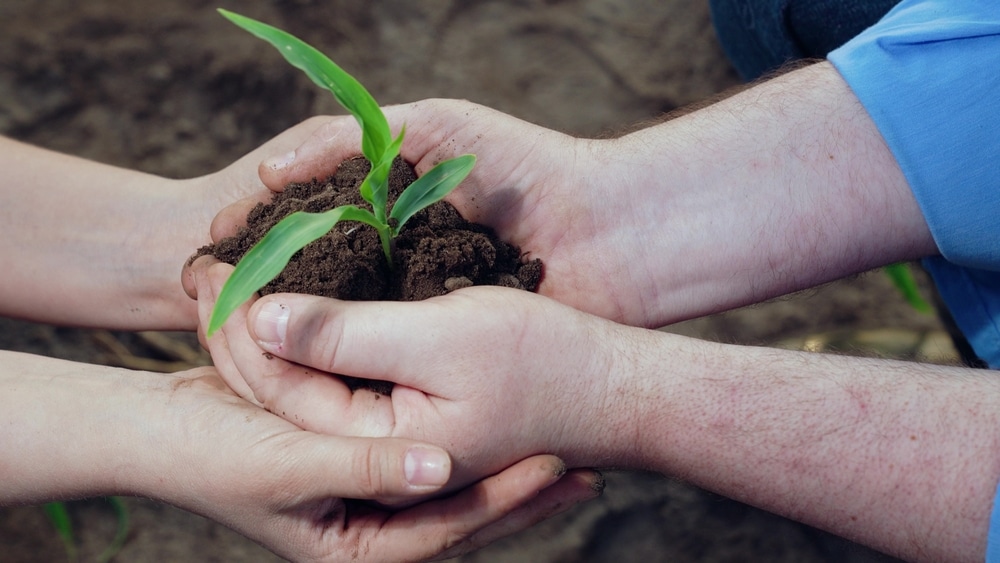
Soil-based probiotics (SBOs) are microorganisms harvested from living soil ecosystems, rather than synthesised or cultured in a laboratory. To understand why this matters, you first need to understand something about soil itself.

There are more living microorganisms in a teaspoon of healthy soil than there are people on the planet. Soil is one of the most diverse ecosystems in the world, and that microscopic diversity underpins everything that grows from it. Crucially, many of these soil microbes are the same organisms found in healthy animal and human gut systems.

soil based probiotics

The Microbes That Bridge Soil and Gut

Several key strains exist in both healthy soil and healthy gut microbiomes:

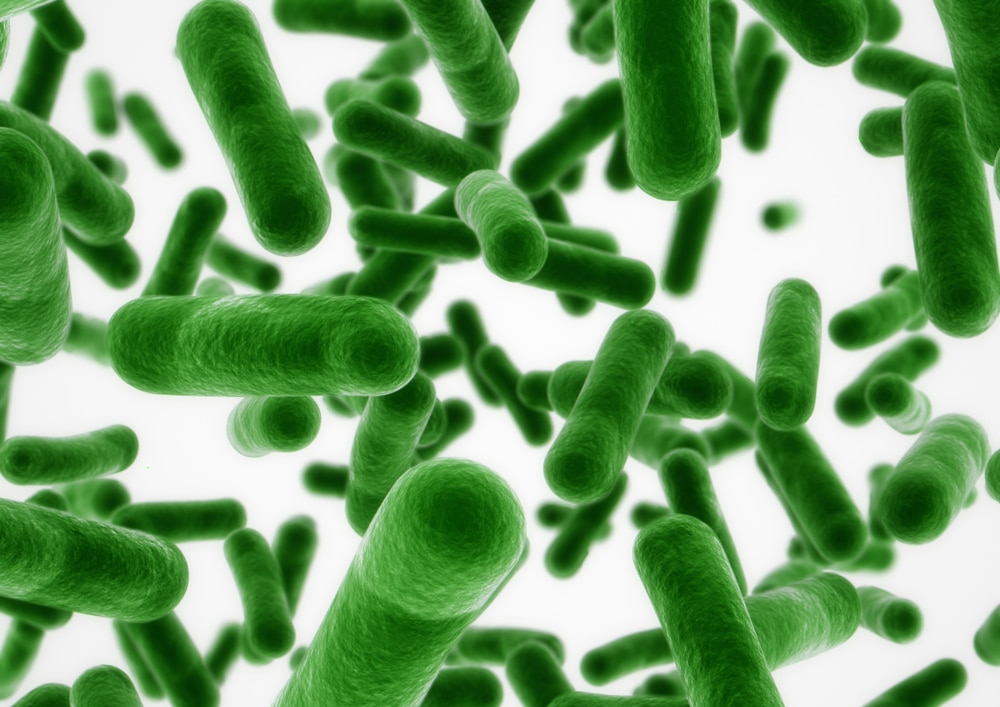
  • Bacillus subtilis is found around plant roots and in human and animal gut systems. It is remarkably resilient. Peer-reviewed research in healthy dogs has confirmed it is safe for daily use and produces meaningful biological effects, including reduced oxidative stress markers, evidence that it survives GI transit and exerts activity at the intestinal level [8]. Lactobacillus plantarum is associated with plants and soils and also found in the gut microbiome.
  • Lactobacillus fermentum is found in both soil and plant environments and the gut.
  • Lactococcus lactis is widely present in soil and plants and also found in the gut tract.

Dogs evolved alongside a microbially rich environment, digging, consuming whole prey, living in close contact with soil and land. Research comparing domesticated dogs to wild wolves shows that domestication has substantially reduced canine gut microbiome diversity, in a pattern that closely mirrors the microbiome changes seen in industrialised human populations, driven by shifts in diet, lifestyle, and environmental microbial exposure combined [9].

bacteria

Where Soil-Based Probiotics Colonise

The goal of any probiotic is colonisation of the large intestine, not the upper gut. The spore-forming structure of strains like Bacillus subtilis provides the resilience needed to reach this destination, surviving the gastric acid environment that many conventional probiotic strains cannot.

Liquid Probiotics: Does Format Actually Matter?

The short answer is yes, significantly.

Most probiotic supplements come in capsule, powder, or chew form. These formats require the microbes to be dormant during manufacturing and storage, then revive inside the gut. Many don’t make it. A tablet or capsule also introduces a delay, as the microbes have to survive the dissolution of their casing before they even begin their journey.

A living liquid probiotic is fundamentally different. The microbes are already active, not dormant. They are in a fermented, brewed state, which means they are better equipped to survive the stomach environment and reach the gut where they can actually function.

Need help with your dog’s diet?

Contact ProDog’s expert team today for FREE tailored canine nutrition advice

Contact Us

ProDog Reset: A Living Liquid Probiotic Worth Knowing About

Most probiotic supplements start in a laboratory. Reset starts in the ground.

ProDog’s liquid probiotic for dogs, Reset takes a soil-based approach to gut support, harvesting microorganisms from wild, undisturbed land and cultivating them through a four-stage fermentation process before they ever reach your dog’s bowl. The result is a living liquid formula containing at least 15 identified strains, including Lactobacillus, Bifidobacterium, Bacillus subtilis, and Saccharomyces boulardii, alongside fermented functional herbs: milk thistle, dandelion, moringa, ginger, and chaga mushroom, and prebiotics like artichoke, dandelion etc.

The liquid format is significant. Unlike capsules or powders, which require dormant microbes to revive inside the gut, Reset delivers microbes that are already active at the point of delivery. Combined with the spore-forming resilience of soil-based strains, that means a greater chance of surviving the stomach and actually reaching the colon where the real work happens.

It’s a whole-microbiome support formula, not a high-dose shot of a handful of isolated strains. That distinction is what makes it different.

The Different Types of Dog Probiotic Supplements

Understanding your options helps you make a more informed choice.

Liquid probiotics such as ProDog’s liquid probiotic for dogs, Reset, deliver live, active microbes in their most bioavailable form. The fermentation process means they are already thriving rather than dormant, which gives this format the strongest case for gut survival and colonisation.

Probiotic pastes (such as ProDog’s Animotics) are practical and palatable short term use options for digestive upset, or transitioning to a different diet when a targeted, easy-to-administer format is needed.

Powders are versatile and easy to add to food, making them a practical daily option for dogs who take supplements well. Strain quality and manufacturing standards still determine effectiveness.

Chews and treats can be convenient but often contain fillers, sweeteners, and stabilisers that may work against the gut health you’re trying to support. It’s worth scrutinising the ingredient list carefully.

Capsules can be effective if the strains are high quality and the delivery mechanism allows sufficient survival. Enteric coating can help here.

Supporting Your Dog's Gut: The Full Picture

The canine gut microbiome doesn’t respond to one thing in isolation; it responds to everything at once. Diet, environment, stress, medication, each one shifts the balance, and the microbiome can take significant time to recover from any of them. Supporting it well means thinking about the whole ecosystem, not just one variable.

A fresh, species-appropriate raw diet lays the foundation that no supplement can replicate. Targeted support with the right strains, the right prebiotic base, and the right delivery form builds on that foundation, strengthening resilience, diversity, and long-term gut function in every dog.

ProDog’s range of dog supplements has been formulated with that full picture in mind. If you’d like help finding the right fit for your dog, our nutrition team is always happy to talk it through.

FAQs

What are the best probiotics for dogs?

The best probiotics for dogs are those that offer genuine strain diversity, survive the acidic stomach environment to reach the large intestine, and come from a manufacturer with robust quality testing. Soil-based probiotics in liquid form represent one of the most bioavailable and diverse approaches currently available, combining live microbial strains with prebiotic herbal support for whole-system gut function.

What is the best probiotic to give my dog in the UK?

Look for UK-formulated products made under GMP standards, with transparent ingredient lists and clear strain information. Format matters too: a living liquid probiotic delivers active microbes directly, while pastes and powders offer practical daily options depending on your dog’s needs and routine. ProDog’s range includes options across these formats, including Animotics probiotic paste and Reset liquid probiotic for dogs.

Do vets recommend probiotics for dogs?

Many holistic and integrative vets recommend probiotic support for dogs, particularly following antibiotic treatment, during periods of digestive sensitivity, or as part of a broader gut health strategy. The quality and strain selection of the product matters enormously, as not all probiotics are created equal. Always discuss specific supplement choices with your vet if your dog has an underlying health condition.

What are the best rated probiotics for dogs?

The most effective probiotics for dogs combine multiple high-quality strains, survive the stomach environment reliably, and include prebiotic support to fuel microbial establishment. Soil-based liquid probiotics are increasingly favoured for their diversity, resilience, and bioavailability compared to standard capsule or powder formats.

What is the difference between a probiotic and a prebiotic for dogs?

A probiotic introduces live beneficial microorganisms into the gut. A prebiotic provides the dietary fuel, specific fibres and plant compounds, that feeds those microorganisms and helps them thrive. Both are needed for the system to work effectively. Reset also contains some prebiotics while ProDog’s Digest dog gut health supplement is a dedicated prebiotic supplement.

What are soil-based probiotics for dogs?

Soil-based probiotics (SBOs) are beneficial microorganisms harvested from living soil ecosystems rather than grown in a laboratory. They include strains such as Bacillus subtilis, which co-evolved with mammalian gut biology and can form protective spores that survive stomach acid. Dogs evolved with daily soil exposure, and soil-based probiotics aim to restore that ancestral microbial connection in a targeted, bioavailable way.

How long does it take for probiotics to work in dogs?

Most dogs show signs of digestive improvement and subsequent skin/ ear issues within two to four weeks of consistent probiotic use, though this varies depending on the starting state of the microbiome, the quality of the supplement, and the dog’s diet and lifestyle. After significant gut disruption such as following antibiotics, a longer period of support of four to six weeks minimum is often needed for the microbiome to genuinely re-establish.

Do raw-fed dogs need probiotics?

Raw feeding significantly supports gut health compared to an ultra-processed diet, but even high-quality raw food comes from a modern food system with depleted soil microbial diversity. Dogs evolved with far richer microbial exposure than most receive today – probiotic support isn’t a correction; it’s a meaningful addition that helps restore the ancestral gut diversity modern life has reduced.

Can puppies have probiotics?

Yes, puppies can benefit from probiotic support, particularly during weaning, dietary transitions, or following any gut disruption. Choose a product formulated for dogs and introduce gradually. If in doubt, consult a canine nutritionist or vet for guidance specific to your puppy’s age, breed, and diet.

What are the potential side effects of probiotics for dogs?

Probiotics are very well tolerated in dogs. The most common response when starting a new probiotic supplement is a short period of digestive adjustment, mild loose stools or slightly increased wind, as the gut microbiome adapts to the new influx of microorganisms. This typically settles within five to seven days.

If symptoms persist beyond this, or are severe, check in with your vet. In dogs with compromised immune systems, always introduce any new supplement under veterinary guidance. Starting with a smaller serving size and building up gradually over the first week can help support a smoother adjustment.

References

  1. Ahsin et al. (2025). npj Science of Food, 9, 151. 10.1038/s41538-025-00471-2
  2. Yang Q, Wu Z. Gut Probiotics and Health of Dogs and Cats: Benefits, Applications, and Underlying Mechanisms. Microorganisms. 2023 Sep 29;11(10):2452. doi10.3390/microorganisms11102452.  
  3. Cornell University College of Veterinary Medicine, Riney Canine Health Center. n.d. “Diets to Boost Immunity.” Accessed April 28, 2026. https://www.vet.cornell.edu/departments-centers-and-institutes/riney-canine-health-center/canine-health-topics/diets-boost-immunity. 
  4. Pilla, R., & Suchodolski, J. S. (2019). The role of the canine gut microbiome and metabolome in health and gastrointestinal disease. Frontiers in Veterinary Science, 6, 498. https://www.frontiersin.org/journals/veterinary-science/articles/10.3389/fvets.2019.00498/full 
  5. Sacoor, C., Marugg, J. D., Lima, N. R., Empadinhas, N., & Montezinho, L. (2024). Gut-brain axis impact on canine anxiety disorders: New challenges for behavioral veterinary medicine. Veterinary Medicine International, 2024, Article 2856759. Doi: 10.1155/2024/2856759 
  6. Kim, H., Chae, Y., Cho, J. H., Song, M., Kwak, J., Doo, H., et al. (2025). Understanding the diversity and roles of the canine gut microbiome. Journal of Animal Science and Biotechnology, 16, 95.Doi:10.1186/s40104-025-01235-4 
  7. Rindels, J. E., & Loman, B. R. (2024). Gut microbiome – the key to our pets’ health and happiness? Animal Frontiers, 14(3), 46–53. DOI: 10.1093/af/vfae015 
  8. Ziese, Anne-Lise, Sina Jakobsen, Yuting Qian, Nese Sreekumar, Rasmus Jørgensen, and Jan S. Suchodolski. “Effect of the Probiotic Bacillus subtilis DE-CA9™ on Fecal Scores, Serum Oxidative Stress Markers and Fecal and Serum Metabolome in Healthy Dogs.” Veterinary Sciences 10, no. 9 (2023): 566. https://doi.org/10.3390/vetsci10090566. 
  9. Sonnenburg, Justin L., Erica D. Sonnenburg, Hannah C. Wastyk, Dalia Perelman, Ali Sonnenburg, Christopher D. Gardner, and Christoph A. Thaiss. “Effects of Domestication on the Gut Microbiota Parallel Those of Human Industrialization.” eLife 10 (2021): e67634. https://doi.org/10.7554/eLife.67634. 


0 comments

Leave a Reply

Your email address will not be published. Required fields are marked *