



FREE DELIVERY ON RAW DOG FOOD BUNDLES & DOG SUPPLEMENTS to UK Standard Areas

What Is a Reactive Dog? Understanding the Real Causes (And What You Can Do About It)

If living with your reactive dog feels like navigating a minefield, dreading every walk, scanning for triggers before they appear and bracing for the next explosion, you’re not alone, and you’re not failing. Most owners of reactive dogs have tried everything and still feel stuck, not because they’re doing it wrong, but because the label “reactive dog” tells you almost nothing useful about why your dog is struggling. The real answers lie underneath the surface, and that’s where lasting change begins.

Author: Kamal Fernandez

What Is a Reactive Dog? Understanding the Real Causes (And What You Can Do About It)

With more than three decades of experience working with dogs across sport, television, and real-world training, I’ve built my work around understanding how dogs think, learn, and communicate under real-life conditions. From competing at the highest levels, including Crufts Obedience, to sharing my training philosophy as the lead trainer on Channel 4’s Bad Dog Academy, one thing has remained constant: the behaviour you see on the surface rarely tells you the full story. 

Over the years, I’ve worked with countless owners who felt at their wit’s end with reactive dogs; dogs who lunge, bark, shut down, or spiral at the sight of other dogs, people, or traffic. In almost every case, the breakthrough didn’t come from more management or stricter rules. It came from identifying the root cause and responding to the dog in front of them, not the label they’d been given. 
 

What Is a Reactive Dog?

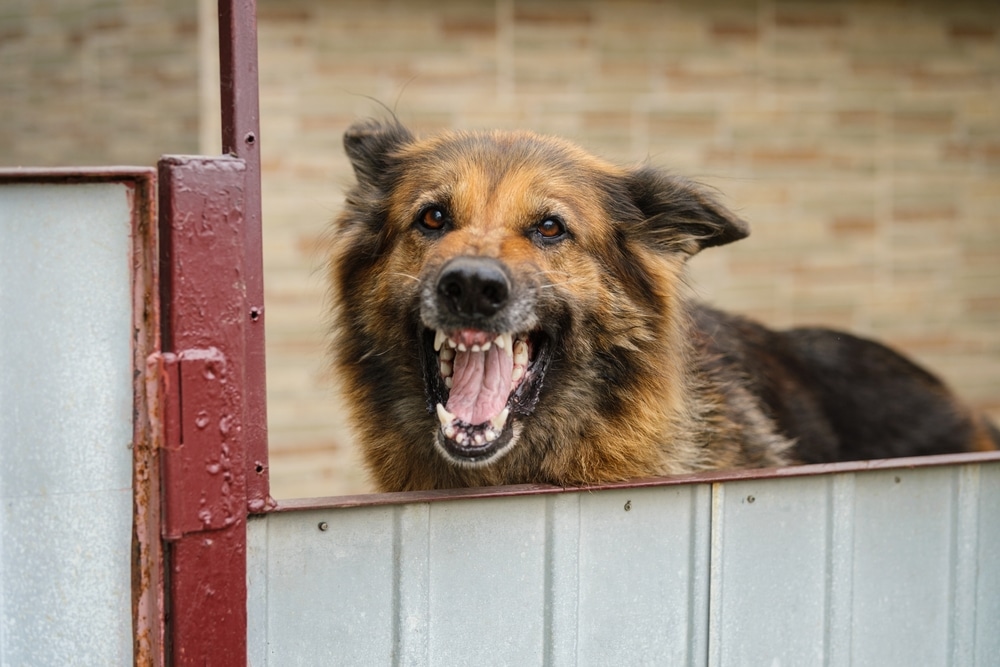
A reactive dog is one who responds to their environment with more intensity than we expect or feel comfortable with. Reactivity isn’t a diagnosis, a personality flaw, or a sign that something has gone fundamentally wrong. It’s a dog communicating, often loudly, that something in their world isn’t working.

Those reactions can look very different from dog to dog. Barking, lunging, freezing, avoidance, over-arousal, or shutting down entirely. This is exactly why one-size-fits-all solutions rarely work: the behaviour on the surface may look the same, while the cause underneath is completely different.

When it comes to how to train a reactive dog, the first and most important step is identifying the core cause behind the behaviour, not just managing the symptoms.

how to train a reactive dog

The Five Core Causes of Dog Reactivity

In practice, dog reactivity almost always stems from one or more of the following five core causes:

1. Genetics

Every dog is born with a genetic blueprint that influences how they process the world, cope with pressure, and recover from stress. Many behaviours we now label as reactive were once highly desirable. Terriers were bred to exterminate vermin, herding breeds to control movement, and guarding breeds to protect property. While our lifestyle has evolved, the dog has not evolved at the same pace. The behaviours didn’t disappear, the context did.

What we often see as reactivity is unmanaged genetic expression rather than a dog being “difficult”.

2. Socialisation

Socialisation isn’t about flooding dogs with experiences. It’s about quality, timing, and emotional outcomes. Poor or inappropriate socialisation can leave dogs overwhelmed or unsure how to cope with novelty. Equally, too much pressure can create reactivity just as easily as too little. Good socialisation builds neutrality, confidence, and resilience — not forced friendliness

3. Understanding (Clarity)

One of the most overlooked causes of reactivity is lack of understanding. Dogs who don’t clearly understand what’s being asked of them, how to succeed, or how to disengage safely often become reactive through confusion and stress.

Simplifying solutions is key. For most reactive dogs, a solid sit, down, and reliable recall will allow owners to navigate around roughly 95% of real-life situations. These aren’t obedience behaviours for the sake of it, they’re life skills that give the dog options and reduce pressure.

4. Physical Factors

Pain or physical discomfort can significantly lower a dog’s threshold. Hormonal changes, musculoskeletal pain, gastrointestinal issues, or neurological factors can all contribute to reactive behaviour. Physical causes should always be ruled out, you cannot train your way out of pain.

5. Trauma and Confidence

Trauma doesn’t have to be dramatic. It can be cumulative, subtle, or linked to chronic stress. A dog with reduced confidence may react to create distance, regain control, or feel safer. It’s also important to acknowledge that trauma or anxiety can exist on the handler’s side too as dogs are extremely sensitive to human emotion and movement.

Why One-Size-Fits-All Approaches Don't Work

One of the biggest misconceptions around reactive dogs is the idea that they all need the same approach. They don’t. A fearful dog, an over-aroused dog, a frustrated dog, and a genetically intense dog may all look reactive, but their needs are very different. How to train and how to calm a reactive dog look very different in each individual case.

Reactivity Isn’t a Failure — It’s Communication

When we understand the root cause, simplify expectations, and build the right skills, we stop managing symptoms and start creating meaningful, lasting change.

0 comments

Leave a Reply

Your email address will not be published. Required fields are marked *