FREE DELIVERY ON RAW DOG FOOD BUNDLES & DOG SUPPLEMENTS to UK Standard Areas

Dog Not Eating Food? Causes, Solutions, and Tips

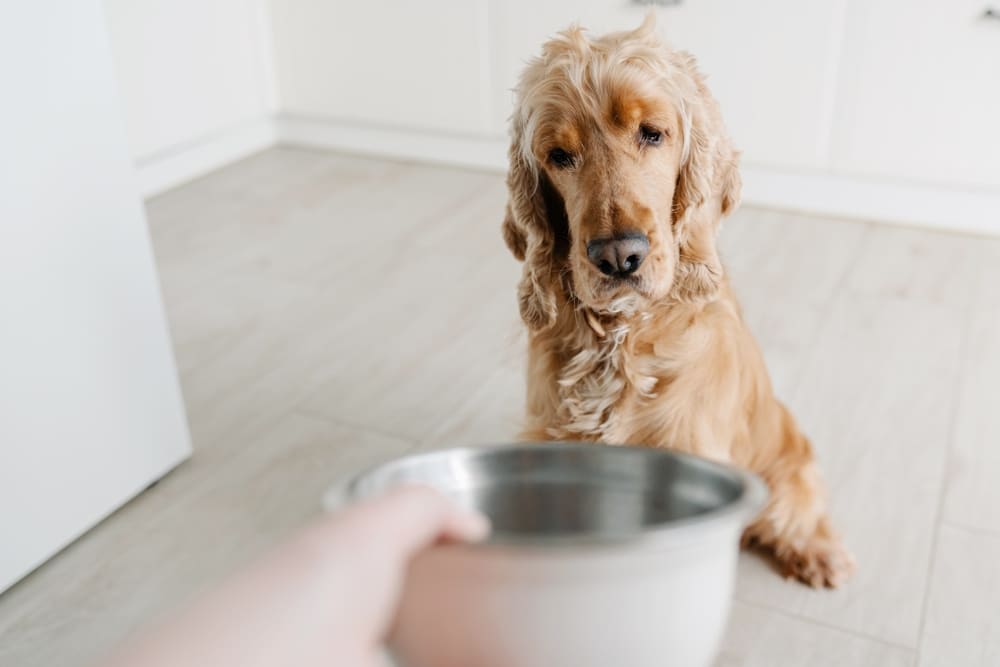
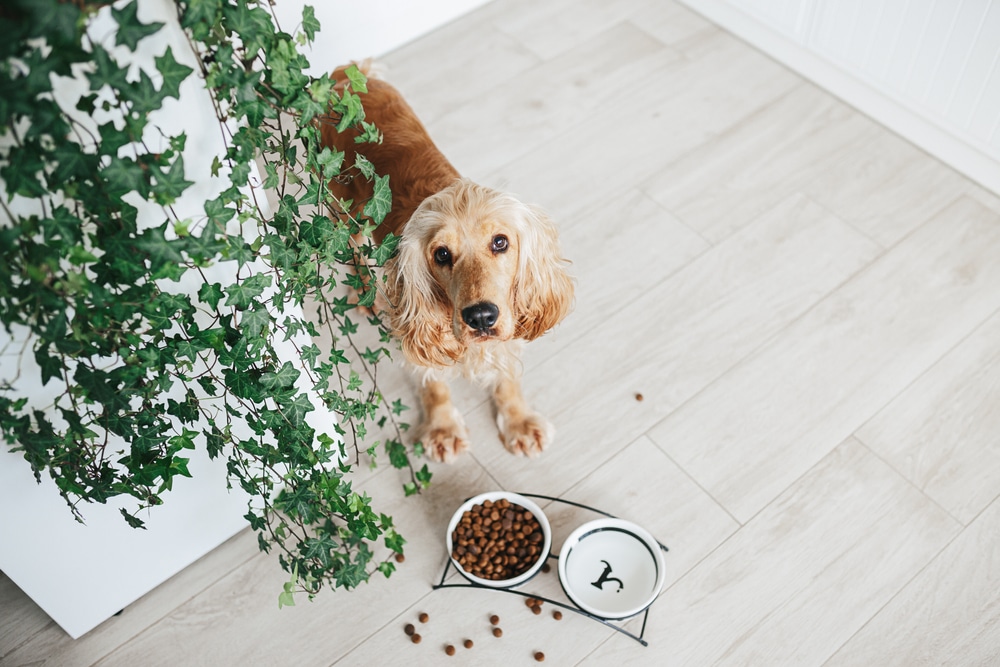
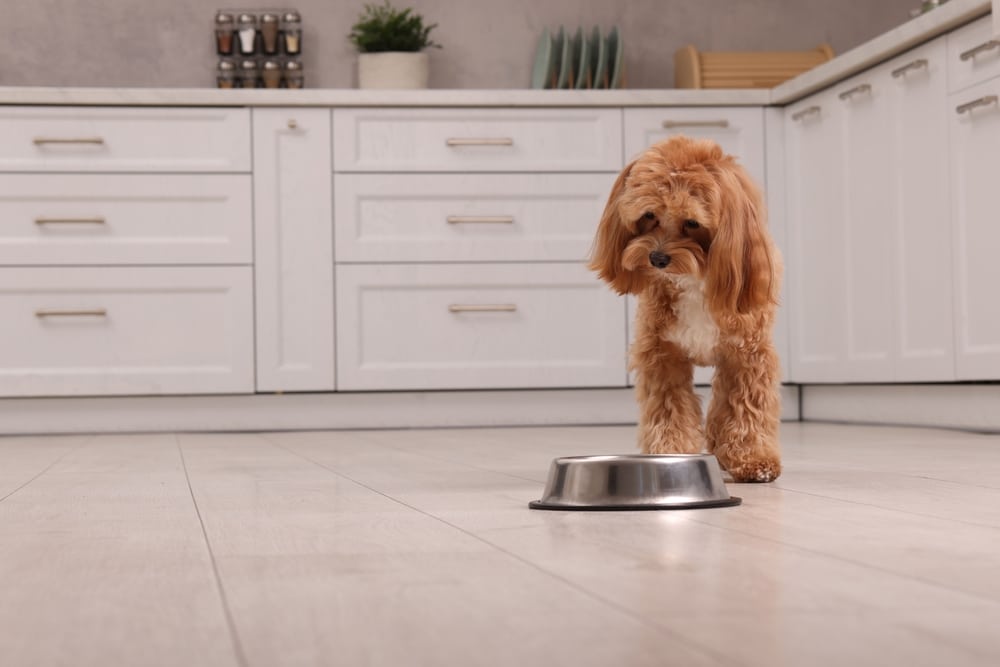
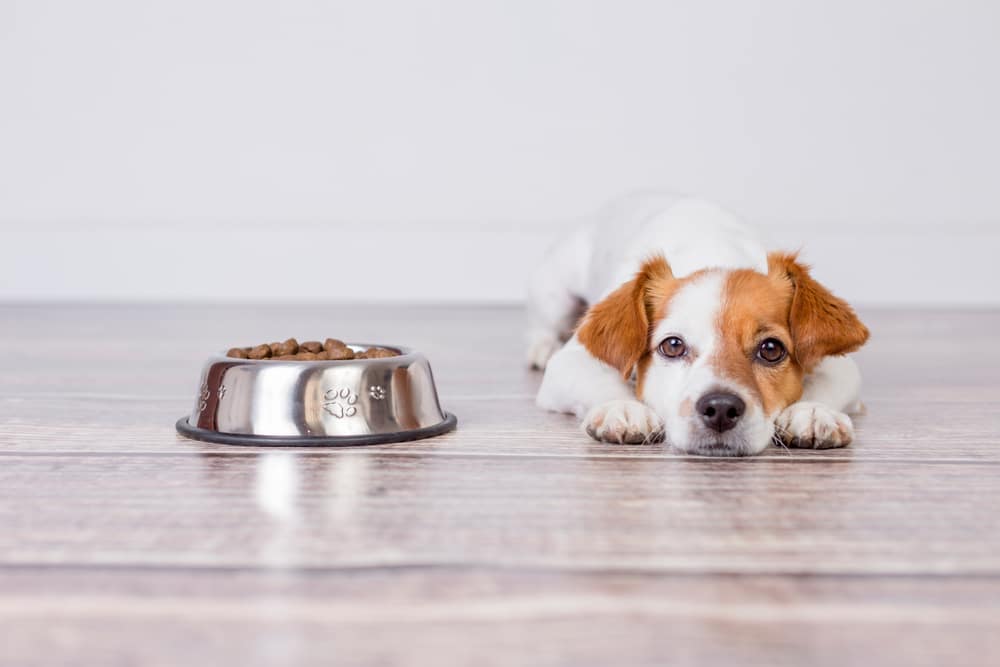
A dog not eating food can be unsettling for owners, especially when it’s a dog who usually wolfs down every meal without a second glance. Before imagining worst-case scenarios, it’s important to understand that most causes are straightforward, and most are completely resolvable. Whether it’s a passing phase, a preference shift, or a signal that something needs attention, understanding what’s behind your dog not eating puts you back in control.

Dog Not Eating Food? Causes, Solutions, and Tips

Blog in 60 Seconds

In this guide, you will learn:

  • The most common reasons dogs stop eating, from health issues to plain old pickiness
  • How to tell when a dog not eating food is a vet emergency vs. a wait-and-see situation
  • Why switching from kibble to raw dog food can turn even the fussiest eater around
  • What to do if your puppy won’t eat, and why puppies need a different approach
  • Practical tips for fussy eaters and proven methods to get reluctant dogs eating again

As a canine behaviourist, author, and ProDog’s resident expert on food and feeding related behaviour issues, I have several decades experience in helping dog owners understand what drives their dog’s choices, and how to build relationships rooted in trust, not control.

A dog not eating food is one of the more common concerns I’m asked about, and one I’m particularly passionate about getting right. In my work, I’ve seen first-hand how closely a dog’s appetite connects to their emotional state, their environment, and the quality of what’s in their bowl. Whether your dog has gradually lost interest in mealtimes, turned fussy overnight, or is showing signs of food anxiety, I can help you unpick what’s really going on and find an approach that works for your dog specifically.

What Does It Mean When a Dog Stops Eating?

When a dog shows a reduced or complete loss of appetite, this is referred to as inappetence, hyporexia, or anorexia depending on severity. In veterinary contexts, anorexia simply describes a loss of appetite rather than a body image disorder as it is understood in human medicine. [1]

Because dogs are individuals, what counts as “reduced” appetite isn’t always straightforward. What’s normal for one dog may look quite different from another, which is why understanding your dog’s baseline appetite is the first step in recognising when something is genuinely off.

Common Reasons a Dog Won't Eat Their Food

There’s rarely one single explanation for a dog not eating; causes range from the mundane to the medical. Here are the most common culprits.

Illness or Pain

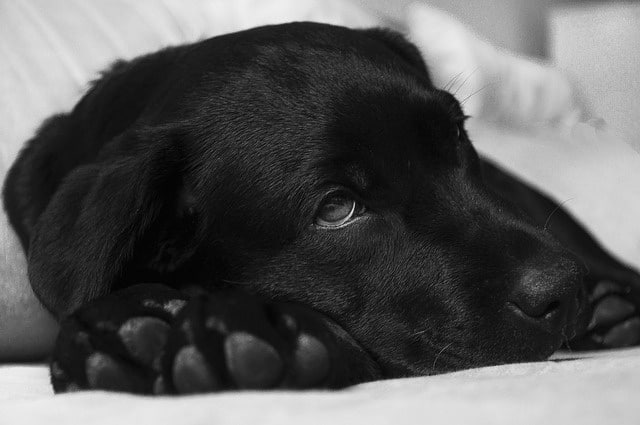
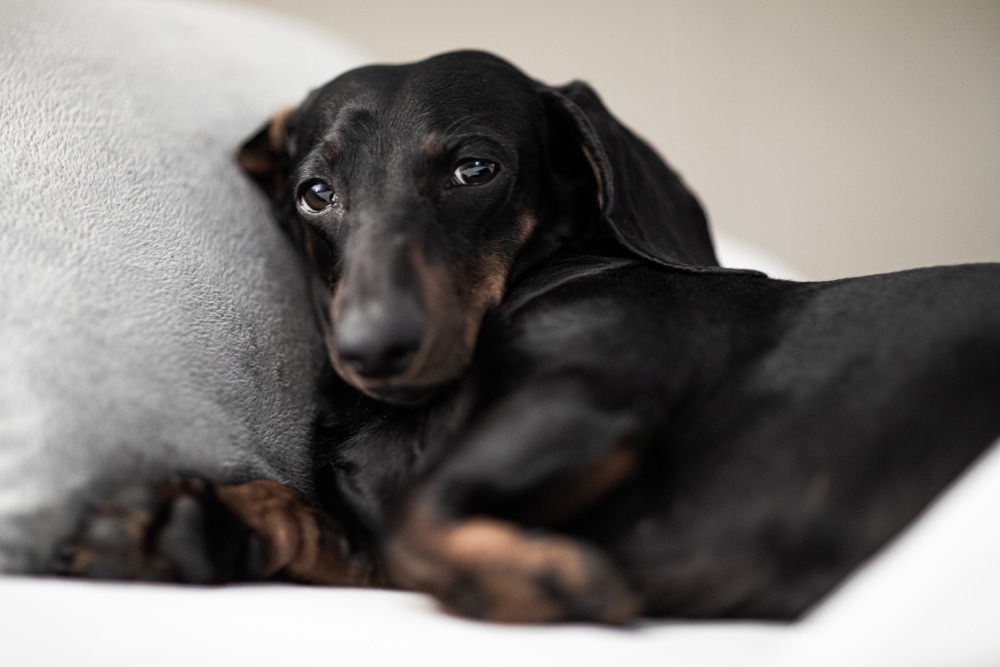
Physical discomfort is one of the most immediate reasons a dog will turn away from their bowl. Digestive upset, dental pain, infections, organ dysfunction, and systemic illnesses all suppress appetite. If your dog is also lethargic, vomiting, drinking more or less than usual, or showing changes in behaviour, a vet visit is the right move.

Dog Vomit: Common Causes and How to Help

Dog Vomit: Common Causes and How to Help

READ MORE

Recent Vaccinations or Medication

It’s common for dogs to go off food for 24–48 hours following vaccinations or a course of medication. This is usually temporary and resolves on its own. If it persists beyond a couple of days, speak to your vet.

Anxiety issues (theirs and ours)

Anxiety affects appetite, therefore dogs with these types of issues often struggle to eat. Their worry of you leaving them alone can play a part in this, as can general anxiety that simply causes their tummies to feel uncomfortable. Anxiety produces various behaviours such as barking, lunging, and backing away. However, some dogs’ nervousness is more subtle, leading to behaviours like refusing to eat.

Likewise, humans can understandably become anxious when our dogs are not eating, which dogs will pick up on. This only adds to their preexisting anxiety, causing a never-ending cycle of worry for both of you. It’s important to know that dogs can miss a meal once in a while, just as humans can.

In fact, fasting has many known health benefits for dogs and humans. As natural scavengers, and opportunistic feeders, the natural evolution of dogs means they are anatomically designed to go long periods of time without food. Remembering this will help you to remain calm when your dog’s not eating.

Regular testers

If you find yourself buying new foods often, only to find that your dog’s gone off their food a short while later, you may simply have a regular tester on your hands. These dogs appear to love their food for a few weeks, but then all of a sudden they stop eating, though they’ll happily take treats from you when offered! Of course, as a loving dog owner this is likely to concern you, as it seems your dog isn’t eating their food. Not to worry, though; the natural eating routine method, which I will go on to discuss, will help encourage your dog to eat more consistently.

Food Boredom or Preference

Dogs absolutely develop preferences. If your dog has been on the same food for months or years, it’s entirely possible they’ve simply gone off it. This is especially common with dry kibble, which many dogs eat out of habit rather than hunger, and eventually start to reject altogether.

dog gone off food

Feeding too much 

Whilst it’s true that some dogs will eat until we stop them, others do know when they’ve had enough. This might be what your dog is trying to tell you.

A quick check of their body condition score will help you to determine if they’re overeating. If their results are normal, consider giving less treats and see if their meals start disappearing again. If they’re not big treat eaters, a revaluation of their meal size may be in order. ProDog’s raw dog food calculator will help you to figure this out.

Teenage rebellion

Your puppy will change behaviour as they mature, from seemingly forgetting any training you’ve put into place [2]. Whatever your puppy does it’s communication and it’s important to look to environmental factors as well as the teenage push back when addressing them. Two of the most common behaviours noted are, poor recall and backing off food. Between the ages of about 4-18 months they can be quite challenging. Thankfully, the methods outlined above and below will still help your teenage pup resume their eating habits.

puppy and food behaviour

Dog Gone Off Kibble? Raw Dog Food Could Be the Answer

One of the most consistent patterns we see at ProDog is dogs who have gradually, or suddenly, stopped eating their dry food, then made an immediate and enthusiastic return to mealtimes when switched to a fresh, natural diet.

Ultra-processed dog food is a heavily manufactured product. The palatability of kibble often comes from synthetic flavour enhancers and coatings, not from the intrinsic quality of the ingredients. Over time, many dogs lose interest. In my experience working with fussy eaters, I’ve seen dogs written off as “picky” for years inhale a raw meal without hesitation. The dog was never the problem, the food was.

If you’re wondering whether diet could be at the root of your dog’s reluctance, it’s worth exploring the benefits of raw dog food, or browsing our raw dog food range to see what a species-appropriate diet could look like for your dog. A gradual switch to raw dog food is often more straightforward than owners expect, mixing raw in with existing food before moving fully across makes the change digestively comfortable and more likely to be accepted.

Two dogs eating and enjoying the benefits of raw dog food

Top 12 Health Benefits of Raw Feeding Your Dog

READ MORE

Helping a Fussy Eater: Practical Tips to Try

If your dog is healthy but selective about food, there are several practical steps worth trying. In my work with dogs and their owners, fussy eating is rarely about the dog being awkward, it’s usually about the relationship between the dog, the food, and the routine around mealtimes.

Below are some of my most frequently recommended approaches for dogs that are reluctant to eat. Bear in mind that what works for one dog may not work for another, so pick one strategy, stay consistent, and give it a fair chance. If it doesn’t seem to be helping, don’t worry, another approach may suit your dog better. I’m always on hand to help, so feel free to book a FREE consultation if you’d like personalised guidance.

Consider their instinctual eating habits

Dogs didn’t invent the bowls they eat from; humans are responsible for this modern “convenience.” Therefore, it’s helpful to realise that the natural way dogs eat is actually on flat surfaces, rather than those with a concave shape. Bowls can make eating more difficult for some dogs, as they’re unable to navigate the curves comfortably. This can cause the development of anxiety around food and can result in dogs not eating.

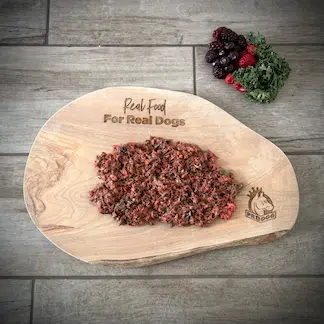
Flat, natural surfaces allow dogs to eat more comfortably. This is especially true for brachycephalic breeds (flat-nosed dogs such as Pugs and French Bulldogs), large breeds who can’t open their mouths wide within the confines of a bowl, and small breeds whose vision is obscured by the sides of bowls/dishes. A flat board made of olive wood, bamboo, or natural Nevea hardwood is a great choice and are all antibacterial and encourage licking, which has a natural calming effect.

Place flat boards away from corners or walls to allow for your dog to walk around them completely. This gives them a 360° view of their surroundings, helping them to feel safe whilst eating. Also, remember to wash after each use, carefully rinsing away any washing liquid residue to ensure that your dog’s fantastic sense of smell doesn’t put them off again!

raw dog food

Natural eating routine

Dogs are remarkably attuned to how we feel, research shows they can pick up on our stress, sadness, and anxiety through scent, body language, and even the subtle changes in our voice, [3] and are more likely to eat when you’re both relaxed. This method is my go-to, no-fuss approach for a dog not eating:

  • Choose a quiet half-hour at home.
  • Call your dog into the room you prepare their food in and shut the door.
  • Refrain from interacting with your dog. Allow them to watch you without distractions, which is how they learn best.
  • Play some calming music such as soft rock, classical, or reggae on low volume.
  • For some dogs warming their food by adding a splash of bone broth may help.
  • Place their food in dollops across their feeding board.
  • Put their food down without asking anything of them (this helps to keep anxiety/pressure to a minimum).
  • Step four paces away and sit down with your back facing your dog’s food.
  • Do something quiet to occupy yourself.
  • If your dog comes to you at any point, turn your face away from them to avoid eye contact (they will then return to their food).
  • When your dog comes back a second time, pick up their board and put any remaining food back in the fridge.
  • Repeat this process at every mealtime. By the third day they should be eating their normal portion.

No treats or edible enrichment until your dog is eating well, then keep to conservative amounts going forward.

If your dog doesn’t finish their meal, simply pop the leftovers in the fridge until their next mealtime. Stick with the routine, and they’ll gradually eat more with each meal over a period of a few days.

Preferred feeding times differ with each dog; for example, anxious dogs tend to do better with the evening meal, some dogs prefer an earlier breakfast, and others like to wait until after the family’s morning routine is complete. You know your dog best, so work with their natural preferences.

NOTE: I recommend sitting in the room with your dog to avoid them becoming anxious about you disappearing, which allows them to remain relaxed and encourages eating.

Here is how ‘The Natural Eating Routine’ works in practice

Caroline Spencer, demonstrates step by step in this video:

How to Get a Picky Eater to Eat -The Natural Eating Method

Enrichment/forage feeding

Working for food is a natural and enjoyable activity for dogs: it gives them a sense of achievement and stimulates their minds. Wolves and wild dogs naturally forage for food between hunts, which you can also encourage in your pet dog. A dog not eating food may simply be bored with the easy, effortless delivery of their meals, which is why this method can be helpful:

As with the natural eating routine, ensure the environment is relaxing and calm, and that you’re relaxed, too.

Make time for your dog to eat whilst you sit nearby without watching them.

Stuff a natural, hollow product such as a dried trachea, calf hoof, or buffalo horn with your dog’s meal. If you have multiple, stuff small portions of their food into a few of these.

Put them down in the kitchen or garden, and allow your dog to dig in.

Opportunity Knocks method

This method is particularly useful for dogs who hang around and take advantage of any spills whilst you’re cooking. Though it’s not a great idea to encourage this, it may be of benefit. You can always revert to the above processes once they’re eating normally again.

  • As before, create a quiet environment with soft music and no interaction from you.
  • Pop a board or plate on the floor on each side of yourself, a couple of feet apart.
  • Roll their food into little balls, dropping one on the board by your side.
  • Step and turn away, resuming your quiet activities.
  • As your dog comes around, drop another ball on the board by your feet.
  • Turn away and step towards the other board.
  • If there is food left on the board at any point, stop and pick up the boards.
  • Try again at the next mealtime.
  • Migrate gradually to the natural eating routine by placing more dollops on the boards over the next few days.

Here is how ‘The Opportunity Knocks’ method works in practice

Caroline Spencer, demonstrates step by step in this video:

Turning Fussy Dogs into Foodies - The Opportunity Knocks Method

Recaller tactics

Dogs love playing games with you, which you can absolutely use to your advantage with. Creating a game to disguise mealtime helps them to relax, rewards them for a job well done, and gives them their favourite treat in the world: time with you!

  • Make little balls of food, ProDog’s raw dog food is ideal for this, and pop in a bag.
  • Wear a latex glove or use a wooden spoon or a squeeze bottle for delivery.
  • Play “chase” in the garden or on a walk, using their food as a reward. Dogs will relax and enjoy themselves when you do the same!
  • Migrate to the enrichment/forage feeding method gradually after a couple of days.

Hand feeding

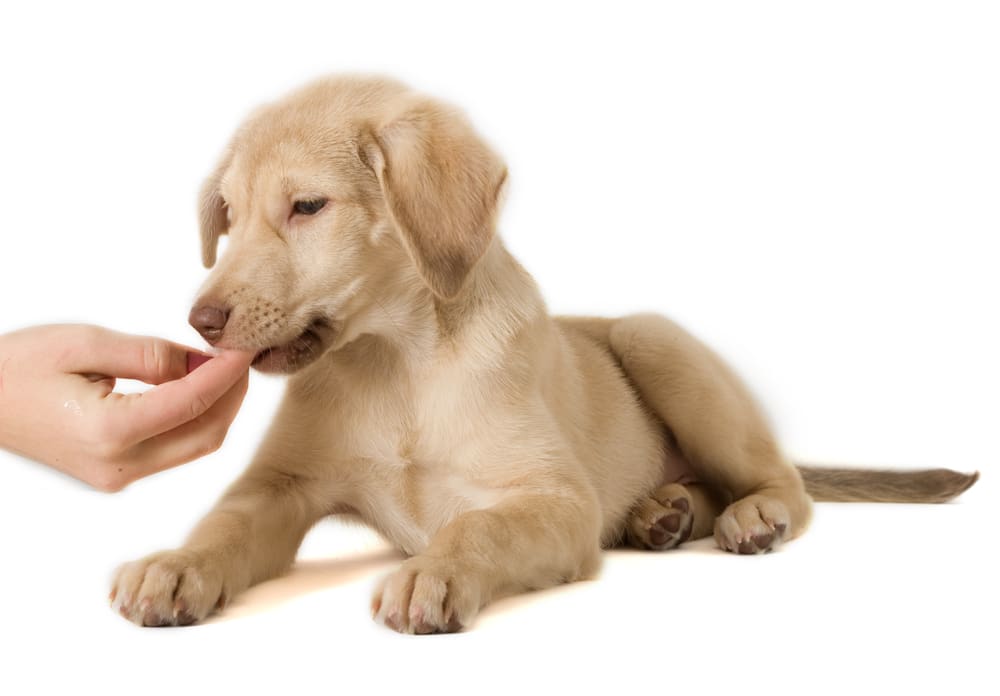
Puppies or very anxious/nervous dogs can often be reluctant to eat. Hand or spoon feeding can be helpful when getting these dogs used to eating normally, or when introducing a new food.

Remember to avoid eye contact and remain calm and quiet, keeping the environment relaxed whilst you feed them. Once they’re taking food happily and are accustomed to eating their normal portion this way, you can gradually migrate them to the enrichment/forage feeding method, and later, the natural eating routine

hand feeding a puppy

Cut back on treats and extras

If your dog knows something more interesting might appear, they’ll wait for it. During a period of food refusal, reduce treats significantly and remove table scraps entirely. This is often all it takes to reset a fussy eater.

Bring food to room temperature

Avoid serving food straight from the fridge. Allowing it to reach room temperature for 15-20 minutes enhances the aroma and often makes it more appealing to reluctant dogs. Avoid cooking or heating the food, as high temperatures can affect the nutritional integrity of raw ingredients. Simply allow it to reach room temperature for 10–15 minutes before serving.

raw dog food diet

Still Concerned About Your Dog Not Eating?

I know how stressful it is when your dog won’t eat, it’s hard not to worry. If you’ve tried everything I’ve suggested and you’re still not seeing any improvement, please don’t hesitate to take things further. Here’s what to keep in mind.

A healthy adult dog can typically go three to five days without food, provided they are still drinking water. However, this doesn’t mean waiting that long is advisable. Any dog that has refused food for more than 48 hours, particularly if other symptoms are present, should be seen by a vet.

Puppies, small breeds, and dogs with underlying health conditions are more vulnerable and should not go without food for extended periods. Hypoglycaemia (low blood sugar) can develop quickly in small or young dogs, so prompt action is important.

A dog refusing both food and water is a more urgent situation than food refusal alone. Dehydration can develop quickly, and this combination is often a sign of significant illness, pain, or distress. If your dog has not eaten or drunk for more than 24 hours, contact your vet without delay.

Separately, some dogs will eat normally but drink less, particularly dogs transitioning to raw food, which has a much higher natural moisture content than dry kibble. This is normal and not a cause for concern. A dog on a raw diet naturally takes in more hydration through their food, so you may simply notice reduced water bowl visits.

Remember, puppies have smaller reserves than adult dogs, which means a refusal to eat is more urgent. If your puppy hasn’t eaten for more than 12 hours, it’s worth investigating, and sooner if they seem unwell.

  • Common reasons puppies go off food include:
  • The stress of coming to a new home (especially in the first week)
  • Teething discomfort, typically from around 3–7 months
  • Illness or parasites, which are more common in young dogs
  • Overfeeding, or being given food that doesn’t agree with them

If your puppy is in the first few days at home and not eating, try offering smaller amounts, keeping mealtimes calm, and staying consistent with the same food they were on at the breeder. Sudden food changes can cause digestive upset, which will only compound the problem. Discover more in our Puppy Feeding Guide.

Supporting Your Dog's Relationship With Food

A dog’s appetite is one of the clearest windows into their overall wellbeing. When your dog is eating well, with enthusiasm, consistency, and energy to spare, it’s a sign that things are in balance. When that changes, it’s worth paying attention.

The good news is that most cases of a dog not eating food are entirely resolvable, and for many dogs, the answer is finding a diet that genuinely agrees with them and delivering it in a way that works for them. In my three decades working with dogs, I’ve found that fussy eating, food anxiety, and mealtime stress always have a root cause worth finding. If you’re wondering whether a species-appropriate, minimally processed diet could make a difference for your dog, we’re here to help you find out.

Explore our raw dog food range or get in touch for a behavioural consultation and let’s get to the bottom of why your dog is not eating food.

Need help with your dog’s diet?

Contact ProDog’s expert team today for FREE tailored canine nutrition advice

Contact Us

FAQs

What can I do if my dog is not eating?

Start by checking for obvious causes: recent changes in routine, new medication, dental discomfort, or a change in the food itself. A female dog will stop eating 24 hours before whelping for example. Offer a small amount of something highly palatable. If your dog has not eaten for more than 48 hours, or is showing any other symptoms, contact your vet.

How long can my dog go without eating and refusing food?

A healthy adult dog can physically go without food for three to five days, as long as they are still drinking water. However, a dog refusing food for more than 48 hours should be assessed by a vet, especially puppies, elderly dogs, or those with health conditions, who need prompt attention.

When should I be concerned about my dog not eating?

Be concerned if the food refusal lasts more than 48 hours, or is accompanied by vomiting, lethargy, diarrhoea, weight loss, or changes in drinking behaviour. Any of these signs alongside a loss of appetite warrants a vet visit without delay.

Do dogs stop eating before they pass away?

Yes, it is common for dogs to reduce or stop eating in the later stages of life. This is a natural response as the body’s energy needs decline. If your older dog is losing interest in food and you’re concerned about their quality of life, speak to your vet for compassionate guidance.

Why is my dog not eating their food but will eat treats?

This is almost always a preference issue rather than a health one. If your dog is well in every other way, they’ve likely learned that holding out leads to something tastier. Reducing treats, keeping mealtimes consistent, and switching to a more palatable diet, such as raw food, can resolve this quickly. It’s likely that mealtimes have become a source of stress while giving treats has always been a more relaxed process.

Is raw dog food a good option for a fussy eater?

Raw dog food is one of the most effective solutions for fussy eaters. Because it uses human-quality ingredients in their natural, minimally processed form, it’s genuinely more palatable than ultra-processed dry food. Many dogs who have been written off as picky eaters eat raw meals with immediate enthusiasm.

My dog won't eat or drink — what should I do?

A dog refusing both food and water is more urgent than food refusal alone. Contact your vet if your dog has not eaten or drunk anything for more than 24 hours, or sooner if they appear unwell, lethargic, or in distress.

Why has my puppy stopped eating?

Puppies commonly go off food when adjusting to a new home, during teething, or when their food doesn’t agree with them. Keep mealtimes calm and consistent, and avoid changing food suddenly. If your puppy hasn’t eaten for more than 12 hours, check in with your vet. Puppies are more vulnerable to low blood sugar than adult dogs. 

How do I transition my dog to a new food without them refusing it?

While some dogs will happily accept and adapt to a straight switch to a new food, some dogs, especially those with sensitive digestion will benefit form a more gradual swap. Transition gradually over 7–10 days, mixing increasing amounts of the new food with the old. This gives the digestive system time to adjust and makes it more likely your dog will accept the change. For a full guide, see our how to switch to raw dog food resource.

References

  1. Johnson, L. N., & Freeman, L. M. (2017). Recognizing, describing, and managing reduced food intake in dogs and cats. Journal of the American Veterinary Medical Association, 251(11), 1260–1266. doi:  10.2460/javma.251.11.1260
  2. Tonya Wilheim, Dogs Naturally Magazine. Adolescent Dogs: The Teenage Years. Accessed April 2026. https://www.dogsnaturallymagazine.com/the-teenage-years-adolescent-dogs/
  3. Heather, E., Browne, M., & McNeill, D. (2022). Dogs can discriminate between human baseline and psychological stress condition odours. PLOS ONE, 17(9). Doi: 10.1371/journal.pone.0274143

0 comments

Leave a Reply

Your email address will not be published. Required fields are marked *