



FREE DELIVERY ON RAW DOG FOOD BUNDLES & DOG SUPPLEMENTS to UK Standard Areas

Gingivitis in Dogs: Signs, Causes, and Treatment Options

Gingivitis in dogs is more common than most owners realise, and more damaging than it looks. That subtle red line along your dog’s gums is an early warning sign of inflammation that can progress into serious dental disease. Caught early, it’s highly reversible, and understanding what’s driving it puts you in the best position to help.

Alison Frost, Canine Nutritionist

Author: Alison Frost

Gingivitis in Dogs: Signs, Causes, and Treatment Options

Blog in 60 Seconds

In this guide, you will learn:

  • What gingivitis in dogs is, and how it differs from more advanced dental disease
  • The signs and causes of gingivitis, so you know exactly what to look for
  • How gingivitis in dogs is diagnosed and treated, including what a vet visit involves
  • Other common dental problems that dogs can develop
  • How to prevent gingivitis at home, including the role of diet and raw feeding

In my years of experience as a canine nutritionist, questions about dental health come up more often than you might expect. From worried owners noticing bad breath for the first time, to those dealing with a dog already showing signs of gum disease, oral health is clearly a concern that resonates, yet it’s one that often gets overlooked until a problem becomes hard to ignore.

That’s exactly why I wanted to put together this guide. Understanding what gingivitis is, why it develops, and what you can do about it can make a real difference to your dog’s comfort and long-term health. The good news is that with the right knowledge and a few consistent habits, it’s also one of the more preventable conditions we see in dogs.
What Is Gingivitis in Dogs?

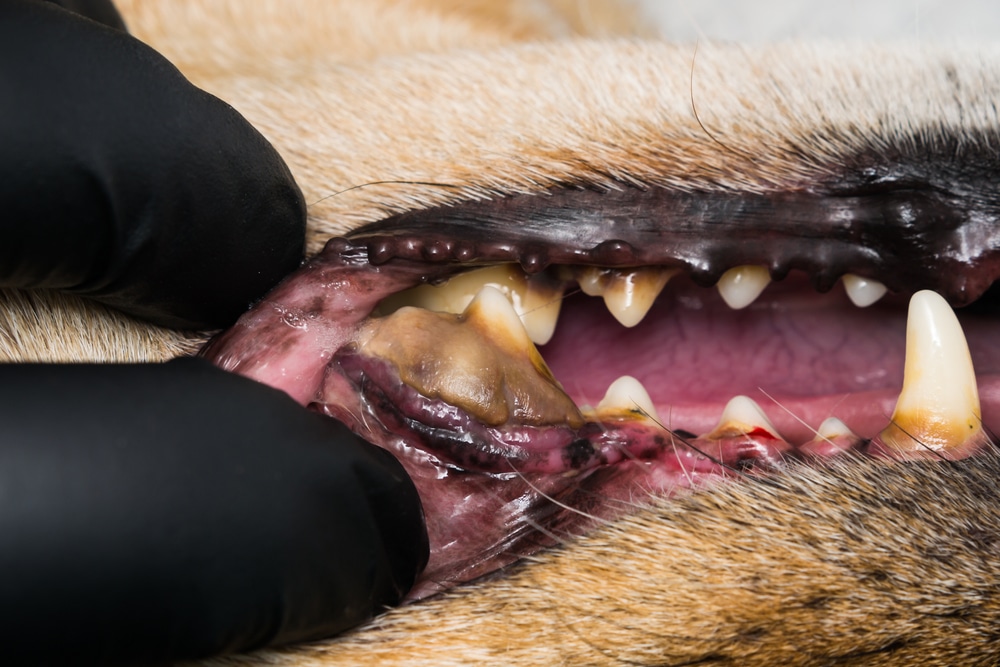
Gingivitis in dogs is inflammation of the gums caused by the build-up of plaque and bacteria along the gumline. When plaque isn’t regularly removed, it mineralises into tartar, which irritates the soft gum tissue, causing redness, swelling, and sometimes bleeding. As the earliest and most reversible stage of periodontal disease, the underlying bone and tooth structures remain intact at this point, which is why early intervention matters so much.

It’s also worth noting stomatitis, a more severe and painful condition involving widespread inflammation of the mouth’s mucous membranes. Unlike gingivitis, which is localised to the gums, stomatitis affects a broader area and often requires more intensive veterinary management. The two conditions can overlap, so any persistent oral inflammation warrants a proper diagnosis.

gingivitis in dogs

Cause of Dental Disease in Dogs

Plaque is the initiating factor of gingivitis. This sticky bacterial biofilm builds up continuously on the surface of the teeth, triggering an immune response in the gums – the early stage of periodontal disease. [1] When not removed, it hardens into tartar within 24-48 hours, creating a rough surface that accelerates further bacterial build-up.

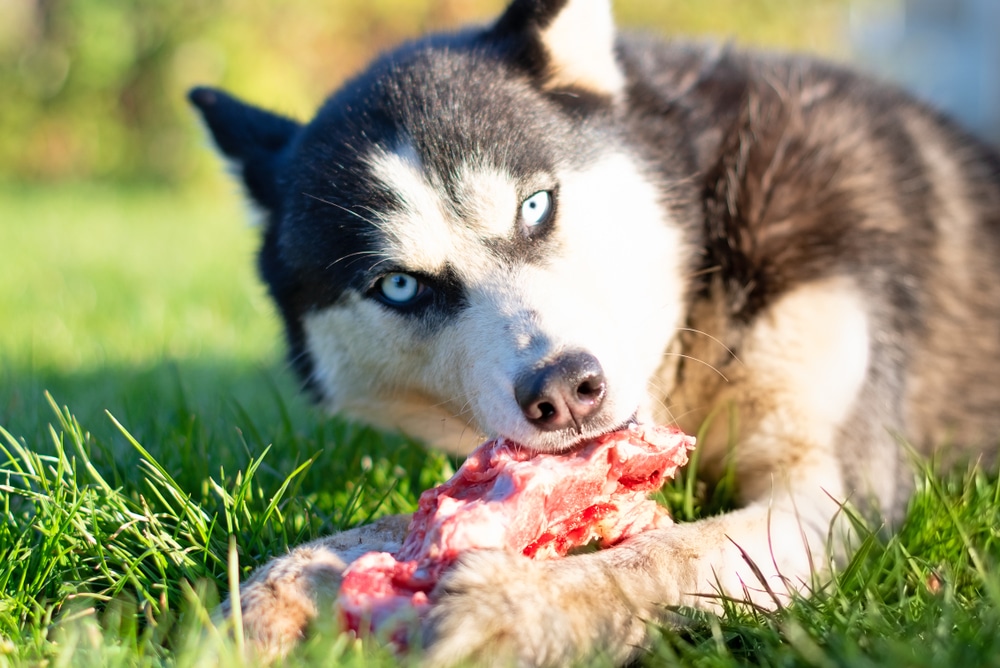
Diet plays a significant role too: ultra-processed, starchy kibble leaves a carbohydrate residue that feeds plaque-causing bacteria, whereas raw meaty bones and whole foods naturally abrade the tooth surface. Simply put, most dogs don’t have their teeth cleaned nearly enough, and without regular brushing or mechanical plaque removal, bacteria are given free rein to establish and compound.

Not all dogs face the same dental risk. Smaller breeds are particularly vulnerable, with extra-small dogs up to five times more likely to develop periodontal disease than their giant-breed counterparts.

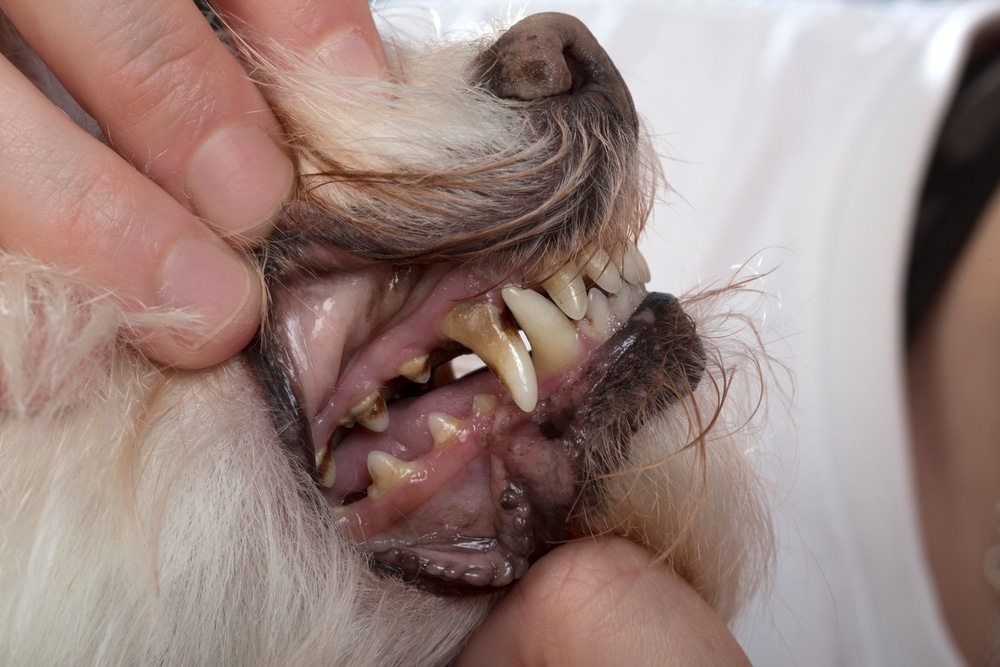
close up of dogs teeth showing plaque

Age and excess weight are also known risk factors, making dental health a lifelong priority for many dogs [2]. Brachycephalic breeds including Pugs, French Bulldogs and Shih Tzus, often have crowded or rotated teeth due to their shortened jaw structure, creating tight spaces where plaque accumulates more readily, and toy breeds are disproportionately affected.

As dogs age, the cumulative effect of plaque exposure increases; studies suggest the majority of dogs over three show some degree of periodontal involvement. Systemic conditions such as diabetes, immune-mediated diseases, and kidney disease can further compromise gum tissue, as can medications that reduce saliva flow, saliva being a natural antibacterial defence.

Adult dogs have 42 permanent teeth, more than humans, each surrounded by gum tissue. That’s 42 potential sites where gingivitis can take hold. The more tooth surfaces left uncleaned, the greater the opportunity for plaque to accumulate and inflammation to develop, which is why consistent oral hygiene matters across a dog’s entire life, not just when problems become visible.

Signs and Symptoms of Gingivitis in Dogs

Recognising gingivitis early gives you the best chance of reversing it before it progresses. Watch out for the following:

  • Red or swollen gums – particularly along the gumline where the tooth meets the tissue
  • Bleeding gums – often noticed on chew toys, bones, or during brushing
  • Bad breath (halitosis) – persistent, noticeably unpleasant odour from the mouth
  • Visible tartar – yellow or brown deposits on tooth surfaces, especially the back teeth
  • Reluctance to eat – particularly with hard food, or chewing on one side of the mouth
  • Pawing at the mouth – a sign of discomfort or pain
  • Drooling more than usual – which may be tinged with blood
  • Changes in eating behaviour – dropping food, eating more slowly, or showing less enthusiasm for meals

In early gingivitis, many dogs show no outward signs at all, which is why regular dental checks are so valuable.

What Does Gingivitis in Dogs Look Like?

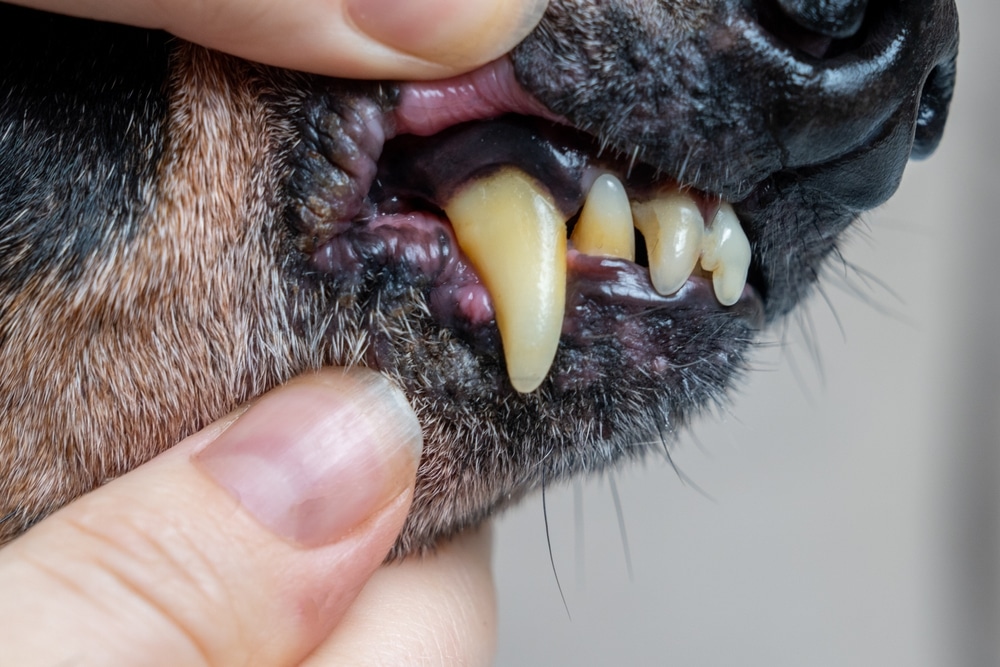
Healthy gum tissue in dogs is a consistent pale pink colour (though naturally pigmented gums in some breeds will appear darker), and it fits snugly around each tooth with a clean edge.

In a dog with gingivitis, you’ll notice a red or purplish band of inflamed tissue running along the gumline, sometimes called the “red line” of gingivitis. The gums may look puffy or slightly raised, and they may bleed with gentle pressure or contact. As the condition progresses toward more advanced periodontal disease, the gumline may begin to recede, exposing tooth roots.

Diagnosing Gingivitis in Dogs

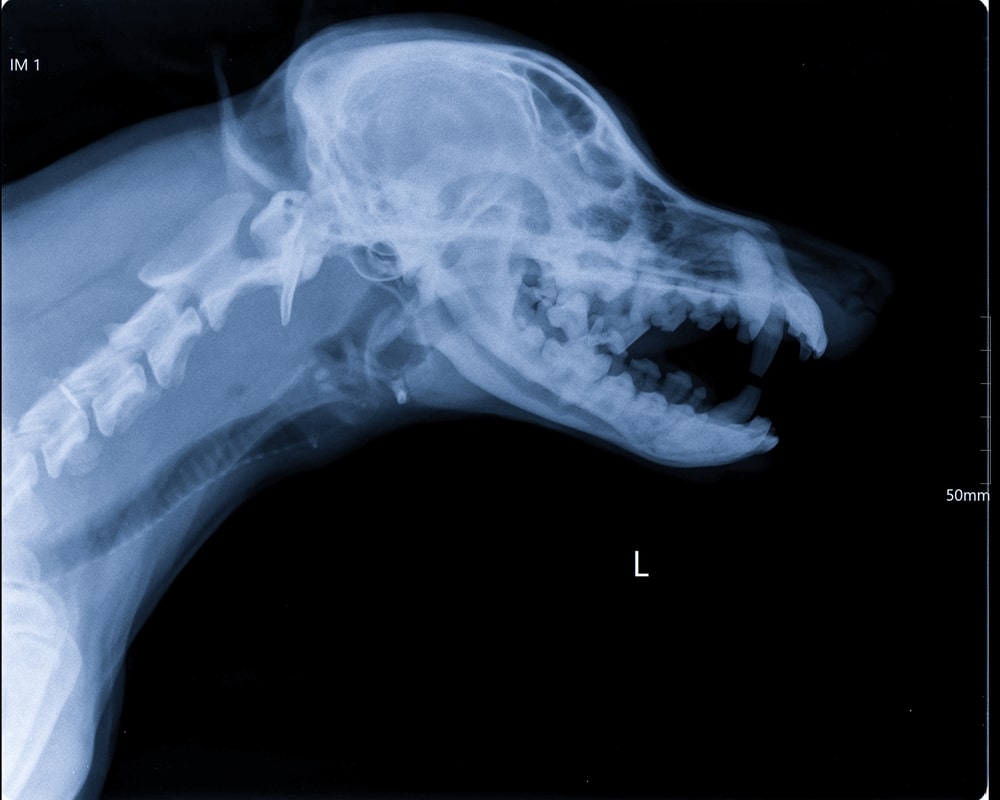
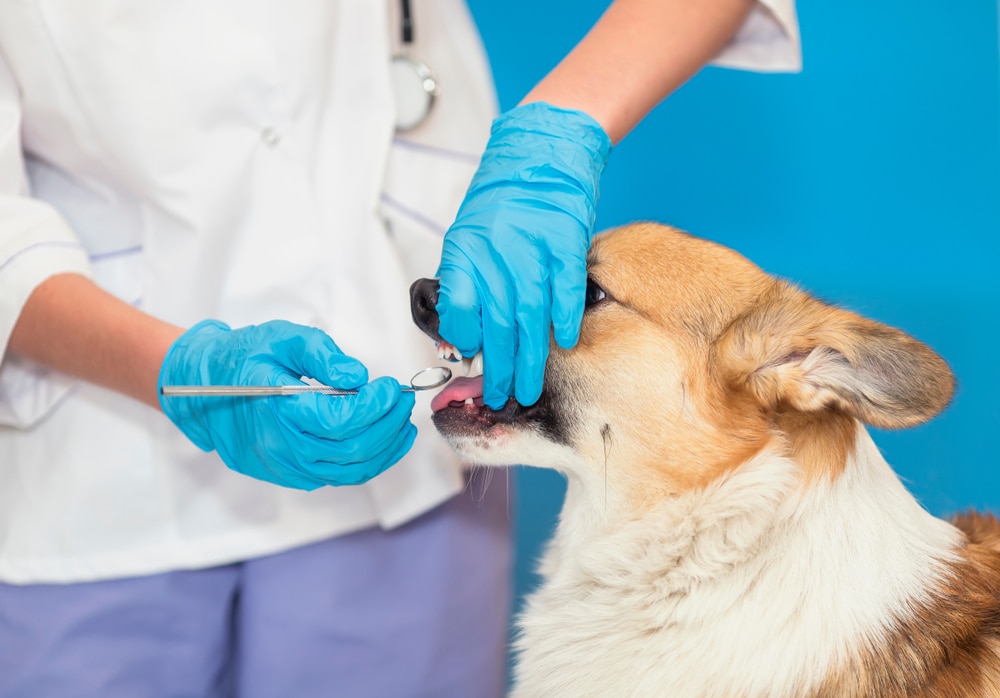
A vet will begin with a visual oral examination, assessing the gums, teeth, and any visible tartar or inflammation. However, a full assessment of periodontal health requires the dog to be under general anaesthetic, this allows the vet to use a dental probe to measure pocket depth around each tooth (the space between the gum and the tooth root), and to take dental x-rays.

Dental radiography is particularly important because a significant portion of dental disease is sub-gingival (below the gumline) and invisible to the naked eye. What looks like mild surface tartar can sometimes mask significant bone loss or root involvement.

The staging of periodontal disease (from Stage 0/healthy to Stage 4/advanced) depends on this full assessment, which is why it cannot be fully completed on a conscious dog.

dog dental xray

Common Dental Problems in Dogs

Gingivitis sits within a wider spectrum of oral health problems that dogs can develop:

Periodontal Disease

The progression of untreated gingivitis into the deeper supporting structures of the tooth, including the periodontal ligament and alveolar bone. Unlike gingivitis, bone and tissue loss from periodontal disease is irreversible.

Tooth Resorption

Painful erosion of tooth structure, more common in cats but seen in dogs too.

Fractured Teeth

Particularly common in dogs who chew hard objects (antlers, bones harder than the tooth). Fractures expose the pulp cavity to bacteria, causing infection.

Tooth Root Abscesses

Infection at the root of the tooth, often causing visible swelling below the eye (particularly the carnassial tooth in the upper jaw). These are painful and require prompt veterinary attention.

Retained Deciduous Teeth

When baby teeth don’t fall out as adult teeth come through, creating overcrowding and plaque trap sites.

Oral Tumours

Any new growth or lump in the mouth warrants immediate investigation.

Treatment Options for Gingivitis in Dogs

Professional Dental Cleaning (Scaling and Polishing) The cornerstone of treatment is a professional dental clean under general anaesthetic, during which a vet will:

  • Remove supra- and sub-gingival tartar using ultrasonic scaling
  • Polish tooth surfaces to reduce bacterial harbour points
  • Probe, assess, and x-ray each tooth individually
  • Extract any non-salvageable teeth

Anaesthetic-free dental cleaning is not recommended by veterinary dental specialists and does not constitute genuine periodontal care.

At-Home Follow-Up Care – Daily brushing with a dog-safe enzymatic toothpaste is the gold standard. Supportive options include VOHC-approved dental chews, water additives, and gels applied to the gumline.

Antibiotics or Antimicrobial Rinses – Where significant inflammation or infection is present, a vet may prescribe a short course of antibiotics or an antimicrobial rinse such as chlorhexidine.

Dietary Adjustment – Transitioning away from ultra-processed food can make a meaningful long-term difference which I will go on to cover in detail.

Professional dog teeth cleaning

How to Prevent Gingivitis in Dogs

Prevention is always more straightforward than treatment, and the good news is that most of the most effective strategies are achievable at home.

Brush Your Dog’s Teeth Regularly

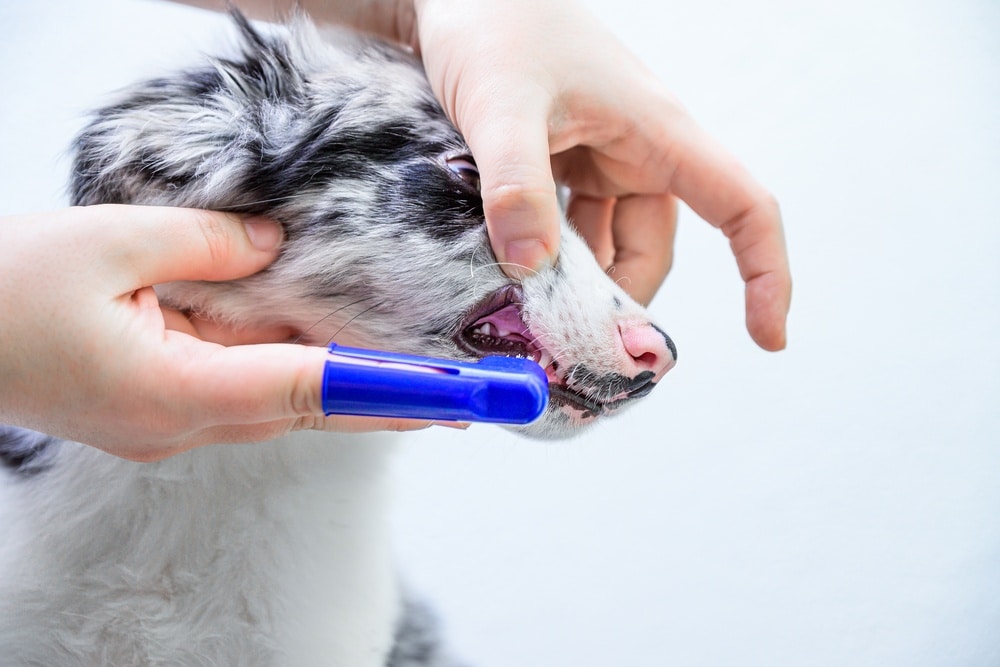
Daily brushing is the single most effective way to remove plaque before it hardens into tartar. Use a dog-specific toothbrush (or a finger brush) and an enzymatic dog toothpaste, never human toothpaste, which contains xylitol and fluoride at concentrations that are harmful to dogs.

Getting a dog accustomed to brushing takes patience, especially if started in adulthood. Building up gradually, starting by simply touching the muzzle and lips, then introducing the toothbrush, makes the process far more manageable. Our guide on how to clean dog teeth walks you through the process step by step.

puppy having teeth brushed

Feed a Species-Appropriate Diet

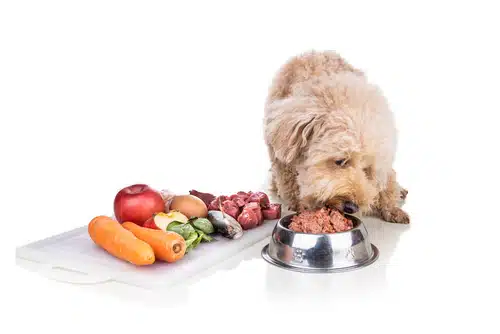
Diet has a profound impact on oral health that is routinely underestimated. The mechanical texture and carbohydrate content of food both influence plaque accumulation with high-starch, soft diets associated with greater frequency and severity of periodontal disease. [3] Raw meaty bones, fed as part of a balanced raw diet, provide a natural, mechanical cleaning action as dogs gnaw and chew through meat, sinew, and cartilage. This physical abrasion helps to keep tooth surfaces cleaner and reduce tartar accumulation.

Raw feeding also eliminates the fermentable carbohydrate residue that ultra-processed diets leave on teeth, the precise substrate that oral bacteria thrive on. Many dog owners who transition to raw dog food report a noticeable improvement in their dog’s breath and gum colour within weeks.

The benefits of raw dog food extend well beyond oral health, but this is one of the most visible and rapid improvements owners tend to notice.

switching your dog to raw

Provide Appropriate Chews

Natural chews such as raw meaty bones, sized appropriately for your dog, provide valuable mechanical cleaning, research shows they can significantly reduce dental calculus through the abrasive action of chewing. Softer natural chews such as trachea also encourage extended chewing that supports oral hygiene, though direct research specifically on trachea is limited. [4] Avoid chews that are harder than the tooth. Synthetic chews, plastic bones, and antlers all carry a risk of tooth fracture.

calcium for dogs

Feeding Bones to Dogs: The All You Need to Know Guide

READ MORE

Discover our range of natural dog treats.

Support Gum Health With Targeted Supplements

Certain dog supplements can help support a healthy oral environment. Omega-3 fatty acids (EPA and DHA) contribute to a balanced inflammatory response throughout the body, including in gum tissue. Vitamins C and Vitamin E support connective tissue integrity. Seaweed also helps with dental health and is included in our complete raw novel proteins, puppy raw and many of our supplements.

Regular Veterinary Dental Checks

Even with excellent home care, an annual dental examination allows a vet to catch early-stage changes before they progress. Many practices now include a basic oral check as part of annual health assessments.

dogs and raw diets

What Happens If Gingivitis Is Left Untreated?

Untreated gingivitis progresses into periodontal disease, and unlike gingivitis, the damage from periodontal disease cannot be reversed.

As bacteria work deeper into the gum pocket surrounding the tooth, they trigger an immune response that gradually destroys the periodontal ligament and the alveolar bone supporting the tooth. This process leads to tooth loosening and ultimately tooth loss.

Beyond the mouth, there is significant evidence linking oral bacteria to systemic health problems. Bacteria from periodontal disease can enter the bloodstream, and research has associated untreated gum disease in dogs with microscopic changes in kidney, liver, and heart tissue, suggesting the effects of a diseased mouth extend well beyond the mouth itself. [5] Chronic oral pain also has a well-documented impact on behaviour, appetite, and quality of life, and because dogs are highly stoic, owners often don’t realise the extent of discomfort their dog is in until a dental procedure reveals it.

When to Contact Your Vet

Contact your vet if your dog shows any of the following:

  • Persistent bad breath that doesn’t improve
  • Visible redness, swelling, or bleeding along the gumline
  • Reluctance to eat, difficulty chewing, or dropping food
  • Pawing at the mouth or rubbing the face on surfaces
  • Visible tartar build-up or discoloured teeth
  • Any new lumps, growths, or unusual tissue in the mouth
  • A broken or visibly damaged tooth

Facial swelling, particularly below the eye (which can indicate a tooth root abscess)

If in doubt, a dental check is never wasted. Early intervention is almost always simpler and less costly than treating advanced disease.

Cost of Dental Treatment for Dogs

Veterinary dental costs vary by practice, region, and procedure complexity. A general UK dental visit may cover a conscious exam, scale and polish under anaesthetic, extractions, and radiography (often included in full dental procedures).

Costs are typically higher in London and specialist practices. Pet insurance with dental cover can help but check your policy, as some exclude dental disease. Prevention through good home care is far more cost-effective than treatment in the long run.

Supporting Your Dog’s Oral Health for the Long Term

Good oral health doesn’t happen by accident, but it doesn’t require a complicated routine either. Gingivitis in dogs is one of the most preventable conditions there is, and with the right approach, most dogs can maintain healthy gums well into their senior years.

Whether that means starting a daily brushing habit, transitioning toward a more species-appropriate diet, or simply booking that overdue dental check, every step in the right direction adds up. Your dog’s mouth is a window into their overall health and giving it the attention it deserves is one of the most meaningful things you can do for their quality of life.

Explore ProDog’s range of dog supplements and raw dog food to support your dog’s oral and overall health from the inside out or contact our expert nutrionists for tailored advice.

Need help with your dog’s diet?

Contact ProDog’s expert team today for FREE tailored canine nutrition advice

Contact Us

FAQs

How do you treat gingivitis in dogs?

Gingivitis in dogs is treated with a professional dental clean under general anaesthetic to remove plaque and tartar, followed by a consistent home care routine, ideally daily tooth brushing and a diet that supports oral health. In some cases, antimicrobial rinses or antibiotics may also be recommended. Early-stage gingivitis is fully reversible with appropriate treatment.

How can I treat my dog's gingivitis at home? 

At home, the most effective tool is regular tooth brushing with a dog-safe enzymatic toothpaste. Supporting this with appropriate chews, a species-appropriate diet, and dental water additives can all contribute to improved gum health. However, once tartar has formed, it cannot be removed at home, a professional veterinary dental clean is required to reset the baseline before home care becomes fully effective. Alternatively, many dog groomers now use an Emmi-dent Pet Ultrasonic Toothbrush which is silent and can make a big difference to a dog’s dental health.  

What does gingivitis in dogs look like?

Gingivitis in dogs appears as a red or purplish line of inflamed, swollen tissue along the gumline, where the gum meets the tooth. Healthy gums are pale pink and sit snugly against the tooth surface. In a dog with gingivitis, the gum margin looks red and may appear slightly raised or puffy. Bleeding on gentle contact, such as during brushing or chewing, is also common.

What happens if dog gingivitis is untreated? 

Untreated gingivitis progresses to periodontal disease, causing irreversible destruction of the bone and ligaments supporting the teeth. This leads to tooth loosening and loss, chronic oral pain, and potential systemic effects on the kidneys, liver, and heart as bacteria enter the bloodstream. The earlier gingivitis is addressed, the better the outcome for long-term oral and overall health.

Is gingivitis painful for dogs?

Inflamed, bleeding gums are uncomfortable, and as gingivitis progresses toward periodontal disease, the associated bone loss and exposed tooth roots can be genuinely painful. Dogs are stoic animals and tend to mask discomfort well, which is why changes in eating behaviour or increased reluctance to chew are worth taking seriously.

Can raw feeding improve my dog's gum health? 

A species-appropriate raw diet can support better oral health in a number of ways. Raw meaty bones provide a natural mechanical cleaning action, and the absence of fermentable carbohydrates removes a key fuel source for the bacteria that drive plaque formation. Many owners notice an improvement in their dog’s breath and gum health after transitioning to raw feeding. 

How often do dogs need professional dental cleaning? 

This varies between individuals and depends on breed, age, diet, and the quality of home dental care. Many dogs benefit from an annual professional dental assessment, with a full clean under anaesthetic as clinically indicated. Your vet is best placed to advise on the right frequency for your dog specifically. 

Are some dog breeds more prone to gingivitis?

Yes. Brachycephalic breeds (Pugs, French Bulldogs, Boxers, Shih Tzus) and small or toy breeds are disproportionately affected due to crowded, rotated, or misaligned teeth that trap plaque. These breeds often benefit from more frequent dental monitoring and home care.

Can puppies get gingivitis?

Puppies can develop mild gum inflammation, particularly around teething. However, true gingivitis in young dogs is less common than in adults and seniors. Starting a tooth brushing routine early, even before adult teeth have fully come through, sets a good foundation for lifelong oral health.

What toothpaste is safe to use on dogs?

Only use toothpaste specifically formulated for dogs. Human toothpaste contains xylitol (a sweetener toxic to dogs) and fluoride at concentrations that are unsafe if swallowed. Dog-safe enzymatic toothpastes are widely available in flavours that make the brushing process more acceptable to most dogs.

References

  1. Cunha E, Tavares L, Oliveira M. Revisiting Periodontal Disease in Dogs: How to Manage This New Old Problem? Antibiotics (Basel). 2022 Dec 1;11(12):1729. Doi: 10.3390/antibiotics11121729. 
  2. Wallis, C., Saito, E. K., Salt, C., Holcombe, L. J., & Desforges, N. G. (2021). Association of periodontal disease with breed size, breed, weight, and age in pure-bred client-owned dogs in the United States. The Veterinary Journal, 275, 105717. Doi: 10.1016/j.tvjl.2021.105717 
  3. Watson, A. D. (1994). Diet and periodontal disease in dogs and cats. Australian Veterinary Journal, 71(10), 313–318. Doi: 10.1111/j.1751-0813.1994.tb00905.x 
  4. Brady, Conor. 2015. “How to Safely Feed a Dog Bones.” Dogs First (blog). September 11, 2015. https://dogsfirst.ie/how-to-feed-a-dog-bones/. 
  5. Harvey, C. (2022). The relationship between periodontal infection and systemic and distant organ disease in dogs. Veterinary Clinics of North America: Small Animal Practice, 52(1), 121–137. Doi: 10.1016/j.cvsm.2021.09.004 

0 comments

Leave a Reply

Your email address will not be published. Required fields are marked *