



FREE DELIVERY ON RAW DOG FOOD BUNDLES & DOG SUPPLEMENTS to UK Standard Areas

Everything You Need To Know About Vitamin E For Dogs

Vitamin E plays a vital role in your dog’s overall health, but how much do they need, where does it come from, and how do you know if your dog is, or isn’t getting enough?

Alison Frost

Author: Alison Frost

Edited By: Anna Bain

Everything You Need To Know About Vitamin E For Dogs

Blog in 60 Seconds

In this guide, you will learn:

Why Vitamin E matters and its role as a powerful antioxidant that supports immune health, skin and coat, cell protection and overall vitality.

How Vitamin E works in the body including how it interacts with fats and helps protect cells from oxidative stress.

Which dogs benefit most, especially those on high-fat diets, working dogs, seniors and dogs with increased antioxidant needs.

Natural food sources of Vitamin E including ingredients like seeds, oils and nutrient-rich proteins that provide this essential vitamin.

How to recognise deficiency or excess – the key signs to watch for and why balance is important, not just supplementation without direction

As ProDog’s lead canine nutritionist, I’ve spent many years helping dog owners understand what their dogs truly need to thrive. I’ve supported countless dogs and their families, and throughout my career I’ve seen one thing consistently: when nutrition is right, everything else starts to fall into place. A well-balanced, species-appropriate diet is one of the most powerful tools we have for lifelong health.

But I also know how confusing the world of dog nutrition can feel. There’s an overwhelming amount of information online, not all of it accurate, not all of it rooted in science, and not all of it relevant to your dog. That’s exactly why I’ve created this guide.

In this article, I’ll take you through everything you need to know about Vitamin E for dogs – its benefits, natural food sources, deficiency signs, and how to use it safely. My goal is simple: to give you clear, confident guidance based on nutritional science you can trust, so you can support your dog’s health with complete peace of mind.


What is Vitamin E?

Vitamin E is a powerful fat-soluble antioxidant that plays a vital role in keeping your dog healthy from the inside out. Because it’s fat-soluble, it is stored in the body’s fatty tissues and used to protect cells from oxidative damage; the natural wear and tear caused by everyday metabolism, exercise, environmental stressors, and high-fat diets.

For dogs, Vitamin E supports a wide range of essential functions, including:

  • Immune function – strengthening defence against illness and infection
  • Skin and coat health – reducing dryness, irritation, and inflammation
  • Muscle and nerve function – supporting strength, coordination, and recovery
  • Cellular protection – neutralising harmful free radicals
  • Heart and liver health – supporting normal function in major organs

There are eight different forms of Vitamin E found in nature, but the most important form of Vitamin E for dogs is D alpha-tocopherol. This is the most biologically active and easily absorbed form, which is why it’s the one typically used in complete dog foods, some raw diets, and natural supplements. It ensures dogs get a form of Vitamin E their bodies can readily recognise and utilise.

Healthy Australian shepherd dog

Why Do Dogs Need Vitamin E?

Dogs rely on Vitamin E for a number of essential functions, such as:

Combatting Free Radicals

Free radicals are naturally produced in the body during normal metabolic processes—like exercise or converting food into energy. Think of them as the “exhaust fumes” of cellular work. They can also form from external sources such as X-rays, cigarette smoke, air pollution, industrial chemicals, and even ozone exposure. Problems arise when free radicals build up faster than the body can neutralize them. When this imbalance occurs, it leads to what’s known as oxidative stress.

Oxidative Stress and Antioxidants: A Beginner’s Guide for Humans and Dogs

READ MORE

Oxidative stress is linked to the development of many chronic and degenerative conditions, such as cancer. It accelerates the body’s natural ageing processes, contributes to cellular damage, and can even affect DNA integrity. Over time, this imbalance can increase the risk of both long-term disease and acute health problems.

Healthy Skin & Coat

Vitamin E helps promote healthy skin maintaining moisture levels by supporting the lipid barrier, the protective layer of natural oils that keeps the skin hydrated and shields it from environmental irritants. A strong lipid barrier prevents moisture loss, reduces dryness, and protects against flakiness, leading to a healthier, more nourished coat. [1]

Helping dog skin health naturally

Nourishing Skin Health: A Comprehensive Approach for Pet Wellness

READ MORE

Immune System Support

As a powerful antioxidant, Vitamin E helps defend the body against free radicals and inflammation, strengthening your dog’s natural immune defences.

Cellular Health & Muscle Function

Vitamin E for dogs supports healthy cell membranes, muscle repair, and neurological function, making it especially valuable for active, working, or ageing dogs.

Heart and Liver Health

Vitamin E supports heart and liver health by protecting cells from oxidative damage, reducing inflammation, and helping these organs function smoothly. It also aids the liver in processing fats and maintaining normal enzyme activity, keeping both systems resilient and efficient.

Reproductive Health

This vitamin plays a supportive role in fertility, hormone balance, and healthy development in breeding dogs.

endocrine disease in dogs

Hormone Imbalance in Dogs: Natural Solutions for Canine Endocrine Disease

READ MORE

How Much Vitamin E Should I Give My Dog?

Dogs need Vitamin E every day, but the right amount isn’t a simple one-size-fits-all dose. Their requirements vary based on age, size, activity level and, most importantly, the type of diet they eat.

According to FEDIAF (the European Pet Food Industry Federation), adult dogs should receive a minimum of 50 mg of Vitamin E per kg of dry matter (DM) in their food. [2] This recommendation is based on concentration within the diet, not on a standalone daily supplement amount, because the true requirement shifts depending on what else the dog is eating.

One of the biggest factors affecting Vitamin E needs is dietary fat, especially polyunsaturated fatty acids (PUFAs) such as those found in fish and seed / vegetable oils. These fats can become oxidised quickly, meaning they need adequate antioxidant protection to prevent inflammation.

To balance this, FEDIAF recommends adding:

3.35 mg to 6.7 mg of Vitamin E for every gram of PUFA in the diet.

This helps prevent oxidation and protects both the dog’s cells and the fats within the food from free-radical damage. As a fat-soluble antioxidant, Vitamin E plays an essential role in keeping these nutrients stable and supporting overall health.

dog laying down

Puppies

FEDIAF (European Pet Food Industry Federation) guidelines state that the minimum Vitamin E requirement for puppies (growing dogs) is the same as for adult dogs: 50 mg per kg of dry matter (DM) in the food.

However, the specific amount of vitamin E needed is highly dependent on the diet’s composition, particularly its fat content.

Older Dogs

Although the minimum requirement for adult dogs remains the same, many older dogs benefit from higher Vitamin E intake. Ageing increases oxidative stress, so seniors often need more antioxidant support to protect their cells. Many senior diets already include elevated levels of Vitamins C and E to help the immune system and support age-related issues such as arthritis.

Because older dogs often consume more Omega-3–rich foods for joint and cognitive health, they also require additional Vitamin E to balance the higher PUFA content. In some cases, nutrient absorption decreases with age too, meaning a greater dietary supply may be needed to maintain optimal levels.

Unique Breeds & High-Energy Dogs

Working breeds, sporting dogs, and those with naturally higher metabolic rates often require more antioxidant support.

If you’re unsure how much your dog needs, consider a balanced supplement like ProDog’s Boost, dog multivitamin

How to Spot Vitamin E Deficiency in Dogs

What is a Vitamin E deficiency?

itchy dog is a sign of vitamin e for dogs deficiency

A deficiency occurs when the body doesn’t receive enough Vitamin E to protect the cells from oxidative stress. It’s uncommon but can occur in dogs with poor-quality diets, absorption issues, or increased antioxidant needs.

Symptoms of Vitamin E Deficiency

Common signs include:

  • Dry, flaky, or itchy skin
  • Dull coat condition
  • Muscle weakness or tremors
  • Mobility issues
  • Vision problems
  • Reproductive difficulties
Itchy dog

How to Help an Itchy Dog | Find Out Why Your Dog is Itching or Scratching

READ MORE

Frequent infections or a weakened immune response.

Left untreated, a deficiency can gradually impact multiple body systems, making early recognition and support especially important.

Best Sources of Vitamin E for Dogs

Dogs can get Vitamin E from both natural foods and supplements. The best sources include:

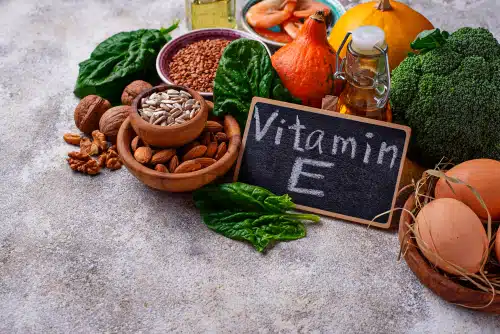
Natural Food Sources

  • Wheat germ oil
  • Extra virgin olive oil
  • Nuts and seeds
  • Raw egg yolks
  • Wheatgrass
  • Organ meats (especially liver)
  • Oily fish like sardines
  • Leafy greens
  • Sunflower seeds and oils
  • Butternut squash
  • Avocado flesh

High-Quality Supplements

Natural, bioavailable Vitamin E is included in several ProDog products, including our range of raw dog food, Perform working dog supplement and Boost, our all-in-one dog multivitamin supplement.

Our complete raw food meals are expertly formulated to ensure nutritional balance, incorporating ingredients naturally rich in vitamin E such as organ meats, ground pumpkin seeds and wheatgrass.

Sources of vitamin E for dogs

How to Help Your Dog Get More Vitamin E

If your dog needs a little extra support, try:

  • Adding Vitamin-E rich whole foods like egg yolks, oily fish, or leafy greens
  • Using a high-quality canine supplement that blends Vitamin E with other essential antioxidants
  • Choosing FEDIAF balanced raw meals ensures their meals contain adequate Vitamin E levels

Mixing a safe, dog-friendly rich Vitamin E oil or powder directly into their food for an easy daily boost

Can Dogs Overdose on Vitamin E?

Vitamin E toxicity is extremely rare in dogs. Although vitamin E is fat-soluble and stored in body fat and liver (unlike water-soluble vitamins that are easily excreted), dogs appear to tolerate relatively high dietary levels without adverse effects [3]. When toxicity does occur, it typically involves interference with blood clotting [4].

However, very large doses may cause digestive upset or interfere with Vitamin K.
Stick to recommended amounts and always follow product guidance, especially when supplementing alongside a balanced raw diet.

Getting Vitamin E Right for Your Dog

Vitamin E for dogs is a small but crucial part of their diet. It supports immune function, skin and coat health, cellular protection and overall vitality, but, like all nutrients, the key is getting the right balance.

Feeding a balanced raw diet from ProDog is the first step in ensuring your dog gets optimal levels of Vitamin E. Adding natural food sources such as egg yolks, oily fish and leafy greens, or using trusted supplements like Boost dog multivitamin, can help maintain healthy Vitamin E levels and support your dog’s long-term wellbeing.

To learn more about essential nutrients that support every part of your dog’s health, explore our full range of dog supplements.

Need help with your dog’s diet?

Contact ProDog’s expert team today for FREE tailored canine nutrition advice

Contact Us

FAQs

Is Vitamin E good for dogs?

Yes. Vitamin E is an essential antioxidant that supports immune health, skin and coat condition, cellular protection, heart health, and overall wellbeing. It helps neutralise free radicals and keeps bodily systems functioning as they should. Especially important for growing and active dogs, those with health issues and ageing dogs.

Do dogs need Vitamin E every day?

Most dogs benefit from daily Vitamin E intake, especially those fed diets rich in oils (which increase the body’s need for antioxidant protection), working dogs, seniors, and highly active breeds. Vitamin E helps protect cells from oxidative stress caused by exercise and polyunsaturated fatty acids (PUFAs). Daily intake ensures consistent antioxidant support.

If you’re feeding a FEDIAF-compliant Complete meal (like ProDog’s Complete or Smart Chub ranges), Vitamin E is already balanced within the recipe alongside other essential nutrients.

If you’re feeding 80:10:10 or a DIY raw approach, you’ll want to ensure Vitamin E, and other key nutrients like omega-3s, iodine, zinc, and vitamin D, are topped up through additions like oils, seeds and vegetables. Our nutritionists can help you build a tailored plan. Contact Our Nutritionists.

New to raw feeding? Starting with a Complete meal takes the guesswork out of balancing nutrients, giving you confidence your dog’s getting everything they need from day one.

Can puppies have Vitamin E supplements?

Yes, puppies can have Vitamin E, but most get sufficient amounts from a properly balanced diet. Supplementation should be guided by a nutritionist or vet, especially for large-breed puppies or those on homemade diets.

Does raw feeding provide enough Vitamin E?

Whether your dog is getting enough Vitamin E really depends on the type of raw diet you’re feeding. FEDIAF-compliant complete meals, are already balanced to include the correct amount of Vitamin E. But pure 80:10:10 diets or very restrictive allergy-friendly plans are often lacking, not just in Vitamin E, but also nutrients like ALA and EPA/DHA omega-3s, iodine, manganese, vitamin D and zinc. These approaches simply don’t include the oils, seeds or plant matter that naturally supply these nutrients, so additional support is usually beneficial.

If you’re unsure whether your dog’s raw diet is meeting their full nutritional needs, our nutritionists are always here to guide you and can create a tailored plan that keeps everything balanced.

Can I put Vitamin E oil in my dog's food?

Yes, you can add Vitamin E oil directly to food if it’s a dog-safe supplement. This can be an easy way to boost antioxidant support. Avoid using skincare Vitamin E oils, as they may contain fragrances or additives not suitable for dogs.

Can I give my dog human Vitamin E capsules?

In some cases, yes, but only with careful selection and professional guidance.

If you’re considering a human supplement, it must meet strict criteria:

  • Pure d-alpha-tocopherol (the natural, most bioavailable form of Vitamin E)
  • No added ingredients: Free from sweeteners (especially xylitol, which is toxic to dogs), flavourings, fillers, or other additives
  • Appropriate dosage: Human supplements are often formulated in strengths unsuitable for dogs, making accurate dosing difficult

Always choose a dog-specific Vitamin E supplement where possible. These are formulated with canine physiology in mind, ensuring optimal absorption, safety, and correct serving sizes for your dog’s weight and needs.

Our canine nutritionists can provide FREE, tailored guidance on the right supplement and serving size for your dog.

Does Vitamin E help dogs with itching?

Often, yes. Vitamin E can support skin health by:

  • Reducing inflammation
  • Supporting moisture barriers
  • Supporting healthy cell regeneration

It’s especially helpful for dogs with dry skin, allergies, or environmental irritants.
However, dog itching can have many causes including fleas, intolerances and yeast issues, so supplementation works best alongside identifying the root cause.

What are the side effects of Vitamin E for dogs?

Vitamin E is generally very safe. Side effects are rare, but extremely high doses may cause:

  • Digestive upset (mild diarrhoea or soft stools)
  • Interference with blood clotting

Stick to recommended amounts, especially if your dog is on medication.

What is the best source of Vitamin E for dogs?

The best sources combine natural foods + high-quality supplementation when needed:

  • Natural food sources (ground seeds, egg yolks, oily fish, organ meats, leafy greens)
  • Dog-formulated supplements such as antioxidant blends (like ProDog’s Boost)
  • Cold-pressed oils like extra Virgin olive or wheatgerm oil used sparingly in meals

References

  1. Jewell, Dennis E., Shiguang Yu, and Dinesh K. Joshi. 2002. “Effects of Serum Vitamin E Levels on Skin Vitamin E Levels in Dogs and Cats.” Veterinary Therapeutics 3 (3): 235–243. https://www.researchgate.net/publication/11021059_Effect_of_serum_vitamin_E_levels_on_skin_vitamin_E_levels_in_dogs_and_cats 
  2. FEDIAF. 2024. Nutritional Guidelines for Complete and Complementary Pet Food for Cats and Dogs. Brussels: European Pet Food Federation. https://europeanpetfood.org/wp-content/uploads/2024/09/FEDIAF-Nutritional-Guidelines_2024.pdf 
  3. Moreau, M., Dupuis, J., Bonneau, N.H., & Desnoyers, M. (2013). Anti-inflammatory response of dietary vitamin E and its effects on pain and joint structures during early stages of surgically induced osteoarthritis in dogs. Canadian Journal of Veterinary Research, 77(3), 191-198. PMID 24101795 
  4. Stern L, Brutlag A (reviewer). Toxicoses in Animals From Human Multivitamins and Supplements. In: MSD Veterinary Manual [Internet]. Rahway (NJ): MSD Animal Health; 2025 Jun. Accessed 6th Dec 2025 . 

0 comments

Leave a Reply

Your email address will not be published. Required fields are marked *