FREE DELIVERY ON RAW DOG FOOD BUNDLES & DOG SUPPLEMENTS to UK Standard Areas

Everything You Need To Know About Calcium For Dogs

We all want our dogs to thrive, to stay strong, active, and full of life. But when it comes to calcium for dogs, it’s easy to feel confused. One article says you should supplement, another says don’t, so how do you know what’s right for your dog?

Alison Frost

Author: Alison Frost

Everything You Need To Know About Calcium For Dogs

Blog In 60 Seconds

In this article, you will discover:

  • Why calcium is essential for your dog’s bones, muscles, nerves, heart health and overall wellbeing
  • How much calcium dogs actually need, and why requirements differ for puppies, adults, seniors and nursing mums.
  • The signs of calcium deficiency and the risks associated with both too little and too much.
  • The safest, most natural sources of calcium for dogs — and why raw feeding provides it in the perfect, biologically balanced form.
  • When supplementation may be necessary, the dangers of over-supplementing, and how to increase calcium intake safely with expert guidance.

The truth is, calcium for dogs isn’t just about strong bones, it’s about balanced nutrition, proper muscle function, and long-term health. Getting it right can mean the difference between a dog that feels great today and one that stays active, agile, and strong for years to come.

As a Canine Nutritionist here at ProDog, I’ll walk you through everything you should know about calcium for dogs; how much they need, the signs of deficiency, and the safest ways to make sure they’re getting enough naturally.

What Is Calcium and Why Do Dogs Need It?

Calcium is one of the most important minerals in your dog’s diet, but it does far more than just build strong bones. This powerhouse nutrient is involved in almost every major function in the body, from muscle movement and heart rhythm to nerve communication and blood clotting. Without enough calcium, your dog’s health, energy, and even mobility can start to decline.

Here’s a closer look at exactly why calcium for dogs is so essential, and the key areas it supports every single day:

1. Supports Strong Bones and Teeth

Calcium is the primary building block for your dog’s skeletal system [1], keeping bones dense and teeth strong throughout their life. In fact, around 99% of calcium is stored in the bones.

Working alongside phosphorus, calcium ensures your dog’s bones grow strong and stay that way, especially vital during puppyhood, for correct nutrition in pregnant dogs, and during a dog’s senior years.

nutrition for pregnant dogs

Your Dog’s Healthy Pregnancy: Expert Nutritional Tips and Advice for Pregnant Dogs

READ MORE

When dogs don’t get enough calcium, or the calcium/ phosphorous ratio is unbalanced, their bodies begin pulling it from the bones to support essential functions, which over time can cause weakness, stiffness, and even fractures.


calcium for dogs

2. Essential for Muscle Function

Calcium helps muscles contract and relax properly, from everyday movement to vital functions like your dog’s heartbeat.

3. Aids Nerve and Brain Function

This mineral plays a key role in transmitting nerve signals, ensuring smooth communication between the brain and body.

4. Regulates Heart Health

Calcium supports the electrical impulses that control your dog’s heartbeat, helping maintain a healthy cardiovascular rhythm.

5. A Player in Metabolic Health

Calcium and thyroid function are closely linked, and because the thyroid controls metabolism, this connection directly affects your dog’s ability to manage weight, energy, and overall health.

Feeding a balanced raw diet naturally provides calcium in the right proportions, and in the most bioavailable form, meaning it’s easily absorbed and used by the body, and any excess in adult dogs is excreted. That’s because raw meals include ground bone and organ meat, mirroring the nutrient profile of a dog’s ancestral diet.

How Much Calcium Does a Dog Need?

Every dog needs calcium, but not in the same amount. Puppies, pregnant and nursing mothers, and older dogs all have different requirements.

  • Puppies need higher calcium levels to support rapid skeletal growth [2].
  • Adult dogs need consistent intake to maintain bone strength and metabolic balance.
  • Senior dogs benefit from steady, moderate calcium levels to support bone density and mobility.

According to FEDIAF guidelines, the minimum recommended calcium content for growing dogs is 0.8 g per 100 g of dry matter (DM). For an adult dog weighing around 20 kg, the suggested daily calcium intake ranges from 1.25 to 6.25 g, assuming a food energy density of approximately 1,500 kcal/kg. In adult dogs, a calcium content between 0.50 and 1.00 g per 100 g DM is considered suitable. [3]

With ProDog raw puppy food and adult complete raw dog food meals, these ratios are already carefully calculated to deliver everything your dog needs for optimal health, no guesswork required. The calcium to Phos ratio should be between 1:1 and 1:2 for balance.

Calcium Deficiency in Dogs: Signs and Symptoms

how much calcium do dogs need?

Calcium deficiency in dogs (known as hypocalcaemia) can cause a range of health issues, from mild to severe.

Common symptoms include:

  • Muscle tremors or twitching
  • Weakness or fatigue
  • Restlessness
  • Loss of appetite
  • Difficulty walking or poor coordination
  • Seizures (in severe cases)

Pregnant or nursing dogs are particularly at risk due to increased calcium demand. If your dog is expecting, check out our guide on nutrition for pregnant dogs to help support her safely.

Can Dogs Have Too Much Calcium?

Yes, while calcium is vital, too much can be harmful too. Most adult dogs can generally tolerate higher levels of natural dietary calcium, from real food sources, without major issues, aside from occasional constipation. Their bodies are usually capable of keeping blood calcium levels stable and can excrete excess. Puppies, however, don’t have the same regulatory ability and are more sensitive to calcium imbalances. [4]

Dog Constipation and What to Feed

READ MORE

Excess calcium (hypercalcaemia) can lead to calcification and contribute to heart and lung health conditions [5] as well as abnormal bone development and joint issues, particularly in large-breed puppies still growing. [6]

Over-supplementation can also interfere with other minerals like zinc and phosphorus, throwing off your dog’s overall nutrient balance.

If your dog eats a complete raw diet, where calcium is in balance with other minerals naturally, adding extra calcium, especially from a supplement, isn’t usually necessary and could do more harm than good.

Best Natural Sources of Calcium for Dogs

The best way to support your dog’s calcium needs is through natural, whole-food sources. These are not only more digestible but also deliver calcium in balance with other vital nutrients.

Some of the best sources include:

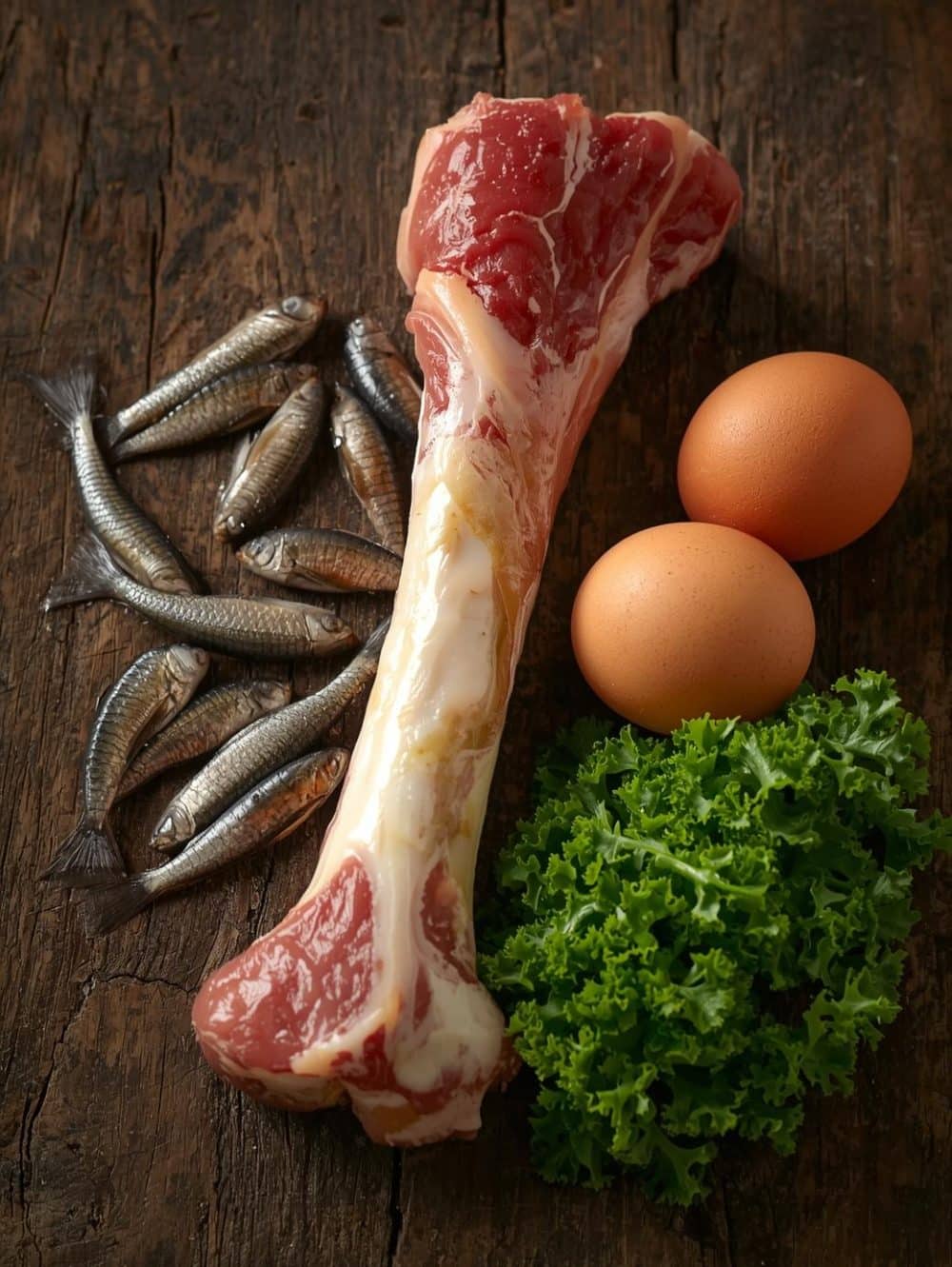
  • Raw meaty bones such as chicken wings or thighs
  • Eggshells – you can pop the whole egg (including the shell) into their raw meal
  • Fish with bones like sardines or salmon
  • Leafy greens such as kale or spinach, in moderation

At ProDog, our complete raw dog food meals are expertly formulated using natural calcium-rich ingredients, ensuring your dog’s bones and joints stay strong without the need for synthetic additives.

For additional bone and joint support, explore our dog supplements range, including Flexx, designed to promote mobility and flexibility in dogs of all ages or ProDog Boost and Perform which include a vitamin and mineral mix. Our Bone Broths are also a great source of calcium for dogs.

If you’re interested to learn more about keep your dog moving freely. Explore our expert-led guide: Joint Health in Dogs, it’s packed with tips to support joint mobility, strength, and comfort at every age.

Joint Health in Dogs: Natural Solutions and Preventative Care

READ MORE
sources of calcium for dogs

How to Increase Calcium Intake Safely

If your dog needs extra calcium, always start with their diet first. Switching to a balanced raw diet is the safest and most natural way to ensure proper calcium intake.

changing dogs food featured image (1)

Switching Your Dog to Raw | Advice For Changing Dogs’ Food

READ MORE

If your vet recommends supplements, choose species-appropriate dog calcium products, never human tablets, which are too concentrated and can lead to toxicity.

Where possible, test your dog’s calcium levels first, and seek guidance from a certified canine nutritionist or holistic vet. They can help you identify the most bioavailable, balanced ways to support calcium intake safely, whether through diet, natural food sources, or targeted supplements.

Introduce any supplements gradually and monitor your dog’s condition closely for signs of improvement or sensitivity.

At ProDog, we offer free 1:1 nutrition support to help you build the right plan for your dog’s specific needs, whether you’re dealing with health concerns, fussy eating, or just want to optimise their diet.

“Calcium is one of the most vital minerals in a dog’s diet, but balance is everything. Too little can lead to weak bones and muscle problems, while too much can affect growth and joint health, especially in large-breed puppies. The best source of calcium for dogs is always natural, coming from real food like raw meaty bones and whole ingredients, where it’s properly absorbed and used by the body.”
— Dr Nick Thompson

What The Experts Say

When it comes to calcium, balance and bioavailability are key, and that’s where many commercial diets fall short. According to Dr Nick Thompson, Holisitic Vet, natural sources of calcium found in fresh, raw ingredients are far easier for dogs to absorb and use effectively than synthetic additives.

By focusing on natural calcium sources rather than artificial supplementation, owners can help their dogs maintain stronger bones, healthier joints, and a more balanced nutritional profile.

The Bottom Line: Calcium for Dogs

Calcium is essential for your dog’s bone strength, muscle health, and overall vitality, but balance is key. Too little can cause weakness; too much can cause long-term health problems.

Feeding a balanced raw diet from ProDog ensures your dog gets the right calcium levels naturally.

And for dogs needing extra joint or bone support, explore our range of dog supplements, expertly formulated to complement raw feeding and promote lifelong wellness.

Because when nutrition is balanced, your dog doesn’t just look good, they feel great too.

References

  1. Wedekind, Karen J., and Kiran S. Panickar. “Calcium, Phosphorus, and Vitamin D in Dogs and Cats.” Veterinary Clinics of North America: Small Animal Practice 51, no. 3 (May 2021): 623–634.
  2. VCA Animal Hospitals. (n.d.). Feeding growing puppies. Accessed 22nd Oct 2025.
  3. FEDIAF (European Pet Food Industry Federation). 2024. Nutritional Guidelines for Complete and Complementary Pet Food for Cats and Dogs. Brussels: FEDIAF. July. https://europeanpetfood.org/wp-content/uploads/2024/09/FEDIAF-Nutritional-Guidelines_2024.pdf
  4. Dogs Naturally Magazine, How To Balance Calcium For Dogs, Oct 2022, Accessed 22nd Oct 2025.
  5. Brady, Conor. 2020. Feeding Dogs: Dry or Raw? The Science Behind the Debate. Chapter 9, 203. Farrow Road Publishing.
  6. Nap, Richard C., Herman A. W. Hazewinkel, George Voorhout, Walter E. Van Den Brom, Sinus A. Goedegebuure, and Arie Th. Van ’T Klooster. 1991. “Growth and Skeletal Development in Great Dane Pups Fed Different Levels of Protein Intake.” The Journal of Nutrition 121 (Suppl 11): S107–S113. Doi: 10.1093/jn/121.suppl_11.S107.

0 comments

Leave a Reply

Your email address will not be published. Required fields are marked *