FREE DELIVERY ON RAW DOG FOOD BUNDLES & DOG SUPPLEMENTS to UK Standard Areas

Best Food for Working Dogs: Fuel Their Energy the Right Way

Working dogs are extraordinary athletes. Every day they use their bodies and minds in ways that most dogs simply don’t, and their food needs to reflect that. The best food for working dogs isn’t just about keeping them full; it’s about fuelling genuine performance, supporting recovery, and building the kind of sustained energy that gets them through long days in the field, on the farm, or on duty. Get the nutrition right, and everything else follows.

Alison Frost, Canine Nutritionist

Author: Alison Frost

Best Food for Working Dogs: Fuel Their Energy the Right Way

Blog in 60 Seconds

In this guide, you will learn:

  • What working dogs are and why their nutritional needs differ from pet dogs
  • The key nutrients that fuel performance, recovery, and long-term health
  • Why raw feeding is the gold standard for working dogs
  • How to structure feeding schedules and portions around your dog’s workload
  • The most common feeding mistakes working dog owners make

With over 20 years of experience in raw feeding and canine nutrition, I’ve spent my career helping dog owners understand what their dogs truly need to thrive. I’ve worked with everything from family pets to high-performance working dogs, and throughout that time one truth has remained constant: when nutrition is right, everything else starts to fall into place.

As Lead Canine Nutritionist at ProDog, my role is to translate complex nutritional science into clear, practical guidance you can apply in the bowl today. In this guide, I’ll walk you through exactly what working dogs need, why it matters, and how a species-appropriate raw diet gives them the best possible foundation for a long, active working life.

What Are Working Dogs and Why Do They Need Special Diets?

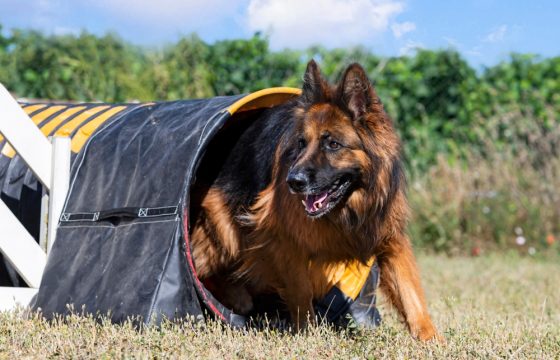
Working dogs are dogs bred and trained to perform specific tasks. This includes gundogs, sheepdogs, police and military dogs, search and rescue dogs, sled dogs, and assistance dogs. Their days are defined by sustained physical effort, sharp mental focus, and the kind of output that would exhaust most pet dogs within the hour.

That physical and cognitive demand places real pressure on their bodies. Higher energy output means faster fuel consumption. More muscle use means greater recovery needs. More stress on joints and tendons means higher demand for anti-inflammatory support. A standard maintenance diet simply doesn’t cover this. The best food for working dogs is built around those elevated demands, not just basic survival.

The Key Nutritional Needs of Working Dogs

Understanding what a working dog needs nutritionally is the foundation of getting their diet right. These are the nutrients that matter most.

Protein

Protein is a vital component of a working dog’s diet, supplying the amino acids needed for muscle development, repair, and recovery from physical exertion [1].

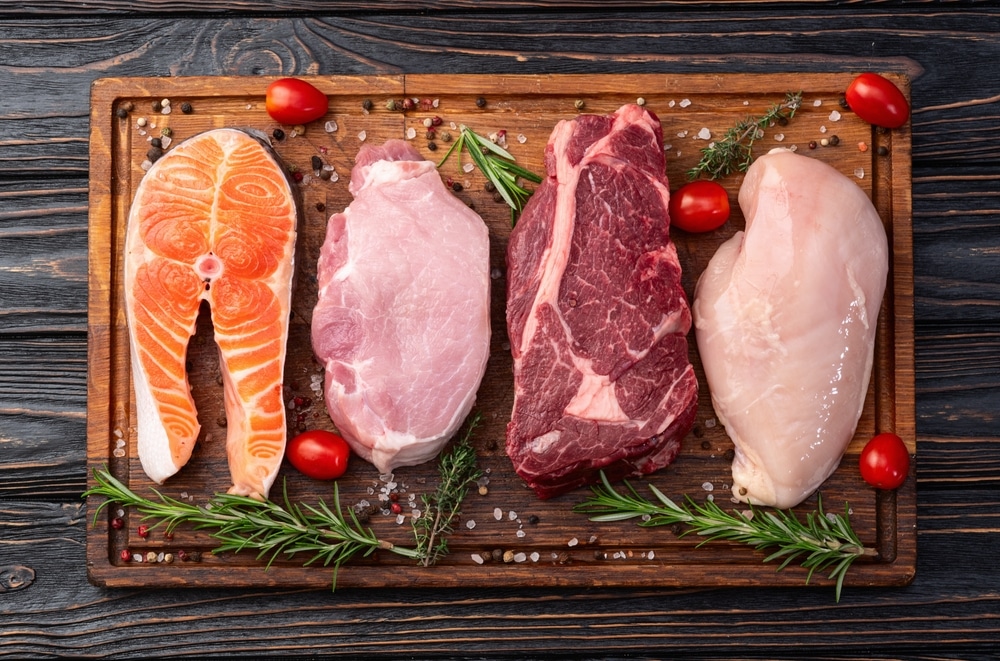
Working dogs require a higher proportion of quality protein than sedentary dogs, and the source matters. Animal-derived proteins from fresh meat, organ tissue, and raw meaty bones deliver the full amino acid profile dogs are built to use.

Healthy Fats

For dogs doing long days of physical activity, fat is the preferred fuel source during aerobic exercise, helping to spare glycogen stores and making it a better dietary strategy for endurance than a high-carbohydrate diet [2]. Omega-3 fatty acids, found naturally in oily fish and quality marine sources, have been shown to modify inflammatory and immune responses in dogs — EPA and DHA play a direct role in how the body regulates its inflammatory response [3].

Minerals and Vitamins

Calcium and phosphorus support strong bones and are particularly important in dogs whose joints and skeleton are under daily strain. Vitamin E acts as a powerful antioxidant, protecting cells from oxidative stress caused by high activity levels. Zinc supports immune function and tissue repair, while B vitamins help convert food into usable energy.

Water

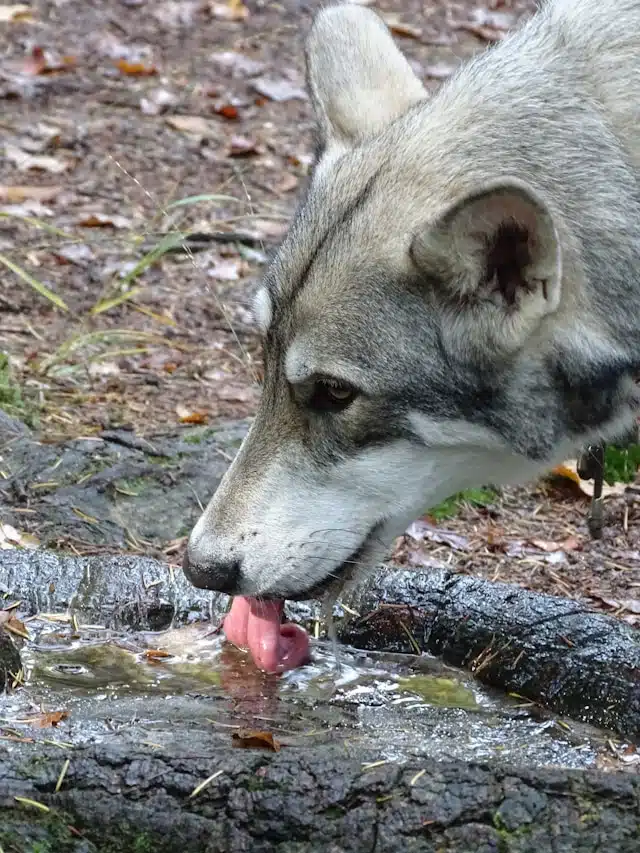
Hydration is non-negotiable. A working dog that is even mildly dehydrated will show reduced performance, slower recovery, and greater risk of heat-related illness. Fresh water should always be available, and raw feeding naturally supports hydration due to the high moisture content of fresh food compared to dry diets.

The Best Types of Food for Working Dogs

Raw feeding is, in my view, the best food for working dogs. A species-appropriate raw dog food diet built from fresh meat, ground bone, and organ tissue provides nutrients in their most bioavailable forms. There is no heat processing stripping away enzymes and amino acids, no synthetic additives, and no grain-based fillers diluting the nutritional value of every bite.

The evidence supports this. Studies comparing raw and extruded diets have found that raw-fed dogs tend to produce firmer, lower-volume stools alongside differences in apparent total tract nutrient digestibility, suggesting meaningful variation in how these diets are broken down and absorbed [4]. For a working dog that needs every calorie to count, that matters.

sources of vitamin b12

Complete vs. Complementary Raw Meals

A complete raw meal is formulated to meet FEDIAF nutritional standards, providing a fully balanced diet without the need for additional supplementation of core nutrients. A complementary meal is designed to be fed alongside other foods to build a balanced diet over time.

For working dogs, I recommend starting with a FEDIAF-compliant complete raw meal to ensure nutritional balance is covered, particularly when activity levels and energy demands are high and variable.

What About Dry Food?

Dry, processed dog food can sustain a working dog in the most basic sense, but it isn’t optimised for the demands of genuine working performance. The ingredient quality, digestibility, and moisture content of most commercial kibble simply does not match what a raw, species-appropriate diet provides. If you’re currently feeding dry food and looking for a practical next step, even introducing raw food for part of the bowl is a meaningful improvement.

raw dog food diet

How to Choose the Right Food for Your Working Dog

The best food for your working dog depends on a few key variables: their breed, their type of work, their workload intensity, and their age.

  • Breed: Larger breeds and those with a genetic predisposition to joint issues need food that actively supports musculoskeletal health.
  • Type of work: Sprint-based work like gundog retrieving demands different energy provision than the sustained endurance of a sled dog or a sheepdog working long days across open ground.
  • Workload: A dog in peak season doing six hours of field work needs significantly more calories than the same dog in an off-season period of light exercise.
  • Age: Younger working dogs are still developing, while older working dogs need additional joint and recovery support.

Look for food that is high in quality animal protein, rich in healthy fats, free from grains and synthetic fillers, and made from ingredients you can actually identify. The benefits of feeding raw dog food go beyond performance alone, supporting digestion, coat health, and immune resilience across the board.

Two dogs eating and enjoying the benefits of raw dog food

Top 12 Health Benefits of Raw Feeding Your Dog

READ MORE

Feeding Schedule and Portion Control for Working Dogs

Timing and quantity are just as important as quality when it comes to feeding a working dog. Here’s how I approach it.

How Much to Feed

As a general starting point, working dogs typically require 2 to 3 percent of their ideal body weight per day in raw food, adjusted upward during periods of heavy work. A dog burning exceptional energy during peak season may need up to 4 percent. Use a raw dog food calculator to find a precise starting point for your dog’s weight and activity level, then monitor body condition and adjust from there.

When to Feed

Never feed a working dog a large meal immediately before or after intense physical work. A full stomach during exercise risks digestive discomfort and, in larger breeds, can increase the risk of bloat. I recommend feeding the main meal at least two hours before work begins and waiting at least an hour after work finishes before feeding.

Many working dog owners feed two smaller meals per day rather than one large one. This helps maintain steady energy, keeps blood sugar stable, and reduces the digestive load at any one time.

Seasonal Adjustment

A working dog’s calorie needs change significantly between seasons. During peak working periods, increase portions to match the energy expenditure. During rest periods or the off-season, reduce portions to avoid unnecessary weight gain. Body condition scoring, rather than rigid portion rules, is the most reliable guide.

Common Mistakes When Feeding Working Dogs

In my experience, these are the errors I see most frequently among working dog owners.

  • Underfeeding during heavy work periods: a dog not getting enough calories will draw on muscle tissue for energy, leading to muscle loss and slower recovery over time. If your dog is losing condition during peak season, increase food before reducing workload.
  • Overfeeding during rest periods: carrying excess weight puts avoidable strain on joints and reduces agility and performance when the dog returns to full work. Feeding to condition, not to habit, is key.
  • Feeding low-quality protein: a high protein percentage on a label means little if that protein comes from poor-quality or plant-based sources with low bioavailability. Working dogs need animal-derived protein from identifiable, quality meat sources.
  • Ignoring recovery nutrition: the meal after a long working day is a real opportunity to deliver protein for muscle repair and anti-inflammatory fats that support the following day’s performance. Don’t overlook it.
  • Neglecting hydration: working dogs lose significant water through exertion and panting. Always carry water during work, ensure consistent access throughout the day, and remember that raw food for working dogs supports baseline hydration but does not replace active water provision.

Dog Hydration: Expert Tips for Optimal Canine Health

READ MORE

Supplements That Support Working Dogs

Even on a well-formulated raw diet, working dogs can benefit from targeted supplementation to support the specific demands of their active lives.

Perform: Designed for Working Dogs

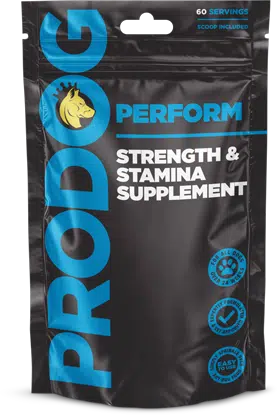
ProDog’s Perform working dog supplement is formulated specifically for working and sporting dogs. It provides a concentrated blend of nutrients designed to support energy production, muscle function, and recovery. Key ingredients include B vitamins for energy metabolism, zinc for tissue repair, and natural antioxidants to counter the oxidative stress generated by high activity. If your dog is in regular work, Perform is the most targeted nutritional support you can add to their bowl.

Omega-3 Fatty Acids

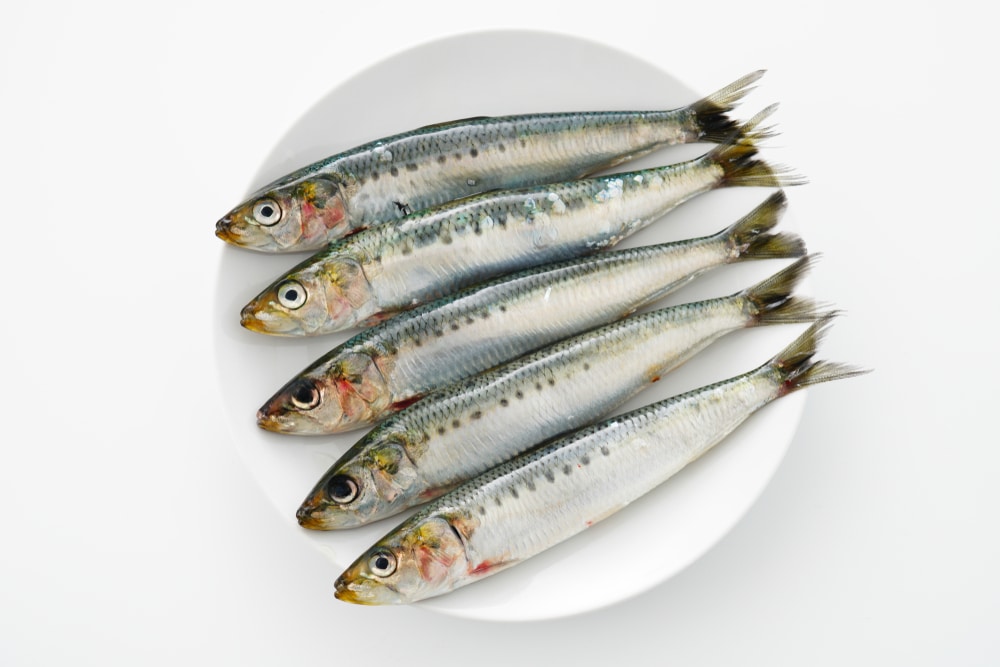
Oily fish and fish oils are a valuable addition for any working dog. Omega-3s support cardiovascular function, help maintain healthy joints, and reduce post-exercise inflammation. Sardines and herrings, for example, are a great nutritional source of creatine which helps with muscle building and faster recovery. Many ProDog complete raw meals already include oily fish as part of their formulation.

Joint Support

Working dogs put significant repetitive stress on their joints. Ingredients such as glucosamine, chondroitin, and green-lipped mussel help maintain joint mobility and support cartilage integrity, particularly important for dogs working on hard or uneven ground. ProDog’s dog supplements range includes Flexx dog joint support supplement, which includes these ingredients.

oily fish

Vitamin E

As discussed in detail in our Vitamin E for Dogs guide, this fat-soluble antioxidant plays a significant role in protecting cells from the oxidative damage caused by intense physical activity.

Working dogs fed high-fat diets may have increased vitamin E requirements. Exercise is associated with free radical production in skeletal muscle, while dietary PUFAs are known to increase the demand for vitamin E as a lipid-phase antioxidant. Research confirms that appropriate dosing for athletic dogs remains an area where evidence is still developing [5].

vitamin e for dogs

Why Raw Feeding Is the Gold Standard for Working Dogs

Raw feeding aligns with the biological reality of what dogs are built to eat. Their digestive systems are short, acidic, and designed for processing fresh meat and bone. They produce digestive enzymes optimised for breaking down animal protein and fat, not starchy carbohydrates.

For a working dog, this biological alignment translates directly into performance. Greater nutrient bioavailability means more of every meal is put to work in the body. Better digestibility means less energy wasted on processing and more available for actual output. A cleaner ingredient profile means less inflammatory load and faster recovery.

Raw feeding also supports Healthy Weight Gain For Dogs for working dogs needing to build condition after a hard season, providing concentrated, bioavailable nutrition without the fillers that dilute the value of processed alternatives.

The All You Need to Know Guide to Healthy Weight Gain for Dogs

READ MORE

Fuel Their Work. Support Their Life.

The best food for working dogs is food that matches what their bodies are genuinely built to handle: fresh, whole, species-appropriate nutrition that fuels real performance without compromise. A well-formulated raw diet, supplemented where needed with targeted support like Perform, gives your working dog everything they need to do their job well and recover properly so they can do it again tomorrow.

Working dogs give everything. Their nutrition is the simplest, most direct way you can give something back.

Need help with your dog’s diet?

Contact ProDog’s expert team today for FREE tailored canine nutrition advice

Contact Us

FAQs

What is the best food for working dogs?

The best food for working dogs is a species-appropriate raw diet built from fresh meat, ground bone, and organ tissue. Raw feeding provides higher nutrient bioavailability, better digestibility, and a more complete amino acid profile than processed alternatives. Look for a FEDIAF-compliant complete raw meal to ensure full nutritional balance.

What to feed a working dog?

Working dogs thrive on a high-protein, moderate-to-high fat raw diet. Prioritise quality animal protein from identifiable fresh meat sources, include oily fish for omega-3 support, and ensure adequate hydration throughout the working day. Targeted supplements such as Perform can further support energy metabolism and recovery.

How much should I feed my working dog?

As a starting point, feed 2 to 3 percent of your dog’s ideal body weight per day in raw food, increasing to up to 4 percent during periods of peak physical demand. Adjust based on body condition, seasonal workload, and individual metabolism rather than applying a fixed rule.

Can you feed any dog working dog food?

Working dog formulations are higher in protein and fat to meet elevated energy demands. Feeding this to a sedentary or lightly active dog without adjusting portion sizes can lead to weight gain. The formulation itself is not harmful, but portion control is essential if the dog’s activity level doesn’t match the calorie density of a working diet.

How to enrich a working dog?

Working dogs need both physical and mental enrichment. Nutritionally, enrichment means feeding a diet that fully supports cognitive function as well as physical performance; omega-3 fatty acids, in particular, support brain health and focus. Beyond food, scent work, problem-solving games, and varied working tasks all contribute to a well-rounded, satisfied working dog.

Should I feed my working dog before or after work?

Avoid feeding a large meal immediately before or after intense work. Feed the main meal at least two hours before work begins and allow at least one hour after work before feeding. Many working dog owners split their dog’s daily allowance into two smaller meals to support steady energy and reduce digestive strain.

Do working dogs need supplements?

Working dogs can benefit significantly from targeted supplementation even when fed a high-quality raw diet. Key areas to consider are energy metabolism support, joint health maintenance, omega-3 intake, and antioxidant protection. ProDog’s Perform strength and stamina supplement is formulated specifically for working and sporting dogs.

Is raw food safe for working dogs?

Yes. Raw feeding is safe for working dogs when sourced from a reputable, DEFRA-approved manufacturer that conducts independent batch testing. ProDog’s raw dog food is blast-frozen to eliminate pathogens and independently tested to ensure safety and nutritional integrity.

References

  1. Wakshlag, J. J., & Shmalberg, J. (2014). Nutrition for working and service dogs. Veterinary Clinics of North America: Small Animal Practice, 44(4), 719–740. Doi: 10.1016/j.cvsm.2014.03.008 
  1. Reynolds, A. J., Fuhrer, L., Dunlap, H. L., Finke, M., & Kallfelz, F. A. (1995). Effect of diet and training on muscle glycogen storage and utilization in sled dogs. Journal of Applied Physiology, 79(5), 1601–1607. Doi: 10.1152/jappl.1995.79.5.1601 
  1. Bauer, J. E. (2007). Responses of dogs to dietary omega-3 fatty acids. Journal of the American Veterinary Medical Association, 231(11), 1657–1661. https://pubmed.ncbi.nlm.nih.gov/18052798/ 
  1. Geary, E. L., Oba, P. M., Templeman, J. R., & Swanson, K. S. (2024). Apparent total tract nutrient digestibility of frozen raw, freeze-dried raw, fresh, and extruded dog foods and their effects on serum metabolites and fecal characteristics, metabolites, and microbiota of healthy adult dogs. Translational Animal Science, 8, txae163. Doi: 10.1093/tas/txae163 
  1. Hill, R. C. (1998). The nutritional requirements of exercising dogs. Journal of Nutrition, 128(12 Suppl), 2686S–2690S. Doi: 10.1093/jn/128.12.2686S 

0 comments

Leave a Reply

Your email address will not be published. Required fields are marked *