



FREE DELIVERY ON RAW DOG FOOD BUNDLES & DOG SUPPLEMENTS to UK Standard Areas

Dog Sports Conditioning: How to Begin Training Your Dog for Sports and Working Roles

Dog sports aren’t just for the Malinois at the top of the agility leaderboard or the Spaniel with a working certificate. They’re for the dog that won’t settle, the dog that’s always on the go, the dog you’ve been told is “too much.” Spoiler: they’re not too much. They’re just under-used.

Dog Sports Conditioning: How to Begin Training Your Dog for Sports and Working Roles

With more than three decades of experience working with dogs across sport, television, and real-world training, I’ve seen first-hand what happens when a dog’s instincts finally have somewhere to go. From competing at the highest levels, including Crufts Obedience, to sharing training principles on Channel 4’s The Dog Academy, my work has always centred on understanding what dogs are built to do, and how to create the conditions that allow them to do it.

Over the years, I’ve worked with dogs across almost every discipline: law enforcement, gundog work, detection, obedience, protection sports, and more. What strikes me consistently is how many of the dogs brought to me as “difficult” or “too much to handle” aren’t problem dogs at all. They’re dogs with unmet needs and nowhere to put their energy. When those needs are understood and channelled purposefully, the transformation is often remarkable.

In this article, I explore why dog sports matter, not just for competition, but for the everyday dog, and how to begin thinking about conditioning your dog for a sport or working role.
Why Dog Sports Matter More Than You Might Think

Dogs were never designed to simply exist in our homes. For thousands of years, they were bred with purpose; to hunt, guard, herd, retrieve, track, protect, search, and problem-solve alongside humans. Their instincts and behavioural tendencies were intentionally selected because they served a function.

While the modern world has changed dramatically, dogs have not evolved at the same pace. Many of the roles dogs were bred for are now redundant, but the instincts remain. This is where dog sports and working roles play a vital role, not as a luxury or competition alone, but as a way to meet a dog’s genetic and psychological needs in a world that no longer does so naturally.

Dog sports are often misunderstood as something people do to dogs rather than for them. When approached ethically and thoughtfully, they provide mental stimulation, physical outlets, emotional regulation, structure, and purpose. Many behaviours we label as problematic; frustration, reactivity, hyperarousal, anxiety are often signs of unmet needs rather than ‘bad behaviour.’

Dog sports don’t create drive; they channel what already exists.

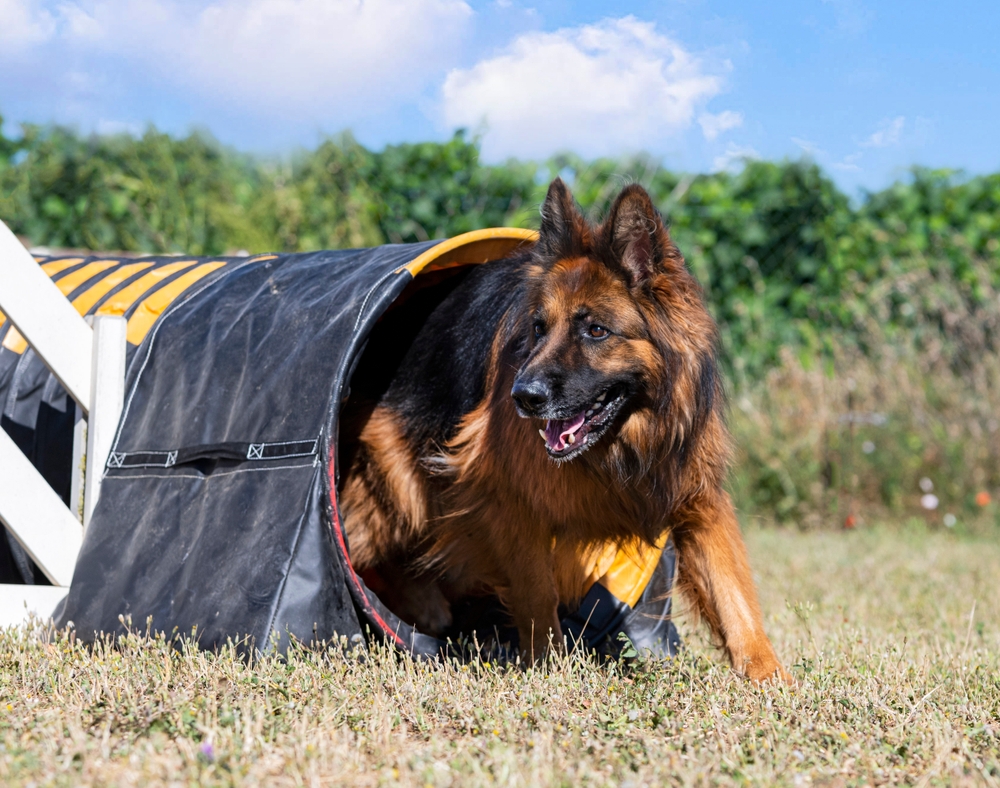
sporting dogs - dog agility

Every Dog Has a Blueprint

Every dog carries a genetic blueprint shaped by the work their ancestors were bred to perform. Gun dogs were bred to hunt, search, track, and retrieve. Herding dogs were bred to control movement. Guarding and protection breeds were bred to assess threat and protect resources. When these instincts have no appropriate outlet, they often surface in ways we try to suppress rather than understand.

The key is alignment. Not every dog suits every sport, and training should always respect what the dog is rather than forcing them into a role that doesn’t fit.

Sports Dogs vs Pet Dogs: The Difference Might Surprise You

One important distinction is between sports dog handlers and pet dog handlers. In reality, the dogs themselves often have very similar needs. The difference is usually the level of intention behind the training.

Sports dog handlers actively build engagement, focus, and reinforcement strategies toward a goal. Pet dogs need the same foundations; purpose, clarity, mental stimulation, and communication, even if they never step into a competition ring.

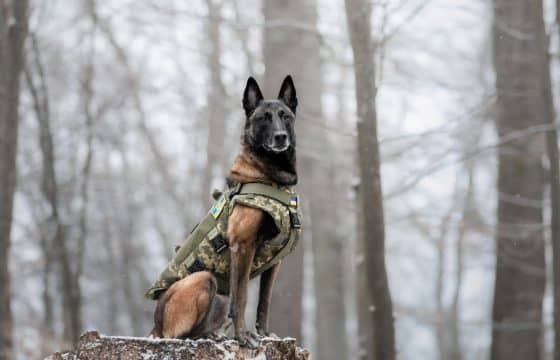
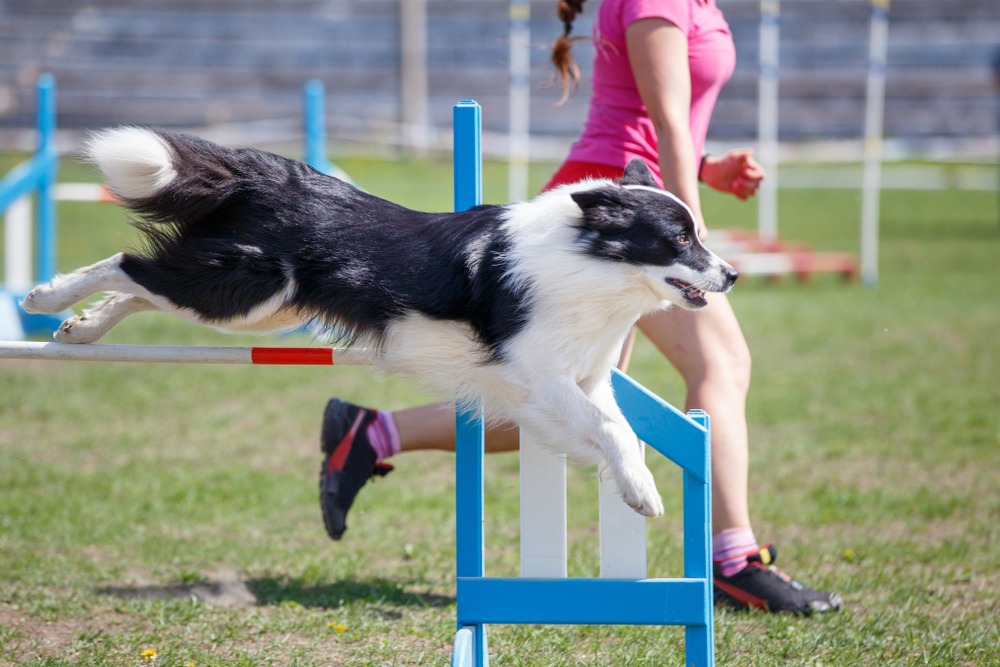
sporting dog

What Dog Sports Are Available?

There is a wide range of dog sports and working outlets available, including:

  • Agility
  • Obedience and rally
  • Flyball
  • Working trials and IGP
  • Mondioring
  • Heelwork to music and trick training
  • Scent work and man trailing
  • Tracking
  • Retrieving and gundog work
  • Search-style activities

Not all sports are high-intensity; many focus on precision, problem-solving, or calm engagement. The goal is to find an outlet that matches the dog’s temperament, genetics, and emotional capacity.

The Foundations of Good Training

Regardless of whether you are training a sports dog or a pet dog, the fundamentals of good training remain the same. Strong training is built on:

  • Relationship and engagement
  • Clear reinforcement strategies
  • Reward-specific markers
  • Clarity and consistency
  • Good timing

These principles apply whether you are teaching a recall, a heel position, a scent indication, or a settle on a mat.

Fulfilment vs Pressure: An Important Distinction

It’s also important to distinguish between fulfilment and pressure. Ethical training respects a dog’s emotional and physical limits and prioritises long-term wellbeing. A fulfilled dog is not necessarily the fastest or most decorated, but one that can engage, disengage, recover, and switch off.

  • Before choosing a sport or working role, it’s worth asking:
  • What was this dog bred to do?
  • What behaviours do they naturally offer?
  • How do they cope with pressure and novelty?

The right outlet should build confidence, reduce frustration, and strengthen the relationship, not create conflict or chronic stress.

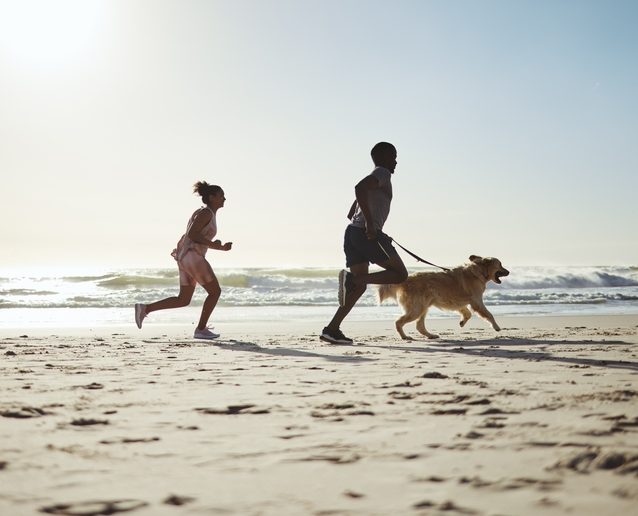
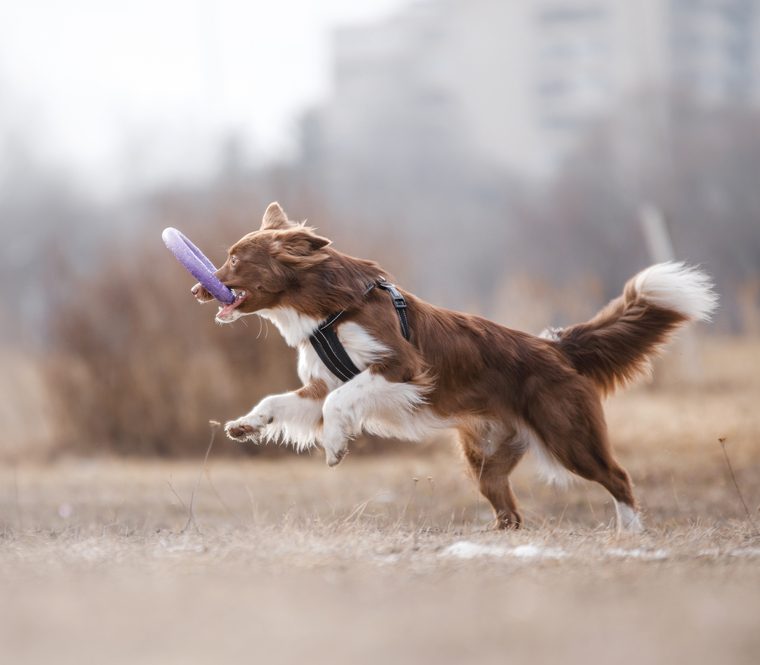
canicross dog

Final Thoughts

Ultimately, dogs were bred to work alongside humans, not simply exist within human spaces. In a modern world where natural outlets are limited, dog sports and working roles offer an ethical way to honour a dog’s instincts, history, and needs.

Whether you are a sports dog handler or a pet dog owner, the principles remain the same: clarity, reinforcement, relationship, and purpose.

0 comments

Leave a Reply

Your email address will not be published. Required fields are marked *