One of the advantages of feeding raw dog food is how well it adapts to seasonal changes. Because raw food is biologically appropriate and naturally moisture-rich, it is easier to digest than ultra-processed alternatives, even when the body’s digestive resources are stretched by the heat.
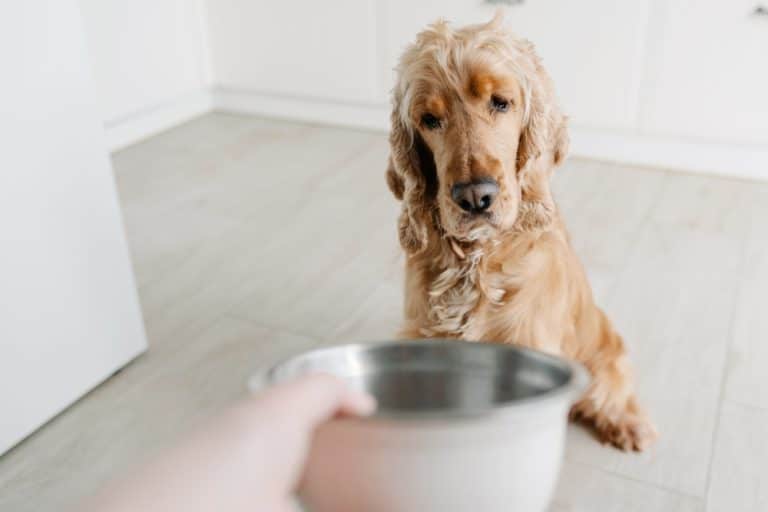
That said, you may still notice your dog eating with less enthusiasm than usual. In most cases, reducing portions by around 10% during periods of lower activity is perfectly reasonable. You are not underfeeding; you are matching intake to output, which is exactly what smart nutrition looks like in practice.
The key is to keep an eye on your dog’s body condition rather than the clock or the calendar. A dog who is maintaining good muscle tone, energy levels, and stool quality is doing well, regardless of whether they are eating slightly less than usual.
How to Monitor Your Dog’s Body Condition in Summer
Summer is an ideal time to check in on your dog’s body condition score. Subtle weight changes can creep in when appetite and activity both shift at the same time. Run your hands along your dog’s ribcage: you should be able to feel the ribs easily but not see them prominently. If you can no longer feel them, they may be carrying a little extra weight. If the ribs are very prominent and the spine is visible, they may be losing condition.
For a clear, practical guide to assessing body condition at home, I recommend watching Dr Nick Thompson’s guide on YouTube, which walks through exactly what to look and feel for.
How to Check Your Dog’s Weight at Home – No Scales Needed










0 comments