



FREE DELIVERY ON RAW DOG FOOD BUNDLES & DOG SUPPLEMENTS to UK Standard Areas

What Can Dogs NOT Eat?

When it comes to keeping our dogs safe and healthy, knowing what not to feed them is just as important as choosing the right fresh, species-appropriate foods. While many human foods seem harmless, even healthy, for us, they can pose serious risks to our dogs. A single ingredient, a tiny bite, or an innocent kitchen slip can lead to digestive upset, toxicity, or even life-threatening reactions.

Alison Frost

Author: Alison Frost

What Can Dogs NOT Eat?

Blog in 60 Seconds

In this article, you will learn:

  • Which everyday human foods should never be fed to dogs, including items that are commonly misunderstood as “safe” but can be harmful or toxic.
  • Why these foods pose a risk, explaining how they affect a dog’s digestive system, nervous system, kidneys or red blood cells.
  • The key warning signs of food-related toxicity, from mild digestive upset to more serious symptoms that require urgent veterinary attention.
  • How well-intentioned habits can cause problems, such as sharing leftovers, festive treats or table scraps without understanding the risks.
  • Practical steps to keep your dog safe, including safer alternatives, better food awareness, and dog-first feeding choices that support long-term health and wellbeing.

As ProDog’s Head Canine Nutritionist, with many years of hands-on experience in canine nutrition, I specialise in helping dog owners understand what dogs should, and just as importantly, shouldn’t be eating. My approach is always straightforward, dog-first and rooted in nutritional science you can trust.

In this article, I share clear, evidence-based guidance on the foods that should never make their way into your dog’s bowl, along with practical advice to help you keep your dog safe, healthy and thriving – naturally.


dog eating raw - what can dogs not eat though

Foods That Are Toxic for Dogs

1. Chocolate

Chocolate is one of the most well-known toxic foods for dogs, but many owners don’t realise just how harmful it can be. It contains theobromine and caffeine, both of which a dog’s body struggles to break down. [1]

Symptoms of chocolate poisoning can appear within a few hours and may include dog vomiting and diarrhoea, restlessness, rapid breathing, an increased heart rate, tremors, or seizures. Dark chocolate, baking chocolate, and cocoa powder are the most dangerous because they contain the highest concentration of theobromine.

Resting brown dog on bed recovering from diarrhoea

What to do When Your Dog has Diarrhoea: Causes and Remedies

READ MORE

2. Grapes & Raisins

Grapes and raisins are among the most dangerous human foods for dogs. While the specific toxin hasn’t yet been identified, we do know that dogs can react severely to even tiny amounts, in some cases, just a single grape.

Toxicity can lead to rapid-onset kidney failure, which may develop within hours. Symptoms include vomiting, lethargy, diarrhoea, and reduced urination. Because reactions are unpredictable and can be life-threatening, all grapes and raisins should be considered unsafe for dogs.

3. Onions

Onions are toxic to dogs in all forms (raw, cooked, dried or powdered) and contain compounds that damage red blood cells, leading to haemolytic anaemia. Researchers have observed this toxicity with cooked onions. [2].

Symptoms may include weakness, vomiting, pale gums, rapid breathing, and collapse. Because the toxic effect is cumulative, even small amounts eaten over several days can become dangerous.

Onion powder is especially risky as it’s concentrated and often hidden in soups, gravies, seasoning blends, and ready-made meals.[3]

4. Xylitol

Xylitol is a highly dangerous artificial sweetener found in sugar-free gum, sweets, baked goods, chewing mints – and even some peanut butters. In dogs, it can trigger a sudden, life-threatening drop in blood sugar and can rapidly lead to seizures, collapse and acute liver failure. [4]

Even tiny amounts are enough to be fatal, so always check labels and keep xylitol-containing products well out of reach.

5. Macadamia Nuts

Macadamia nuts are toxic to dogs, [5] even in very small quantities. They can trigger sudden weakness, tremors, fever, vomiting and difficulty walking, symptoms that often appear within hours.

Although the exact toxin isn’t fully understood, the effects on a dog’s nervous system and muscles are clear and can be severe. Always keep macadamia nuts and any foods containing them well out of reach.

6. Cooked Bones

Cooked bones are a serious hazard for dogs. Once heated, bones become brittle and can splinter easily, causing choking, broken teeth, internal blockages or even life-threatening perforations.

They offer none of the nutritional benefits of raw bones and come with all the risk. For safe, species-appropriate alternatives, read our full guide to bones for dogs.

calcium for dogs

Feeding Bones to Dogs: The All You Need to Know Guide

READ MORE

7. Raw Bread Dough & Yeast

Raw bread dough is extremely dangerous for dogs. Once eaten, the yeast causes the dough to expand inside the stomach, leading to painful bloating, pressure on internal organs and potentially a life-threatening blockage.

Even worse, the fermenting yeast produces alcohol, which can trigger alcohol poisoning, causing disorientation, vomiting, seizures and dangerously low body temperature.

8. Mouldy or Spoiled Foods

Mouldy or spoiled foods are far more dangerous to dogs than most people realise. Certain moulds produce tremorgenic toxins – potent compounds that can trigger severe neurological symptoms, including shaking, muscle tremors, disorientation and seizures. [6]

Even small amounts of spoiled food can cause rapid onset poisoning. If it’s past its best or smells even slightly “off,” keep it well away from your dog’s bowl.

9. Corn on the Cob

Corn on the cob might seem harmless, but the cob itself is a major danger to dogs. Even if it’s chewed, the dense, fibrous core does not break down in the digestive system and can easily cause a serious intestinal blockage.

Symptoms often include vomiting, abdominal pain, loss of appetite and dehydration, and in many cases, surgery is the only solution.

10. Salt & Salty Snacks

Salt and salty snacks can be risky for dogs because they’re much more sensitive to sodium than we are. Too much can lead to excessive thirst, dehydration and, in severe cases, sodium poisoning, causing vomiting, tremors or weakness. Crisps, salted nuts and cured meats are best kept well away from your dog’s bowl.

11. Fat Trimmings or Deep-Fried Foods

Fat trimmings and deep-fried foods are far too rich for dogs and can overwhelm their digestive system. High-fat foods can trigger pancreatitis in dogs, a painful, potentially serious inflammation of the pancreas, leading to vomiting, stomach pain and loss of appetite. It’s best to avoid giving dogs greasy leftovers or the skins from cooked meats, as these can be difficult to digest and offer little nutritional value.

Small amounts of lean, cooked meat are generally fine, but it’s important to understand the difference between beneficial fats and those that can cause problems. Whenever possible, raw meat is the preferable option, offering natural nutrients in their most digestible form. You can learn more in our guide. “The Truth About Fats For Dogs

The Truth About Fats for Dogs: The All-You-Need-to-Know Guide

READ MORE

12. Artificial Sweeteners (Beyond Xylitol)

Artificial sweeteners (other than xylitol) can still cause problems for dogs. Many sugar substitutes can irritate the digestive system, leading to gas, bloating or diarrhoea, while others may carry a risk of toxicity in larger amounts. Because ingredients vary widely, it’s safest to avoid giving dogs anything containing artificial sweeteners altogether.

13. Certain Fruits: Cherries, Apricots, Peaches (pits)

Fruits like cherries, apricots and peaches can be risky because their pits contain cyanide, a toxin harmful to dogs. The pits also pose a choking hazard and can cause intestinal blockages if swallowed. Always remove the stones completely or avoid these fruits altogether.

14. Dairy Products

Many dogs struggle to digest lactose, meaning dairy products can easily lead to stomach upset, gas or diarrhoea. Even small amounts of milk, cheese or creamy treats can cause discomfort in sensitive dogs. It’s best to offer dairy only with caution or opt for goats’ milk which is lower in lactose or skip it altogether.

15. Nutmeg

Nutmeg contains a compound called myristicin, which is toxic to dogs and can affect their nervous system. Even small amounts may cause disorientation, elevated heart rate, tremors or, in more serious cases, seizures. It’s best to keep nutmeg and nutmeg-containing foods well out of reach.

Just as certain foods are toxic to dogs, many drinks can be dangerous too. Letting your dog sip the last of your tea or leaving drinks unattended might seem harmless, but it isn’tHere’s a breakdown of the drinks your dog should never have, and why fresh, clean water is the safest choice for keeping them hydrated and healthy. 

What Can My Dog Not Drink?

1. Alcohol

Alcohol is extremely dangerous for dogs because their bodies can’t process ethanol the way humans can. Even a small amount can cause vomiting, diarrhoea, confusion, loss of coordination, and dangerously low body temperature.

In severe cases, it can lead to seizures, respiratory failure, or coma. Never allow dogs access to alcohol, alcoholic desserts, or unbaked dough that ferments.

2. Caffeinated Drinks (Tea, Coffee, Energy Drinks)

Caffeine is a stimulant that dogs cannot tolerate. It affects their heart and nervous system far more intensely than it does in humans. Drinking caffeinated beverages can cause restlessness, rapid breathing, abnormal heart rhythms, tremors, and seizures.

Energy drinks often contain additional stimulants that make them even more dangerous.

3. Milk & Dairy-Based Drinks

Many dogs are lactose-intolerant, meaning they lack the enzyme needed to digest dairy. Milkshakes, lattes, and other dairy drinks can cause bloating, gas, diarrhoea, and stomach pain.

Even if the drink isn’t toxic, the digestive upset can be significant, especially in sensitive dogs.

4. Fruit Juices with Added Sugar

While natural fruit isn’t necessarily harmful in small amounts, concentrated fruit juices contain high sugar levels that dogs cannot process well. Sugary drinks can cause stomach upset, diarrhoea, weight gain, and may contribute to long-term issues like diabetes.

Grapes and grape juice are especially dangerous, as they can cause kidney failure even in tiny amounts.

5. Citrus Drinks (Lemonade, Orange Juice)

Citrus fruits contain oils and compounds that can irritate a dog’s stomach. Lemonade and orange juice are highly acidic and usually packed with sugar, leading to vomiting, diarrhoea, and discomfort. In larger quantities, citrus oils can affect their central nervous system.

6. Sports Drinks & Electrolyte Drinks

These aren’t technically “toxic,” but they’re still unsafe for dogs. Sports drinks are full of sugar, artificial colours, flavourings, and salts that dogs don’t need. The electrolyte balance is formulated for humans, not pets, and can cause stomach upset or worsen dehydration rather than help it.

7. Fizzy Drinks / Sodas

Sodas contain caffeine, sugar, and artificial sweeteners. The carbonation can cause bloating and discomfort, especially in small dogs. Some sodas also contain ingredients like xylitol or high fructose corn syrup, both of which are harmful. The sugar content alone is enough to trigger digestive upset.

8. Flavoured Water & Enhanced Waters

Many flavoured waters contain artificial sweeteners—especially xylitol, which is extremely dangerous and can cause a sudden drop in blood sugar leading to seizures or liver failure. [4] Even “healthy” vitamin waters may contain additives dogs shouldn’t consume.

9. Hot Chocolate & Chocolate Drinks

Chocolate contains theobromine, a compound highly toxic to dogs. [1] Chocolate drinks may seem mild, but they still carry enough theobromine (and often caffeine) to cause symptoms like vomiting, diarrhoea, rapid heart rate, tremors, and potentially fatal heart complications.

10. Herbal Teas (Certain Types)

Not all herbal teas are suitable for dogs, and some ingredients can cause adverse reactions. Teas containing nutmeg, cocoa shells, essential-oil–based herbs or certain ornamental flowers may lead to digestive discomfort or, in more serious cases, neurological symptoms. It’s important to check every ingredient carefully and introduce anything new with caution.

That said, some gentle herbal infusions, such as chamomile, lemon balm or astragalus, can be beneficial when used appropriately. Always research thoroughly, choose high-quality sources, and, if you’re unsure, seek guidance from a canine nutritionist or holistic vet to ensure you’re selecting the right option for your dog’s needs.

Need help with your dog’s diet?

Contact ProDog’s expert team today for FREE tailored canine nutrition advice

Contact Us

What foods are worse for puppies and senior dogs?  

While all of these foods and drinks can be harmful to dogs, many pose an even bigger risk to puppies and senior dogs due to their smaller size, developing or weakened organs and reduced ability to process toxins.

Xylitol, alcohol (including raw dough), chocolate, caffeine, macadamia nuts and mouldy foods are especially dangerous, as even tiny amounts can trigger life-threatening reactions such as seizures, hypoglycaemia or organ failure.

Cooked bones, corn on the cob, high-fat foods, salt, artificial sweeteners, nutmeg, avocado and dairy can also cause more severe blockages, pancreatitis or dehydration in these age groups.

Garlic isn’t advised for young puppies under 6 months, as they don’t produce new red blood cells, beneficial for adult dogs in the appropriate dose.

Puppies and older dogs simply can’t tolerate the same level of exposure as healthy adults, making it even more important to keep these foods and drinks well out of reach.

What to do if your dog ingests any of the above

dog at vets

If your dog ingests any of the foods or drinks listed above, contact your vet immediately, even if they seem fine. Do not wait for symptoms to appear, as many toxins act quickly and early treatment can make all the difference.

Avoid trying to make your dog vomit unless a vet specifically instructs you to and keep any packaging or information about what they ate to hand, so your vet can assess the risk.

Fast action is essential, especially for puppies and senior dogs, who are far more vulnerable to poisoning and complications.

What Should Your Dog be Eating?

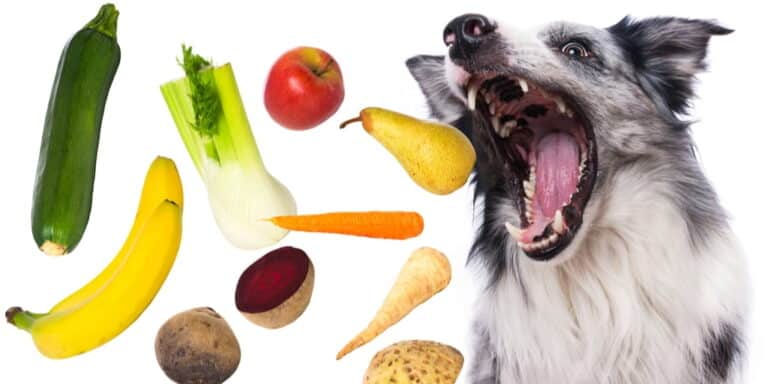
When it comes to feeding your dog a nutrient-dense, species-appropriate diet, the good news is they don’t have to rely on the same processed food every day. A complete raw dog food like ProDog’s meal ranges gives them everything they need, but you can also boost their bowl with fresh, functional extras such as berries, seasonal greens and eggs (in moderation). Explore our full list of foods your dog can eat in our extensive guide.

Border collie dog about to eat all sorts of different foods, find out more about what can my dog eat

A-Z: What Can My Dog Eat?

READ MORE

These whole foods not only add variety and nutrients, but they also support a healthy digestive system, which is at the core of your dog’s overall wellbeing. If you’d like to understand why gut health matters so much, take a look at our guide: The Secret to Dog Gut Health.

dog gut health

The Secrets of Dog Gut Health: Essential Tips and Insights

READ MORE

If you’re unsure about anything in this article or want clearer guidance on exactly what your dog should be eating check, I’m always happy to support you with personalised, evidence-based advice.

You can also check out our Beginners Guide to Raw Feeding for helpful insights.

Two dogs eating and enjoying the benefits of raw dog food

Top 12 Health Benefits of Raw Feeding Your Dog

READ MORE

References

  1. 1.Noble, P.-J.M., Newman, J., Wyatt, A.M., Radford, A.D. and Jones, P.H. (2017), Heightened risk of canine chocolate exposure at Christmas and Easter. Veterinary Record, 181: 684-684. Doi: 10.1136/vr.104762 
  2. 2.Tang X, Xia Z, Yu J. An experimental study of hemolysis induced by onion (Allium cepa) poisoning in dogs. J Vet Pharmacol Ther. 2008 Apr;31(2):143-9. Doi: 10.1111/j.1365-2885.2007.00930.x.  
  3. Harvey, J.W., &Rackear, D. (1985). Experimental onion-induced hemolytic anemia in dogs. Veterinary Pathology, 22(4), 387-392. Doi:10.1177/030098588502200414 
  4. Murphy, L. A., & Coleman, A. E. (2012). Xylitol toxicosis in dogs.Veterinary Clinics of North America: Small Animal Practice, 42(2), 307-312.Doi10.1016/j.cvsm.2011.12.003 
  5. 5.Hansen SR, Buck WB, Meerdink G, Khan SA. Weakness, tremors, and depression associated with macadamia nuts in dogs. Vet HumToxicol. 2000 Feb;42(1):18-21. PMID: 10670081. 
  6. 6. Novotna T,SitarovaB, Hoskova Z, Vaibarova V, Dzuman Z, Hajslova J, Skupien V, Svobodova  Tremorgenic mycotoxin poisoning in a dog: A case report. Vet Med (Praha). 2023 Dec 29;68(12):483-489. Doi: 10.17221/82/2023-VETMED.  


0 comments

Leave a Reply

Your email address will not be published. Required fields are marked *