Unlike humans, dogs don’t need large amounts of fibre in their diet. But the right types of fibre for dogs, in the right quantities, support a balanced gut microbiome, the community of bacteria that underpins your dog’s digestion, immune system, and overall health.
Commercial dog foods typically contain 3-8% crude fibre. Species-appropriate raw diets, by contrast, often sit at 1-3% or lower, and dogs genuinely thrive on them. It’s a stark difference from human nutrition guidelines, which recommend 30g of fibre daily for adults.
Why the difference? Because dogs are facultative carnivores. Their digestive systems are built for meat-based nutrition. From their highly acidic stomach pH to their short digestive tract and carnivorous teeth, every aspect of canine biology reflects a carnivorous blueprint that simply doesn’t demand significant amounts of fibre to function optimally [1].
What does matter is functional fibre, the beneficial kind found in vegetables, fruit, and certain connective tissues. This is the fibre that feeds your dog’s beneficial gut bacteria. When these bacteria ferment it, they produce short-chain fatty acids (SCFAs) that:
- Nourish intestinal cells
- Support nutrient absorption
- Help regulate inflammation
- Strengthen immune function
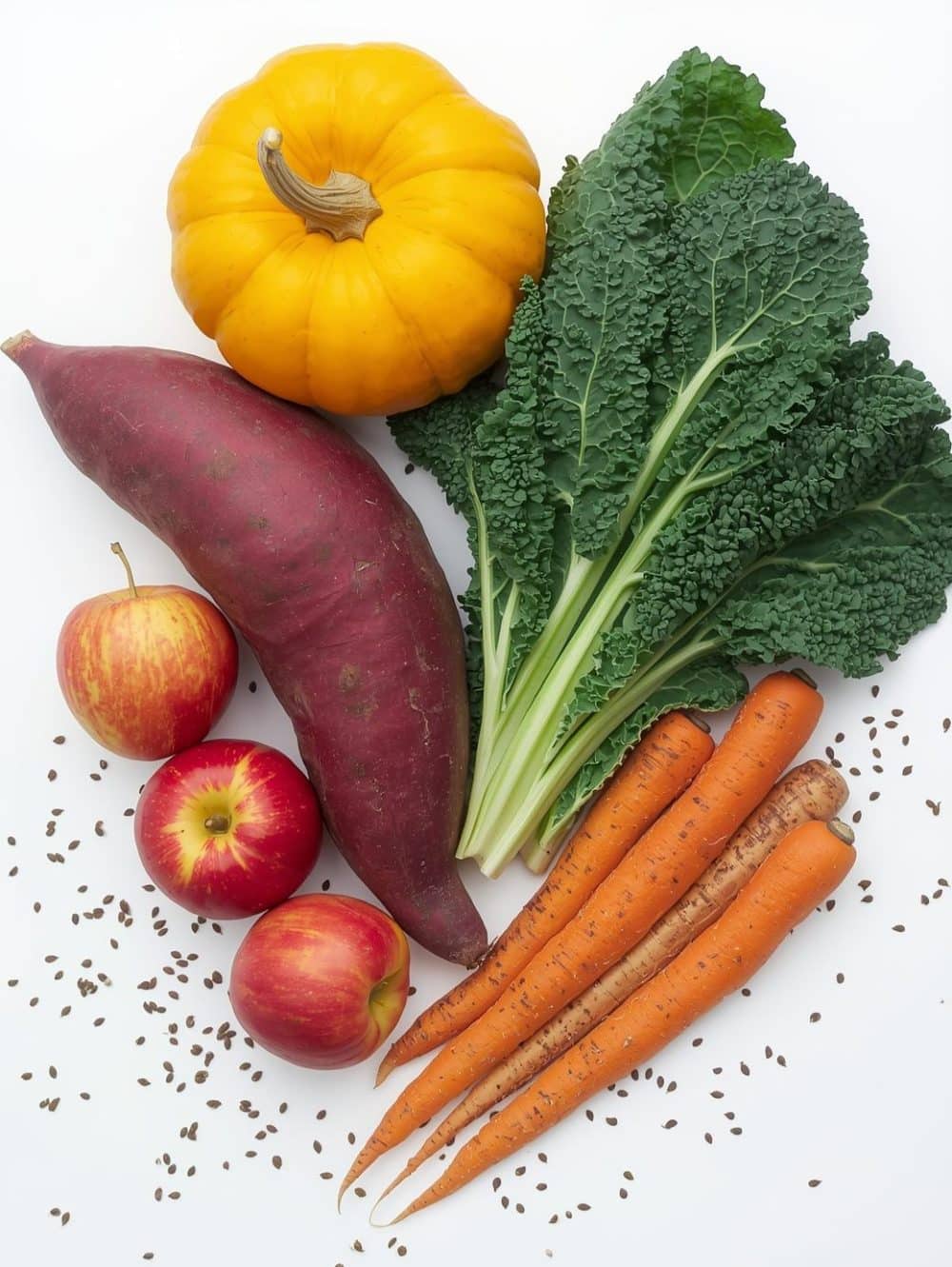
In raw dog food, fibre comes from natural, unprocessed sources such as leafy greens, kelp, berries, or root vegetables. These provide gentle, species-appropriate roughage that supports digestion without the filler effect of grain-based diets.
Maintaining this balance is vital. Too little fibre can lead to poor stool quality, while too much (especially from inappropriate sources) can disrupt the microbiome. I recommend aiming to include 5-10% of the total diet, starting at the lower end. The goal is diversity, feeding a variety of natural, whole-food ingredients to keep the gut ecosystem thriving.
Take our complete raw dog food meals, for example. They’re formulated to deliver everything your dog needs, with a balanced mix of protein, bone, and leafy green seasonal vegetables and fruit, naturally supporting gut health from the inside out.















0 comments