Any disruption of these processes has the potential to cause widespread imbalances throughout the body, leading to serious health consequences.
Certain breeds, such as Miniature Schnauzers, Miniature Poodles, Yorkshire Terriers, and Cocker Spaniels, are more prone to developing pancreatitis, but any dog can be affected. However, being genetically predisposed doesn’t necessarily mean a dog will develop this condition. Focusing on proactive health measures can help support pancreatic health and reduce the risk of pancreatitis.
For example, a diet that promotes pancreatic health is a crucial foundation. Look for high-quality, wholefood diets such as raw dog food. Species-appropriate foods, easily digestible, can help take some of the burden off the pancreas. Additionally, minimising the use of routine chemical flea and worm treatments can help reduce the toxic load on your dog’s system. Opting for natural approaches to parasite prevention, like natural flea repellent food supplements such as Prodog’s Repel and essential oils (approved for pet use), can be gentler on the body and support overall health.
While genetics may play a role, the preventative measures I discuss in detail throughout this article can make a significant difference, helping to keep your dog healthy and resilient.













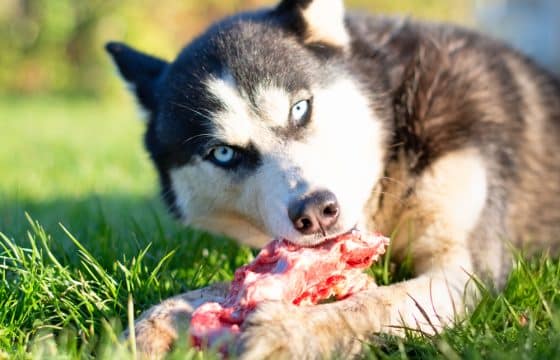
Which Pro dog raw feeds do you advocate for dogs with Pancreatitis?
I have a two year old Cockapoo that had suspected Pancreatitis and using ProDog raw and just wondering which sort would be the best incase I need to change my standing order thanks Lesleu
When it comes to Canine Pancreatitis, a varied, natural raw diet is key. Rabbit is our lowest fat option so you may want to include more of this, but certainly feeding it exclusively is not necessary. Keeping your dog lean and athletic is also recommended. Our blog will help answer some of your questions, a key extract of which you will find below.
“When we look at this daunting list of causes of CP, it’s a wonder that all dogs don’t have clinical disease all of the time. Raw fed dogs are not exposed to ultra-processed foods and rancid fats. They are generally leaner and healthier than conventionally fed dogs and are less likely to get CP. They need fewer drugs and so will be at a sizeable advantage to their poor kibble fed pals.
Every organ in the body needs a plethora of micronutrients always available in a varied fresh raw diet. Every organ suffers when carcinogens are eaten, toxins are ingested, or low-nutrient ultra-processed products are fed. None more so than our hard-working, little-known friend, the pancreas.”
My dog is a bit over weight the vet said that putting a strain on his joints can u recommend anything that will help he is on a raw food diet.
Hi there
You need to look at how much food he is getting currently and how much he should be getting. Using our raw food calculator, you will be able to put his weight etc. in and see how much you should be feeding him in order to lose weight. Once he is at the desired weight, then you can switch to the amount recommended to maintain weight. Please note that treats should be included in the daily amount. https://www.prodograw.com/raw-dog-food-calculator/
Kind Regards
Team ProDog
My dog has been on raw diet since he was 10 weeks old. He will be 6 in November and even though he has been fed premade raw since puppyhood he was just diagnosed with pancreatitis… I have no idea what to feed him now, when he comes back from the hospital, anh ideas? What kind of meats? What fat % is not too much, I do not want him to have another episode ever again!
Hi there
So, the fat content of our meals varies – the below are some examples of the lower fat options.
Rabbit complete – 5.6%
Chicken complete – 6.3%
Turkey complete – 5.6%
Green tripe with chicken complete – 7.6%
Duck – 9%
Lamb, beef & tripe and salmon & turkey have a higher fat content.
We hope this helps
Kind Regards
Team ProDog
My dog got diagnosed with pancreatitis today. The vet has said to feed 5% or lower In fat. Do you have a meat that contains this?
Our GSD was diagnosed with pancreatitis and was put on medication. Her symptoms were losing weight and runny poos. She was on kibble then. She has been on this medication for about 6 years. We swapped to raw food but recently was told to stop raw food as it was not goid fir her!!! We tried to disagreebut thought tge vet knew best. Although our dog loved it and her coat was shiny etc. Should she still be on this medication? For 6 years? Probably Enzorb then changed to Lypex with no explanation. Just the last one is more expensive. We want to change back to raw
Hi Sue , sorry to hear that your GSD was diagnosed with pancreatitis 6 years ago. Does she also struggle with EPI or was it just a one off pancreatic attack ?
If you can email [email protected] , our nutritionist will be happy to discuss this all with you