
FREE DELIVERY ON RAW DOG FOOD BUNDLES & DOG SUPPLEMENTS to UK Standard Areas

How To Raw Feed Your Dog When Travelling

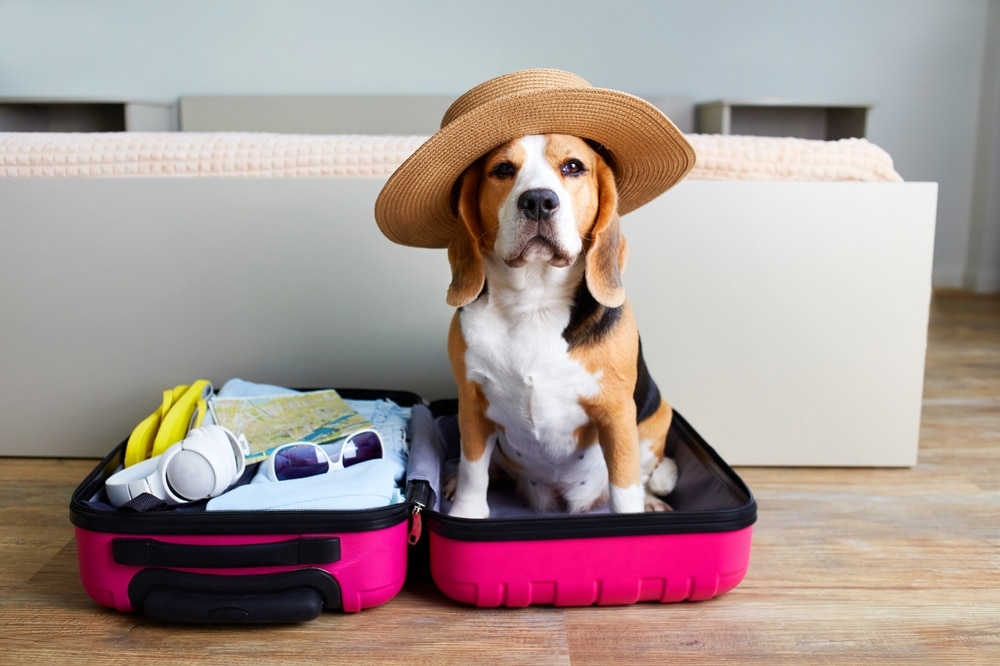
Travelling with a raw-fed dog doesn’t need to be complicated. Whether you’re taking a UK cottage break, or camping for the weekend, the principles of raw feeding remain the same: fresh food, safe storage, smart planning, and nutritional balance. 

Author: Anna Bain

How To Raw Feed Your Dog When Travelling

Blog in 60 Seconds

In this guide, you will learn:

  • How to keep your dog’s raw feeding routine consistent when away from home, with practical options for storing and serving raw meals in cottages, campsites or holiday lets.
  • Smart ways to manage raw meals on the go, including using ice boxes, having food delivered, or sourcing suitable fresh meats locally.
  • Which foods are safe to feed while travelling, from eggs and tinned fish to supermarket meats and raw meaty bones — and which to avoid for your dog’s wellbeing.
  • How to build simple meals yourself using locally available ingredients plus nutrient additions like herbs, berries or supplements such as ProDog Boost to maintain balanced nutrition.
  • Tips for maintaining a balanced diet on holiday, and how simple choices and thoughtful prep can protect your dog’s health without stress.

If you’re planning your next adventure and looking for an alternative to raw dog food when travelling, the good news is you don’t have to!

As a certified canine nutritionist and writer here at ProDog, I’ve spent years guiding dog owners through the practicalities of species-appropriate feeding, including one of the most common concerns I hear: how to maintain a raw diet when you’re away from home.

Whatever your travel plans the logistics can feel daunting. But with the right preparation and a clear understanding of your options, feeding raw on the road is manageable in many cases. In this guide, I’ll walk you through exactly how to travel with raw dog food, practical alternatives for when freezer space is limited, and how to keep your dog’s diet consistent no matter where life takes you.

The Challenges of Travelling with Raw Dog Food

Many owners worry about travelling with raw dog food because it’s frozen, fresh and perishable. And yes, travelling with raw presents a few practical challenges:

The Challenges

  • Keeping raw at a safe temperature when you’re away from home
  • Limited freezer or fridge access at certain destinations
  • Finding reliable storage solutions that keep food frozen long enough
  • Sourcing raw food locally when travelling across the UK or abroad
  • Managing hygiene safely in unfamiliar environments
  • Maintaining regular feeding routines during travel disruptions
  • Travelling abroad and Customs restrictions

But here’s the good news: every one of these challenges has a straightforward solution when you know what to plan for.

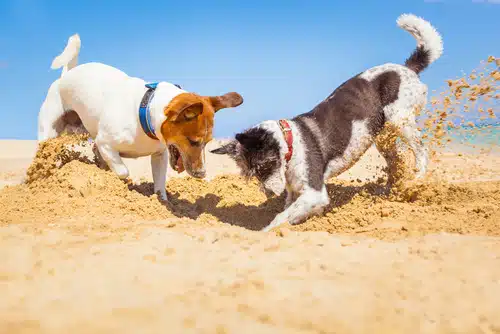
dogs at beach on holiday

How to Travel With Raw Dog Food: Your Complete Guide

Travel Destinations with a Freezer: The Easiest Option

If you’re staying in a UK cottage, holiday home, Airbnb, or self-catering accommodation with a freezer, feeding raw is straightforward.

Your options:

  • Pack your dog’s meals in a cool box and transfer into the freezer on arrival.
  • Have your order delivered directly to your holiday address (most couriers will allow this).
  • Buy from a local stockist if available. You can discover our list of local stockists here.
dog on holiday

You’ll find raw in most towns now, and even if it isn’t your usual brand, it’s still preferable to switching suddenly to processed food.

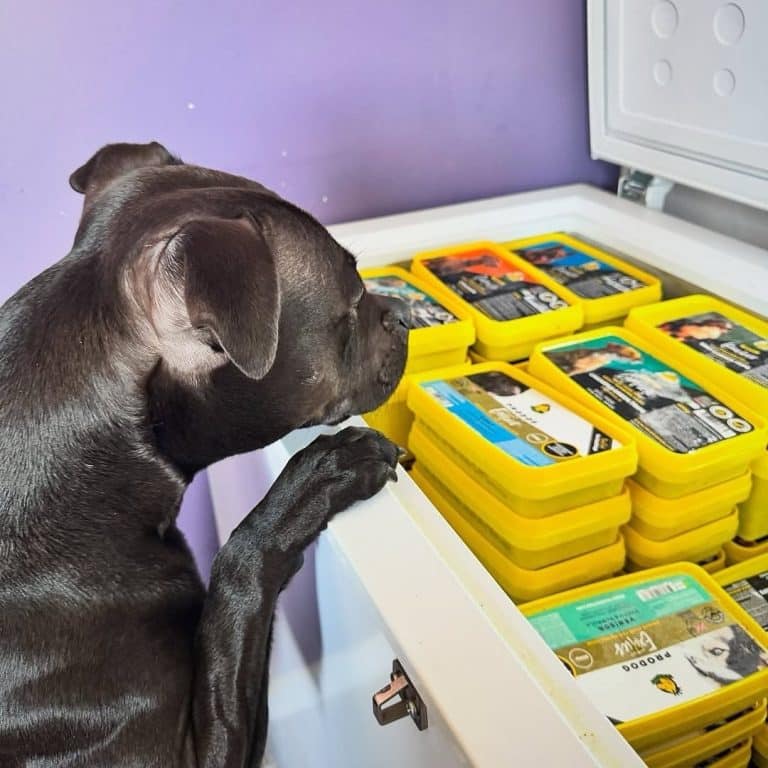
Explore our full range of raw dog food available to order in varying size bundles with the option to build your own bespoke sized orders thusi allowing for travel-friendly quantities

Travel Destinations Without Freezer Access: What Are the Options?

This is the most common scenario for raw feeders on the move. Without a freezer, you’ll need practical solutions to keep meals cold and safe. The good news is that raw dog food is more resilient than many owners think. Once defrosted and kept refrigerated (below 4°C), raw food remains safe for up to 3 days, giving you flexibility while travelling.

From cool boxes to short-term dietary alternatives, here’s how to manage raw feeding confidently without freezer access:

1. Use a High-Quality Cool Box or Ice Chest

A durable, well-insulated cool box is one of the most reliable tools for travelling with raw dog food. When packed correctly, it can keep raw meals at safe temperatures for: 24–72 hours (depending on weather conditions, insulation quality, and how often the box is opened)

Why this works:

  • Frozen food acts like additional ice packs
  • A tightly packed cool box traps cold air
  • Modern coolers are designed to maintain low temperatures for long periods
  • Pro tips for maximum safety and longevity:
  • Keep meals in freezer right up until you leave to extend chill time
  • Keep the lid of your transportation container closed as much as possible to avoid releasing cold air
  • Fill unused space with ice blocks, frozen water bottles, or extra frozen meals
  • Store the cool box in shade and out of hot vehicles

For detailed storage guidance, visit our expert article on how to safely store raw dog food while travelling.

“Important: Supermarket meats aren’t balanced for canine nutrition. Dogs can tolerate short-term changes, but you’ll need to support the diet. When choosing supermarket meat, it is always best to freeze it first so choose frozen mince from the freezer section, or cook the meat before feeding. Be sure not to choose processed meats such as ham, bacon, salami etc.”

2. Buying Supermarket Meats (Short-Term Only)

If you’re concerned about storing raw dog food on the road, supermarket meats can be a viable short-term alternative to raw dog food when travelling.

Safe options include:

  • Raw eggs
  • Raw or lightly cooked mince (no bone content)
  • Tinned oily fish (once or twice per week – limit tuna)
  • Simple meats like chicken wings, thighs (raw only, never cooked bones)

Consider adding ProDog Boost from our dog supplements range to maintain nutritional completeness.

3. Preparing Raw Meals Yourself

If you prefer control over ingredients, you can assemble fresh meals using locally sourced meats.

Basic travel recipe:

  • Lean boneless minced meat – 45% of the total meal
  • Raw meaty bones – a great source of calcium) 45%
  • A small amount of leftover cooked vegetables if available– 10%
  • Supplements (to support missing micronutrients) – add as directed

This approach gives flexibility when raw dog food is unavailable.

raw feeding on holiday

Understanding What’s Safe, And What’s Not

Travelling sometimes leads to improvisation. Here’s what’s safe and what to avoid:

Safe (Short-Term):

  • Raw or scrambled eggs
  • Raw meaty bones (never cooked)
  • Cooked, cooled mince with no bone
  • Tinned fish
  • Berries, herbs, lightly steamed or blended leafy greens

Avoid:

  • Cooked bones
  • Highly processed “fresh” dog food from shelves (not actually fresh)
  • Long-term feeding of supermarket meat without supplements
  • Processed meats such as ham, bacon, salami etc.

If you’re unsure about feeding raw while travelling, particularly when using supermarket-bought meat, our guide to bacteria in raw dog food offers helpful reassurance and practical guidance.

is raw dog food safe featured image (1) dog looking at camera with nose on the lense

Is Raw Dog Food Safe? The Answer is Yes!

READ MORE
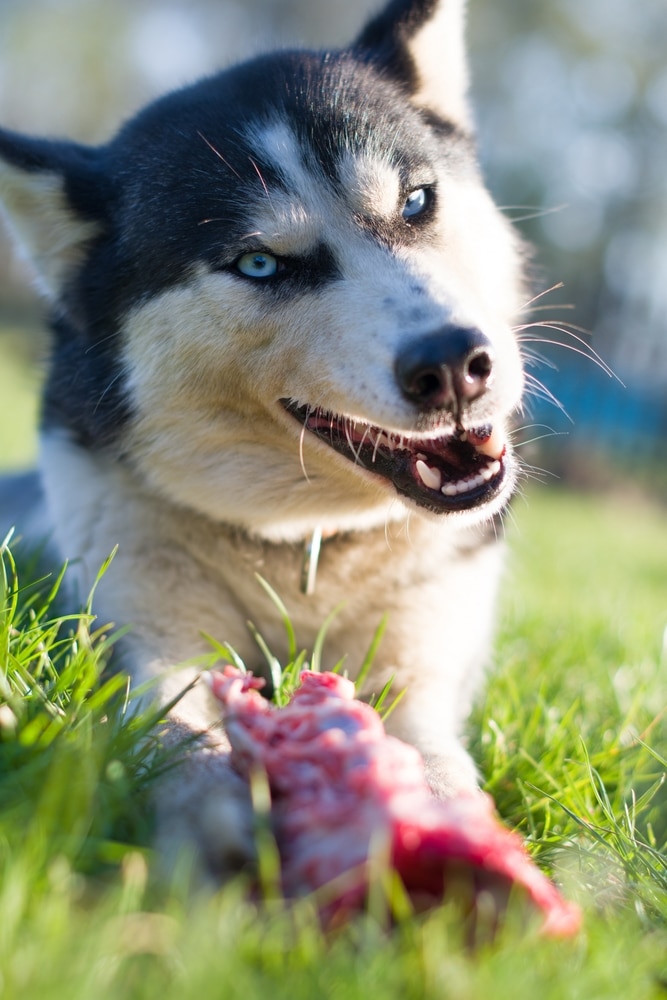
dog with raw meaty bone

What is a Good Alternative to Raw Dog Food When Travelling?

If freezer access is limited or you’re travelling abroad, here are the safest and healthiest alternatives to raw dog food when travelling:

Dehydrated raw food (high-quality only)

Keeps well in luggage, requires water only.

Freeze-dried raw

Lightweight, nutrient-dense, highly convenient.

High quality steamed tins or pouches

These products, if high quality, contain cupboard fresh dog food meats that can be fed to your dog in the absence of raw.

ProDog Natural Treats

Our extensive range of natural dog treats offers a wide selection of wholesome, nutritious options. Because they’re naturally air-dried, there’s no need for refrigeration or freezing, simply open the resealable bag and serve. While treats shouldn’t replace your dog’s main diet, they can be a convenient option for a day or two when travelling.

Cooked fresh meats + supplements

The closest in nature to raw when raw feeding isn’t possible.

When travelling with your dog, make sure you introduce any new foods well in advance of your trip. This gives you time to check that your dog will eat it and that it doesn’t cause any digestive upset. This also allows time to plan an alternative, should the option you choose disagree with them.

The last thing you need on your travels is a dog with diarrhoea or a dog refusing to eat!

Resting brown dog on bed recovering from diarrhoea

What to do When Your Dog has Diarrhoea: Causes and Remedies

READ MORE

Avoid:

Highly processed, grain-heavy dry food marketed as “fresh”, these can cause digestive upset during sudden dietary changes.

Hygiene Tips for Travelling With Raw Dog Food

Raw feeding is safe as long as you follow correct hygiene practices, the same principles you use at home.

Top hygiene guidelines:

  • Wash hands after handling raw
  • Use resealable containers
  • Keep raw food separate from human food
  • Clean bowls thoroughly between meals
  • Dispose of packaging responsibly
raw dog food hygiene

How to Take Raw Dog Food Camping

Camping presents unique challenges, heat, lack of refrigeration, and limited storage.

Your best strategies:

  • Bring a premium-quality cool box or powered cooler
  • Pre-freeze meals in small portions
  • Use ice blocks rated for 48–72 hours
  • Store in shade to reduce thawing
  • Feed supermarket meats lightly cooked if needed
  • Add supplements to maintain balance

Camping is compatible with raw feeding when planned correctly but be sure to keep tubs properly sealed and safely stored to prevent wildlife from accessing it.

camping with dogs

Supplements That Support Travel Feeding

When diet varies on holiday, dog supplements ensure your dog gets everything they need.

An ideal travel companion is ProDog Boost multivitamin for dogs which contains the essential micronutrients your dog needs and comes in a handy travel size.

Final Thoughts: Raw Feeding When Travelling Takes Planning, But It's Worth It

Let’s be honest: raw feeding on the go isn’t always easy. It takes forethought, preparation, and sometimes a bit of creative problem solving. But with the right tools, safe storage practices, and informed choices, it’s absolutely achievable, and often simpler than you might expect once you’ve done it a few times.

Raw feeding while travelling isn’t about perfection; it’s about maintaining your dog’s nutritional integrity while staying flexible. And when circumstances make raw impossible? Knowing your best alternatives means you can make confident decisions that protect their health without the guilt.

Travelling should be enriching for both you and your dog, not a source of stress or compromise.

Explore our full range of raw dog food and our dog supplements range to support your next adventure.

Need help with your dog’s diet?

Contact ProDog’s expert team today for FREE tailored canine nutrition advice

Contact Us

4 comments

Nada Hankin

Would freeze dried raw be a good substitute whilst on holiday?

ProDog

It can be yes.

Kind Regards
Team ProDog

Deirdre Robbins

Thank you, but I still don’t know what meats you produce and how it is packaged and price per pack, thank you

ProDog

Hi there – if you go to our website via https://www.prodograw.com/shop/raw-dog-food/ – you can find out the numerous options available along with tub size and prices with clear photos of the packaging that we use.

Kind Regards
Team ProDog

Leave a Reply

Your email address will not be published. Required fields are marked *