FREE DELIVERY ON RAW DOG FOOD BUNDLES & DOG SUPPLEMENTS to UK Standard Areas

What Food to Avoid for Dogs with Skin Allergies

When your dog won’t stop scratching, it’s exhausting, for both of you. You’ve tried the shampoos, the sprays, maybe even a vet prescription or two. But if the itch keeps coming back, the answer might not be on your dog’s skin at all. It might be in their bowl. Food can be one of the most overlooked triggers of canine skin problems and understanding what food to avoid for dogs with skin allergies, and what to feed instead, can make a significant difference to how they feel every single day.

Alison Frost, Canine Nutritionist

Author: Alison Frost

What Food to Avoid for Dogs with Skin Allergies

Blog in 60 Seconds

In this guide, you will learn:

  • What causes food-related skin allergies in dogs and why they develop
  • The most common food allergens in dogs and why these ingredients trigger reactions
  • Which specific foods to avoid for dogs with skin allergies
  • How to spot the signs of a food allergy and identify the culprit ingredients
  • The best dietary alternatives to support healthier skin from the inside out

As a Canine Nutritionist, I’ve spent years supporting worried owners and uncomfortable dogs, working through what’s really going on beneath the surface. Food sensitivities are rarely straightforward, and untangling what a dog can and can’t tolerate takes patience, precision, and a genuine understanding of how their digestive system is designed to work. However, it doesn’t need to be overly complicated. Most dogs respond remarkably well once you strip things back to basics and rebuild from there.

Nothing in my work is more satisfying than seeing an elimination diet done properly. When you give a dog’s body the chance to reset on a clean, species-appropriate diet and reintroduce ingredients one at a time, the changes can be genuinely striking: calmer digestion, a healthier coat, more energy, and a dog who simply seems more comfortable in their own skin. It’s one of the clearest examples I know of nutrition supporting the body to do what it’s naturally designed to do, and it’s exactly why I’m so passionate about guiding owners through the process the right way.

What Are Food Allergies in Dogs and How Do They Affect the Skin?

Here’s something most dog owners don’t realise: True food allergies are rare. Most reactions dogs have are actually food intolerances

Food Allergy vs Food Intolerance: What’s the Difference?

A true food allergy happens when the immune system flags a specific protein as a threat. IgE antibodies bind to mast cells, histamine gets released, and the body reacts as though it’s under attack. This is the same mechanism behind hay fever in humans, which is why the symptoms will look familiar:

  • Itching
  • Hives
  • Swelling
  • Coughing, sneezing or wheezing
  • Watery eyes
  • In severe cases, anaphylaxis

A food intolerance works differently. Instead of IgE, we’re looking at IgG, the antibody that remembers a food your dog’s body has already flagged as a problem. Symptoms usually show up within a few hours of eating, but they can be delayed by up to 48 hours and linger for days, which is exactly why the offending ingredient is so hard to pin down.

allergies in dogs

Intolerances are closely tied to gut health. When the gut lining is inflamed or overly permeable (often called “leaky gut”), proteins aren’t broken down properly, and the immune system’s IgG response to certain foods climbs as a result. Common signs of an intolerance include:

The vast majority of food reactivity in dogs comes from intolerances, not true allergies. Intolerances can shift and resolve over time; some settle within around three months; others take a lot longer. True allergies, by contrast, tend to be lifelong. Either way, there’s no overnight fix. It’s a case of narrowing things down and staying consistent while the body recalibrates.

dog itching

Why Skin Is Often Where It Shows Up First

True food allergies have a habit of showing up on the skin before anywhere else, triggering hives, itching, redness that won’t ease up until the trigger ingredient is removed from the diet.

It’s also worth separating food allergies and intolerances from environmental ones, like pollen, grass or dust mites, which are far more common.

One clue worth paying attention to: if your dog’s skin issues are all year round rather than following the seasons, food is worth investigating.

What Causes Skin Allergies in Dogs?

Skin type allergies in dogs, generally referred to as atopic dermatitis, can be triggered by environmental allergens, contact irritants, parasites, and food. Most food allergies or intolerances in dogs are triggered by a specific protein within a food. Eg Beef, dairy, chicken, or other ingredients like wheat, grains gluten etc. These are among the most commonly reported triggers [1] and the reason that many dog owners choose to feed a gluten free raw diet.

The immune system is designed to distinguish between “safe” and “threat.” In an allergic dog, specific dietary proteins are flagged incorrectly as dangerous. Every time that protein is consumed, the immune system responds with inflammation, and in dogs, that inflammation frequently manifests in the skin and or as well as the digestive tract.

What makes food intolerances particularly frustrating is that they develop over time. A dog can eat the same food for years before suddenly reacting to it. This happens because the immune system can become sensitised to a protein through repeated exposure, meaning the food that worked well for three years may be the very thing causing problems now. This is why feeding a wide variety of proteins and gluten free raw diets is advisable.

Gut health plays a role here too. When the intestinal lining is compromised, referred to as “leaky gut”, larger, partially digested protein fragments can pass into the bloodstream and trigger immune responses. A diet, and targeted supplements that supports gut integrity is therefore central to managing skin allergy symptoms.

Common Food Allergens in Dogs

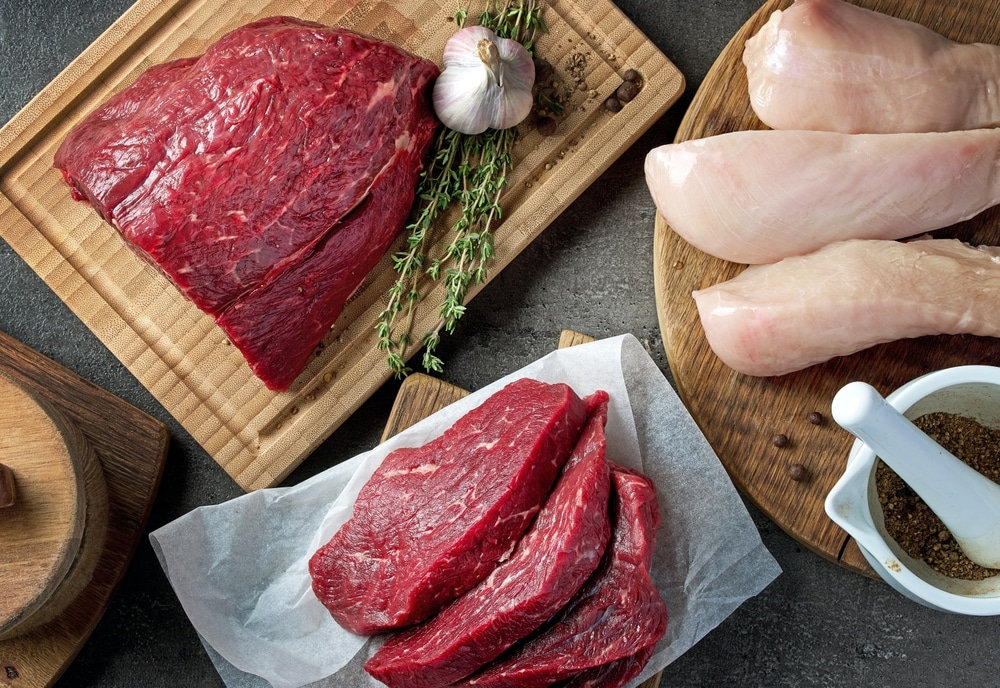
Not all ingredients carry equal risk. Certain proteins appear again and again in allergy research; beef, dairy, chicken and wheat consistently top the list. This is thought to reflect how frequently dogs are exposed to these ingredients through conventional commercial diets, since sensitisation develops over time with repeated exposure. [2].

Chicken

Chicken is often marketed as a “gentle” protein, and for many dogs it is. But it’s also one of the most prevalent proteins in commercial dog food, which means high rates of exposure and an elevated likelihood of sensitisation. It’s one of the more surprising allergens for owners to discover, but it’s far from rare. If chicken is proving to be the culprit, switching to a chicken-free raw dog food can be a straightforward way to remove the trigger while keeping the diet balanced.

How the chicken is reared and fed matters too. Battery-farmed birds are typically fed a grain-heavy diet, a world away from the grass and insects that chicken would naturally forage on. Factory farming also commonly relies on routine antibiotic use, which may be contributing to the rising rates of reactivity owners are seeing in their dogs.

Beef

Another one of the most reported food allergens in dogs. Beef features in many commercial dog foods, making long-term sensitisation a real possibility. Dogs that have been on beef-based diets for years are more likely to develop a reaction over time.

Dairy

Cow’s milk proteins, particularly casein and whey, are poorly tolerated by many dogs. Dairy can cause both digestive upset and skin flare-ups and is often overlooked as a trigger because it appears in treats and toppers rather than the main meal.

raw chicken and beef

Wheat and Gluten 

Wheat is a common filler in ultra-processed dog food and a known allergen for many dogs. While not all dogs react to wheat, those with a genuine sensitivity can experience significant skin irritation alongside digestive issues. Gluten sensitivity, though less common than in humans, does exist in dogs; Irish Setters being a well-documented example of a breed predisposed to it.

Eggs

Usually well-tolerated, but egg white proteins can trigger allergic responses in some dogs, particularly those already reacting to other proteins.

Soy

Soy is widely used as a cheap protein source in lower-quality commercial dog foods. It’s not biologically appropriate for dogs and is a recognised allergen. Soy also contains phytoestrogens, which may interfere with hormonal balance with long-term feeding.

Artificial Additives, Preservatives, and Colourings

Synthetic additives don’t cause true IgE-mediated allergies in the same way proteins do, but they can cause hypersensitivity reactions that mimic allergy symptoms, particularly skin irritation and digestive upset. Many ultra-processed dog foods rely heavily on these additives to extend shelf life and enhance palatability.

wheat and gluten

Foods to Avoid for Dogs with Skin Allergies

If your dog is showing signs of a food-related skin allergy, these are the ingredients most worth removing from their diet:

  • Chicken — especially if your dog has been fed chicken-based food long term
  • Beef — high sensitisation risk due to widespread use in commercial dog food
  • Dairy products — milk, cheese, yoghurt, whey-based treats
  • Wheat and gluten-containing grains — common fillers in ultra-processed diets
  • Soy — biologically inappropriate and a recognised allergen
  • Eggs — specifically egg white; worth eliminating during an elimination trial
  • Artificial preservatives — BHA, BHT, ethoxyquin (common in commercial kibble)
  • Artificial colours and flavourings — found in many ultra-processed dog foods and treats
  • Corn and maize — used as cheap fillers; poorly digestible and potentially inflammatory for sensitive dogs
  • Rice and grains

The key point: the ingredients most likely to cause problems are often the ones your dog has been eating most regularly. Novel proteins, proteins your dog has rarely or never eaten, are far less likely to trigger a reaction. Choosing dog food for dogs with skin allergies gives you valuable time and space to support your dog’s gut back to a healthy state, through targeted nutritional supplements and probiotics, plus real food additions like bone broth, which naturally supports the gut lining.

As mentioned earlier, food allergies are rare and more often intolerances, but either way, they don’t always look the same. Here are the signs most commonly linked to dietary triggers:

  • Persistent itching — particularly around the paws, face, ears, groin, and armpits
  • Recurring ear infections — especially yeast-based ear problems
  • Red, inflamed, or thickened skin
  • Hair loss or bald patches from excessive scratching
  • Hot spots — localised areas of raw, inflamed skin
  • Chronic paw licking or chewing
  • Digestive upset — loose stools, sickness, excess gas, or irregular bowel movements alongside skin symptoms
  • Symptoms that persist year-round rather than following a seasonal pattern

One important distinction: if your dog’s symptoms improve significantly during summer or resolve between seasons, environmental allergens are more likely the primary trigger. Food allergies/intolerances tend to be consistent year-round because the exposure is consistent. That said, many dogs deal with both; food and environmental, simultaneously, which is why getting the diet right matters so much.

Need help with your dog’s diet?

Contact ProDog’s expert team today for FREE tailored canine nutrition advice

Contact Us

How to Identify Food Allergies in Dogs

The Elimination Diet Trial

The gold standard for diagnosing a food allergy or intolerance is a strict elimination diet trial, usually lasting a minimum of 4–12 weeks. This involves feeding your dog a diet containing only novel proteins and carbohydrates (ingredients they’ve never eaten before), then gradually reintroducing previous ingredients one at a time to identify which triggers a reaction.

dog elimination diet

Dog Elimination Diets: Helping Dogs Overcome Adverse Food Reactions

READ MORE

This process requires discipline. Even small amounts of the excluded ingredient, in treats, table scraps, flavoured medications, or chews, can invalidate the trial. If your dog’s symptoms improve on the elimination diet and return when a specific ingredient is reintroduced, you’ve found your allergen.

What to Feed During an Elimination Trial

Novel proteins vary by dog, depending on their history. Common choices include:

  • Venison
  • Duck
  • Rabbit
  • Turkey
  • Wild boar
  • Goat

The protein needs to be genuinely new to your dog. If they’ve had duck in their previous food, even occasionally, it’s not truly novel. This is where speaking to a canine nutritionist can be genuinely valuable; they can review your dog’s full feeding history and help you identify the most appropriate proteins to trial.

Veterinary Testing

Skin testing and serum allergy testing are available through vets and dermatology specialists. These can help identify environmental allergens with good accuracy. For food allergies, the evidence for serum testing is less robust, an elimination diet trial remains the most reliable diagnostic tool for dietary triggers. A vet dermatologist can guide you on the most appropriate approach for your dog’s specific situation.

When to See a Vet

See your vet if:

  • Your dog’s skin is broken, infected, or showing signs of secondary bacterial or yeast infection
  • Your dog is in significant discomfort or unable to sleep due to itching
  • Symptoms have escalated quickly or you’re unsure whether food or environment is the primary trigger
  • Your dog is losing significant amounts of fur or developing large hot spots
  • You want a formal diagnosis before undertaking an elimination trial

A vet can rule out other causes of skin problems, including parasites, contact allergies, and hormonal imbalances, and refer you to a specialist if needed. Managing the underlying allergy through diet doesn’t replace veterinary support; the two work best together.


The Best Dietary Alternatives for Dogs with Skin Allergies

Once you’ve identified which ingredients to avoid, the question becomes: what should you feed instead?

Novel Protein Raw Diets

Raw feeding offers a natural advantage for dogs with skin allergies because it eliminates the ultra-processed ingredients such as artificial additives, synthetic preservatives and cheap fillers that can compound skin sensitivity. A raw diet built around proteins your dog has never eaten before is often the cleanest starting point for an elimination trial. If you’re new to raw and want to understand the basics before diving in, our beginner’s guide to raw feeding is a good place to start.

ProDog’s range includes a variety of novel protein options, from venison to rabbit to duck. These are pure, single-protein formulas and that’s exactly what makes them so effective for an elimination trial. Complete ranges bring in extra ingredients, things like carrot or salmon oil, that can introduce further variables and make it harder to isolate what’s actually driving the reaction. Keeping the diet simple and traceable is the whole point.

Omega-3 and Gut Support

Alongside the right protein source, two things make a consistent difference for dogs with skin allergies: omega-3 fatty acids and a healthy gut.

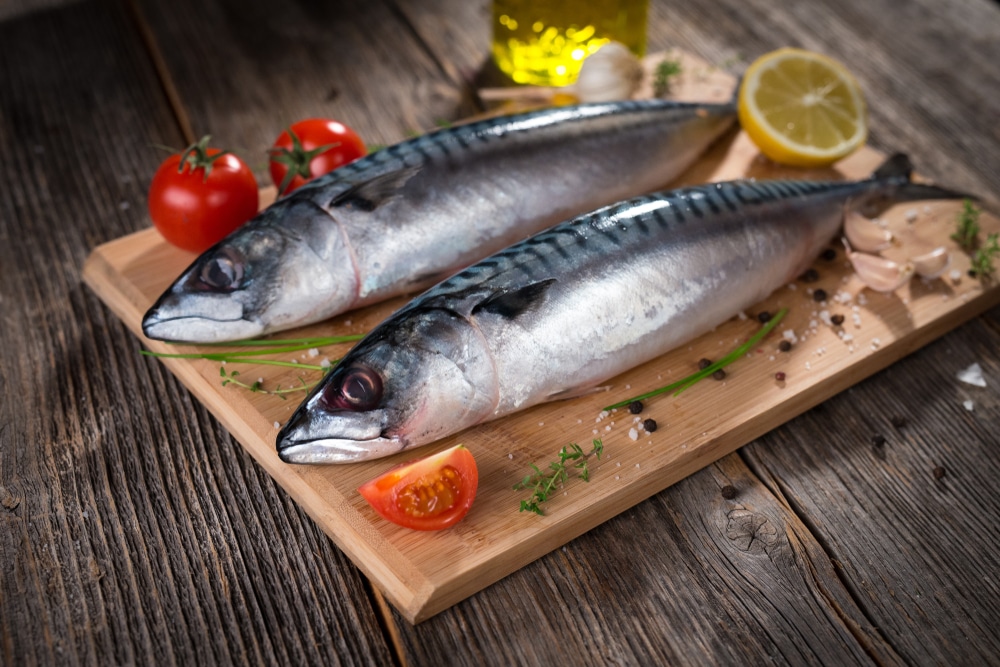
Omega-3s, specifically EPA and DHA from marine sources like sardines or mackerel, play a direct role in skin barrier function and help modulate the inflammatory responses that drive allergic skin reactions. Adding oily fish to the diet, or supplementing with a quality omega-3 source, supports healthier skin from the inside out.

Gut health matters just as much. Because immune function and skin health are both closely tied to gut integrity, supporting the microbiome is a meaningful part of managing food allergies rather than an afterthought [3]. ProDog’s Protect itch and allergy for dogs and Digest dog gut health supplements work well together here.

Protect helps to reduce histamines that are elevated due to the overactive immune system by combining nettle leaf, quercetin, turmeric, milk thistle and liquorice root to support gut and immune health simultaneously. Digest focuses on the digestive tract itself, using marshmallow root, slippery elm, aloe vera, L-glutamine, and a digestive enzyme complex to maintain gut lining integrity and microbiome balance.

oily fish for allergies

Simple real-food additions can help too, bone broth is a great everyday option for supporting the gut lining and works well alongside these.

I would recommend starting with one targeted supplement at a time before introducing others.

For dogs needing more foundational restoration, Reset liquid probiotic for dogs is a diverse soil-based probiotic that reintroduces beneficial bacteria at a deeper level. Read more about probiotics for dogs.

dog probiotics

What Really Makes the Best Probiotic for Dogs? A Nutritionist Explains

READ MORE

How Diet Can Improve Your Dog's Skin Health Long Term

Managing food allergies isn’t just about elimination, it’s about building a diet that actively supports skin health over time. A species-appropriate raw diet, built around high-quality single proteins, minimally processed ingredients, and naturally rich sources of omega-3s and antioxidants, reduces the inflammatory load from ultra-processed foods, provides bioavailable nutrients that support cell repair, and helps maintain the gut integrity that underpins healthy immune function.

In my experience, dogs switched to a clean, novel-protein raw diet often show measurable improvements in their skin within 8–12 weeks with less scratching, calmer skin and a healthier coat. It takes time because the immune system takes time. But the results, when the right dietary changes are made consistently, are real and meaningful.

If you’re not sure where to start, exploring the benefits of raw dog food is a good first step. And our nutrition team is always available to help you build the right plan for your individual dog, free of charge.

FAQs

What food should I avoid for dogs with skin allergies?

The most common food triggers for skin allergies in dogs are beef, chicken, dairy, wheat, grains, eggs, soy, and artificial additives. These are frequently used in commercial dog food, making sensitisation more likely with long-term exposure. Removing these from the diet and trialling a novel protein is the most reliable first step. For a broader list of foods to avoid feeding your dog, see our guide to foods to avoid feeding your dog.

What food is best for dogs with itchy skin?

Novel protein raw diets, based on proteins your dog has rarely or never eaten, such as venison, rabbit, or duck, are often the most effective option for dogs with food-related itchy skin. They eliminate ultra-processed ingredients, artificial additives, and common allergens while providing bioavailable nutrients that support skin barrier function. Adding omega-3-rich foods like oily fish further supports skin health. That said, it depends on the cause: if the itch is down to parasites like fleas, diet alone won’t resolve it. Our guide to why dogs itch is a great place to start if you’re unsure.

What foods make dogs' skin itchy?

Beef, chicken, dairy, wheat, grains, soy, eggs, and artificial preservatives or colourings are the most common dietary causes of itchy skin in dogs. Reactions develop because the immune system becomes sensitised to specific proteins over time, so an ingredient a dog has eaten for years can become a trigger. Grains and synthetic additives in ultra-processed diets can also contribute to skin inflammation.

How do I stop my dog's skin allergies?

The most effective approach is identifying and removing the dietary trigger through an elimination diet trial, feeding only novel proteins for 8–12 weeks, then reintroducing ingredients one at a time. Alongside this, supporting gut health and adding omega-3s can help modulate the inflammatory response. Veterinary support is advisable if symptoms are severe or if you’re unsure whether the trigger is dietary or environmental.

Can raw dog food help dogs with skin allergies?

Yes, many dogs with skin allergies benefit significantly from switching to raw dog food. Raw diets eliminate the ultra-processed ingredients, artificial additives, and common allergen proteins found in commercial dog food. A novel-protein raw diet provides a clean dietary baseline, and the naturally bioavailable nutrients in raw food, including omega-3s from oily fish and antioxidants from organ meats and vegetables, actively support skin health.

How long does it take to see improvement after a dietary change?

An elimination diet trial typically takes 8–12 weeks to produce clear results. The immune system takes time to settle once the offending protein is removed, and the skin takes additional time to recover. Some dogs show noticeable improvement within 4–6 weeks; others take the full 12 weeks or longer. Patience and strict adherence to the elimination protocol are essential, even small accidental exposures to the allergen can delay results.

Are grain-free diets better for dogs with skin allergies?

Grain-free doesn’t automatically mean allergen-free. While removing wheat and gluten is helpful for dogs sensitive to those ingredients, the protein source matters just as much, and often more. A grain-free food still based on beef or chicken may continue to trigger symptoms in an allergic dog. Focus on the full ingredient list, not just the absence of grains.

Can dogs develop new food allergies over time?

Yes. Food allergies develop through repeated exposure to a protein over time. A dog that has eaten chicken for years without issue can develop a sensitivity to it. This is one of the reasons that rotating proteins throughout a dog’s life can be a useful preventive approach for dogs with a tendency toward sensitivity.

What's the difference between a food allergy and a food intolerance in dogs?

A food allergy involves IgE antibodies, the immune system misidentifying a protein as a threat and mounting an inflammatory response that often shows up on the skin. A food intolerance is also immune-related, but through IgG rather than IgE, and tends to cause digestive symptoms like vomiting, diarrhoea or flatulence instead. Intolerances are far more common than true allergies, and they can shift over time, while true allergies tend to be lifelong. A dog can have both at once, but when skin symptoms are the main concern, the allergy component is usually the one driving management decisions.

References

  1. Mueller, R. S., Olivry, T., & Prélaud, P. (2016). Critically appraised topic on adverse food reactions of companion animals (2): common food allergen sources in dogs and cats. BMC Veterinary Research, 12, Article 9. Doi: 10.1186/s12917-016-0633-8  
  1. Verlinden, A., Hesta, M., Millet, S., & Janssens, G. P. J. (2006). Food allergy in dogs and cats: a review. Critical Reviews in Food Science and Nutrition, 46(3), 259–273. Doi: 10.1080/10408390591001117 
  1. Song, H., Mun, S.-H., Han, D.-W., Kang, J.-H., An, J.-U., Hwang, C.-Y., & Cho, S. (2025). Probiotics ameliorate atopic dermatitis by modulating the dysbiosis of the gut microbiota in dogs. BMC Microbiology, 25, Article 228. Doi: 10.1186/s12866-025-03924-6  

0 comments

Leave a Reply

Your email address will not be published. Required fields are marked *