

FREE DELIVERY ON RAW DOG FOOD BUNDLES & DOG SUPPLEMENTS to UK Standard Areas

Dog Skin Tags: When to Worry and How to Treat It

Your fingers find something new on your dog’s skin. Small, soft, moveable. Your stomach does a thing. You prod it again, hoping it’ll tell you something useful. It doesn’t. In most cases, what you’ve found is a skin tag – benign, common, and almost certainly not worth the spiral you’re about to go down. But almost certainly isn’t certainly, and that distinction is worth understanding properly. So, here’s what skin tags actually are, when they matter, and what your dog’s skin might be telling you about their health more broadly.

Dog Skin Tags: When to Worry and How to Treat It

Blog in 60 Seconds

In this guide, you will learn:

  • What a dog skin tag is and what it looks and feels like
  • Why dogs develop skin tags and which are most at risk
  • How to tell a skin tag apart from warts, ticks, cysts, and tumours
  • When a skin tag needs veterinary attention, and when it doesn’t
  • How nutrition and targeted supplementation can support long-term skin health

Skin tags on dogs come up regularly in my consulting room, and over my many years in veterinary practice, I’ve seen my fair share of them. They’re one of those findings that can send an owner into a quiet panic, but more often than not, there’s no need to worry. That said, not every lump you find on your dog is a skin tag and knowing the difference matters.

As founder of Holisticvet Ltd I’ve spent decades helping owners understand their dogs from the inside out, using raw nutrition, herbal medicine, and good old-fashioned clinical common sense alongside conventional veterinary medicine.

In this article, I want to give you my holistic take on dog skin tags — what they actually are, what to look out for, and how to think about them in the context of your dog’s overall health. Because in my experience, a skin tag is rarely just a skin tag. It’s an opportunity to look at the bigger picture.
What Is a Dog Skin Tag?

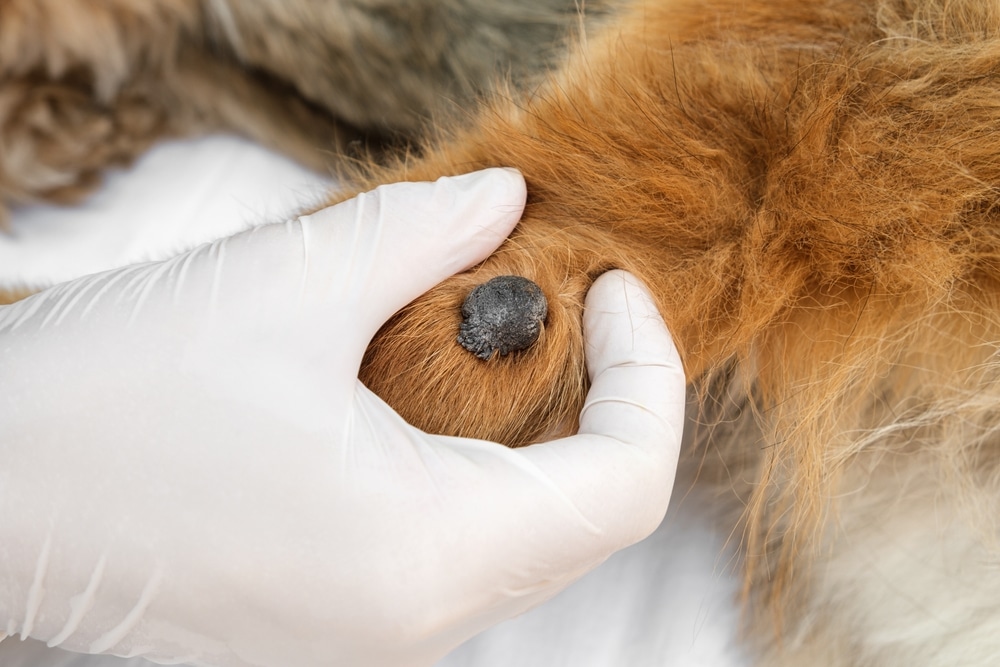
A skin tag is a small, benign growth that sits on the surface of the skin rather than beneath it. Most are attached by a narrow stalk, soft to the touch, and moveable between your fingers. They range from a few millimetres to considerably larger, and are typically flesh-coloured, though some appear pink, brown, or grey.

Structurally, they’re made up of fibrous tissue, collagen, and small blood vessels. They’re not cancerous, they don’t spread, and they grow slowly. Most dogs are entirely unaware they have one.

Why Do Dogs Get Skin Tags?

There’s rarely a single cause, and that’s actually the most useful thing to understand about them. Skin tags develop where repeated friction meets skin that has lost some of its resilience. Age is the most obvious factor. Older skin has less elasticity and slower repair capacity. But two dogs of the same age can have very different skin, and that difference usually comes down to how they’ve been fed and managed over their lives.

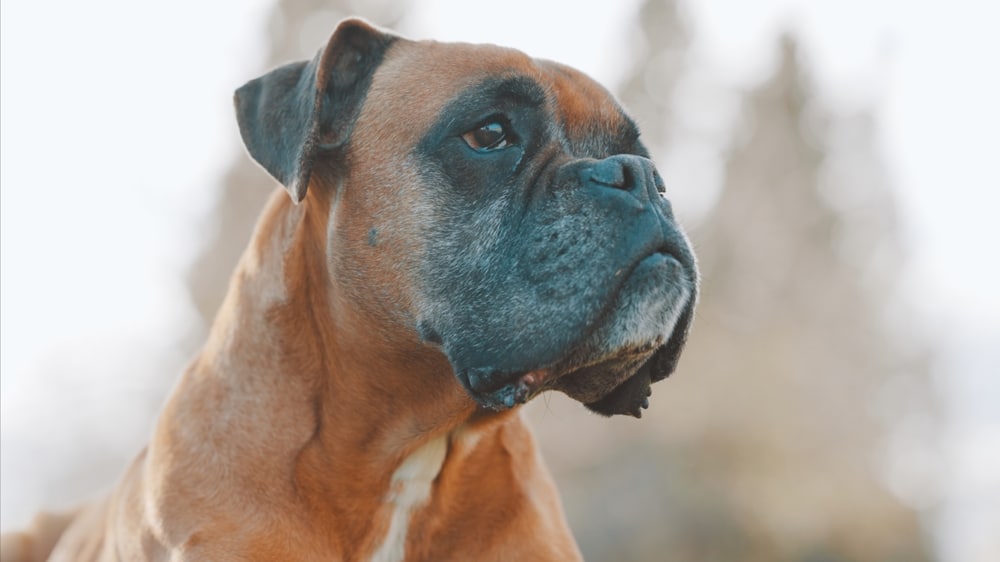
Genetics plays a role. Boxers, Bulldogs, Poodles, and large and giant breeds show higher rates of benign skin growths generally. Hormonal shifts in senior dogs are a contributing factor too.

But here’s what most skin tag articles don’t tell you: the skin is not just a surface. It’s a reflection of what’s happening systemically, and in particular, of how well the immune system is functioning.

boxer dogs and skin tags

Skin tags involve localised overgrowth of fibrous tissue. Essentially the skin’s repair mechanism running slightly beyond what’s needed. A well-regulated immune system keeps this kind of low-grade proliferation in check. When immune function is compromised or chronically dysregulated, benign skin changes become more likely.

What dysregulates immune function in dogs? Three things come up repeatedly in clinical practice:

Poor diet

Ultra processed pet food is pro-inflammatory, micronutrient-poor, and disrupts the gut microbiome, which is now understood to be central to how the immune system is regulated. A dog eating a biologically appropriate diet, rich in the nutrients the immune system actually needs, is simply better placed to maintain healthy tissue oversight.

Overuse of pharmaceuticals

Repeated antibiotic courses, long-term steroid use, and chronic NSAID use all effect immune competence over time. This doesn’t mean these drugs shouldn’t be used when they’re needed, it means they’re worth using judiciously, and worth discussing with your vet when they’re being used repeatedly.

Repeated vaccination beyond what's necessary

The evidence for annual booster schedules for core vaccines is, to put it politely, not strong. Most dogs that have completed their primary course and first annual booster carry lasting immunity to core diseases, something that can be confirmed with a titre test rather than assumed to need topping up every year. There’s a growing conversation in veterinary medicine about chronic immune dysregulation following repeated vaccination. It’s a conversation worth having with your vet.

None of this means skin tags are a diagnostic signal for any of these things specifically. But a dog developing multiple benign skin changes, or whose skin is generally poor, is a dog worth looking at more broadly, not just at the lumps. 


Different Types of Skin Tags on Dogs

Pedunculated Skin Tags

The most recognisable type. These hang from the skin on a thin, flexible stalk and move freely when touched. Because they protrude, they’re more likely to be caught on collars or during play, particularly around the neck and legs.

Sessile Skin Tags

A sessile tag sits flatter against the skin with a broader base. It can be mistaken for a cyst or wart, especially when small, and feels more firmly attached. Less prone to catching, but still worth monitoring.

Pigmented Skin Tags

Some skin tags are darker; brown, grey, or black. The colour itself isn’t the concern. What matters is whether it changes, particularly if that change is rapid or uneven. Any sudden shift in pigmentation warrants a vet’s look.

What Can Be Mistaken for a Skin Tag?

Several conditions look similar enough to cause genuine confusion. This is the main reason a new or changing growth deserves proper assessment, even when you’re fairly confident about what it is.

Warts (Papillomas)

Warts are viral in origin, most common in young dogs or those with a weakened immune system. Where skin tags are smooth, warts tend to have a rougher, sometimes cauliflower-like surface and may appear in clusters around the mouth, face, or paws. Many resolve without treatment, but some become irritated or infected.

Ticks

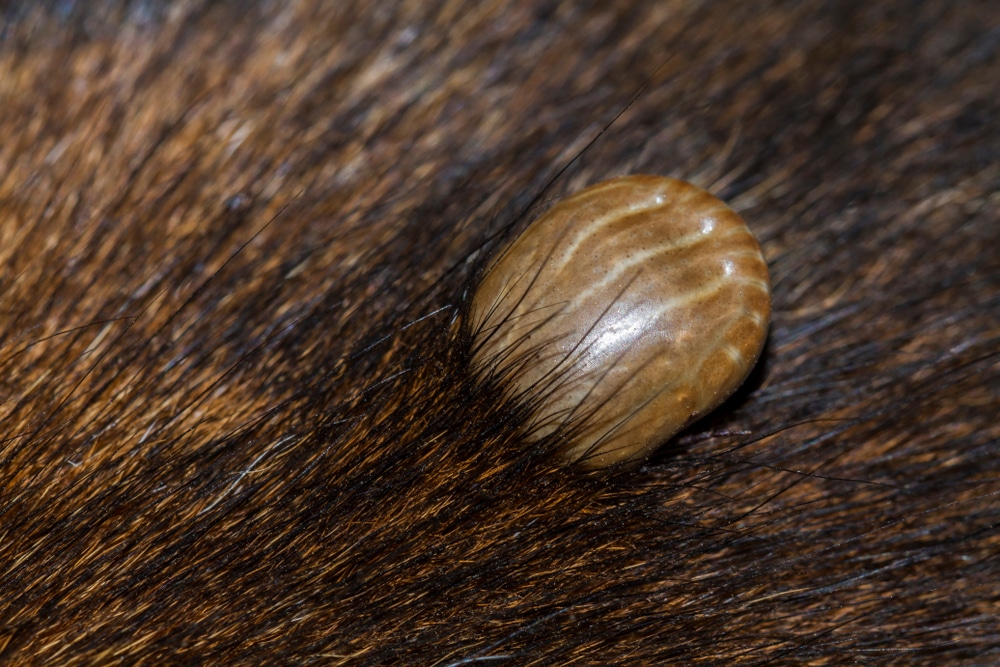
An engorged tick is one of the most frequently misidentified skin growths. Ticks attach firmly, swell as they feed, and, examined closely, have visible legs. Unlike a skin tag, a tick is a live parasite and needs removing correctly to avoid leaving mouthparts in the skin.

fleas and ticks

How to Remove a Tick from Your Dog – Quick & Safe Method!

Cysts

Cysts sit beneath the skin rather than on it. They feel firm or rubbery, smooth and well-defined, and aren’t attached by a stalk. Some rupture or become infected, causing localised swelling, redness, and visible discomfort.

Tumours (Benign or Malignant)

Both benign and malignant tumours can resemble skin tags, particularly early on. Rapid growth, colour or texture changes, bleeding, ulceration, or pain are all reasons to seek veterinary assessment without delay. Appearance alone is never a reliable guide. Only a vet can confirm what you’re dealing with.

lump on dog

When Should You Worry About a Skin Tag on a Dog?

Most sit quietly and cause no trouble at all. Contact your vet if a skin tag:

  • Grows rapidly or changes shape
  • Changes colour, particularly unevenly
  • Becomes hard, painful, or inflamed
  • Bleeds, oozes, or ulcerates
  • Is repeatedly caught, rubbed, or irritated
  • Appears alongside other symptoms such as lethargy or unexplained weight loss

When in doubt, get it checked. Early assessment closes off the possibilities that matter most.

How Do You Get Rid of a Dog’s Skin Tags?

In many cases, you don’t need to. If a skin tag isn’t causing discomfort or complication, a vet will generally recommend monitoring rather than removal.

Don’t attempt removal at home. Cutting, tying off, or applying home remedies risks infection, pain, bleeding, and, most importantly, delays the professional assessment that rules out something more serious.

Where removal is clinically warranted, your vet may use surgical excision, cryotherapy, or laser removal depending on the location and the individual dog. Routine procedures, but the decision rests entirely with the vet.

What Your Dog's Skin Is Actually Telling You

Skin tags are benign. But they’re not meaningless.

A dog with resilient, healthy skin is usually a dog whose immune system is well-regulated, whose gut is in reasonable shape, and whose diet is giving them what they need. The skin is often the first place owners notice that something is off, before bloodwork changes, before behaviour shifts, before anything more obvious appears.

This is why the bowl matters.

Ultra processed, high-carbohydrate diets don’t just affect weight and energy, they affect the skin’s capacity to cope with everyday stress, and the immune system’s capacity to regulate tissue repair. Switching to a species-appropriate raw or fresh diet won’t make an existing skin tag disappear. But it changes the internal environment that determines how the skin ages and how it responds over time.

The nutrients that matter most for skin integrity are:

  • Omega-3 fatty acids
  • Zinc
  • Vitamin E
  • Biotin

Biotin has a well-established role in skin and coat quality in dogs, with clinical research showing meaningful improvements in coat dullness, hair loss, scaly skin, and dermatitis following supplementation. [1] You can read more in this guide to biotin for dogs.

biotin for dogs

Everything You Need To Know About Biotin For Dogs

READ MORE
natural sources of biotin

ProDog’s Shine Coat & Skin Supplement provides selected fatty acids and micronutrients designed to complement a fresh or raw diet and support healthy skin condition over time. For dogs with ongoing or complex skin concerns, this skin health guide looks at the broader picture.

How to Help Prevent Skin Tags on Dogs

Not all skin tags are preventable. But consistent care shifts the odds.

Feed a species-appropriate, nutrient-rich raw dog food diet. Maintain a healthy weight, excess weight increases skin fold friction, one of the most consistent triggers. Use regular grooming as an early warning system rather than just a cosmetic routine. Address sources of chronic irritation; collars, harnesses, repeated contact, before they become entrenched problems.

Think carefully about pharmaceutical use too. Drugs that are genuinely needed should absolutely be used. But repeated courses of antibiotics or long-term use of steroids and anti-inflammatories are worth a conversation with your vet about whether they remain necessary, and what the alternatives might be.

And pay attention to what’s in the bowl. High-carbohydrate, ultra processed diets affect the skin’s capacity to cope and the immune system’s capacity to regulate. That’s one of the most actionable things you can change, and the effects show up across the whole dog, not just on the skin.

Prevention starts with awareness, and awareness is built through consistency.

Final Thoughts

A skin tag is almost always something to watch rather than fear. But the calm that comes from knowing what it is only holds if it’s based on accurate information, which means getting unfamiliar or changing growths properly assessed, keeping a consistent eye on your dog’s skin, and not assuming that a benign appearance means a confirmed diagnosis.

Skin health is a window into overall health. The dogs with the most resilient, comfortable skin tend to be the ones whose owners are paying attention to the whole picture: diet, weight, grooming, vaccination protocol, pharmaceutical use, and routine vet checks. None of it is complicated. Most of it starts with what goes in the bowl.

If something feels off, trust that instinct and get it checked.

Need help with your dog’s diet?

Contact ProDog’s expert team today for FREE tailored canine nutrition advice

Contact Us

FAQs

When should you worry about a skin tag on a dog?

Seek veterinary advice if a skin tag grows rapidly, changes colour or shape, becomes hard, painful, or inflamed, bleeds or oozes, or is repeatedly caught or irritated. Any sudden, unexplained change to a skin growth warrants professional assessment. Confirming what something is costs far less than finding out too late what it wasn’t.

How do I get rid of my dog's skin tags?

Removal should only be carried out by a vet, and only when clinically necessary. Cutting, tying off, or treating a skin tag at home risks infection, pain, excessive bleeding, and delays a diagnosis that could matter. If a tag isn’t causing problems, a vet will usually recommend monitoring rather than intervention.

Why does my dog have skin tags?

A combination of age-related changes, genetics, friction in high-movement areas, and the underlying condition of the skin. They’re more common in older dogs and certain breeds, but the skin’s overall resilience, shaped significantly by diet and immune health, plays a bigger role than most people realise.

Are skin tags on dogs cancerous?

No, skin tags are benign and non-cancerous. But not every growth is a skin tag, which is why anything new or changing should be assessed by a vet. Appearance alone cannot confirm a diagnosis.

Can skin tags fall off on their own?

Sometimes, if the blood supply becomes restricted. Don’t try to encourage the process – interference risks infection and bleeding, however well-intentioned.

Can diet affect skin tags in dogs?

Diet won’t remove an existing skin tag, but it directly influences how healthy and resilient the skin is over time, and how well the immune system regulates tissue repair. Ultra processed, high-carbohydrate diets can create a metabolic environment that makes benign skin changes more likely. A balanced, species-appropriate diet that provides omega-3 fatty acids, zinc, and biotin helps maintain skin integrity and supports the immune function that keeps those changes in check.

Are some dog breeds more prone to skin tags?

Yes. Boxers, English Bulldogs, Poodles, and large and giant breeds appear more predisposed to benign skin growths, particularly with age. Dogs with loose skin or prominent skin folds often develop them in areas subject to friction.

Should skin tags be removed if they're not causing problems?

Generally not. If a skin tag isn’t causing discomfort, irritation, or repeated trauma, most vets will recommend monitoring. The priority is your dog’s comfort and wellbeing, not appearance.

How do I monitor a skin tag at home?

Check it regularly for changes in size, colour, shape, and texture. Photographing it periodically is a practical way to track subtle shifts and gives your vet useful reference material if you do seek advice.

References

  1. Frigg, M., J. Schulze, and L. Völker. 1989. “Clinical Study on the Effect of Biotin on Skin Conditions in Dogs.” Schweizer Archiv für Tierheilkunde 131 (10): 621–625. PMID: 2602924. https://pubmed.ncbi.nlm.nih.gov/2602924/.

0 comments

Leave a Reply

Your email address will not be published. Required fields are marked *