FREE DELIVERY ON RAW DOG FOOD BUNDLES & DOG SUPPLEMENTS to UK Standard Areas

Dog Itchy Skin: Expert Guide to Causes, Relief & Long-Term Support

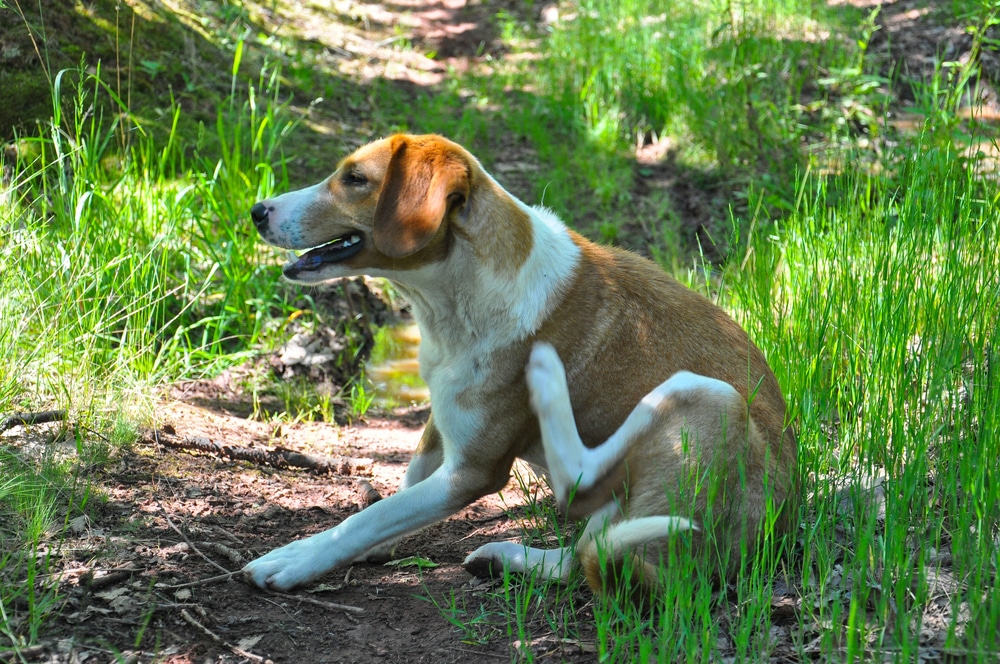
If you’re dealing with dog itchy skin, you’ll know how hard it is to watch your dog constantly scratch, lick, or chew at themselves, especially when there’s no obvious reason why. Many owners feel stuck in a loop of flare-ups, temporary fixes, and unanswered questions. The truth is that persistent itching is rarely random. It’s often your dog’s way of telling you that something isn’t quite right and understanding what’s behind the itch is the first step towards helping them feel more comfortable in their own skin.

Alison Frost, Canine Nutritionist

Author: Alison Frost

Dog Itchy Skin: Expert Guide to Causes, Relief & Long-Term Support

Blog in 60 Seconds

In this guide, you will learn:

  • The most common causes of dog itchy skin, from parasites and environmental allergens to food intolerances and yeast imbalance, and why identifying the root cause matters more than masking the symptom.
  • How the itch cycle works and why chronic scratching is a genuine biological response, not just a habit your dog needs to break.
  • How to use a structured elimination diet to identify food sensitivities without guesswork, and what to look for when reintroducing ingredients.
  • Practical steps you can take right now to support your dog’s skin from the inside out, including how nutrition and gut health play a central role.
  • Which natural remedies and targeted supplements can help support a calmer, more comfortable dog while you work on the longer-term solution.

In my decades of helping dogs and their owners navigate the complexities of health, I’ve learned one thing for certain: while a quick scratch is normal, persistent or intense itching is a sign that your dog’s body is asking you to pay attention.

My approach has always been about more than just masking a symptom; it’s about decoding the message. In this guide, I’m walking you through the common triggers I see most often, showing you how to investigate them methodically, and sharing the practical, biology-first steps that, in my experience, make the most profound difference to a dog’s quality of life.

Dog Itching (Pruritus)

Dog itching is more than just a minor annoyance; it’s one of the loudest messages a dog’s body can send and often, when a dog is itching repeatedly it’s either a sign that the body is under stress, or that they have fleas. It isn’t a standalone problem to be suppressed; it’s an underlying biological distress signal. To truly quiet the itch, we have to stop looking at the skin and start looking at a deeper level, and potential triggers.

Once a dog starts to scratch the cycle often escalates:

  • Scratching releases more histamine
  • Skin becomes inflamed or damaged
  • Licking and chewing introduce bacteria and yeast
  • Secondary infections and hotspots can develop

Research has confirmed that inflammatory molecules directly activate the itch, signalling nerves in a dog’s nervous system, meaning chronic scratching isn’t just a habit, it’s a genuine biological response to what’s happening inside their body. [1}. Dogs also have 10x more histamine receptors than humans, so when the signal to scratch comes, it’s intense.

That’s why identifying the root cause and supporting a healthy immune response will always outweigh simply calming the itch (fleas being the exception), and something we’ll tackle head-on in the next section.

dog itchy skin

Common Reasons for Dog Itchy Skin

1. Parasites (Always Rule This Out First)

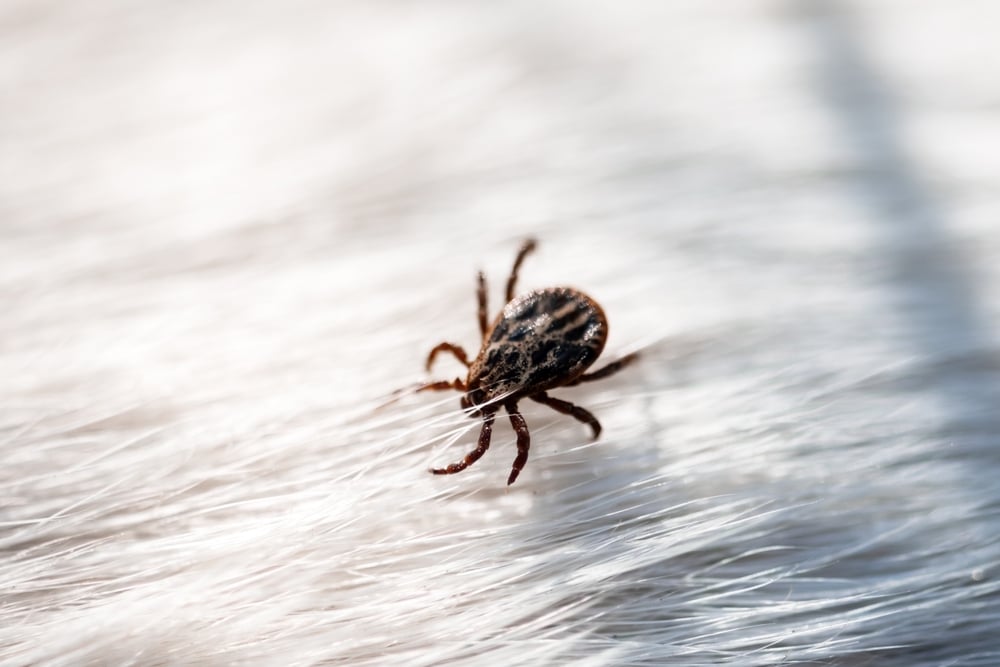
Fleas, ticks, and mites remain the most common causes of a dog’s itchy skin. Even indoor dogs can be affected.

What to check:

  • Flea dirt around the tail base
  • Red, irritated skin patches
  • Sudden intense scratching

If mites are suspected, your vet may recommend further testing. Natural parasite prevention can be useful long-term, but active infestations often require veterinary treatment.

Check out our must-read guides, Natural Flea Prevention for Dogs and Ticks on Dogs, where I break down exactly how to spot fleas and ticks, plus give you top tips for natural parasite prevention.

Dogs itching more than usual can be a sign of a flea infestation.

Natural Flea Prevention for Dogs

READ MORE
ticks on dogs

Ticks On Dogs | Natural Prevention and Expert Advice

READ MORE
ticks on dogs

2. Environmental Allergies

Many dogs experience the world at ground level, which means they are in constant, direct contact with environmental triggers that we often overlook. The odd scratch is nothing to worry about, but when itching becomes a pattern. It may be the body flagging that something in its environment has tipped the balance.

Common Environmental Triggers:

  • The Outdoors: Grass, weeds, and seasonal pollens.
  • The Home: Dust mites, mould spores, and household chemicals, including air fresheners, floor cleaners and laundry detergents used to wash a dog’s bedding.
  • The Elements: Rapid shifts in temperature and humidity that stress the skin barrier.

What this looks like: These sensitivities rarely stay quiet. You’ll likely see persistent licking or chewing of the paws, a red and inflamed underside, or even weepy eyes and sneezing. Because a dog’s nervous system is uniquely “hypersensitised” to these triggers, what starts as a mild irritation quickly becomes an uncontrollable biological reflex to scratch.

Environmental allergies are among the most common causes of chronic itching in dogs. Canine atopic dermatitis, triggered by allergens such as pollen, dust mites, and mould, is one of the most frequent reasons dogs visit the vet for skin problems, and researchers believe its prevalence is increasing alongside similar trends seen in humans [2].

Whether symptoms follow a seasonal pattern or persist year-round, these allergens keep the immune system in a constant state of alert. To quiet the alarm, we have to look past the surface and support their health from the inside out.

3. Skin Condition: Decoding the Flakes

There are two distinct types of coat issues in dogs that can significantly increase itching.

Double-coated breeds can “blow” their coats twice a year, shedding large volumes of undercoat which can be itchy. Others may have matted or knotted coats, doodles being a prime example, trapping dead hair close to the skin, creating friction, reduced airflow, and discomfort. Both situations can significantly increase itching and irritation, so keeping on top of brushing and grooming is important.

While external factors such as central heating or seasonal shifts can strip moisture from the skin and coat, a resilient dog should have the internal resources to adapt to these changes without excessive irritation.

True skin resilience is built in the bowl. Unlike processed foods that fuel inflammation with starchy fillers, a raw, species-appropriate diet provides the unprocessed fats and Omega-3s that act as the “mortar” between skin cells. By returning to biology, you aren’t just masking the flakes, you’re reinforcing the barrier from the inside out.

Learn more about dog skin health in our guide.

Expert Insight: Our vet expert, Dr. Nick Thompson, explains why transitioning to raw is often the “missing link” for dogs struggling with persistent skin irritation.

Dr. Nick Thompson answers the question – Itchy Dogs – My dog has atopy, will feeding raw help?

4. Food Intolerances (The Hidden Trigger)

True adverse food reactions are actually quite rare in the general population, affecting as few as 1–2% of dogs. However, for dogs already struggling with itchy skin or digestive issues, that number climbs significantly [3]. Far more commonly seen are food intolerances or sensitivities, which do not involve the immune system in the same way. These can develop gradually over time, often after prolonged and repeated exposure to ingredients the individual dog struggles to process, with clinical signs sometimes taking years to appear.

The Red Flags:

  • Persistent Itching: Often focused on the paws, ears, and rear.
  • Digestive “Noise”: Bloating, loose stools, or excessive gas.
  • Chronic Ear Issues: Recurring “waxy” or red ears that never seem to clear.
  • Tear Staining: A sign of internal inflammation showing on the outside.

Why what’s in the bowl is often to blame: Ultra-processed diets are frequently loaded with starch, grains, and synthetic “fillers” that a dog’s digestive system isn’t designed to handle. . Repeated exposure to the same protein sources, particularly those that are heavily processed or fed without variety, may contribute to sensitisation over time, increasing the likelihood of a hypersensitivity response in some dogs. This processing can alter the protein structure, causing the immune system to treat the food as an invader.

This is why many owners find that “calming” the skin only works temporarily. To find a permanent solution, I often recommend a dog elimination diet—removing the chaos of processed ingredients and returning to clean, whole-food nutrition.

paw licking

5. Yeast Imbalance (The Sugar and fat Connection)

If your dog has a persistent “musty” smell or can’t stop licking their paws, you’re likely dealing with a yeast imbalance. Yeast isn’t a standalone invader; it’s an opportunist that thrives when the body’s natural defences are down.

The Red Flags:

  • The Smell: A distinct, “cheesy” or musty odour.
  • The Staining: Rusty-coloured fur between the toes or in skin folds.
  • The Itch: Intense licking of the paws and ears.
  • The Hair Loss: Combined with darkened and ‘elephant-looking’ skin

Why the Bowl Matters: Yeast loves sugar and fat. Many ultra-processed diets are packed with hidden starches and high-glycaemic carbohydrates that fuel yeast from the inside out. When we feed a biologically inappropriate diet, we are essentially “inviting” yeast to dinner.

By moving away from starch-heavy “biscuits” and dry dog food, toward species-appropriate, low-glycaemic , and lower fat raw food, we starve the yeast and support the gut—the true HQ of your dog’s immune system.

itchy dog

6. Pain or Injury (The Hidden Distress Signal)

Dogs are masters at masking discomfort; it’s a survival instinct. When a dog licks or chews one specific spot repeatedly, they often aren’t “itching”,—they are self-soothing.

What to look for:

  • Localised Focus: If the licking is strictly limited to one joint or a specific area of the back.
  • The “Lick Granuloma”: Thickened, hairless skin caused by obsessive licking.
  • Referred Pain: A dog may lick their front paw because of a pinch or tension in their neck or shoulder.

If the behaviour is persistent and localised, it’s a clear message that something is wrong beneath the surface. A veterinary assessment is essential to rule out muscular tension, nerve discomfort, or injury.

7. Hormonal or Health Conditions

Sometimes, an itch is a symptom of a deeper internal imbalance. Endocrine conditions such as Hypothyroidism or Cushing’s disease can compromise the skin’s natural barrier. When this barrier is weakened, the skin becomes dry, thin, and prone to secondary infections that trigger an intense urge to scratch.

The “Redline” Signs: Alongside itching, you might notice changes in thirst, weight, or coat quality (such as thinning fur on the flanks).

At ProDog, we believe in looking at the whole dog. If your gut feeling says the itch is more than just a surface issue, blood testing is a vital tool to rule these conditions in or out, allowing you to provide the specific support your dog’s body needs.


Need help with your dog’s diet?

Contact ProDog’s expert team today for FREE tailored canine nutrition advice

Contact Us

How to Support an Itchy Dog (Practical Steps)

1. Speak to Your Vet

Always rule out parasites, infections, and underlying conditions first. Temporary relief (such as medicated shampoos) may be recommended while investigations continue.

2. Review What’s in the Bowl

Nutrition plays a foundational role in skin health.

Many dogs struggling with itchy skin benefit from:

  • Removing ultra-processed foods
  • Reducing starch and fillers
  • Supporting gut health

This is often where owners explore fresh, species-appropriate diets or a structured elimination approach.

What Is an Elimination Diet for Dogs?

An elimination diet is a structured “reset” for your dog’s system. It identifies food sensitivities and what food to avoid for dog with skin allergies by stripping the diet back to a single, novel protein source—effectively removing the “immune noise” caused by complex, processed ingredients.

By temporarily simplifying the bowl to a biological baseline, you allow the body to calm down. Ingredients are then reintroduced methodically, one by one. This process replaces guesswork with data, pinpointing exactly which foods fuel your dog’s vitality and which trigger distress.

How to Use an Elimination Diet to Identify Triggers

Step-by-step approach:

  1. Choose a simple diet using a single novel protein
  2. Remove all other foods, treats, and chews
  3. Feed consistently for 4–8 weeks
  4. Monitor skin, digestion, ears, and behaviour
  5. Reintroduce ingredients one at a time

This process helps identify patterns without guesswork.
Learn more about using a dog elimination diet as part of a structured plan.

dog elimination diet

Dog Elimination Diets: Helping Dogs Overcome Adverse Food Reactions

READ MORE
raw food diet

Remedies That Can Help Support Dog Itchy Skin

Gentle Topical Support

  • Calendula and green tea soaks (anti-inflammatory properties)
  • Aloe vera and witch hazel
  • Natural, dog-safe shampoos

Gut & Skin Support

Natural dietary supplements can be a key component to tackling allergies and intolerances right at the source: your dog’s gut.

Dog gut health is key to overall wellbeing, and imbalances often trigger excessive itching. In fact, aside from parasites, many causes of itchiness stem from gut issues.

ProDog’s itchy dog supplement; Protect and our dog Colostrum supplements are top choices for boosting gut health and soothing a dog’s itchy skin, while our dog gut health supplement; Digest is expertly crafted to support digestive function including helping common issues like dog constipation and diarrhoea.

Dr. Katie Woodley offers great insights on helping itchy dogs in her article How to Heal Your Dog’s Itchy Skin Through Natural Remedies, where she shares Finlay’s journey from extreme skin issues to recovery using natural solutions.

dog gut health supplement

Management Measures

While addressing the cause:

  • Prevent excessive licking or chewing with a dog body suit
  • Reduce exposure to known triggers if possible
  • Keep skin clean and dry
  • Use protective collars or vests if needed

Vet insights

Discover more about why dogs itch and how to help them from Dr Nick Thompson, The Holistic Vet.

Dr Nick talks us through what makes dogs itch and what you can do to help your dog.

Final Thoughts

In my years working with dogs and their owners, one thing is consistent: dog itchy skin is rarely random. It’s a signal worth listening to.

Helping an itchy dog doesn’t happen with quick fixes. It takes curiosity, patience, and informed choices. When you focus on what your dog needs long-term, many owners are surprised by how much changes.

If you’re unsure where to start, our nutrition team is always here to help guide you. Tell us about your dog and we’ll help you build a plan that works for them — not just for now, but for the long term.

FAQs

How do you treat dog itchy skin?

There isn’t a one-size-fits-all answer, because itching is a symptom, not a diagnosis. The most effective approach is to try and identify what’s triggering the itch and support the body accordingly.

How can I find out what is making my dog itch?

The most reliable way is to work methodically.

Start by ruling out parasites and infections with your vet. Once those are excluded, look at patterns such as when the itching started, or if it worsens at specific times of the year.

If food sensitivities are suspected, a structured elimination diet can be a useful tool. By simplifying the diet and reintroducing ingredients gradually, many owners are able to identify which foods don’t suit their dog, without guesswork or unnecessary restriction.

Why is my dog itching but doesn’t have fleas?

Fleas are only one possible trigger. Dogs can itch due to environmental allergens like pollen or grass, reactions to certain foods, yeast imbalance, hormonal changes, or even pain or discomfort elsewhere in the body.

It’s also common for itching to persist after a previous flea issue has resolved, as the skin barrier takes time to settle. If itching continues despite no visible parasites, it’s a sign that something else needs investigating.

Can food really cause itchy skin in dogs?

Yes, but not always in the way people expect. True food allergies are rare. What I see far more often are food intolerances or sensitivities that develop over time.

Highly processed diets, high starch content, and repeated exposure to the same proteins can contribute to inflammation that shows up on the skin. Symptoms aren’t always immediate, which is why food sensitivities can be difficult to pinpoint without a structured approach like an elimination diet.

How long does it take for itchy skin to improve?

That depends on the cause and how long the issue has been present. Some dogs experience noticeable improvement within a few weeks once the trigger is removed. For others, especially where skin and gut health have been compromised over time, progress can be more gradual.

Skin renewal takes time. Supporting the body consistently and patiently is often more effective than chasing quick fixes.

Are supplements helpful for itchy dogs?

Supplements can be helpful when used appropriately and as part of a broader plan. Ingredients that support gut health, skin barrier function, and overall nutritional balance may help the body cope better with triggers.

That said, supplements aren’t a substitute for addressing the root cause. If a dog is reacting to something in their diet or environment, adding supplements alone won’t resolve the issue.

Should I bathe my itchy dog more often?

Bathing can help remove environmental allergens and soothe irritated skin, but over-bathing can strip natural oils and make dryness worse.

If bathing is needed, use gentle, dog-specific formulations and focus on frequency rather than intensity. Drying thoroughly is just as important, especially for dogs prone to yeast overgrowth or skin fold irritation.

When should I see the vet about itchy skin?

If itching is persistent, worsening, localised to one area, or accompanied by other symptoms such as hair loss, changes in appetite, or lethargy, veterinary input is essential.

Even when nutrition and lifestyle play a role, veterinary checks help rule out infections, parasites, and underlying health conditions so you can move forward with confidence.

References

  1. Wheeler, J. J., Lascelles, B. D., Olivry, T., & Mishra, S. K. (2019). Itch-associated neuropeptides and their receptor expression in dog dorsal root ganglia and spinal cord. Acta Dermato-Venereologica, 99(12), 1131–1135. Doi: 10.2340/00015555-3297 
  2. Hillier, A. and Griffin, C.E. (2001). “The ACVD task force on canine atopic dermatitis (I): incidence and prevalence.” Veterinary Immunology and Immunopathology, 81(3–4), pp.147–151. Doi: 10.1016/S0165-2427(01)00296-3
  3. Olivry, Thierry, and Ralf S. Mueller. “Critically Appraised Topic on Adverse Food Reactions of Companion Animals (3): Prevalence of Cutaneous Adverse Food Reactions in Dogs and Cats.” BMC Veterinary Research 13 (2017). Doi: 10.1186/s12917-017-0973-z. 


0 comments

Leave a Reply

Your email address will not be published. Required fields are marked *