Confirmed bite sites
If you’re suspicious of fleas and decide to examine your dog, you may see some actual bites. These will likely be red and look a bit like pimples and will most easily be found around the groin or in areas with less hair than the rest of the body.
Inspecting your dog
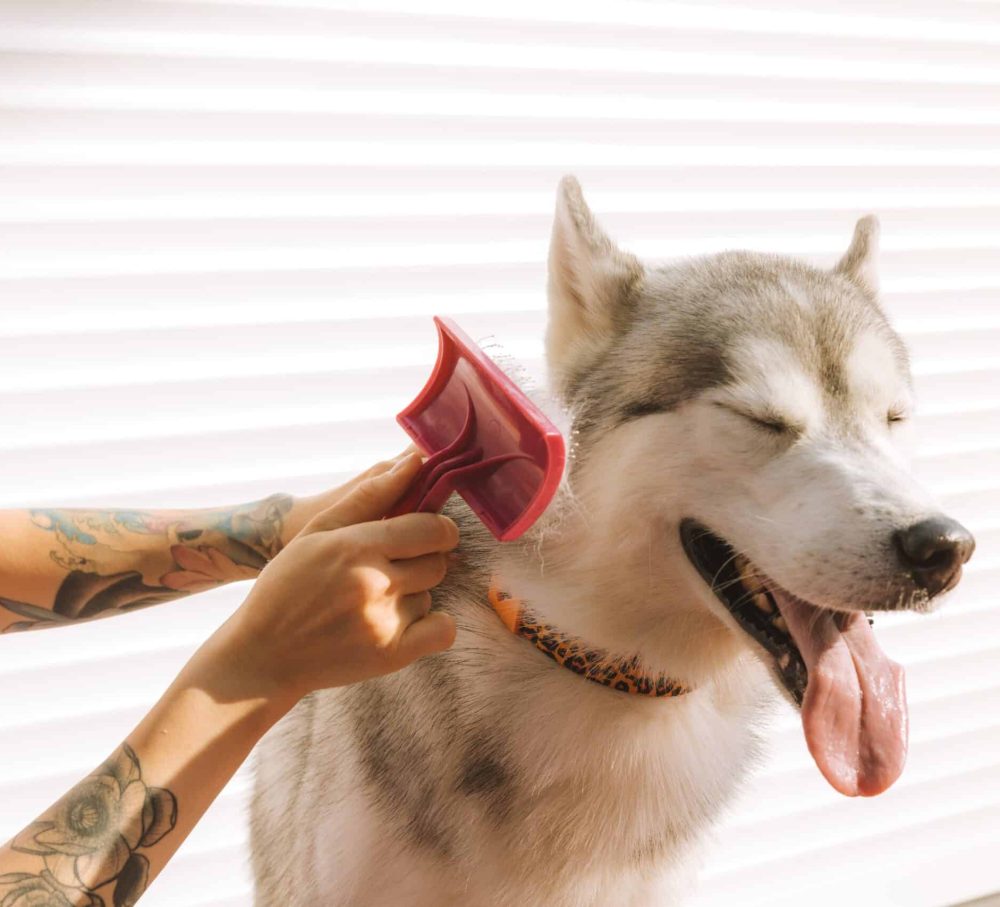
Parting your dog’s fur with a brush or comb will provide easier access to their skin, allowing you to investigate more effectively. Better yet, a flea comb will collect any loose flea dirt, which you can wipe on a wet paper towel to confirm it’s not ordinary dirt (flea dirt turns red when exposed to moisture).
WHAT TO DO IF YOU FIND FLEAS ON YOUR DOG
Combing your dog with a flea comb dipped in a natural, dog-safe oil (such as olive or coconut) will help trap any fleas, which you can drown in a bowl of soapy water. Be prepared before you start, though, as they’ll likely start trying to escape!
Bathe your dog with natural flea shampoo
Natural flea shampoos are made with canine-safe, non-toxic ingredients that naturally repel and/or kill fleas. When bathing your dog, leave the lather on for at least five minutes, allowing the shampoo to have maximum effect. Pay special attention to the areas that fleas love the most, such as the armpits, groin area, the base of the tail, etc. After rinsing well, an apple cider vinegar rinse can provide additional protection for your dog. Dilute it to about 2:10 ACV and water, and rinse your dog with it before drying them off.
Clean the (whole) house
Cleaning the house when fleas are present is just as important as bathing your dog, as the fleas will still live, breed, and feed if left in the environment. Bedding, clothing, upholstered furniture, and carpets/rugs are perfect hiding places for fleas. Vacuuming and washing these fabrics/surfaces regularly helps to deter new flea life cycles from the beginning.
And don’t forget the car – if your dog’s a regular travel buddy, fleas could be hitching a ride!
Extreme hoovering
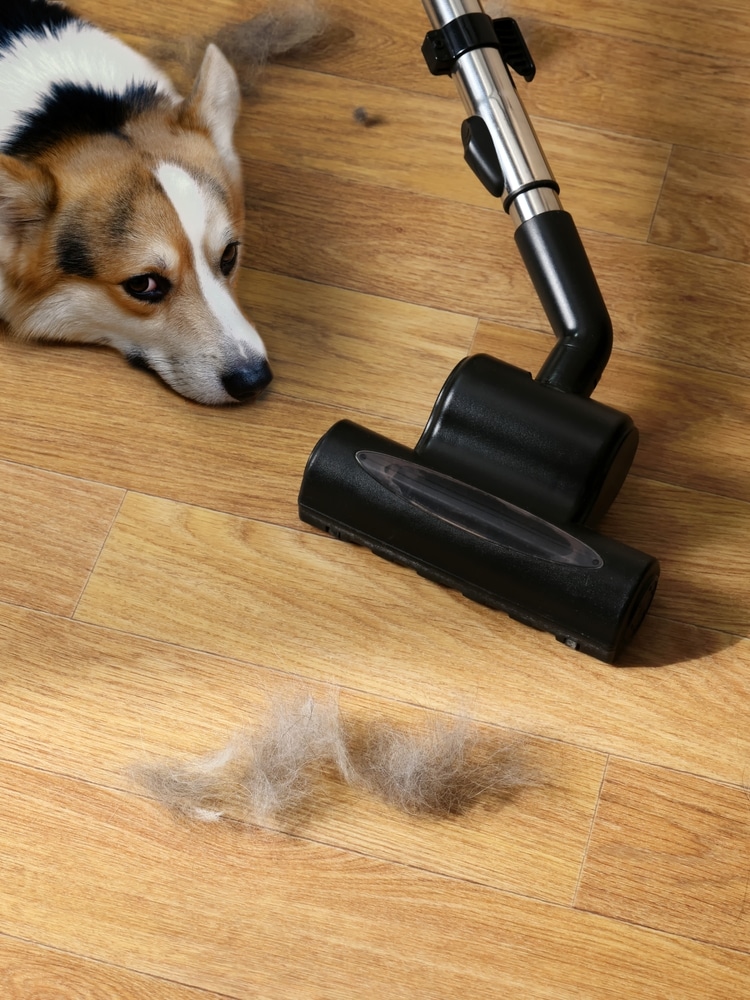
I’ve already mentioned how important it is to vacuum, but additional steps after hoovering will help to prevent a re-infestation. Hoovering collects adult fleas, larvae, and eggs, so it’s essential to dispose of them to banish them from your home permanently. Emptying the vacuum bag/canister in an outside receptacle will help with this, as will spraying the inside of the container with a natural flea spray when possible.
Top tip: If you can find a natural, dog-friendly flea sprays such as ‘Cedarcide’, use this in areas where your dog spends a lot of time.
Side note:
I don’t recommend using chemical flea control methods as a general rule, but it’s sometimes necessary for extreme infestations. Natural flea remedies are wonderful for preventing and perhaps eliminating a small infestation, but the chemical route is sometimes the only option.
In these cases, we can help; our team of expert advisors can recommend natural supplements to help detox your dog following the use of chemicals and provide recommendations on which natural flea prevention methods to use once the infestation is eliminated.












0 comments