
FREE DELIVERY ON RAW DOG FOOD BUNDLES & DOG SUPPLEMENTS to UK Standard Areas

Anal Glands & Raw Food

Anal glands. Dogs have them. We don’t. So what are they for? Why do they cause so many issues, and what can we do to support healthy function? Most importantly, can a raw food diet make a difference? Let’s break it down.

Anal Glands & Raw Food

Blog In 60 Seconds

In this article, you will learn:

  • What anal glands are and the important role they play in your dog’s communication and digestive health.
  • Why anal gland problems happen, including common causes like soft stools, poor diet, or inflammation.
  • The signs your dog may be struggling with their anal glands — such as scooting, licking, or a strong odour.
  • How diet impacts anal gland health, and why firmer, natural stools help them empty properly.
  • What you can do to support your dog, from dietary changes to knowing when it’s time to get vet help.

What are anal glands?

Anal glands are two small pouches of watery to sticky material that exists just inside the anus of all dogs. They sit at 4 o’clock and 8 o’clock on the anus of the dog, if you visualise a clock, as you look from behind, under the skin and below the last inch of the rectum.

In a Chihuahua, they are about the size of a frozen pea. In a Dane, they’ll be the size of a small plum. Anal glands are modified sweat glands – which also ooze stuff onto the skin: sweat.

What do anal glands in dogs do?

Anal glands in dogs are used in the complex scent communication life of a dog. A dog’s stool in itself tells a sniffing friend a lot about the dog – what they’ve eaten, how healthy they are and how recently they deposited their business, usually marking out territory.
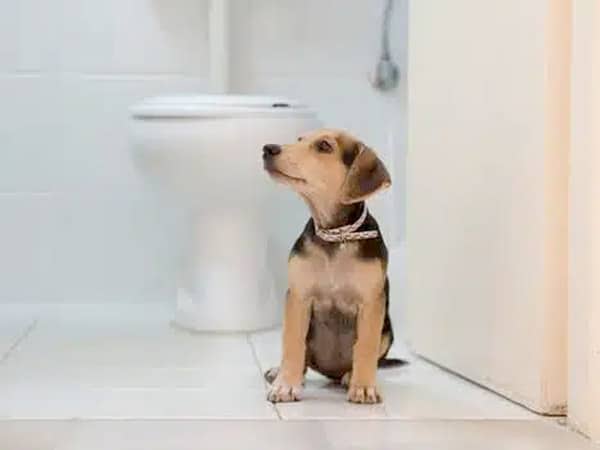
Dog Poo: Unveiling the Clues into Canine Health

READ MORE

In addition, the anal glands put a smear of anal gland material, juice, stuff on the stool which gives more information about the previous owner of the stool – individual identifiers, like a finger-print, pheromones to indicate if bitches are in season or how mature a male is or, again, how healthy they are and therefore how much of a threat they may represent.

I always describe anal gland material in dogs is like a man wearing a fancy or whacky tie, or a woman a discreet brooch or flamboyant scarf – it’s all to do with communicating who you are and what you may be able to do. Maybe you could call it the start of the advertising industry? It’s still (advertising that is) a pretty mucky business to this day!
What problems can occur?

In prehistoric times, when dogs ate a species-appropriate diet of rabbits, mice, antelopes, sheep poo, a few berries and whatever carcases they could scrounge, their stools were mainly small, hard, bony and crumbly.

As these ancient chalky stools passed the ancient anal ring, they would cause the glands to be squeezed, depositing a small blob of goo on each stool – to tell the world what it needed to know about the poo-er.

It was a self-regulating system – when the dog passed a stool, some material was squeezed out every day or so. Simple.

Nowadays, we get problems mainly because of inconsistent stools. The anal gland system is based on regular gentle squeezing by good firm poos.

Irregular stool consistency, as we often see in our processed food fed dogs, means irregular self-squeezing of the glands. Irregular squeezing means build-up of anal gland material, potential infections, complication and pain.

What is kibble featured image (1) dog lying on wooden floor surrounded by kibble

What Is Kibble Dog Food?

READ MORE
anal glands in dogs

Scooting

The most common sign of anal gland discomfort is scooting on their backsides. Some people call it sledging or bum-shuffling. I think you know what I mean.

I’ve also seen dogs with anal gland problems chew anywhere from their tail base to their hind toes. I know it’s this because once you fix the glands, the chewing stops. Some folk will tell you scooting is due to worms. This is rarely the case.

How to help your dog's anal glands

You can help your dog immensely by changing to a nutritious and variable diet that gives consistent stool quality. In my book, this is raw food, all the way. Read our beginner’s guide to raw dog food.

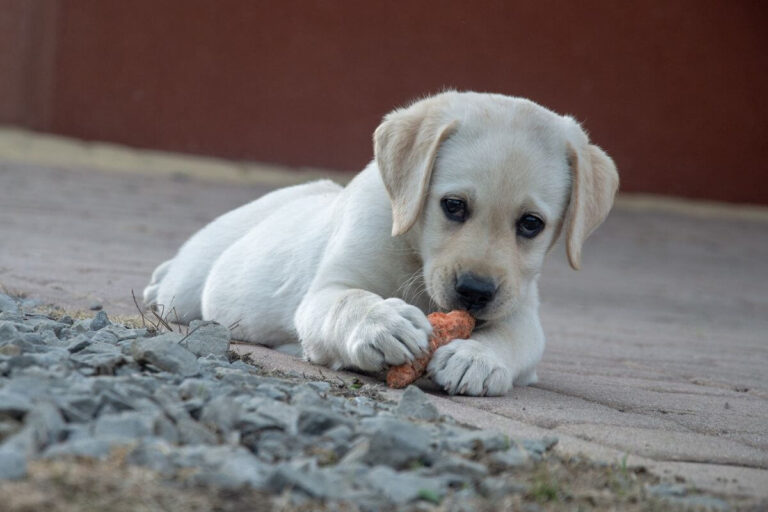
our raw dog food for beginners guide white puppy eating a carrot (1)

“Raw Dog Food for Beginners” Raw Feeding Guide

READ MORE

My reasoning is we’re just going back to the original model – raw, species-appropriate food into the dog, good stools out. Change that equilibrium with junk food, junk treats, ultra-processed diets and inferior quality’ pet food’, and this is a likely result. Find out more about raw vs kibble.

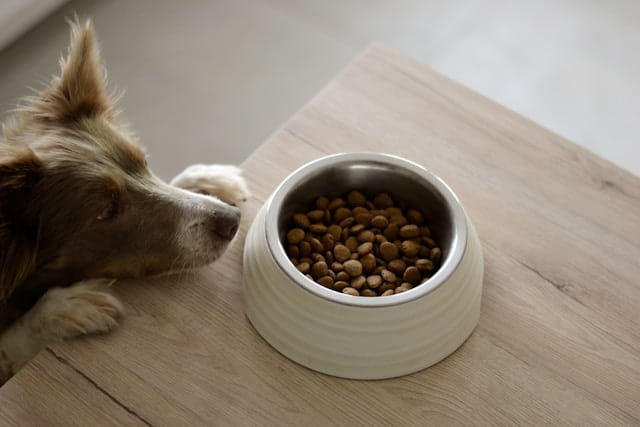
Dog resting on table looking at kibble dinner

The Kibble Vs Raw Dog Food No-Nonsense Guide

READ MORE

So talk to a quality raw food supplier and change your dog to raw. It’s as simple as that. We usually see this easy and delicious change making all the difference: GIGO – garbage in, garbage out, HIHO – health in, health out!

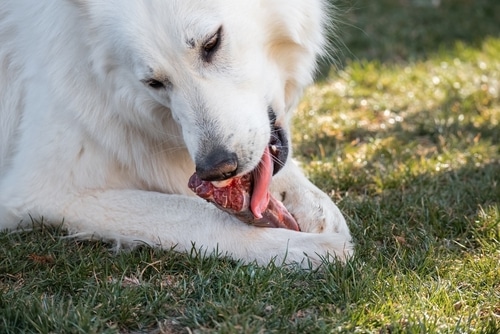
dog eating raw diet

Persistent problems?

Some dog’s anal glands have been such an issue for so long that the anal gland may have been damaged, permanently inflamed, or the microbiome disrupted, so called ‘dysbiosis’.

Your vet can investigate to tell you if there is damage. In this case, unfortunately, surgey may be necessary. Persistent infection, inflammation and dysbiosis can sometimes be addressed by flushing the glands or putting an anti-inflammatory/antibiotic solution into the glands.

In my practice, if the dog will stand for 2-3 minutes, it’s often possible to instil Canaural solution (yep, the greasy stuff for ears!) into each gland in the consulting room. This simple intervention, often carried out on the conscious dog, can, at one go, block inflammation, kill persistent bad bugs and then give the good bugs a chance to take over again. Talk to your vet about this if your dog has anything but the mildest of problems.

Ancient Diet Fixes Modern Problem

If your dog scoots any more than once or twice a year, then get their anal glands checked at the vet when they do. If the problem persists, please please consider a raw food diet to consistently firm up the stools with a rotation of balanced meals providing full and broad nutrition.

The bone content of the diet is key to producing a firm stool. The raw food diet’s healing effect on an inflamed or even IBD gut to allow firm, normal stools is a sight for sore eyes.

You heard it hear first – heal those anal glands with a raw food diet. Do it today. Not convinced by raw? Read our raw dog food myths now.

raw dog food myths featured image

Raw Dog Food Myths & Resources

READ MORE

Need help with your dog’s diet?

Contact ProDog’s expert team today for FREE tailored canine nutrition advice

Contact Us

5 comments

Lal Farrell

I feed my two Golden Retrievers (Mum and daughter) on a raw diet, bought from a butcher and mainly containing organic chicken carcasses with other meats added. They also have non weight bearing bones weekly. The Mum does well on this but her daughter has anal gland problems, leaking and scooting on her bottom. My vet advised adding bran to her diet but this hasn’t helped at all. What can you suggest I do?

marketing

Hi there

If you were going to add anything, we would recommend leafy green vegetables and fruits. Our complete meals contain a balance of raw meat and seasonal fruit and veggies. That fibrous element could be what is missing but we would choose a more natural solution and not bran. Take a look at ingredients to supercharge your dogs diet – https://www.prodograw.com/nutrition/ingredients-to-supercharge-your-dogs-raw-food-diet/

Kind Regards
Team ProDog

John

Our cockapoo bitch is 1 year old and she eats raw food Bella and duke. She is still dragging herself across the floor and licking her red raw rectum. Is there anything else it could be ? Other full happy healthy dog.

Deborah Jervis

11 month Cavalier on raw diet since post weaning to 5 months old, then wet/kibble untill about 8 months old, now back on raw since then. About a month after going back to raw he screamed the place down, vomited etc vet said glands were full. Then a couple of months later (11 month old) same again. Now just 2 weeks later he has been in the garden just now screaming while trying to poop!! He has always had good poop no matter what his diet, if anything I feel it is too hard and dry on raw. Could it be that he is just not suited to it? Many thanks

ProDog

Hi Deborah
sorry to hear that, it maybe that he needs a couple of tweaks in his diet. If you can email into [email protected], our in-house nutritionist can advise you

Leave a Reply

Your email address will not be published. Required fields are marked *