Introduce Bones Slowly – for a dog’s digestive system to cope with bones, the pH levels in the stomach need to below pH 2 (very acid!). An acidic environment is required to soften and dissolve bones.
Dogs have evolved to have low pH levels naturally. Most processed dog food and kibble are believed to upset this perfect balance and alkalise the system meaning that the dog’s digestive system is not as well equipped to cope with bone.
A raw meat diet is recommended to help encourage good pH levels in the stomach and support your canine pal’s system to return to the way nature intended.. This type of diet will also promote the necessary digestive enzymes and induce a better gut microbiome.
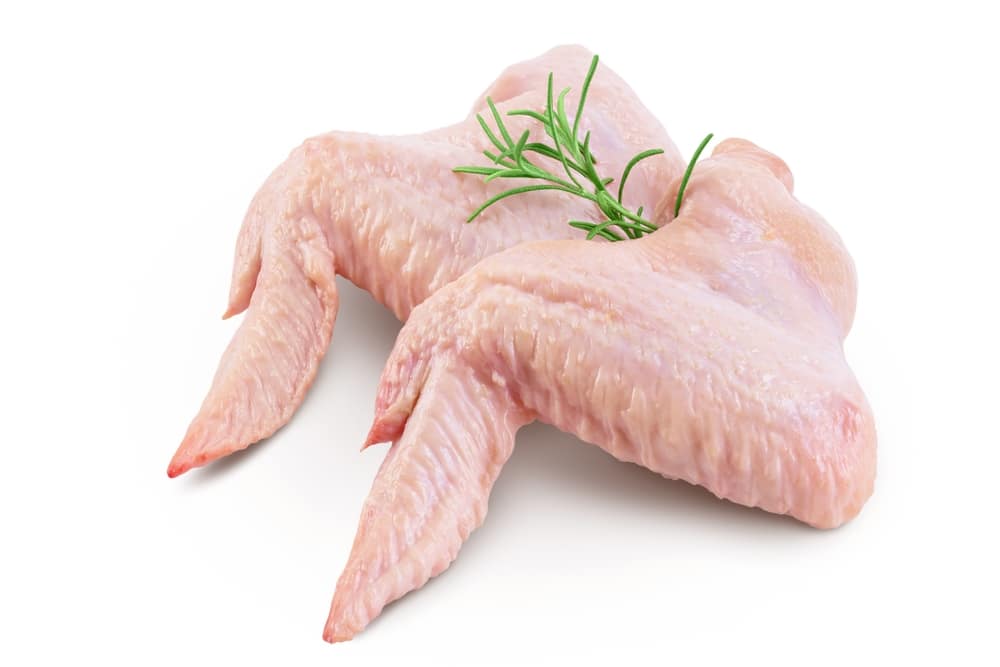
If a dog is moved from a soft raw diet, tins or kibble quickly onto brittle bones (e.g. marrow or other big leg bones), problems with tooth damage, swallowing large bony lumps or gut perforation are more likely to arise. Never cut bones, necks or chicken wings. Feed whole to allow your dog to chomp into pieces they are best able to swallow and digest.
If you are transitioning your dog from processed foods/kibble, bone broths are incredibly supportive to gut health during this time (and beyond!). You can find out more on our bone broth page.
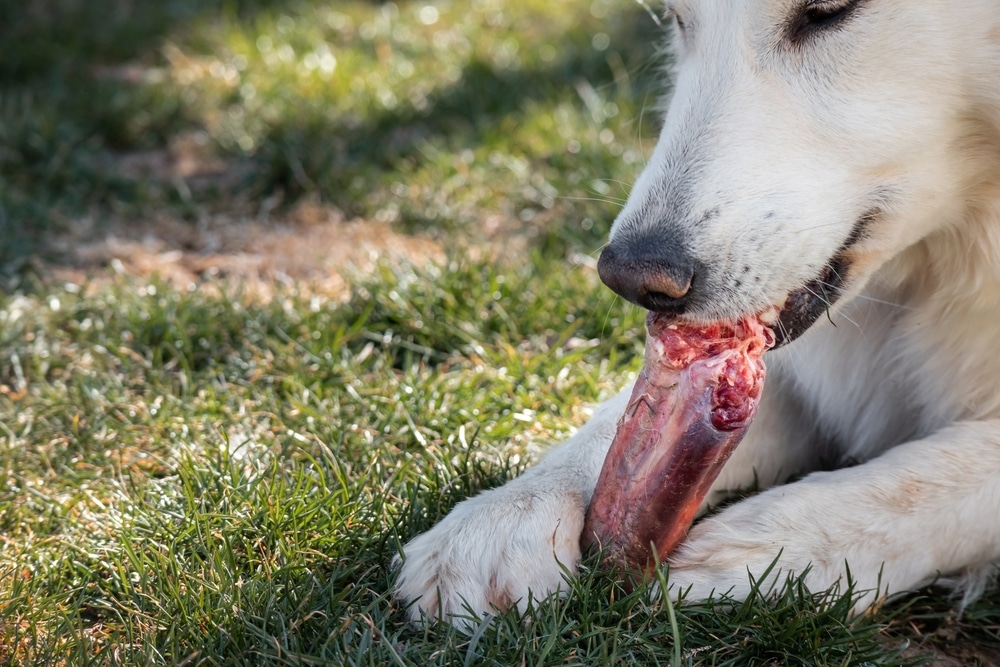
Once your dog has been on raw food that includes ground bone content for a month or so, you can begin to introduce recreational bones and chewing treats.
Start with softer chewing material such as beef/lamb trachea, pizzle sticks, lamb ‘spaghetti’ or dried meat/fish chews. All chews should be without preservative, colourants or any other additives.
ProDog healthy treats and chews offer a great deal of variety and are all highly nutritious.
After a month or so on these, move up to a softer bone by observing the ‘Graduating Scale of Bones’, i.e start with those bones at the soft end of the scale and progress from there.









If my dog swallows large chunks of bone, will it dissolve in her stomach or could it cause a blockage. She swallowed a rubber ball once & fortunately the vet was able to induce vomiting & it came back out. But I’m naturally worried incase pieces of bone could damage her insides. She is fed a completely raw diet including raw veg & safe fruits.
It is best to avoid them swallowing large chunks of bone. The bone in our food is ground down to a minced consistency so there is no danger of this. Just be careful with things like chicken wings if she is prone to swallowing things whole. The digestive system should digest the bone though – you don’t want her to swallow large pieces though. Their teeth are designed to crunch bone so she should have a good chew if it’s tasty.
Kind Regards
Team ProDog
My malinois pup goes mad for raw chicken. Is she OK to eat chicken feet? She’s only 12 weeks old and they may be very beneficial when it comes to her training. Thanks, Sue
Hi Sue
Chicken feet are a great addition for chewing and gnawing for puppies, and full of chondroitin and glucosamine for bone and tissue development. As with any treat/ chew always supervise.
If I want to make my own bone meal from chicken bones… how much should I add to the diet? I make batches of homemade diet for a week and store in the freezer.. would the bone material harden because of moisture content?
I bought 2 large bones for my golden retriever from a pet store. Can I freeze one for later?
Yes you can , just ensure they are raw bones, and not cooked/ smoked
Is it true that feeding raw bones to your pet can actually help clean their teeth and improve their dental health, or is this just a common myth?
Hi yes, raw bones are great for helping to keep teeth clean
Big to you thanks for the necessary information.
Thank you so very much for all this valuable information! I had no idea how ignorant I was!
So glad that you found the blog informative Julie, if you eber have any questions, please let us know