Fallen Fruits & Berries
Not all autumn berries are as innocent as they look. As the season unfolds and trees, bushes and hedgerows begin to shed their fruit, it can feel like a natural playground for curious dogs. Brightly coloured berries and fallen fruit often catch a dog’s eye (and nose), but many of these seasonal treats can hide some very real dangers.
Certain plants are particularly toxic. Deadly Nightshade, with its dark, glossy berries, can cause severe illness if ingested. Cuckoo Pint, also known as Lords-and-Ladies, produces red berries that are especially tempting to dogs but highly poisonous. Mistletoe, often associated with festive decorations later in the year, can also be toxic when encountered outdoors. All three are most commonly found in woodland or shaded areas, meaning even a relaxed countryside walk can present hidden hazards.
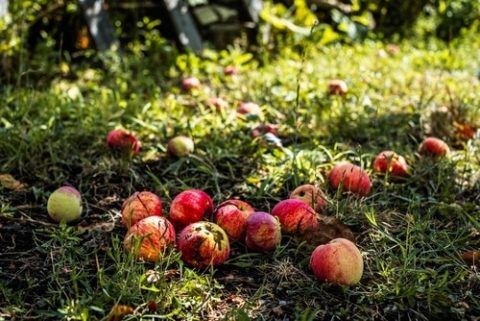
It isn’t just wild plants that are a concern. Fallen fruit from apple, pear, or plum trees can create problems once it begins to decay. As fruit ferments, it produces alcohol, and ingestion can lead to alcohol poisoning in dogs. Mouldy fruit can cause stomach upsets, vomiting, diarrhoea, or more serious health issues depending on the amount consumed. Even fruits that are safe when fresh can become risky once they start to rot.
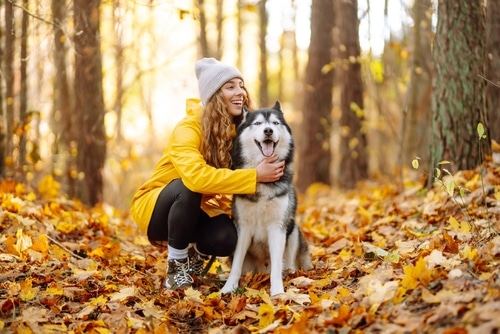
The challenge for pet owners is that dogs explore the world with their mouths. A quick sniff and a bite can happen in seconds, especially when something looks unusual or smells sweet. That’s why vigilance on walks is so important during autumn. Where possible, keep your dog on a lead in areas where berries are plentiful, and clear fallen fruit promptly if you have trees in your garden.











0 comments