
FREE DELIVERY ON RAW DOG FOOD BUNDLES & DOG SUPPLEMENTS to UK Standard Areas

Everything You Need To Know About Vitamin B12 For Dogs

What if your dog’s low energy isn’t laziness, it’s a quiet cry for Vitamin B12? We’re quick to blame age, breed, or the weather when our dogs slow down. But sometimes, the real story is happening deep inside. Where B12 fuels focus, strength, and vitality from the cellular level up. Most dog owners never think about it… until the signs start showing.

Alison Frost, Canine Nutritionist

Author: Alison Frost

Everything You Need To Know About Vitamin B12 For Dogs

Blog in 60 Seconds

In this guide, you will learn:

  • The Energy Engine: Why Vitamin B12 for dogs is crucial for maintaining your dog’s nervous system, brain function, and red blood cell production.
  • Spotting the Signs: How to identify the symptoms of a b12 deficiency in dogs, from sudden lethargy to digestive upset.
  • The Absorption Secret: Why a healthy gut is the “gatekeeper” for B12 and how certain breeds face unique challenges.
  • Natural Food Sources: The best whole-food options, including the benefits of raw pork dog food and organ meats.
  • Safety and Correct Intake: Why B12 is one of the safest nutrients to supplement and how to ensure your dog is getting the optimal amount.

In my years of experience in canine nutrition, I’ve seen first-hand how the smallest dietary elements can create the most profound differences in a dog’s wellbeing. Vitamin B12 for dogs is a perfect example. B12 is critical in the body due to its role in supporting every cell, from brain to muscle, methylation and more. Time and again, I’ve witnessed dogs transform when their B12 levels reach the sweet spot: energy returns, focus sharpens, and the sparkle in their eyes says it all.

What drives this change isn’t luck, it’s biology. Understanding how a dog’s natural, ancestral design interacts with today’s feeding habits is key. It’s not just about adding vitamins; it’s about ensuring the body can truly absorb and utilise them. At ProDog, our approach always bridges rigorous science with real-world feeding, empowering owners to make nutritional choices that nurture not just longevity, but vitality, through every life stage. Because when nutrition works in harmony with nature, dogs don’t just live well — they thrive.

What is Vitamin B12 and Why Do Dogs Need It?

Vitamin B12, or cobalamin, is a water soluble, critical nutrient that naturally occurs in three bioactive forms: Methylcobalin, Adenosylcobalamin and Hydroxocobalamin.

Each form supports energy production, red blood cell formation, digestion, methylation and healthy nerve function, and are all essential for your dog’s strength, focus, and vitality. Dogs can’t produce B12 on their own, so it must come from food or targeted supplement. As it is a water-soluble supplement, any excess is excreted via urine.

Once absorbed, vitamin B12 for dogs helps unlock energy from food, sustain cognitive clarity, and maintain overall metabolic balance. In my experience, it’s often these subtle nutrients that spark the most noticeable transformations, helping dogs stay energised, sharp, and thriving at every life stage.

vitamin b12

What Does Vitamin B12 do?

From supporting energy metabolism to maintaining nerve health and aiding red blood cell formation, B12 works quietly behind the scenes to keep every system operating as nature intended. Let’s break down these key functions, and uncover how this one nutrient can influence everything from stamina to focus and long-term wellbeing:

Brain and Nervous System Function

B12 is essential for maintaining the myelin sheath (the protective coating around nerve fibres). Without adequate levels, nerve signalling slows down, which can lead to cognitive decline or mobility issues.

Red Blood Cell Production

Vitamin B12 works alongside folate to build healthy red blood cells, the tiny oxygen-carriers that power every sprint, jump, and tail wag. By supporting DNA health at a cellular level, it ensures your dog has the oxygen-rich blood needed for peak stamina and boundless energy.

Digestive Health

Interestingly, B12 is a “team player.” It supports the gut microbiome, which in turn helps the body process proteins, fats and carbohydrates. This is why low b12 in dogs is often linked to gastrointestinal issues.

dogs and vitamin b12

B12 Deficiency in Dogs: Identifying the Signs

A b12 deficiency in dogs is often described as a “quiet” condition. Because the liver stores a reserve of this vitamin, symptoms usually don’t appear overnight. Instead, they creep in over weeks or months, often mimicking general signs of ageing or fatigue.

Common warning signs include:

  • Lethargy and Weakness: A persistent lack of energy or a sudden “laziness” during walks.
  • Loss of Appetite: Often paired with unexplained weight loss, even if they are still eating small amounts.
  • Digestive Instability: Chronic diarrhoea , IBD / colitis or symptoms of Exocrine Pancreatic Insufficiency (EPI), where the dog struggles to break down nutrients.
  • Cognitive and Physical Changes: Noticeable confusion, irritability, or a lack of coordination (ataxia) when moving.
  • Anaemia: Pale gums and quick tiring, caused by a drop in healthy red blood cell production.

The Gut Connection: Why Symptoms Start in the Intestines

If you notice any of these symptoms, the issue may not just be a lack of B12 in the bowl, but a breakdown in the gut’s ability to absorb it. B12 requires a specific protein (called intrinsic factor) which is produced in the stomach and pancreas, and a healthy small intestine to enter the bloodstream. When the gut microbiome is out of balance, this absorption “gate” stays closed. Investigating your dog’s digestive health is often the first step in reversing a deficiency and restoring their natural spark.

The Absorption Hurdle: Why Some Dogs Struggle

Most dogs get enough B12 from raw dog food, but some struggle to absorb it. This usually happens in the ileum (the final section of the small intestine).

Unique Breed Note: Certain breeds, such as Giant Schnauzers, Border Collies, and Beagles, can have a genetic predisposition to “Selective Cobalamin Malabsorption.” These dogs may require higher-than-average intake or even B12 injections to bypass the digestive tract entirely. [1]

Correct Vitamin B12 Intake for Dogs

Because Vitamin B12 is water-soluble, excess amounts are generally excreted via urine, making it exceptionally safe [2]. However, “optimal” is always better than “excessive.” While the specific amount needed depends on your dog’s size and activity level, the goal is to provide a consistent, bioavailable supply that matches their current life stage.

Puppies

During the first year of life, a puppy’s body is a hive of activity. and they require significantly more B12 than adults to support their rapid physiological development. [3]

Puppy raw feeding guide, all you need to know about raw feeding puppies

Puppy Raw Feeding & Weaning Guide

READ MORE

Adult Dogs

For the healthy adult dog, B12 intake is all about maintenance and resilience. At this stage, the body uses the vitamin to repair tissues, maintain the immune system, and power daily metabolism. A diet rich in animal proteins usually provides a steady baseline, but active working dogs or those under stress may benefit from an increased intake to support their higher metabolic turnover.

puppies and vitamin b12

Seniors

As dogs enter their golden years, their ability to absorb nutrients often declines due to decreased gut efficiency. Increasing B12 intake for seniors is a proactive way to support cognitive health and keep their nervous system sharp. It can also help combat the “slowing down” often associated with age by ensuring their red blood cells are effectively transporting oxygen to tired muscles.

Golden Years: How to Support the Health of Senior Dogs Naturally

READ MORE

Specific Breeds

Some breeds are biologically prone to absorption challenges. Dogs like Giant Schnauzers, Border Collies, and Beagles may require a much more robust intake of B12 than other breeds of the same size. For these dogs, providing B12 through highly digestible sources, like liver, red meat and eggs, is essential to ensure the nutrient actually reaches their system rather than just passing through.

vitamin b12 in older dogs

Best Sources of Vitamin B12 for Dogs

Natural Food Sources

Nature has packed B12 into animal tissues, making a raw, meat-based diet the most bioavailable source:

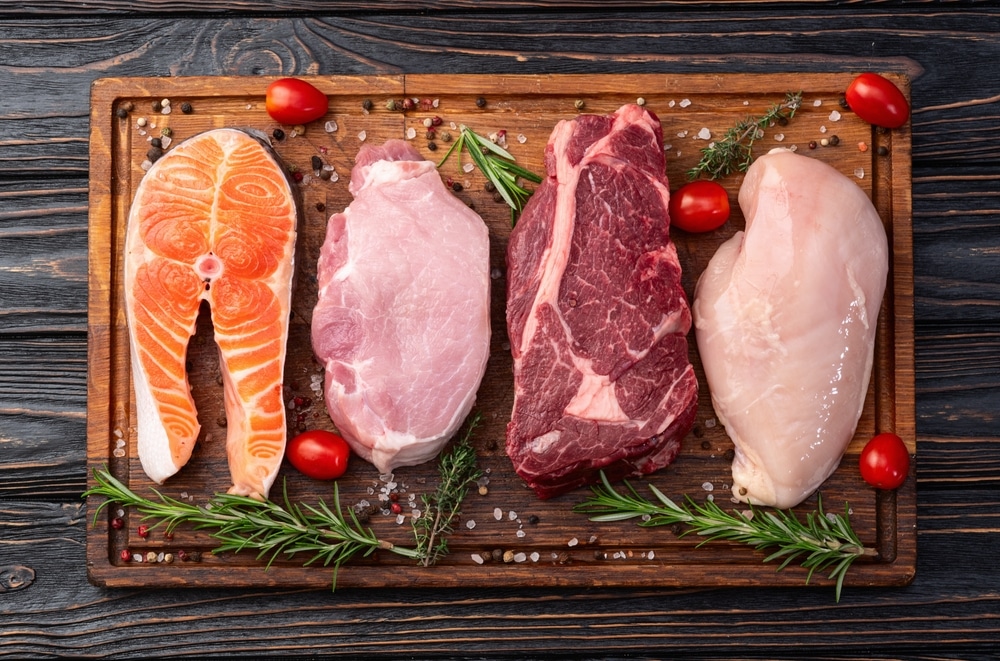
  • Organ Meats: Beef liver and kidneys are the highest natural sources of B12.
  • Pork: Often overlooked, raw pork dog food is a powerhouse of B vitamins and a moderate source of B12 but can be an excellent option for dogs with common beef or chicken allergies.
  • Fish and Eggs: Sardines and egg yolks provide a potent boost of cobalamin.
  • Red Meats: Beef and lamb are reliable staples for maintaining baseline levels.

Supplementation

While a species-appropriate raw diet is the gold standard for B12, certain health issues, life stages and high-performance demands call for an extra edge. Whether your dog is a competitive athlete, recovering from illness, has digestive issues, or entering their senior years, targeted dog supplements ensure their “internal engine” never runs on empty.

By providing a concentrated, highly absorbable ‘Boost’ such as our multivitamin for dog supplement, alongside their raw meals, is a simple way to boost nutrient intake ensuring they have the cellular fuel needed for maximum stamina and long-term health.

Learn more about dog supplements diet with our Beginner’s Guide to Supplements.

sources of vitamin b12

Can Dogs Overdose on Vitamin B12?

In short this is extremely unlikely. As a water-soluble vitamin, the body does not store toxic levels of B12. If a dog consumes more than they need, the kidneys filter the surplus and it is flushed out. This makes it a very “forgiving” nutrient for owners to supplement.

ProDog Perspective

At ProDog, we believe in “Nutrition as Nature Intended.” Vitamin B12 for dogs is a perfect example of why fresh, raw, animal-based ingredients are superior to synthetic, additive-heavy kibble. By feeding a diet rich in organ meats and high-quality proteins, you are providing the biological keys to your dog’s energy, brain power, and long-term health.

Need help with your dog’s diet?

Contact ProDog’s expert team today for FREE tailored canine nutrition advice

Contact Us

FAQs

What are the warning signs of B12 deficiency?

The earliest signs are usually a subtle drop in energy and a lacklustre coat. If your dog seems “flat” or is losing weight despite eating well, B12 levels should be checked.

What foods are high in B12 for dogs?

Liver, heart, kidneys, eggs, and oily fish are all foods high in vitamin B12. Integrating a variety of animal proteins, such as pork and beef, ensures a broad spectrum of B vitamins.

Can I I give my dog human Vitamin B12?

Vitamin B12 in supplement form is safe, as any additional is excreted through the urine however, there are dedicated dog supplements, such as Boost dog multivitamin supplement which will give your dog not only a boost of Vitamin B12 but also many other vitamins and minerals that a dog requires nutritionally.

How long does it take for B12 to work on dogs?

If a dog is severely deficient, you may see an energy boost within 24 to 72 hours of a high-dose supplement or injection. For dietary maintenance, the effects are gradual and cumulative.

Can a dog have too much Vitamin B12?

Because B12 is water-soluble, the body generally excretes any excess through urine. This makes it very difficult to “overdose” a dog on B12. However, if levels are consistently off-charts high without supplementation, it can sometimes indicate underlying issues with liver function or inflammation, so it’s always worth a chat with your vet.

Why do some dogs struggle to absorb B12 from food alone?

Absorption is a complex process. Some dogs, particularly those with digestive sensitivities or conditions like Exocrine Pancreatic Insufficiency (EPI) and SIBO, lack the “intrinsic factor” (a protein made in the pancreas and gut) required to absorb B12. In these cases, even a high-quality raw diet may need to be bolstered with targeted supplementation.

Does cooking meat affect the B12 content?

Yes. High-heat processing and boiling can significantly reduce the bioavailability of B vitamins. This is one of the primary reasons a raw, species-appropriate diet is so effective; by serving organ meats and muscle meats in their natural state, you preserve the delicate B-complex vitamins that heat would otherwise destroy.

Are certain breeds more prone to B12 deficiency?

While any dog can develop a deficiency due to gut health issues, certain breeds, such as Border Collies, Beagles, and Giant Schnauzers, have a known genetic predisposition to a specific type of B12 malabsorption (Imerslund-Gräsbeck Syndrome). For these breeds, monitoring energy levels and coat quality is especially important.

How does B12 interact with other B vitamins?

B vitamins work best as a team. While B12 is the “energy” powerhouse, it works closely with B9 (Folate) to support DNA synthesis and red blood cell production. This is why we advocate for a varied diet of whole-food animal proteins rather than isolated synthetic vitamins; nature provides the perfect balance of co-factors for optimal absorption.

References

  1. Fyfe, John C. “Selective Intestinal Cobalamin Malabsorption.” In Kirk’s Current Veterinary Therapy XIII, edited by J.D. Bonagura, 641-643. Philadelphia: W.B. Saunders, 2000. 
  1. National Research Council. (2006). Nutrient Requirements of Dogs and Cats. Washington, DC: The National Academies Press. Page 231. 
  1. FEDIAF (European Pet Food Industry Federation), Nutritional Guidelines for Complete and Complementary Pet Food for Cats and Dogs (Brussels: FEDIAF, September 2025), 61. 

0 comments

Leave a Reply

Your email address will not be published. Required fields are marked *