FREE DELIVERY ON RAW DOG FOOD BUNDLES & DOG SUPPLEMENTS to UK Standard Areas

Explaining

What Is Kibble Dog Food?

Have you ever stopped to ask yourself the questions, what is kibble? How is it made? Is kibble good for dogs? Is it better than raw dog food? Let us share with you some facts about kibble that may surprise you.

Author: ProDog Raw

What Is Kibble Dog Food?

Blog in 60 Seconds

In this article, you will discover:

  • What kibble actually is – how it’s made, the common ingredients used and why it became popular in the first place.
  • The nutritional trade-offs of kibble – how processing affects nutrient quality, digestibility and how some ingredients may not align with a canine’s biological needs.
  • Common misconceptions about kibble – myths vs facts, including what terms like “complete and balanced” really mean.
  • Potential digestive and health implications – how high-carbohydrate, highly processed diets can impact digestion, weight, skin and overall wellbeing.
  • How species-appropriate nutrition differs – contrasting kibble with diets that more closely match canine biology, such as raw or fresh food options.

At ProDog, we provide healthy, natural, raw meat based raw dog food meals and natural dog treats. However, we know many well-meaning dog owners believe that kibble is a beneficial food for their dogs.

We understand why. For decades the marketing messages of processed pet food companies have delivered the narrative that their products are all the sustenance your dog needs. This is not necessarily the case.

Raw vs kibble

Read our comparison article to help you decide which food is best for your dog.

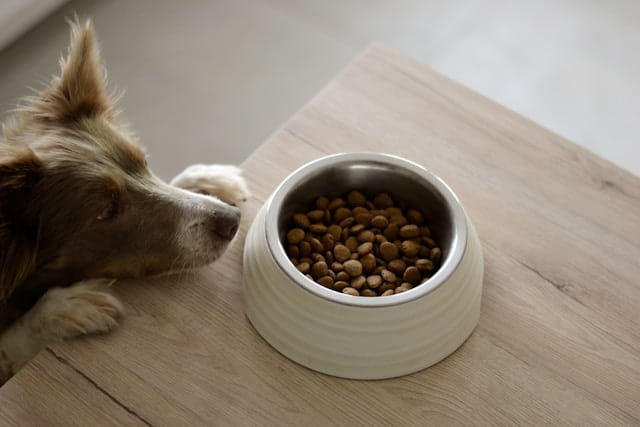
Dog resting on table looking at kibble dinner

The Kibble Vs Raw Dog Food No-Nonsense Guide

READ MORE

What is kibble for dogs?

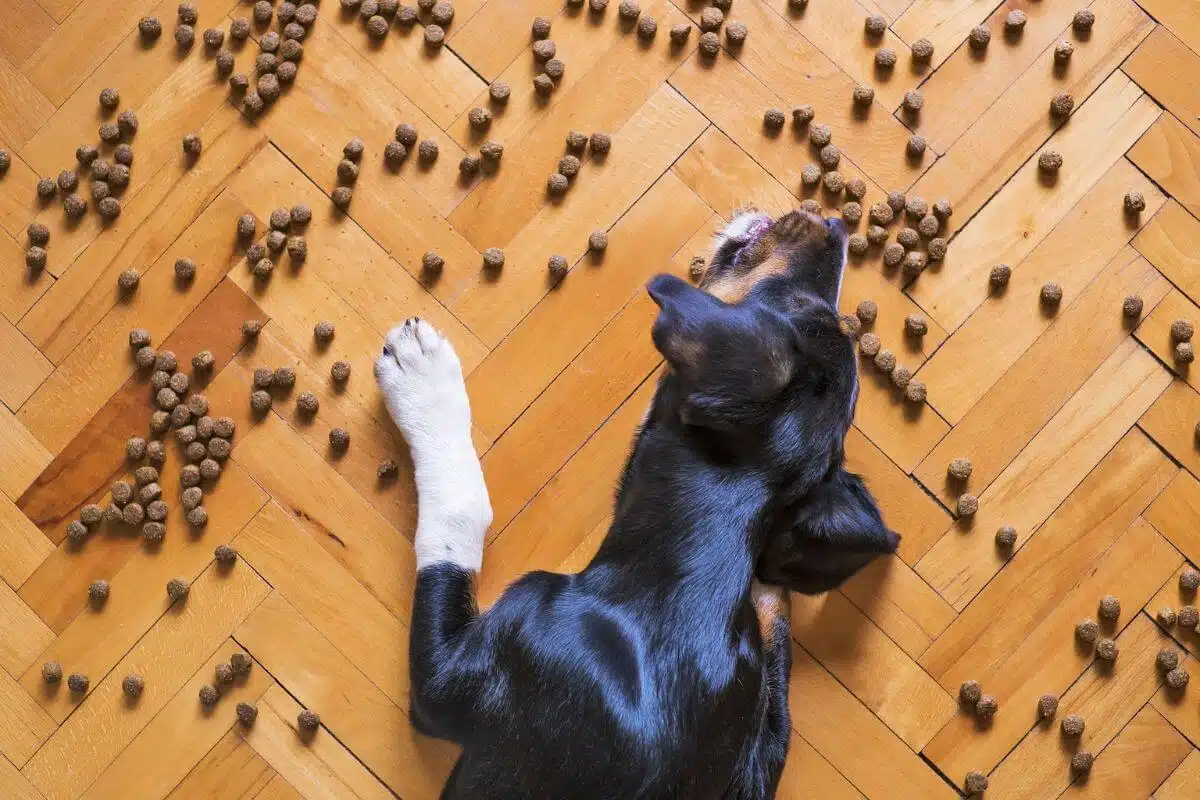
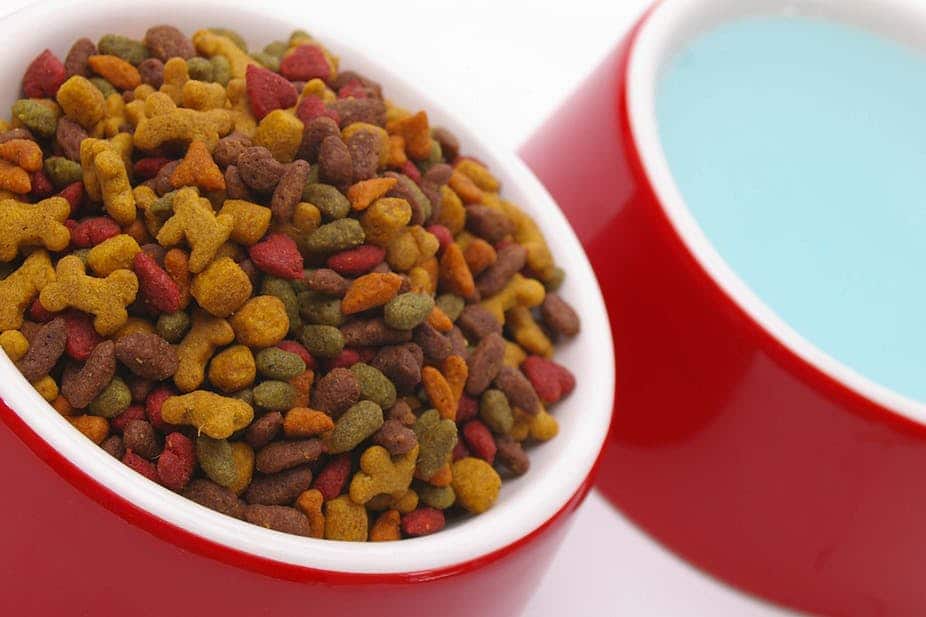
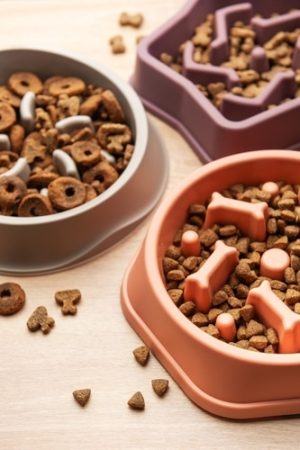
Kibble is the name for dry dog food; the small, hard pellets you’ll find in giant bags on supermarket and pet shop shelves.

Kibble is attractive to many dog owners due to its convenience, cheaper prices, and the fact that it’s a shelf stable product.

However, for the majority, it’s not an optimal, nutritionally sound option for dogs.

What is in kibble? Exploring the ingredients

We all want the best for our dogs, and the sole reason for giving food is to provide nourishment.

That fuel and nourishment can either enhance their health and help them to thrive, or just enable them to survive.

For that reason, it’s smart to be aware of what goes into your dog’s food.

We know it can be tricky sometimes to understand the complex labelling on the bag, so here are 5 common, potentially harmful, kibble ingredients:

Fillers

Many dry dog foods contain filler ingredients such as wheat, rice, legumes, soy, corn and other starches, such as potato. Many of these ingredients are indigestible for dogs.

Biologically, canines aren’t capable of digesting large amounts of carbohydrates effectively [1]. This explains why there are so many digestive issues, such as diarrhoea and constipation, and other health concerns among dry fed dogs.

Dog Constipation and What to Feed

READ MORE

Pesticides

The grains used in kibble are often chemically treated with pesticides, which then transfer into dogs’ food. Glyphosate is an especially common pesticide used in grain farming, and it’s also garnering the most attention for its health risks, including cancer [2].

Discover our grain free dog food options.

Preservatives

To keep kibble shelf stable, preservatives such as BHA, BHT, carrageenan, propyl gallate, and potassium sorbate are often used.

These are derived from synthetic sources, and over time, can lead to health issues in your dog.

Of course, the best way to avoid synthetic preservatives is to feed a fresh raw food diet, get our raw storage and defrosting advice here to understand how raw is made.

how to defrost raw food quickly

How to Defrost and Store Raw Dog Food Safely

READ MORE

Added vitamins

Any useful, natural nutritional substance that might be included in kibble is often damaged or destroyed by the high heat cooking process, so the addition of synthetic nutrients is necessary.

Although vitamins, minerals and antioxidants are often added to kibble, because they are in an artificial form they don’t provide the same nutritional benefits as they would in their natural food based form [3], [4].

Discover our natural dog supplements here.

Meat products

The protein sources listed on a bag kibble are often called ‘meat’, but it may not be meat as you know it. Many kibble manufacturers use ‘meat meal’ or ‘by-products’ (animal parts that would otherwise be disposed of).

These are very low quality sources of protein and significantly less nutritious than their higher quality, raw meat dog food counterparts; in fact, the low quality and high heat cooking process of some kibbles can contribute to serious health issues in some dogs.

Myths about raw

You may have heard that raw is messy or that it is not safe for dogs. We bust these myths in this article.

raw dog food myths featured image

Raw Dog Food Myths & Resources

READ MORE
how is kibble made?

How is kibble made?

Once the ingredients in kibble are mixed, they are then cooked under pressure at high temperatures. After cooking, the product is pushed through cutouts to create the desired bite sized pieces.

Once cooled, kibble is sprayed with fats and artificial flavours to make it attractive and palatable to your dog. Then it’s placed into its designated container or bag, which are then wrapped and loaded onto pallets, where they sit in warehouses waiting to be distributed [5].

How does this affect the nutrient value?

The ingredients in kibble are often stripped of their natural nutrient value due to the high heat, chemical cooking process used to turn them into “convenient” bite-sized pieces [6].

Also, the process of cooking proteins causes their fats to oxidise, promoting health risks in dogs (such as pancreatitis). Learn more of the truth about fats for dogs in our all you need to know guide.

pancreatitis in dogs

Pancreatitis in Dogs: Insights and Nutrition Tips from Experts

READ MORE

The Truth About Fats for Dogs: The All-You-Need-to-Know Guide

READ MORE

Is kibble safe for dogs?

Whilst deemed safe by the pet food industry, the criteria for labelling of kibbles and other processed pet foods means that pet food manufacturers can be relatively vague about the exact ingredients used to make the product.

This leaves pet owners at least partially uninformed.

The added preservatives and filler ingredients in many kibble products are not naturally digestible for dogs, which creates the potential for increased long term health risks.

Even though they might seem “fine” eating kibble, there’s always the question whether dogs’ health could improve if fed a more natural, unprocessed diet.

In fact, studies have shown that just adding a small amount of fresh food to a kibble based diet improved certain health markers [7].

We also cover is raw safe? here.

is raw dog food safe featured image (1) dog looking at camera with nose on the lense

Is Raw Dog Food Safe? The Answer is Yes!

READ MORE

Is “high quality” kibble better?

The ingredients in high quality kibble may be a big improvement on cheaper brands, as they often contain a higher percentage of quality meat proteins than by-products.

Though this gives the appearance of a somewhat nutritious option, the process of turning the ingredients into dried kibble remains the same.

High temperature cooking, lack of moisture, higher starches (no matter how “high quality”) and preservatives all lead to a similar result:

An end product that requires the addition of synthetic nutrients to ensure the dogs have any chance of getting the fuel they need to survive.

Discover the benefits of raw

Raw offers your dog many benefits, find out more in our article.

Two dogs eating and enjoying the benefits of raw dog food

Top 12 Health Benefits of Raw Feeding Your Dog

READ MORE

Kibble is unnatural, pure and simple

The kibble creation process, combined with mainly low-quality ingredients, additives and preservatives, all contribute to a diet that’s hard for dogs to digest.

It’s also a diet that is deficient in the natural vitamins and minerals a dog’s body requires to truly thrive. Over time, this lack of quality sustenance can lead to an increase in disease and health problems, along with an inevitable uplift in vet bills.

In contrast, nutrients that come from natural, species-appropriate sources such as a raw dog food diet, are easily digested, fully utilised, and beneficial to our canine companions. Explore our full grain free dog food range.

All of which makes logical sense when we remember, this is the diet dogs evolved eating in the wild.

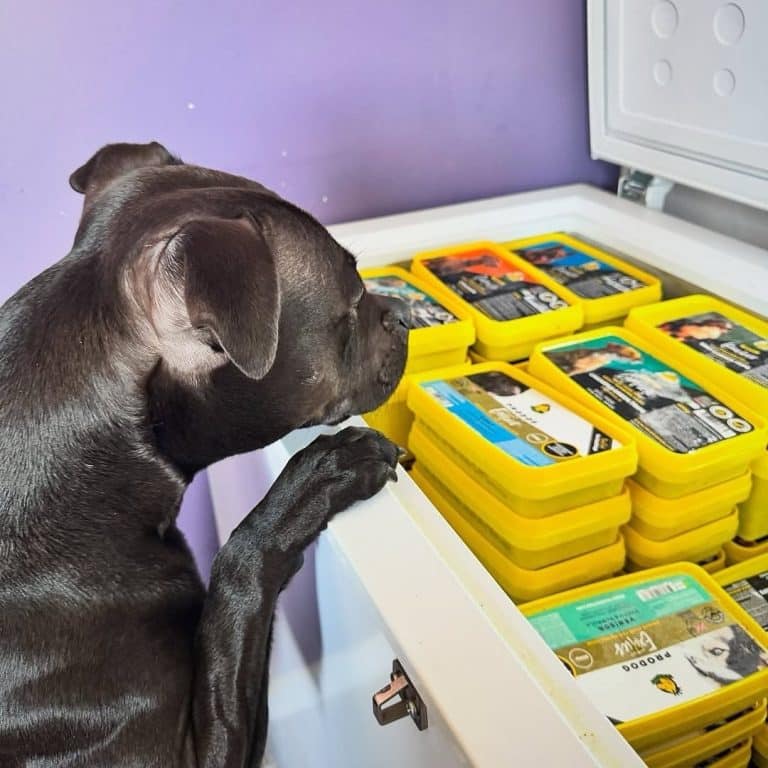
Our raw dog food includes the highest quality ingredients, provides plenty of variety to please all dogs, contributes to their health in the most natural way, and is as easy and convenient to feed as kibble just with more benefits.

Need help with your dog’s diet?

Contact ProDog’s expert team today for FREE tailored canine nutrition advice

Contact Us

References:

1. Quilliam, C., Ren, Y., Morris, T., Ai, Y., Weber, L. May 2021. The Effects of 7 Days of Feeding Pulse-Based Diets on Digestibility, Glycemic Response and Taurine Levels in Domestic Dogs. Frontiers in Veterinary Science,; 8. Doi: 10.3389/fvets.2021.654223

2. Dogs Naturally Magazine. Glyphosate In Dog Food: The Hidden Ingredient That Can Harm Your Dog. Accessed April 2023. https://www.dogsnaturallymagazine.com/the-hidden-dog-food-ingredient-that-can-harm-your-dog/

3. Schlieck, T., Petrolli, T., Bissacotti, B., Copetti, P., Bottari, N., Morsch, V., da Silva, A. Aug 2021. Addition of a blend of essential oils (cloves, rosemary and oregano) and vitamin E to replace conventional chemical antioxidants in dog feed: effects on food quality and health of beagles. Archives of Animal Nutrition,; 75(5):389-403. Doi: 10.1080/1745039X.2021.1960091

4. R.J. Thiel. Natural Vitamins May be Superior to Synthetic Ones. Medical Hypotheses, Volume 55, Issue 6, 2000

5. Global Alliance of Pet Food Associations. Factsheet: How Pet Food is Made. Accessed April 2023. https://www.gapfa.org/files/download/9_GAPFA_Factsheet_How_pet_food_is_made.pdf

6. Riaz, M., Asif, M., Ali, R. Feb 2009. Stability of Vitamins during Extrusion. Critical Reviews in Food Science and Nutrition,; 49(4):361-368. Doi: 10.1080/10408390802067290

7. Knapp, D., Ramos-Vara, J., Moore, G., Dhawan, D., Bonney, P., Young, K. Apr 2014. Urinary Bladder Cancer in Dogs, a Naturally Occurring Model for Cancer Biology and Drug Development. Journal of the Institute for Laboratory Animal Research,; 55(1):100-118. Doi: 10.1093/ilar/il1u08

1 comment

Bonnie Saul

the above info is very helpful and interesting showing at least for me a daily raw home cooked diet is and will always the way she will be fed.

Leave a Reply

Your email address will not be published. Required fields are marked *